English
- Afrikaans
- Albanian
- Amharic
- Arabic
- Armenian
- Azerbaijani
- Basque
- Belarusian
- Bengali
- Bosnian
- Bulgarian
- Catalan
- Cebuano
- Corsican
- Croatian
- Czech
- Danish
- Dutch
- English
- Esperanto
- Estonian
- Finnish
- French
- Frisian
- Galician
- Georgian
- German
- Greek
- Gujarati
- Haitian Creole
- hausa
- hawaiian
- Hebrew
- Hindi
- Miao
- Hungarian
- Icelandic
- igbo
- Indonesian
- irish
- Italian
- Japanese
- Javanese
- Kannada
- kazakh
- Khmer
- Rwandese
- Korean
- Kurdish
- Kyrgyz
- Lao
- Latin
- Latvian
- Lithuanian
- Luxembourgish
- Macedonian
- Malgashi
- Malay
- Malayalam
- Maltese
- Maori
- Marathi
- Mongolian
- Myanmar
- Nepali
- Norwegian
- Norwegian
- Occitan
- Pashto
- Persian
- Polish
- Portuguese
- Punjabi
- Romanian
- Russian
- Samoan
- Scottish Gaelic
- Serbian
- Sesotho
- Shona
- Sindhi
- Sinhala
- Slovak
- Slovenian
- Somali
- Spanish
- Sundanese
- Swahili
- Swedish
- Tagalog
- Tajik
- Tamil
- Tatar
- Telugu
- Thai
- Turkish
- Turkmen
- Ukrainian
- Urdu
- Uighur
- Uzbek
- Vietnamese
- Welsh
- Bantu
- Yiddish
- Yoruba
- Zulu

Telephone: +86 13120555503
Email: frank@cypump.com


Apr . 01, 2024 17:55 Back to list
submersible sludge pump Performance Analysis
Introduction
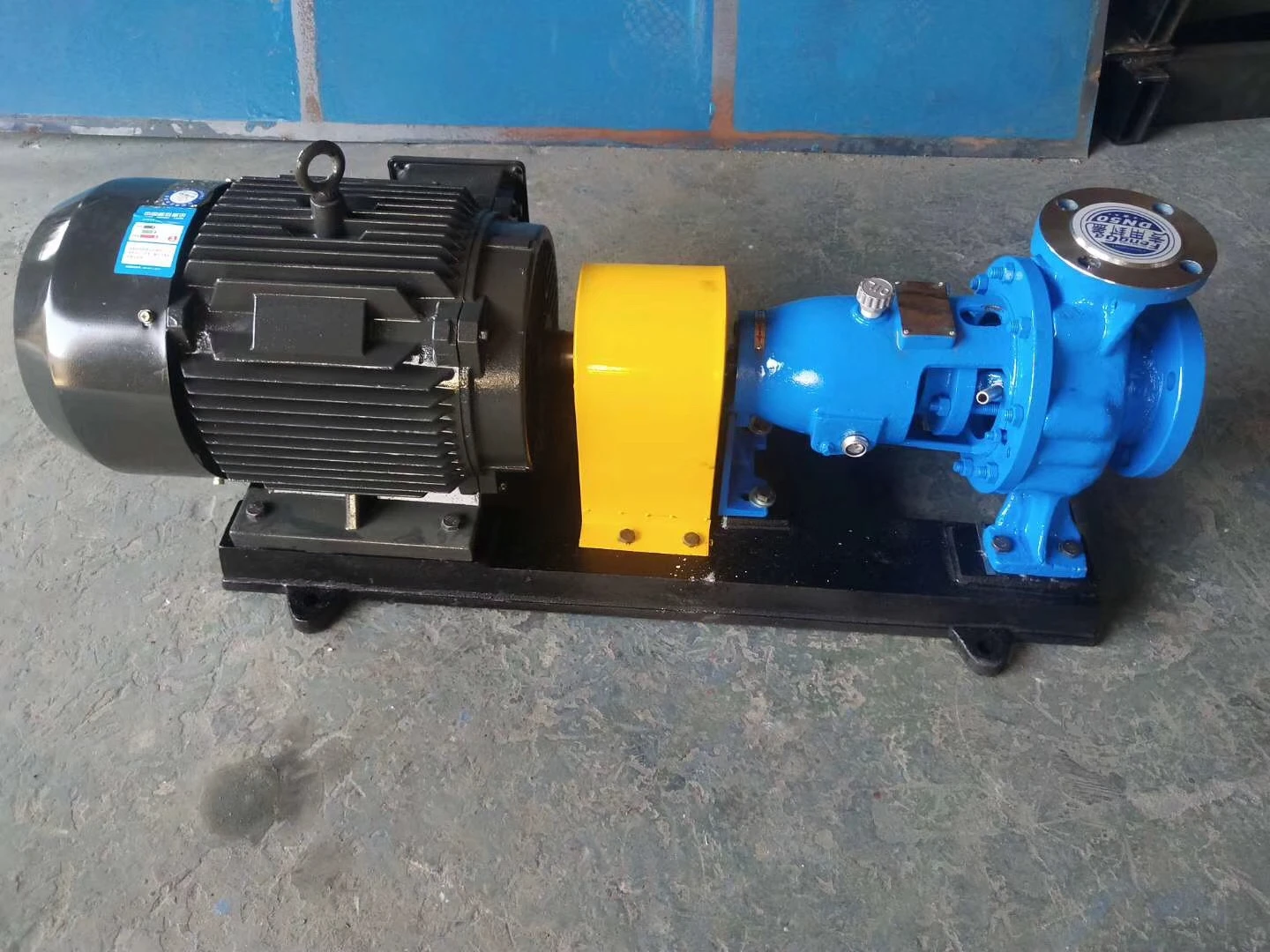
Submersible sludge pumps are centrifugal pumps specifically designed for handling liquids containing solids, commonly found in wastewater treatment, industrial effluent, and mining applications. Positioned within the hydraulic conveyance chain as a critical component for solids removal and transfer, these pumps differ from conventional pumps by operating fully submerged in the fluid they are pumping. Core performance characteristics are defined by flow rate, head (discharge pressure), solids handling capability, and efficiency, all influenced heavily by impeller design, motor selection, and sealing systems. A significant industry pain point centers around pump wear due to abrasive solids, leading to frequent maintenance and downtime. Another concern is the potential for clogging, which reduces pumping efficiency and necessitates manual intervention. The selection of appropriate materials and pump design features to mitigate these challenges is paramount for achieving reliable and cost-effective operation. The pump’s ability to maintain efficiency while processing highly viscous or fibrous sludges is also a key performance indicator.
Material Science & Manufacturing
The core materials in a submersible sludge pump are cast iron, stainless steel (typically 304 or 316), and elastomers. Cast iron (ASTM A48 Class 30) forms the pump housing, providing structural integrity and resistance to corrosion in many applications, though it's susceptible to galvanic corrosion in certain environments. Stainless steel is used for impellers, diffusers, and wear plates due to its superior corrosion resistance and ability to withstand abrasive wear. The choice between 304 and 316 stainless steel depends on the chemical composition of the sludge; 316 provides enhanced resistance to chlorides and other aggressive chemicals. Elastomers, such as nitrile rubber (NBR) or Viton (FKM), are used for seals and O-rings to prevent leakage and protect the motor.
Manufacturing processes involve several key steps. Pump housings are typically created using sand casting followed by machining to achieve precise dimensions and surface finishes. Impellers are often investment cast for complex geometries and balanced to minimize vibration. Welding (SMAW or GTAW) is used to join various components, requiring strict quality control to ensure weld integrity and prevent porosity. The motor housing is usually aluminum alloy, die-cast for efficient production and thermal dissipation. Cable glands and sealing systems undergo rigorous testing to ensure waterproof operation. Critical parameter control includes impeller balancing (ISO 1940-1), surface roughness of wear components (Ra values monitored during machining), and dimensional accuracy of all mating surfaces to maintain hydraulic efficiency. Material certifications are essential to confirm compliance with industry standards and prevent material defects. Furthermore, non-destructive testing, such as liquid penetrant inspection (LPI) and ultrasonic testing (UT), are employed to detect surface and subsurface flaws.
Performance & Engineering
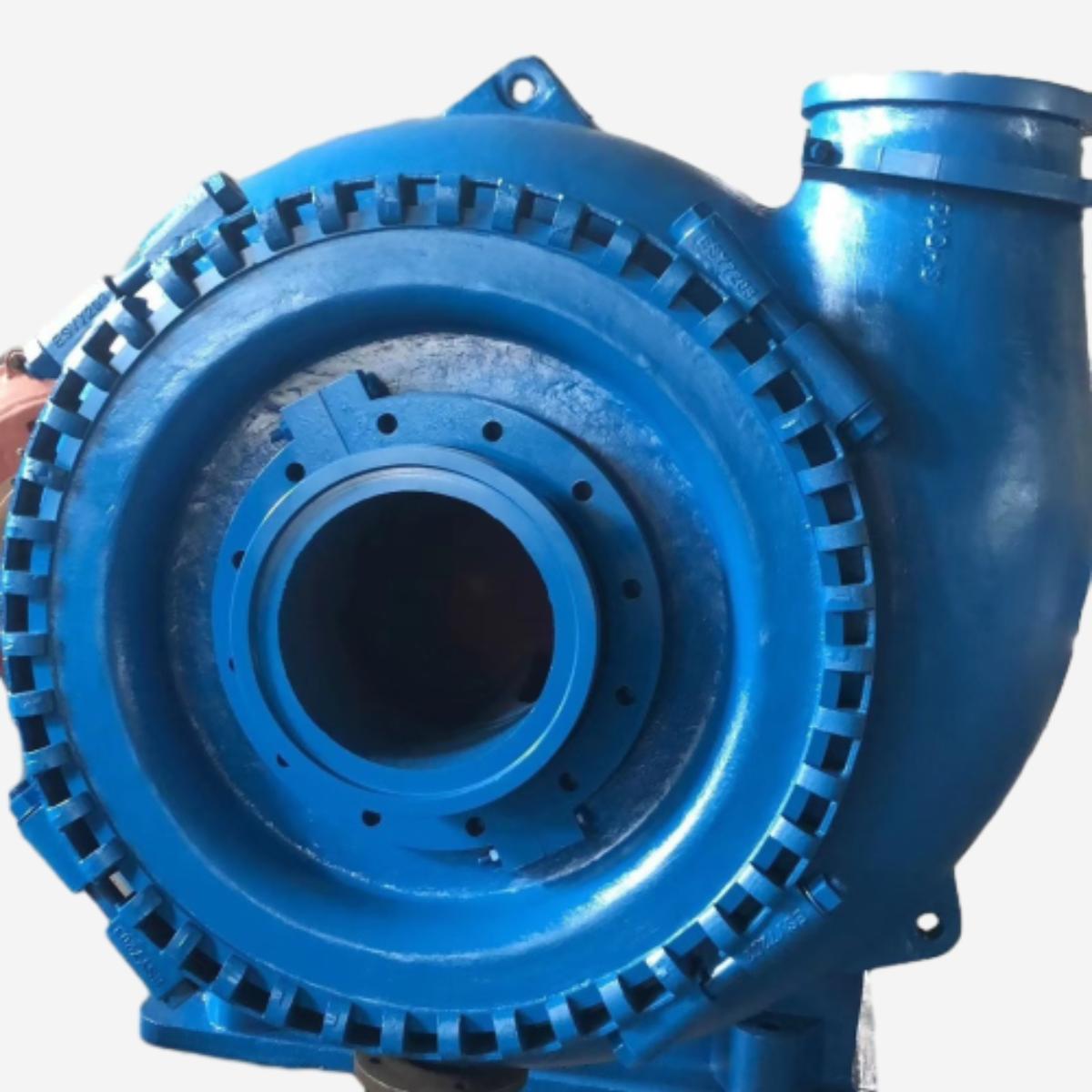
Performance analysis of submersible sludge pumps hinges on understanding hydraulic forces, solids transport mechanisms, and motor cooling. The impeller design is critical; radial impellers are common for higher head applications, while mixed-flow or axial-flow impellers are preferred for high flow rates with lower heads. Force analysis includes calculating radial loads on the impeller shaft due to unbalanced hydraulic forces and axial thrust due to pressure differences. These loads dictate bearing selection and shaft design to prevent premature failure. Environmental resistance is crucial; pumps must withstand continuous immersion in corrosive fluids and varying temperatures. Motor cooling relies on the pumped fluid circulating around the motor housing, necessitating sufficient flow to prevent overheating. Compliance requirements vary by region, with standards like CE marking (Europe) and UL listing (North America) ensuring safety and performance. The pump’s efficiency is directly linked to hydraulic losses within the impeller and volute, necessitating optimized designs to minimize energy consumption. A key engineering challenge is preventing vortex formation, which can reduce pump efficiency and cause cavitation. Furthermore, the pump’s electrical insulation must be rated appropriately for submersible operation to prevent short circuits and ensure operator safety. Cable selection is also critical to withstand abrasion and chemical exposure.
Technical Specifications
| Parameter | Unit | Typical Range (Small Pump) | Typical Range (Large Pump) |
|---|---|---|---|
| Flow Rate | m³/hr | 5 - 50 | 100 - 500 |
| Total Head | m | 10 - 30 | 40 - 100 |
| Solids Handling Capacity | mm | Up to 25 | Up to 75 |
| Motor Power | kW | 0.75 - 5.5 | 11 - 37 |
| Impeller Material | - | Chrome Iron | Stainless Steel (316) |
| Housing Material | - | Cast Iron | Ductile Iron |
Failure Mode & Maintenance
Common failure modes in submersible sludge pumps include impeller wear, seal failure, motor winding failure, and cable damage. Impeller wear is primarily caused by abrasive solids eroding the impeller vanes, leading to reduced pumping efficiency and increased vibration. Seal failure, often due to abrasion or chemical attack, results in leakage and potential motor damage. Motor winding failure can occur due to overheating, moisture ingress, or electrical stress. Cable damage is typically caused by abrasion, chemical exposure, or fatigue cracking.
Preventive maintenance is crucial for extending pump life. Regular inspection of the impeller and wear plates for signs of erosion is essential. Seal replacement should be scheduled based on operating hours and fluid composition. Motor winding insulation resistance should be tested periodically to detect early signs of deterioration. Cable inspections should focus on identifying cuts, abrasions, and damaged connectors. Predictive maintenance techniques, such as vibration analysis and oil analysis, can provide early warning of potential failures. In case of failure, impeller replacement typically requires disassembly of the pump and potentially the intake piping. Seal replacement involves careful removal of the old seal and installation of a new one, ensuring proper lubrication. Motor repair or replacement may be necessary for winding failures. Always disconnect the power supply before performing any maintenance procedures. Thorough cleaning of all components is also essential to prevent re-contamination and ensure proper operation after repair.
Industry FAQ
Q: What is the optimal impeller material for handling highly abrasive sludge containing sand and grit?
A: For highly abrasive sludge, hardened chrome iron impellers are generally the best choice. Chrome iron offers superior wear resistance compared to standard cast iron or even stainless steel in abrasive environments. However, the specific composition of the chrome iron should be selected based on the size and hardness of the abrasive particles present in the sludge. Consider high-chrome cast irons with a Rockwell C hardness of 60-65 for maximum wear resistance. Regular inspection and replacement of the impeller remain crucial even with hardened materials.
Q: How do you mitigate the risk of pump clogging when handling sludges with high fiber content?
A: Several design features can minimize clogging. A non-clog impeller design, characterized by a wider impeller passage and reduced vane count, is essential. A recessed impeller can also help to prevent fiber buildup. Consider incorporating a grinder or macerator upstream of the pump to reduce the size of the fibers. Regular flushing of the pump with clean water can also help to prevent clogging. Selecting a pump with a higher flow velocity can also help to keep fibers in suspension.
Q: What are the key considerations for selecting the appropriate cable for a submersible sludge pump?
A: The cable must be rated for continuous submersion, resistance to the chemicals present in the sludge, and sufficient flexibility to withstand repeated bending. A neoprene or polyurethane jacket provides excellent chemical resistance. The cable should also be shielded to prevent electrical interference and sized appropriately to handle the pump’s current draw. Consider a cable with a built-in strain relief system to prevent damage at the connection points. The cable’s ampacity rating must exceed the pump’s full load amperage plus a safety factor.
Q: How does the specific gravity of the sludge affect pump selection and performance?
A: Higher specific gravity sludge requires a pump with a higher motor horsepower to overcome the increased density and maintain the desired flow rate and head. The pump’s hydraulic design must also be capable of handling the increased weight of the fluid. Furthermore, the pump’s solids handling capability may need to be adjusted based on the sludge’s viscosity and solids concentration. Ensure the pump’s power curve matches the required operating point for the specific sludge characteristics.
Q: What maintenance procedures should be performed after a prolonged period of pump inactivity?
A: After prolonged inactivity, thoroughly inspect the pump for signs of corrosion or damage. Lubricate all bearings and seals. Rotate the impeller manually to ensure it moves freely. Test the motor winding insulation resistance. Check the cable for damage. Perform a short runtime test in a controlled environment to verify proper operation before returning the pump to service. It’s also advisable to replace the seals as a preventative measure after extended storage.
Conclusion
Submersible sludge pumps represent a critical technology in wastewater treatment and industrial fluid management. Their performance is intrinsically linked to material selection, manufacturing precision, and a deep understanding of hydraulic principles. The core challenge lies in balancing efficiency, reliability, and resistance to the harsh operating conditions inherent in these applications. Selecting the appropriate pump requires a comprehensive assessment of sludge composition, flow rate requirements, and environmental factors.
Looking ahead, advancements in materials science and pump design will continue to improve the performance and longevity of these pumps. The development of more wear-resistant materials, optimized impeller geometries, and intelligent monitoring systems will further reduce maintenance costs and enhance operational efficiency. Furthermore, the integration of variable frequency drives (VFDs) will allow for precise control of pump speed and flow rate, optimizing energy consumption and adapting to changing process conditions. Continued research into predictive maintenance techniques will also play a vital role in maximizing uptime and minimizing unplanned downtime.
-
Precision at the Pump: How Better Machining Protects Flow and Uptime
News2026-11-20
-
Why Pump Reliability Begins Before the First Drop of Fluid
News2026-11-20
-
Beyond the Pump: Designing Safer Access Around Critical Water Infrastructure
News2026-11-20
-
Why Pumping Stations Depend on the Infrastructure Beneath the Pumps
News2026-11-20
-
Beyond the Pump Room: How Smarter Loading Protects Industrial Equipment
News2026-11-19
-
When Pumps Stop: Designing More Resilient Power for Critical Pumping Systems
News2026-11-19
-
The Hidden Role of Dust and Gas Monitoring in Reliable Pump Operations
News2026-11-19
-
The Hidden Role of Mineral Compounds in Extending Industrial Pump Lifespan
News2026-10-12
-
Why Pump System Reliability Depends on Precision Hose Assembly Methods
News2026-09-15
-
How Advanced Imaging Films Are Transforming Pump Component Quality Control
News2026-08-25
-
How Advanced Filtration Protects Pump Systems from Premature Wear and Costly Downtime
News2026-08-25
-
How Steel Material Selection Drives Pump Reliability in Heavy-Duty Systems
News2026-08-25
-
Ensuring Pump System Efficiency: The Role of High-Quality Pipe Fittings and Tubing
News2026-08-24
-
Optimizing Fluid Dynamics and Material Consistency in Industrial Processing
News2026-08-18
-
Innovations and Challenges in Hydraulic Systems for Heavy Machinery
News2026-08-13




