English
- Afrikaans
- Albanian
- Amharic
- Arabic
- Armenian
- Azerbaijani
- Basque
- Belarusian
- Bengali
- Bosnian
- Bulgarian
- Catalan
- Cebuano
- Corsican
- Croatian
- Czech
- Danish
- Dutch
- English
- Esperanto
- Estonian
- Finnish
- French
- Frisian
- Galician
- Georgian
- German
- Greek
- Gujarati
- Haitian Creole
- hausa
- hawaiian
- Hebrew
- Hindi
- Miao
- Hungarian
- Icelandic
- igbo
- Indonesian
- irish
- Italian
- Japanese
- Javanese
- Kannada
- kazakh
- Khmer
- Rwandese
- Korean
- Kurdish
- Kyrgyz
- Lao
- Latin
- Latvian
- Lithuanian
- Luxembourgish
- Macedonian
- Malgashi
- Malay
- Malayalam
- Maltese
- Maori
- Marathi
- Mongolian
- Myanmar
- Nepali
- Norwegian
- Norwegian
- Occitan
- Pashto
- Persian
- Polish
- Portuguese
- Punjabi
- Romanian
- Russian
- Samoan
- Scottish Gaelic
- Serbian
- Sesotho
- Shona
- Sindhi
- Sinhala
- Slovak
- Slovenian
- Somali
- Spanish
- Sundanese
- Swahili
- Swedish
- Tagalog
- Tajik
- Tamil
- Tatar
- Telugu
- Thai
- Turkish
- Turkmen
- Ukrainian
- Urdu
- Uighur
- Uzbek
- Vietnamese
- Welsh
- Bantu
- Yiddish
- Yoruba
- Zulu

Telephone: +86 13120555503
Email: frank@cypump.com


Apr . 01, 2024 17:55 Back to list
submersible sand pump agitator Performance Analysis
Introduction
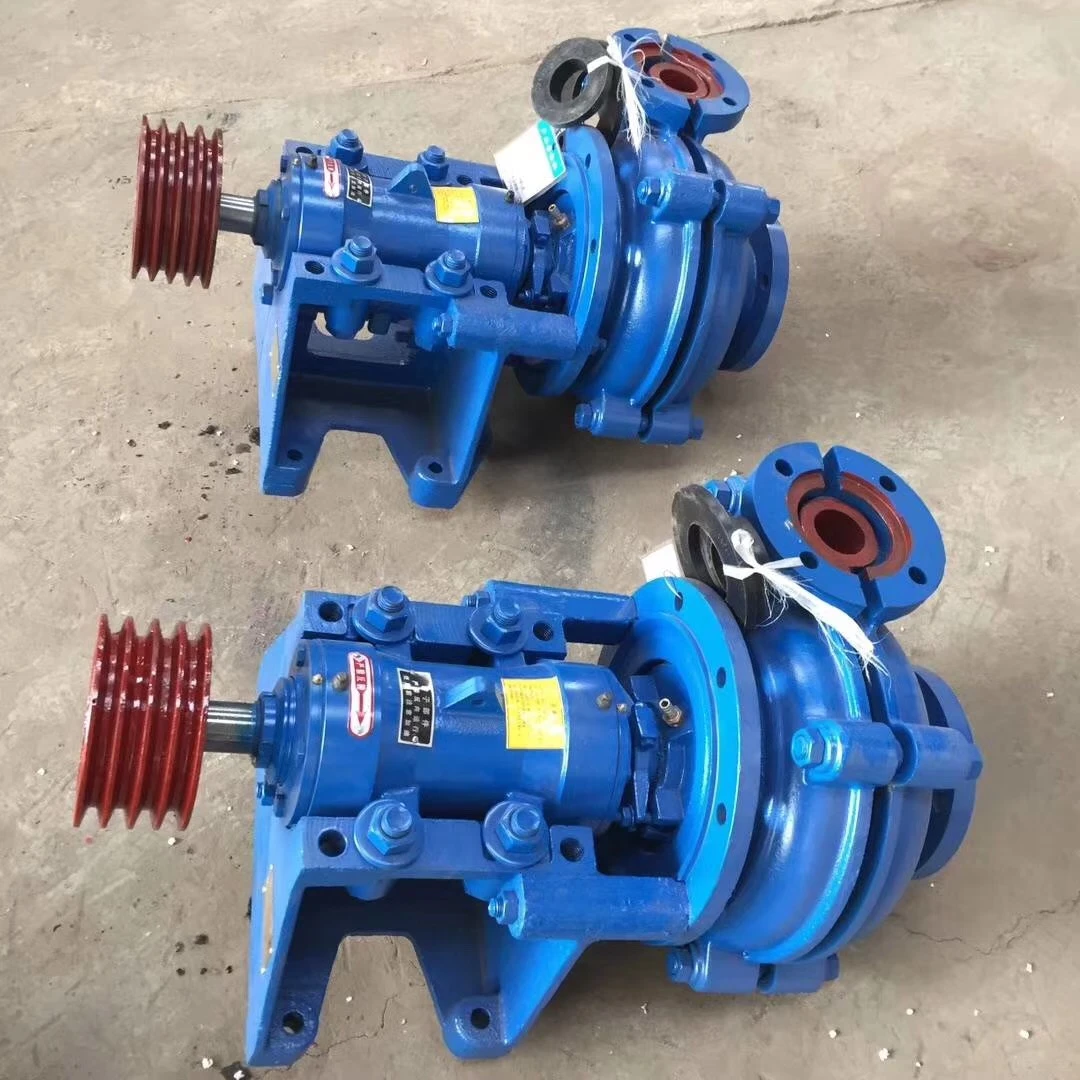
Submersible sand pump agitators are critical components in dredging, mining, and wastewater treatment industries. These devices, integral to submersible sand pumps, prevent solids settling during operation, maintain slurry homogeneity, and enhance pump efficiency. Positioned within the pump housing, the agitator typically consists of a rotating impeller designed to induce fluid turbulence. Unlike external mixers, the submersible design eliminates the need for surface mounting and shaft seals, contributing to increased reliability and reduced maintenance in harsh operating environments. Core performance metrics revolve around agitation intensity (measured in shear rate and turbulence kinetic energy), solids suspension capability, power consumption, and resistance to abrasive wear. The selection of appropriate agitator designs – axial flow, radial flow, or mixed flow – directly impacts the system's ability to handle varying slurry densities and particle sizes, addressing a significant pain point in industries dealing with abrasive materials and potential pump blockage.
Material Science & Manufacturing
The performance and longevity of a submersible sand pump agitator are fundamentally dictated by the materials used in its construction and the precision of its manufacturing process. Impeller materials commonly include high-chrome cast iron (27-30% Cr) for excellent abrasion resistance, stainless steel (316L, duplex) for corrosion resistance in aggressive environments, and occasionally hardened steel alloys for extreme wear applications. The impeller's metallurgical structure is crucial; a martensitic structure in chrome cast iron provides high hardness, but can be prone to cracking. Proper heat treatment – quenching and tempering – is essential to balance hardness and toughness. Shafts are typically constructed from high-strength alloy steels, often with a hardened surface layer to resist wear. Seals, vital for preventing ingress of slurry into the motor housing, are commonly composed of silicon carbide or tungsten carbide mechanical seals, selected for their superior wear and chemical resistance. Manufacturing processes involve precision casting for the impeller, CNC machining for the shaft and impeller hub, and robotic welding for assembly. Key parameter control during manufacturing includes dimensional accuracy of the impeller blades (to ensure balanced agitation), weld integrity (to prevent crack propagation), and surface finish (to minimize friction and wear). Chemical compatibility between the agitator materials and the transported slurry is paramount. For example, acidic slurries necessitate the use of corrosion-resistant alloys like duplex stainless steel, while alkaline slurries may require specialized coatings to prevent corrosion.
Performance & Engineering
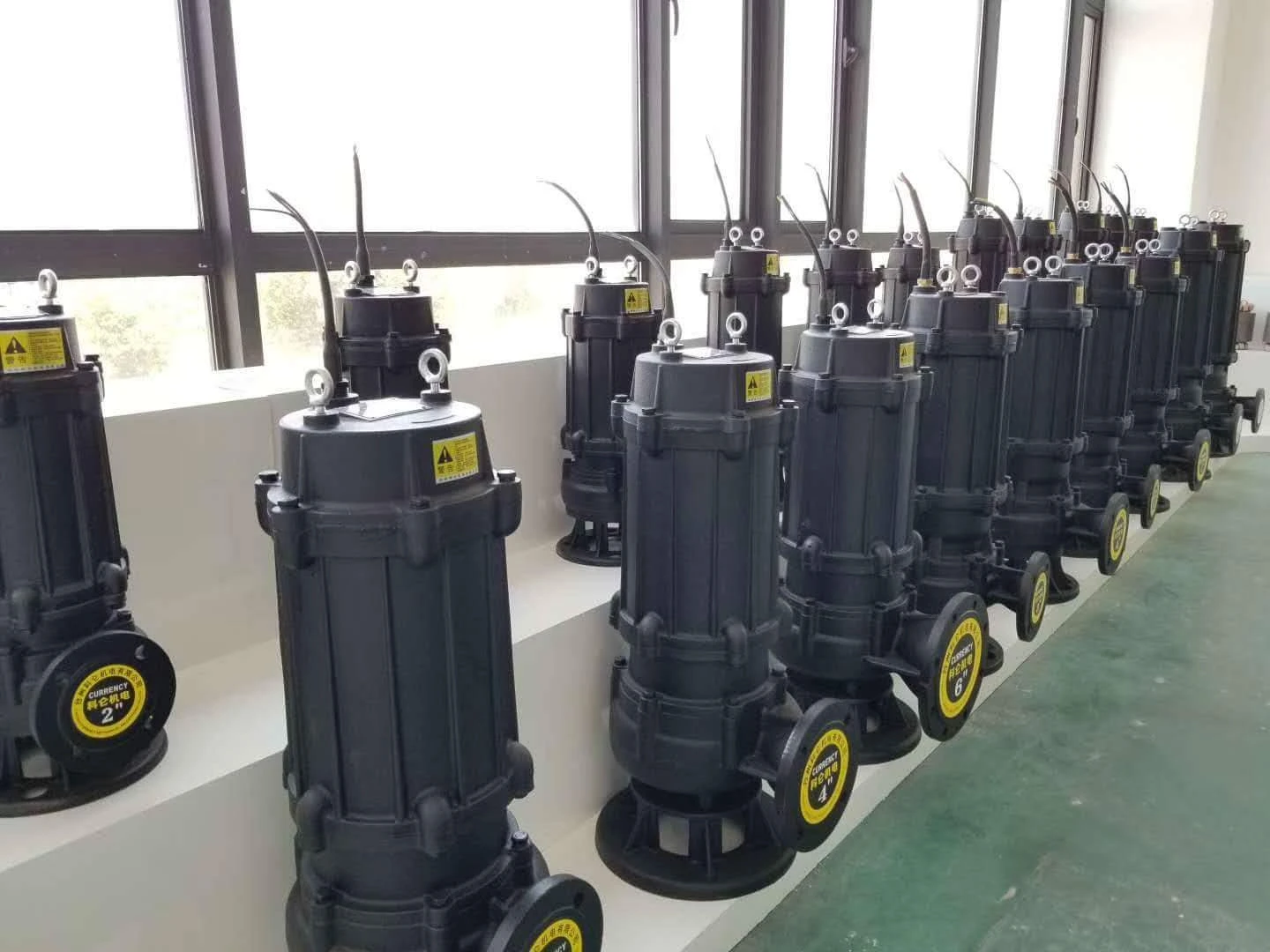
The performance of a submersible sand pump agitator is intricately linked to hydraulic and mechanical engineering principles. Force analysis focuses on the impeller’s dynamic loads due to fluid impact and centrifugal forces. Finite Element Analysis (FEA) is routinely employed to optimize impeller blade geometry and minimize stress concentrations, preventing fatigue failure. Environmental resistance is a critical consideration; the agitator must withstand constant immersion in abrasive slurries, potentially at varying temperatures and pressures. Cavitation, a major performance limiter, arises from rapid pressure changes within the impeller, leading to bubble formation and subsequent implosion, causing erosion. Impeller design – specifically blade pitch and width – is optimized to mitigate cavitation risk. Compliance requirements vary geographically but often include standards relating to electrical safety (IEC 60034-8 for submersible pumps), material traceability (for critical components), and environmental protection (regarding lubricant leakage). Functional implementation necessitates precise alignment between the agitator shaft and the pump’s motor shaft to prevent vibration and bearing failure. The agitator's power requirement is determined by the slurry density, particle size distribution, flow rate, and the desired level of solids suspension. A poorly sized agitator can lead to insufficient mixing, increased wear on the pump impeller, and ultimately, reduced pumping efficiency.
Technical Specifications
| Parameter | Unit | Typical Value (Small Agitator) | Typical Value (Large Agitator) |
|---|---|---|---|
| Impeller Diameter | mm | 200 | 800 |
| Agitation Power | kW | 1.5 | 15 |
| Impeller Speed | RPM | 800 | 400 |
| Maximum Solids Concentration | % by weight | 30 | 60 |
| Maximum Particle Size | mm | 50 | 200 |
| Material (Impeller) | - | High-Chrome Cast Iron | Duplex Stainless Steel |
Failure Mode & Maintenance
Submersible sand pump agitators are susceptible to several failure modes under harsh operating conditions. Fatigue cracking in the impeller blades is common, initiated by cyclic stress from fluid impact and exacerbated by stress concentrations at blade roots. Delamination of the impeller coating (if applicable) can occur due to abrasion and corrosion. Wear of the impeller vanes due to solids impingement is a primary failure mechanism, reducing agitation efficiency. Seal failure, leading to slurry ingress into the motor housing, causes stator winding damage and ultimately, motor burnout. Bearing failure is often a consequence of misalignment, excessive loads, or lubricant contamination. Oxidation and corrosion of metallic components can weaken the structure and accelerate wear. Preventative maintenance is crucial. This includes regular visual inspection for cracks and wear, lubricant analysis to detect contamination, and seal replacement at predetermined intervals. Vibration analysis can identify bearing issues early on. Impeller balancing is recommended after repairs or significant wear. In the event of a failure, a thorough failure analysis – including metallurgical examination and stress analysis – is essential to determine the root cause and prevent recurrence. Implementing a robust planned maintenance schedule, coupled with operator training on proper operating procedures, significantly extends the agitator’s service life.
Industry FAQ
Q: What are the key considerations when selecting an agitator for a highly abrasive slurry?
A: The primary considerations are material selection (high-chrome cast iron or ceramic coatings for extreme abrasion resistance), impeller design (robust blades with minimal crevices to prevent wear), and shaft sealing (positive displacement seals to prevent slurry ingress). The impeller's geometry should be optimized for high solids suspension efficiency, even at lower speeds, minimizing wear. Regular inspection and replacement of wear parts are also critical.
Q: How does impeller speed affect agitation performance and wear rate?
A: Higher impeller speeds generally increase agitation intensity and solids suspension capability, but also accelerate wear due to increased fluid impact and erosion. An optimal speed balances performance and longevity. Variable Frequency Drives (VFDs) allow for speed adjustment to match changing slurry conditions, minimizing wear during periods of low solids concentration.
Q: What are the typical failure modes associated with mechanical seals in submersible agitators?
A: Common failure modes include abrasive wear of the seal faces, corrosion due to chemical attack, and damage from solids lodging between the seal faces. Proper seal flushing and lubrication are essential to mitigate these issues. Selecting a seal material compatible with the slurry composition is also crucial.
Q: How can vibration analysis be used to diagnose agitator problems?
A: Vibration analysis can detect bearing wear, impeller imbalance, misalignment, and cavitation. Changes in vibration frequency and amplitude can indicate specific problems, allowing for proactive maintenance before catastrophic failure occurs. Trending vibration data over time provides valuable insights into the agitator's health.
Q: What is the role of lubrication in the agitator’s gearbox (if applicable)?
A: Lubrication reduces friction, dissipates heat, and protects gear teeth from wear. Selecting the correct lubricant viscosity and type (synthetic or mineral oil) is critical. Regular lubricant analysis identifies contamination and degradation, allowing for timely oil changes and prevention of gearbox failure.
Conclusion
Submersible sand pump agitators represent a vital, yet often underestimated, component in numerous industrial processes. Their efficient operation relies heavily on the synergistic interaction of material science, rigorous manufacturing standards, and precise engineering design. Selecting the appropriate agitator configuration and materials—considering slurry characteristics, operating environment, and performance requirements—is paramount to maximizing uptime and minimizing lifecycle costs.
Looking forward, advancements in computational fluid dynamics (CFD) and materials science will lead to further optimized impeller designs and more durable agitator components. Integration of real-time monitoring systems, leveraging sensors and data analytics, will enable predictive maintenance and proactive identification of potential failures, further enhancing reliability and reducing operational expenses. Continued focus on robust design, diligent maintenance, and adherence to relevant industry standards will be crucial for ensuring the long-term performance and cost-effectiveness of these critical devices.
-
Precision at the Pump: How Better Machining Protects Flow and Uptime
News2026-11-20
-
Why Pump Reliability Begins Before the First Drop of Fluid
News2026-11-20
-
Beyond the Pump: Designing Safer Access Around Critical Water Infrastructure
News2026-11-20
-
Why Pumping Stations Depend on the Infrastructure Beneath the Pumps
News2026-11-20
-
Beyond the Pump Room: How Smarter Loading Protects Industrial Equipment
News2026-11-19
-
When Pumps Stop: Designing More Resilient Power for Critical Pumping Systems
News2026-11-19
-
The Hidden Role of Dust and Gas Monitoring in Reliable Pump Operations
News2026-11-19
-
The Hidden Role of Mineral Compounds in Extending Industrial Pump Lifespan
News2026-10-12
-
Why Pump System Reliability Depends on Precision Hose Assembly Methods
News2026-09-15
-
How Advanced Imaging Films Are Transforming Pump Component Quality Control
News2026-08-25
-
How Advanced Filtration Protects Pump Systems from Premature Wear and Costly Downtime
News2026-08-25
-
How Steel Material Selection Drives Pump Reliability in Heavy-Duty Systems
News2026-08-25
-
Ensuring Pump System Efficiency: The Role of High-Quality Pipe Fittings and Tubing
News2026-08-24
-
Optimizing Fluid Dynamics and Material Consistency in Industrial Processing
News2026-08-18
-
Innovations and Challenges in Hydraulic Systems for Heavy Machinery
News2026-08-13




