English
- Afrikaans
- Albanian
- Amharic
- Arabic
- Armenian
- Azerbaijani
- Basque
- Belarusian
- Bengali
- Bosnian
- Bulgarian
- Catalan
- Cebuano
- Corsican
- Croatian
- Czech
- Danish
- Dutch
- English
- Esperanto
- Estonian
- Finnish
- French
- Frisian
- Galician
- Georgian
- German
- Greek
- Gujarati
- Haitian Creole
- hausa
- hawaiian
- Hebrew
- Hindi
- Miao
- Hungarian
- Icelandic
- igbo
- Indonesian
- irish
- Italian
- Japanese
- Javanese
- Kannada
- kazakh
- Khmer
- Rwandese
- Korean
- Kurdish
- Kyrgyz
- Lao
- Latin
- Latvian
- Lithuanian
- Luxembourgish
- Macedonian
- Malgashi
- Malay
- Malayalam
- Maltese
- Maori
- Marathi
- Mongolian
- Myanmar
- Nepali
- Norwegian
- Norwegian
- Occitan
- Pashto
- Persian
- Polish
- Portuguese
- Punjabi
- Romanian
- Russian
- Samoan
- Scottish Gaelic
- Serbian
- Sesotho
- Shona
- Sindhi
- Sinhala
- Slovak
- Slovenian
- Somali
- Spanish
- Sundanese
- Swahili
- Swedish
- Tagalog
- Tajik
- Tamil
- Tatar
- Telugu
- Thai
- Turkish
- Turkmen
- Ukrainian
- Urdu
- Uighur
- Uzbek
- Vietnamese
- Welsh
- Bantu
- Yiddish
- Yoruba
- Zulu

Telephone: +86 13120555503
Email: frank@cypump.com


Apr . 01, 2024 17:55 Back to list
submersible sand dredging pump Performance and Engineering
Introduction
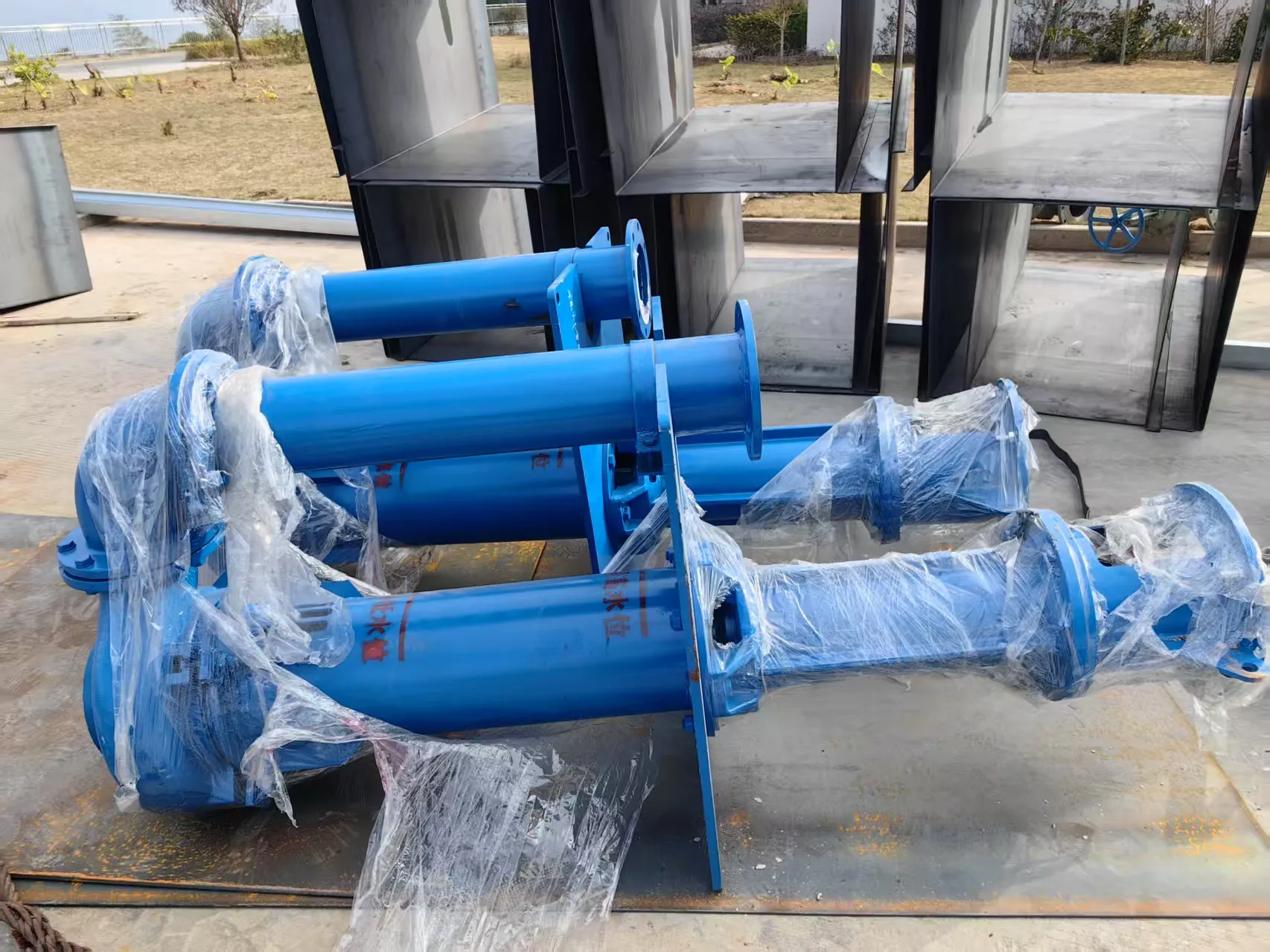
Submersible sand dredging pumps are electromechanical devices designed for the extraction and transport of sand, gravel, and other particulate matter from submerged environments. These pumps occupy a critical position within the dredging industry, enabling operations in river dredging, harbor maintenance, pipeline construction, and mineral extraction. Unlike traditional dredging methods reliant on surface-mounted pumps and suction lines, submersible pumps offer several key advantages, including reduced suction lift, improved efficiency in challenging sediment conditions, and minimized environmental disturbance. Core performance characteristics are defined by solids handling capacity (expressed in kg/m³ or lbs/ft³), discharge head (measured in meters or feet), pump speed (RPM), and overall power consumption (kW or HP). Addressing the key pain point of inefficient sediment removal and costly downtime in aquatic environments, submersible pumps represent a significant advancement in dredging technology. Their ability to operate directly on the seabed minimizes turbulence and ensures consistent material intake, even with highly abrasive or concentrated sediment loads.
Material Science & Manufacturing
The construction of submersible sand dredging pumps necessitates a careful selection of materials to withstand the corrosive and abrasive nature of the dredged material. Pump casings are commonly manufactured from high-chromium cast iron (typically 26-35% Cr) offering exceptional wear resistance. Impellers, directly exposed to the abrasive slurry, utilize materials such as high-chromium alloys, hardened stainless steels (e.g., 304L, 316L), or even ceramic composites for extreme applications. Shafts are typically forged from alloy steels (e.g., 4140, 4340) subjected to heat treatment to achieve high tensile strength and fatigue resistance. Seals are critical components, often utilizing mechanical seals constructed from silicon carbide or tungsten carbide faces against rubber or polymer elastomers (e.g., Viton, EPDM) to prevent ingress of abrasive particles and maintain pump efficiency. Manufacturing processes involve precision casting for complex housing geometries, CNC machining for impeller fabrication, and automated welding techniques for joining critical structural components. Parameter control during manufacturing focuses on maintaining dimensional tolerances to within ±0.1mm for rotating components, ensuring proper surface finish to minimize friction, and rigorous non-destructive testing (NDT) – including radiographic inspection and ultrasonic testing – to detect internal flaws in castings and welds. The selection of rubber liners and coatings is crucial, with natural rubber and polyurethane proving effective in mitigating abrasion and impact damage, but with varying degrees of resistance to specific chemical environments.
Performance & Engineering
The performance of submersible sand dredging pumps is governed by a complex interplay of hydraulic principles and mechanical engineering considerations. Force analysis centers on quantifying the shear stress exerted by the abrasive slurry on the impeller vanes and the internal stresses within the pump casing due to fluid pressure. Cavitation, a significant concern, occurs when the absolute pressure at the impeller inlet falls below the vapor pressure of the fluid, leading to the formation and collapse of vapor bubbles which cause erosion damage. Pump design actively mitigates cavitation through careful impeller geometry optimization and maintaining adequate Net Positive Suction Head Available (NPSHA). Environmental resistance is paramount, requiring robust sealing systems to prevent water ingress into the motor and electrical components. Corrosion protection is achieved through the application of specialized coatings (e.g., epoxy, polyurethane) and cathodic protection systems utilizing sacrificial anodes (e.g., zinc, aluminum). Compliance with industry standards – such as ISO 14811 for hydraulic performance and ISO 8508 for electrical safety – is essential. Furthermore, the pump’s hydrodynamic design directly impacts its efficiency, with impeller blade angles, vane number, and volute geometry optimized to maximize head and flow rate while minimizing energy consumption. The selection of the appropriate pump size is critical; undersizing results in inefficient dredging, while oversizing leads to excessive power consumption and potential damage to the pump.
Technical Specifications
| Parameter | Unit | Typical Range (Small Pump) | Typical Range (Large Pump) |
|---|---|---|---|
| Discharge Diameter | inches | 2-4 | 8-12 |
| Maximum Flow Rate | m³/hr | 50-150 | 500-1500 |
| Maximum Head | meters | 10-30 | 50-100 |
| Solids Handling Capacity | kg/m³ | 50-100 | 150-250 |
| Motor Power | kW | 7.5-15 | 75-150 |
| Maximum Submergence Depth | meters | 20-40 | 100-200 |
Failure Mode & Maintenance
Submersible sand dredging pumps are susceptible to various failure modes in practical applications. Fatigue cracking of the impeller vanes, induced by repeated stress from abrasive particles, is a common issue. Delamination of protective coatings due to poor adhesion or corrosion can accelerate wear. Cavitation erosion, as previously mentioned, leads to pitting and material loss on the impeller and casing. Mechanical seal failure, stemming from abrasive particle ingress or thermal expansion/contraction, causes leakage and efficiency loss. Motor winding failure due to overheating or moisture ingress is also observed. Oxidation and corrosion of metallic components, particularly in saltwater environments, can reduce structural integrity. Preventive maintenance is crucial, including regular inspection of impellers and casings for wear, replacement of mechanical seals at scheduled intervals, monitoring of motor temperature and electrical parameters, and periodic application of protective coatings. Lubrication of bearings is essential to reduce friction and prevent premature failure. Failure analysis should involve visual inspection, metallographic examination of fractured components, and analysis of the dredged material composition to identify the root cause of failures and implement corrective actions. Implementing a vibration monitoring program can provide early warning signs of bearing wear or impeller imbalance.
Industry FAQ
Q: What is the impact of the specific gravity of the dredged material on pump performance?
A: Higher specific gravity materials (e.g., iron ore) require more power to lift and transport, reducing the pump’s flow rate and increasing energy consumption. Pump selection must account for the material’s density, and potentially require a larger motor or a more efficient impeller design. The pump’s hydraulic calculations are directly affected by the fluid density, requiring adjustments to head and power estimations.
Q: How does the particle size distribution of the dredged material affect pump wear?
A: Larger particle sizes and a wider particle size distribution increase the rate of abrasive wear on the impeller, casing, and seals. Pumps designed for handling coarser materials typically incorporate harder wear-resistant alloys and larger clearances. Regular monitoring of wear rates and implementing appropriate abrasion mitigation strategies are essential.
Q: What are the primary considerations for selecting a pump’s electrical cable length and type?
A: Cable length is limited by voltage drop, which impacts motor performance and efficiency. Longer cables require larger conductor sizes to minimize resistance. Cable type must be suitable for submersible operation, with a waterproof jacket and adequate insulation. Consideration should also be given to the cable’s resistance to abrasion and chemical attack.
Q: What methods are used to prevent overheating in submersible motors?
A: Effective cooling is crucial. Submersible motors rely on oil-filled compartments to dissipate heat. Proper oil level and quality are essential. Some designs incorporate internal cooling passages and external cooling jackets. Motor speed control and overload protection are also implemented to prevent overheating.
Q: What are the common methods for dealing with pump blockages caused by large debris?
A: Implementing intake screens or trash racks can prevent large debris from entering the pump. Some pumps feature self-priming capabilities and are designed to handle occasional blockages. In severe cases, the pump may need to be retrieved and manually cleared of obstructions. Regularly inspecting and cleaning the intake area is a proactive measure.
Conclusion
Submersible sand dredging pumps represent a sophisticated engineering solution for efficient sediment removal in diverse aquatic environments. Their performance is fundamentally linked to material science, hydraulic design, and diligent maintenance practices. The selection of appropriate materials – high-chromium alloys, hardened stainless steels, and robust sealing materials – is paramount to withstand the abrasive and corrosive nature of the dredged material. Optimizing pump performance requires a thorough understanding of hydraulic principles, including cavitation mitigation, head loss calculations, and solids handling capacity.
Looking forward, advancements in pump technology will likely focus on improved impeller designs for higher efficiency, the development of more wear-resistant materials, and the integration of smart sensors for real-time monitoring of pump performance and predictive maintenance. The increasing emphasis on environmental sustainability will drive demand for pumps with reduced energy consumption and minimal disturbance to aquatic ecosystems. Continuous monitoring of operational data and adherence to established maintenance schedules are vital to maximizing pump lifespan and ensuring reliable dredging operations.
-
Precision at the Pump: How Better Machining Protects Flow and Uptime
News2026-11-20
-
Why Pump Reliability Begins Before the First Drop of Fluid
News2026-11-20
-
Beyond the Pump: Designing Safer Access Around Critical Water Infrastructure
News2026-11-20
-
Why Pumping Stations Depend on the Infrastructure Beneath the Pumps
News2026-11-20
-
Beyond the Pump Room: How Smarter Loading Protects Industrial Equipment
News2026-11-19
-
When Pumps Stop: Designing More Resilient Power for Critical Pumping Systems
News2026-11-19
-
The Hidden Role of Dust and Gas Monitoring in Reliable Pump Operations
News2026-11-19
-
The Hidden Role of Mineral Compounds in Extending Industrial Pump Lifespan
News2026-10-12
-
Why Pump System Reliability Depends on Precision Hose Assembly Methods
News2026-09-15
-
How Advanced Imaging Films Are Transforming Pump Component Quality Control
News2026-08-25
-
How Advanced Filtration Protects Pump Systems from Premature Wear and Costly Downtime
News2026-08-25
-
How Steel Material Selection Drives Pump Reliability in Heavy-Duty Systems
News2026-08-25
-
Ensuring Pump System Efficiency: The Role of High-Quality Pipe Fittings and Tubing
News2026-08-24
-
Optimizing Fluid Dynamics and Material Consistency in Industrial Processing
News2026-08-18
-
Innovations and Challenges in Hydraulic Systems for Heavy Machinery
News2026-08-13




