English
- Afrikaans
- Albanian
- Amharic
- Arabic
- Armenian
- Azerbaijani
- Basque
- Belarusian
- Bengali
- Bosnian
- Bulgarian
- Catalan
- Cebuano
- Corsican
- Croatian
- Czech
- Danish
- Dutch
- English
- Esperanto
- Estonian
- Finnish
- French
- Frisian
- Galician
- Georgian
- German
- Greek
- Gujarati
- Haitian Creole
- hausa
- hawaiian
- Hebrew
- Hindi
- Miao
- Hungarian
- Icelandic
- igbo
- Indonesian
- irish
- Italian
- Japanese
- Javanese
- Kannada
- kazakh
- Khmer
- Rwandese
- Korean
- Kurdish
- Kyrgyz
- Lao
- Latin
- Latvian
- Lithuanian
- Luxembourgish
- Macedonian
- Malgashi
- Malay
- Malayalam
- Maltese
- Maori
- Marathi
- Mongolian
- Myanmar
- Nepali
- Norwegian
- Norwegian
- Occitan
- Pashto
- Persian
- Polish
- Portuguese
- Punjabi
- Romanian
- Russian
- Samoan
- Scottish Gaelic
- Serbian
- Sesotho
- Shona
- Sindhi
- Sinhala
- Slovak
- Slovenian
- Somali
- Spanish
- Sundanese
- Swahili
- Swedish
- Tagalog
- Tajik
- Tamil
- Tatar
- Telugu
- Thai
- Turkish
- Turkmen
- Ukrainian
- Urdu
- Uighur
- Uzbek
- Vietnamese
- Welsh
- Bantu
- Yiddish
- Yoruba
- Zulu

Telephone: +86 13120555503
Email: frank@cypump.com


Apr . 01, 2024 17:55 Back to list
submersible pump with agitator Material Science Manufacturing
Introduction
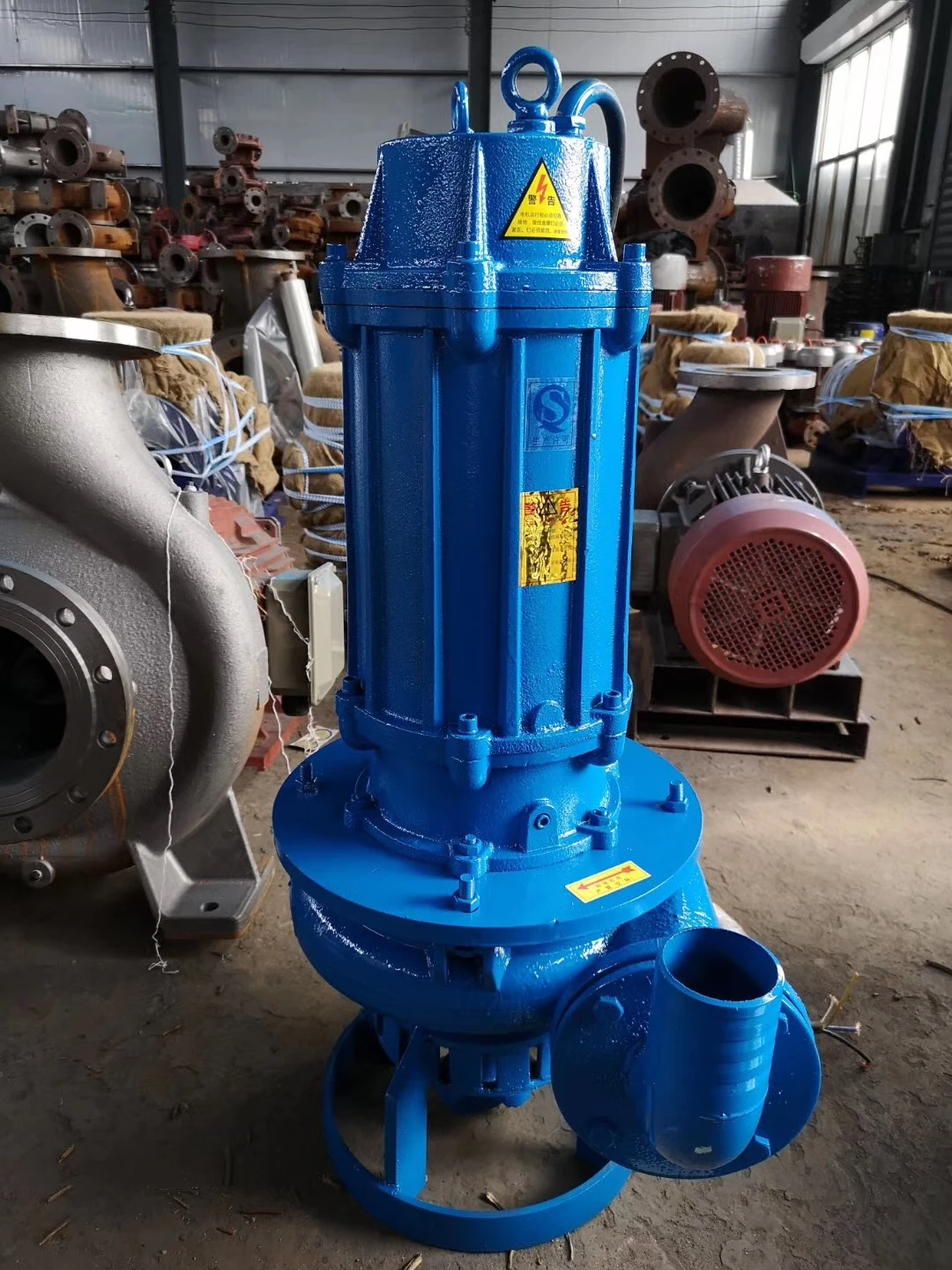
Submersible pumps with agitators are electromechanical devices designed for efficient fluid transfer and solids suspension in submerged applications. Positioned within the liquid being pumped, these pumps eliminate the need for surface priming and offer robust performance in challenging environments. Their primary function centers around preventing solids accumulation, maintaining homogeneity within the fluid, and effectively transferring the mixture. Industrially, these pumps are critical components in wastewater treatment plants, mining operations, chemical processing, and various industrial effluent handling systems. Core performance metrics include flow rate (m³/hr), head (m), motor power (kW), solids handling capability (mm), and overall pump efficiency (%). The increasing demand for reliable and energy-efficient fluid handling solutions is driving innovation in agitator design and pump materials, leading to advancements in overall system performance and longevity.
Material Science & Manufacturing
The construction of submersible pumps with agitators relies on a carefully selected suite of materials to withstand corrosive environments and abrasive media. Pump casings are commonly fabricated from ductile iron (ASTM A536-83) due to its high tensile strength and resistance to cracking. Impellers, the rotating components responsible for fluid acceleration, are typically constructed from high-chrome cast iron (e.g., 15CrMo) offering exceptional abrasion resistance, particularly when handling slurry or wastewater containing suspended solids. Shafts are generally manufactured from stainless steel alloys, such as 316L or Duplex stainless steel (ASTM A938), to provide corrosion resistance and mechanical strength. Seals utilize materials like silicon carbide (SiC) against SiC or tungsten carbide (WC) faces, offering superior wear resistance and chemical compatibility. Agitators themselves are typically constructed from similar stainless steel alloys or high-strength polymers, depending on the application’s chemical composition and abrasive potential.
Manufacturing processes involve several key stages. Casing production typically uses sand casting followed by machining to achieve precise dimensions and surface finishes. Impellers are created via investment casting, enabling complex geometries and intricate blade designs. Shafts undergo precision machining and heat treatment to enhance their mechanical properties. Pump assembly involves rigorous quality control checks at each stage, including hydrostatic testing to verify casing integrity and dynamic balancing of the impeller-shaft assembly to minimize vibration. Agitator blade manufacturing uses sheet metal forming or injection molding (for polymer blades), followed by welding or bonding to the agitator hub. Motor housing fabrication typically uses aluminum die-casting. Finally, the entire assembly undergoes thorough testing, including performance curves and electrical safety inspections.
Performance & Engineering
The performance of a submersible pump with agitator is intricately tied to hydraulic design and mechanical engineering principles. Force analysis considers radial and axial thrust loads generated by the impeller, requiring robust bearing systems and shaft support to prevent premature failure. Cavitation, a primary concern in pump operation, is mitigated through careful impeller design and optimized inlet conditions. Environmental resistance is addressed through material selection and protective coatings. For instance, pumps operating in seawater environments require materials resistant to chloride corrosion. Compliance requirements, such as those outlined in ISO 9906:2012 (Rotary pumps – Performance test codes) and API 610 (Centrifugal pumps – Required mechanical performance), dictate rigorous testing procedures and performance criteria. The agitator's design plays a crucial role in maintaining solids suspension. Agitator power input, blade pitch, and rotational speed are carefully calculated to generate sufficient shear force and prevent settling of solids. Proper agitator placement and impeller-to-tank clearances are essential for optimal mixing efficiency. The selection of the appropriate agitator type (e.g., axial flow, radial flow) depends on the specific fluid characteristics and solids concentration.
Motor cooling is a vital engineering consideration. Submersible motors rely on oil-filled compartments to dissipate heat. Oil selection must consider thermal conductivity, dielectric strength, and compatibility with pump materials. The pump's hydraulic design must ensure adequate oil circulation to prevent overheating. Furthermore, cable design and sealing are critical to preventing water ingress and electrical short circuits. Cable materials are selected for flexibility, abrasion resistance, and chemical compatibility.
Technical Specifications
| Parameter | Unit | Typical Value (Range) | Testing Standard |
|---|---|---|---|
| Flow Rate | m³/hr | 50 – 1500 | ISO 9906:2012 |
| Total Head | m | 10 – 80 | ISO 9906:2012 |
| Motor Power | kW | 1.5 – 150 | IEC 60034 |
| Solids Handling Capacity | mm | Up to 75 | Internal Testing |
| Pump Efficiency | % | 60 – 85 | ISO 9906:2012 |
| Maximum Submergence Depth | m | Up to 20 | Manufacturer Specification |
Failure Mode & Maintenance
Submersible pumps with agitators are susceptible to various failure modes. Fatigue cracking in the impeller or shaft can occur due to cyclical loading and stress concentration. Corrosion, particularly in aggressive chemical environments, can lead to casing degradation and seal failure. Abrasion from suspended solids causes wear on the impeller, volute, and diffuser. Seal failure, often resulting from abrasive particles or chemical incompatibility, leads to leakage and potential motor damage. Bearing failure can occur due to inadequate lubrication, contamination, or excessive loading. Electrical failures, including motor winding burnout and cable damage, are also common. Oxidation of metallic components can lead to reduced mechanical strength and increased corrosion rates.
Preventive maintenance is crucial for maximizing pump lifespan. Regular inspection of seals, bearings, and impellers is essential. Lubrication of bearings should be performed according to manufacturer's recommendations. Monitoring of motor current and voltage can identify potential electrical issues. Periodic cleaning to remove accumulated solids prevents clogging and abrasion. Hydrostatic testing should be conducted annually to verify casing integrity. In the event of failure, a thorough failure analysis should be performed to identify the root cause and implement corrective actions. Replacement parts should meet or exceed original equipment manufacturer (OEM) specifications. Proper storage of spare parts is crucial to prevent corrosion and degradation.
Industry FAQ
Q: What is the optimal impeller material for handling highly abrasive slurries?
A: For highly abrasive slurries, high-chrome cast iron is generally the optimal impeller material. Its exceptional hardness and wear resistance significantly extend impeller life compared to other materials like ductile iron or stainless steel. The chrome content (typically 15-25%) forms hard carbides that resist abrasion from suspended solids. However, consider the slurry's chemical composition, as some chemicals may react with the chrome.
Q: How do I mitigate cavitation damage in a submersible pump with an agitator?
A: Mitigating cavitation damage involves several strategies. Ensure adequate inlet submergence to prevent vortex formation. Optimize impeller design to reduce pressure drop. Maintain a consistent fluid level in the tank. Minimize pipe friction losses on the suction side. Regularly inspect and clean the impeller for any signs of pitting or erosion. Consider using an impeller with a cavitation-resistant coating.
Q: What are the key considerations when selecting a seal material for corrosive fluids?
A: Seal material selection requires careful consideration of the fluid’s chemical composition, temperature, and pressure. Silicon carbide (SiC) is often the preferred material for corrosive fluids due to its excellent chemical resistance. Fluorocarbon elastomers (e.g., Viton) are commonly used for O-rings and gaskets. Ensure the seal material is compatible with the fluid to prevent swelling, degradation, or cracking. Refer to chemical compatibility charts for specific fluid-material combinations.
Q: How does the agitator’s design affect the pump’s overall performance?
A: The agitator’s design directly impacts solids suspension and pump efficiency. The type of agitator (axial, radial, pitched blade) must be chosen based on the fluid’s viscosity, solids concentration, and tank geometry. Proper agitator power input and rotational speed are essential for maintaining homogeneity and preventing settling. Incorrect agitator design can lead to increased power consumption, reduced pump efficiency, and premature wear.
Q: What is the recommended maintenance schedule for a submersible pump motor?
A: A typical maintenance schedule includes monthly visual inspections for leaks or damage, quarterly checks of motor current and voltage, annual oil analysis to assess oil condition and contamination levels, and a five-year motor rewind or replacement consideration. Regularly monitor bearing temperature and vibration levels. Always follow the manufacturer’s recommended maintenance guidelines.
Conclusion
Submersible pumps with agitators represent a vital technology in a diverse range of industrial applications, excelling in challenging fluid handling scenarios. Their effectiveness hinges on a synergistic interplay between material science, robust manufacturing processes, and informed engineering design. Selecting appropriate materials, optimizing agitator characteristics for solids suspension, and adhering to rigorous maintenance protocols are critical for ensuring reliable and efficient operation. Addressing potential failure modes proactively, such as cavitation and corrosion, through preventive measures significantly extends the pump’s service life and minimizes downtime.
Future advancements in this field will likely focus on developing more energy-efficient pump designs, incorporating smart monitoring systems for predictive maintenance, and utilizing advanced materials with enhanced corrosion and abrasion resistance. The integration of variable frequency drives (VFDs) will enable precise flow control and further optimize energy consumption. Continued research and development in agitator technology will lead to improved solids suspension capabilities and enhanced overall system performance, solidifying the submersible pump with agitator’s position as a cornerstone of industrial fluid handling.
-
Precision at the Pump: How Better Machining Protects Flow and Uptime
News2026-11-20
-
Why Pump Reliability Begins Before the First Drop of Fluid
News2026-11-20
-
Beyond the Pump: Designing Safer Access Around Critical Water Infrastructure
News2026-11-20
-
Why Pumping Stations Depend on the Infrastructure Beneath the Pumps
News2026-11-20
-
Beyond the Pump Room: How Smarter Loading Protects Industrial Equipment
News2026-11-19
-
When Pumps Stop: Designing More Resilient Power for Critical Pumping Systems
News2026-11-19
-
The Hidden Role of Dust and Gas Monitoring in Reliable Pump Operations
News2026-11-19
-
The Hidden Role of Mineral Compounds in Extending Industrial Pump Lifespan
News2026-10-12
-
Why Pump System Reliability Depends on Precision Hose Assembly Methods
News2026-09-15
-
How Advanced Imaging Films Are Transforming Pump Component Quality Control
News2026-08-25
-
How Advanced Filtration Protects Pump Systems from Premature Wear and Costly Downtime
News2026-08-25
-
How Steel Material Selection Drives Pump Reliability in Heavy-Duty Systems
News2026-08-25
-
Ensuring Pump System Efficiency: The Role of High-Quality Pipe Fittings and Tubing
News2026-08-24
-
Optimizing Fluid Dynamics and Material Consistency in Industrial Processing
News2026-08-18
-
Innovations and Challenges in Hydraulic Systems for Heavy Machinery
News2026-08-13




