English
- Afrikaans
- Albanian
- Amharic
- Arabic
- Armenian
- Azerbaijani
- Basque
- Belarusian
- Bengali
- Bosnian
- Bulgarian
- Catalan
- Cebuano
- Corsican
- Croatian
- Czech
- Danish
- Dutch
- English
- Esperanto
- Estonian
- Finnish
- French
- Frisian
- Galician
- Georgian
- German
- Greek
- Gujarati
- Haitian Creole
- hausa
- hawaiian
- Hebrew
- Hindi
- Miao
- Hungarian
- Icelandic
- igbo
- Indonesian
- irish
- Italian
- Japanese
- Javanese
- Kannada
- kazakh
- Khmer
- Rwandese
- Korean
- Kurdish
- Kyrgyz
- Lao
- Latin
- Latvian
- Lithuanian
- Luxembourgish
- Macedonian
- Malgashi
- Malay
- Malayalam
- Maltese
- Maori
- Marathi
- Mongolian
- Myanmar
- Nepali
- Norwegian
- Norwegian
- Occitan
- Pashto
- Persian
- Polish
- Portuguese
- Punjabi
- Romanian
- Russian
- Samoan
- Scottish Gaelic
- Serbian
- Sesotho
- Shona
- Sindhi
- Sinhala
- Slovak
- Slovenian
- Somali
- Spanish
- Sundanese
- Swahili
- Swedish
- Tagalog
- Tajik
- Tamil
- Tatar
- Telugu
- Thai
- Turkish
- Turkmen
- Ukrainian
- Urdu
- Uighur
- Uzbek
- Vietnamese
- Welsh
- Bantu
- Yiddish
- Yoruba
- Zulu

Telephone: +86 13120555503
Email: frank@cypump.com


Apr . 01, 2024 17:55 Back to list
submersible pump for sludge Performance Engineering
Introduction
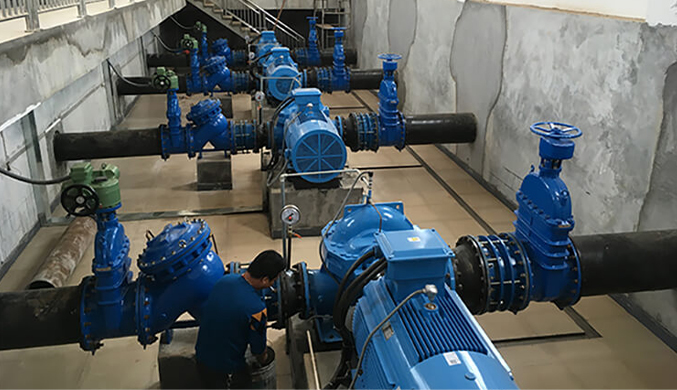
Submersible pumps for sludge represent a critical component in wastewater treatment, industrial effluent management, and various other applications requiring the transport of semi-solid or highly viscous materials. Unlike conventional pumps, submersible pumps are designed to operate while fully immersed in the fluid being pumped, eliminating the need for priming and offering inherent advantages in handling solids-laden liquids. Their technical position within the industrial chain is as a downstream processing element, receiving pre-treated or raw sludge from processes like sedimentation, anaerobic digestion, and screening. Core performance metrics for these pumps center around solids handling capacity (expressed as percent solids by weight or diameter of transportable particles), flow rate (m³/hr), head (meters), power consumption (kW), and abrasion resistance, all of which are paramount in maintaining operational efficiency and minimizing downtime in demanding environments. The primary pain point in the industry revolves around pump wear due to abrasive solids, clogging, and the corrosive nature of many sludge compositions, leading to frequent maintenance and reduced lifespan. Selection criteria thus prioritize materials resistant to corrosion and erosion, alongside hydraulic designs optimized for solids passage.
Material Science & Manufacturing
The construction of submersible pumps for sludge demands specific material selections to withstand the harsh operating conditions. Pump housings are commonly constructed from cast iron (ASTM A48 Class 30) offering good strength and cost-effectiveness, though for highly corrosive sludge, stainless steel (316L, meeting ASTM A240) or specialized alloys like duplex stainless steel are employed. Impellers, responsible for imparting kinetic energy to the sludge, are often manufactured from high-chrome cast iron (typically containing 13-28% chromium) to resist abrasive wear. Mechanical seals, critical for preventing leakage around the motor shaft, utilize materials like silicon carbide (SiC) against SiC, or tungsten carbide (WC) against SiC faces, paired with elastomers like Viton (fluoroelastomer) or EPDM for chemical compatibility. Manufacturing processes vary based on component. Housings are typically produced via sand casting, followed by machining to precise tolerances. Impellers are often produced through investment casting for complex geometries and improved surface finish. Shafts are forged from alloy steel (e.g., 4140, conforming to ASTM A383) and hardened to enhance fatigue resistance. The motor housing is generally aluminum alloy, and the winding insulation must meet stringent standards like IEC 60034-18-41 for submersible motor insulation systems. Key parameter control during manufacturing includes dimensional accuracy of impeller vanes (critical for hydraulic efficiency), surface roughness of the housing (influences flow characteristics and solids deposition), and seal face flatness (essential for leak prevention). Welding, if used in assembly, must adhere to AWS D1.1 standards for structural welding.
Performance & Engineering
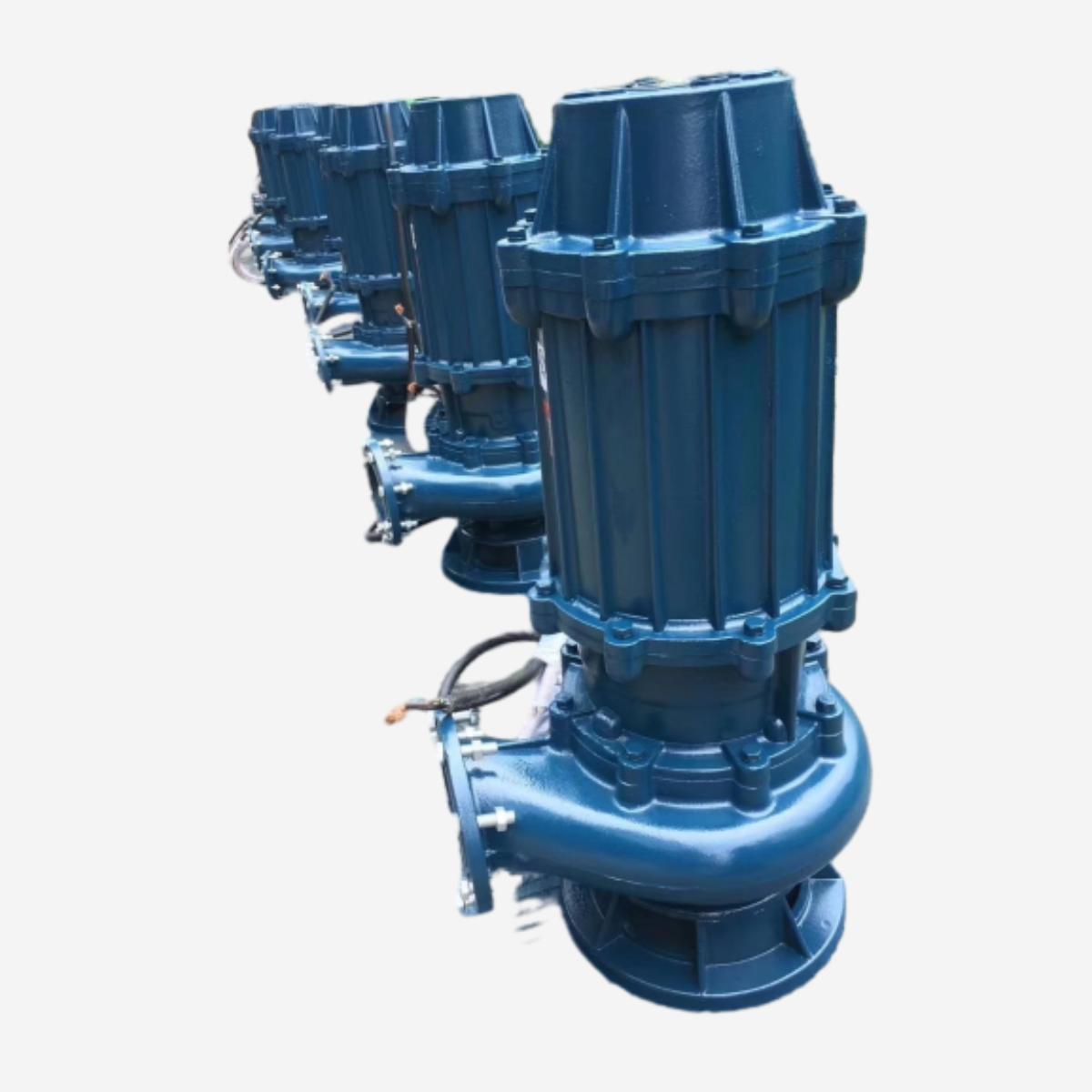
Performance of submersible sludge pumps is heavily influenced by hydraulic design and motor characteristics. Force analysis focuses on radial loads imparted by the impeller onto the bearings and shaft, and axial thrust generated by unbalanced hydraulic pressures. Proper bearing selection (typically deep groove ball bearings or tapered roller bearings, meeting ISO 28119) and shaft support are vital to mitigate these forces. Environmental resistance is crucial; pumps must withstand continuous immersion in corrosive liquids, often containing sulfides, chlorides, and organic acids. Pump materials selection directly addresses this. Compliance requirements include adherence to CE marking for European markets (EN 60079 for explosion-proof designs if applicable), and potentially UL listing for North American markets. Hydraulic designs often incorporate vortex or recessed impeller configurations to maximize solids handling capability. These designs reduce the likelihood of clogging by allowing large particles to pass through the impeller without impacting the vanes directly. Pump curves, generated through hydraulic testing per ISO 9906, define the pump’s performance characteristics (flow rate vs. head) at various operating points. The motor's efficiency (meeting IE3 or IE4 standards per IEC 60034-30) dictates power consumption and operating costs. Cable selection is also critical, utilizing materials like EPR (ethylene propylene rubber) insulation and SBR (styrene-butadiene rubber) jackets for abrasion and chemical resistance, conforming to IEC 60502.
Technical Specifications
| Parameter | Unit | Typical Value (Small Pump) | Typical Value (Large Pump) |
|---|---|---|---|
| Flow Rate | m³/hr | 5-20 | 100-500 |
| Total Head | m | 10-30 | 50-120 |
| Motor Power | kW | 1.5-4 | 15-45 |
| Solids Handling Capacity | mm | Up to 50 | Up to 100 |
| Maximum Submergence | m | 20 | 50 |
| Pump Housing Material | - | Cast Iron (A48 Cl. 30) | Stainless Steel (316L) |
Failure Mode & Maintenance
Submersible sludge pumps are susceptible to several failure modes. Fatigue cracking in the pump housing can occur due to cyclic loading and corrosive attack, particularly in areas around welds. Delamination of impeller coatings (often epoxy or polyurethane) is common due to abrasion from solids and chemical degradation. Clogging of the impeller or volute by rags, debris, or solidified sludge leads to reduced flow and increased motor load. Oxidation and corrosion of metallic components, especially in sulfide-rich environments, reduce material strength and lead to leakage. Seal failure is a frequent issue, resulting from abrasive particles damaging the seal faces or chemical attack degrading the elastomer components. Maintenance solutions involve regular inspection of seals, bearings, and impeller for wear. Preventive maintenance schedules should include flushing the pump with clean water to remove accumulated solids. Implementing a vibration analysis program (ISO 10816) can detect bearing wear early on. Periodic coating repair or replacement of the impeller is recommended. For corrosion issues, cathodic protection systems can be considered. Routine monitoring of motor current and voltage provides insights into pump performance and potential problems. When performing repairs, strict adherence to safety procedures, including lockout/tagout, is essential.
Industry FAQ
Q: What is the optimal impeller design for handling sludge with a high concentration of long fibers?
A: For sludge containing long fibers, a recessed impeller design is generally preferred. Recessed impellers have a larger gap between the impeller vanes and the volute, reducing the likelihood of fiber wrapping and clogging. Vortex impellers are also effective, creating a swirling flow that draws sludge into the pump without significant shearing forces, minimizing fiber breakage.
Q: How do I select the appropriate cable for a submersible sludge pump, considering the potential for abrasion and chemical exposure?
A: Cable selection is critical. Opt for a cable with EPR insulation and an SBR jacket specifically designed for submersible applications. Ensure the cable is rated for the operating voltage and current of the pump. The cable diameter should be sufficient to handle the mechanical stress and abrasion. Regularly inspect the cable for damage and replace it if necessary.
Q: What measures can be taken to mitigate the risk of corrosion in a highly sulfide-containing sludge?
A: Corrosion in sulfide-rich sludge requires a multi-faceted approach. Utilize corrosion-resistant materials like duplex stainless steel or special alloys. Consider applying protective coatings to the pump housing and impeller. Implementing cathodic protection can significantly reduce corrosion rates. Regular monitoring of corrosion potential and visual inspection are essential.
Q: What is the expected lifespan of a submersible sludge pump, and what factors influence it?
A: The expected lifespan varies widely based on application severity. Typically, a well-maintained pump can operate for 5-10 years. Factors influencing lifespan include solids concentration, solids size and abrasiveness, sludge corrosivity, frequency of start/stop cycles, and adherence to preventive maintenance schedules. Proper material selection and hydraulic design significantly extend lifespan.
Q: How can I diagnose a reduction in pump performance without physically removing the pump from the sludge?
A: Monitoring motor current and voltage is a valuable diagnostic tool. Increased current draw indicates increased load, potentially due to clogging or impeller wear. Vibration analysis can detect bearing wear. Observing trends in flow rate (if instrumentation is present) can also indicate performance degradation. Listening for unusual noises can provide clues to the source of the problem.
Conclusion
Submersible pumps for sludge are integral to efficient wastewater and industrial processing, demanding careful consideration of material science, hydraulic design, and operational environment. The inherent challenges of handling abrasive, corrosive, and often fibrous materials necessitate robust construction, diligent maintenance, and informed selection criteria. Properly specifying a pump – focusing on solids handling capacity, corrosion resistance, and mechanical seal reliability – is critical to maximizing uptime and minimizing life-cycle costs.
Future advancements in submersible pump technology will likely focus on improved abrasion resistance through novel coating materials, more sophisticated impeller designs optimized for specific sludge compositions, and the integration of smart sensors for predictive maintenance. The development of more energy-efficient motors and variable frequency drives (VFDs) will further reduce operating costs and environmental impact. A continued emphasis on standardization and adherence to stringent quality control protocols will ensure the long-term performance and reliability of these critical pieces of industrial equipment.
-
Precision at the Pump: How Better Machining Protects Flow and Uptime
News2026-11-20
-
Why Pump Reliability Begins Before the First Drop of Fluid
News2026-11-20
-
Beyond the Pump: Designing Safer Access Around Critical Water Infrastructure
News2026-11-20
-
Why Pumping Stations Depend on the Infrastructure Beneath the Pumps
News2026-11-20
-
Beyond the Pump Room: How Smarter Loading Protects Industrial Equipment
News2026-11-19
-
When Pumps Stop: Designing More Resilient Power for Critical Pumping Systems
News2026-11-19
-
The Hidden Role of Dust and Gas Monitoring in Reliable Pump Operations
News2026-11-19
-
The Hidden Role of Mineral Compounds in Extending Industrial Pump Lifespan
News2026-10-12
-
Why Pump System Reliability Depends on Precision Hose Assembly Methods
News2026-09-15
-
How Advanced Imaging Films Are Transforming Pump Component Quality Control
News2026-08-25
-
How Advanced Filtration Protects Pump Systems from Premature Wear and Costly Downtime
News2026-08-25
-
How Steel Material Selection Drives Pump Reliability in Heavy-Duty Systems
News2026-08-25
-
Ensuring Pump System Efficiency: The Role of High-Quality Pipe Fittings and Tubing
News2026-08-24
-
Optimizing Fluid Dynamics and Material Consistency in Industrial Processing
News2026-08-18
-
Innovations and Challenges in Hydraulic Systems for Heavy Machinery
News2026-08-13




