English
- Afrikaans
- Albanian
- Amharic
- Arabic
- Armenian
- Azerbaijani
- Basque
- Belarusian
- Bengali
- Bosnian
- Bulgarian
- Catalan
- Cebuano
- Corsican
- Croatian
- Czech
- Danish
- Dutch
- English
- Esperanto
- Estonian
- Finnish
- French
- Frisian
- Galician
- Georgian
- German
- Greek
- Gujarati
- Haitian Creole
- hausa
- hawaiian
- Hebrew
- Hindi
- Miao
- Hungarian
- Icelandic
- igbo
- Indonesian
- irish
- Italian
- Japanese
- Javanese
- Kannada
- kazakh
- Khmer
- Rwandese
- Korean
- Kurdish
- Kyrgyz
- Lao
- Latin
- Latvian
- Lithuanian
- Luxembourgish
- Macedonian
- Malgashi
- Malay
- Malayalam
- Maltese
- Maori
- Marathi
- Mongolian
- Myanmar
- Nepali
- Norwegian
- Norwegian
- Occitan
- Pashto
- Persian
- Polish
- Portuguese
- Punjabi
- Romanian
- Russian
- Samoan
- Scottish Gaelic
- Serbian
- Sesotho
- Shona
- Sindhi
- Sinhala
- Slovak
- Slovenian
- Somali
- Spanish
- Sundanese
- Swahili
- Swedish
- Tagalog
- Tajik
- Tamil
- Tatar
- Telugu
- Thai
- Turkish
- Turkmen
- Ukrainian
- Urdu
- Uighur
- Uzbek
- Vietnamese
- Welsh
- Bantu
- Yiddish
- Yoruba
- Zulu

Telephone: +86 13120555503
Email: frank@cypump.com


Apr . 01, 2024 17:55 Back to list
submersible dredge pump Material Science Manufacturing
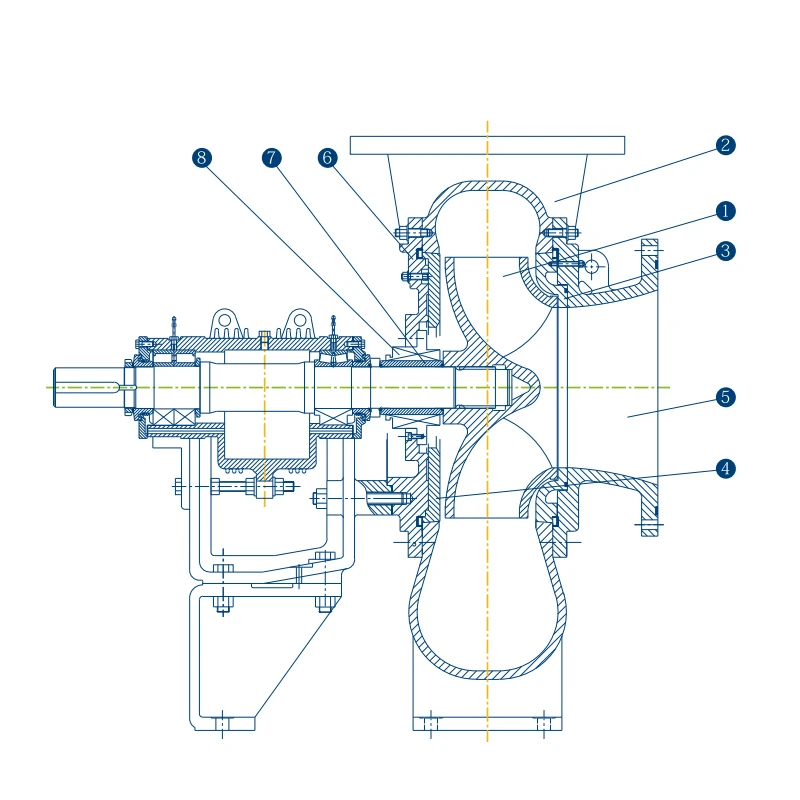
Introduction
Submersible dredge pumps are centrifugal pumps specifically designed for submerged operation, utilized in excavating and transferring sediment, sludge, and debris from underwater environments. Positioned within the dredging industry’s material handling chain, they represent a critical component for applications including waterway maintenance, mining, tunnel construction, and environmental remediation. Their core performance characteristics center around high solids handling capacity, abrasion resistance, and efficient hydraulic design, differentiating them from standard centrifugal pumps. A primary industry pain point is balancing pumping efficiency with minimizing abrasive wear – a direct challenge to operational longevity and cost-effectiveness. Pump selection requires careful consideration of solids concentration, slurry density, and the presence of potentially corrosive substances. Furthermore, the electrical and mechanical integrity of submerged systems pose significant engineering challenges, demanding robust sealing mechanisms and corrosion-resistant materials.
Material Science & Manufacturing
The construction of a submersible dredge pump relies heavily on specific material properties to withstand the harsh underwater environment. Pump casings are commonly manufactured from high-chromium cast iron (typically 27-30% Cr) offering exceptional abrasion resistance against sand and gravel. Impellers, experiencing the highest erosive forces, often utilize alloys like EN-XCr13 or specialized polyurethane coatings. Shafts are constructed from high-strength alloy steels (e.g., 4340) and undergo induction hardening to maximize torsional strength and prevent fatigue failure. Seals are critically important; silicon carbide mechanical seals are preferred for their hardness and chemical inertness, providing reliable sealing against water ingress and abrasive particle intrusion. Manufacturing involves several key processes. Casting forms the basic pump housing and impeller shapes. Precision machining is essential for impeller balancing and casing alignment. Welding is used for joining components and applying wear-resistant overlays. Finally, rigorous quality control, including non-destructive testing (NDT) such as radiographic inspection and ultrasonic testing, ensures structural integrity. Parameter control during casting dictates the microstructure, influencing hardness and toughness. Welding parameters (current, voltage, travel speed) directly affect weld metal composition and fusion quality. Surface treatments, like hard chrome plating, are applied to components subject to significant wear.
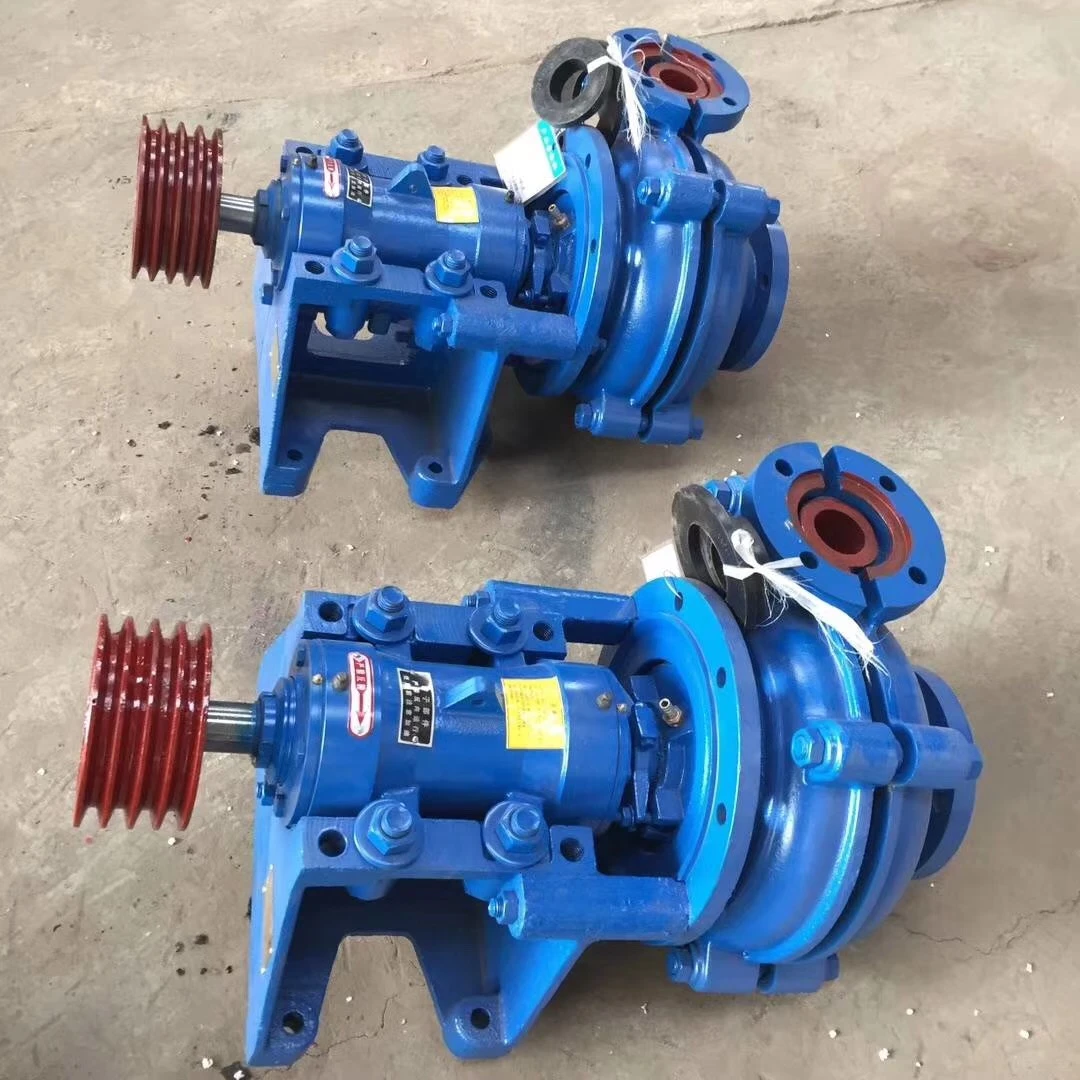
Performance & Engineering
The performance of a submersible dredge pump is governed by several engineering principles. Hydraulic design focuses on maximizing pump efficiency and solids handling capability. This involves optimizing impeller geometry (blade angle, number of blades) and volute casing shape to minimize hydraulic losses. Force analysis considers the hydrostatic pressure acting on the pump casing, the dynamic forces generated by the impeller, and the reaction forces from the slurry flow. These forces are critical for structural design and bearing selection. Environmental resistance is paramount. Corrosion prevention is achieved through material selection (stainless steel, epoxy coatings) and cathodic protection systems. The pump’s electrical components must be fully sealed to prevent water ingress and short circuits; oil-filled cable terminations and pressure-compensated housings are commonplace. Compliance requirements dictate adherence to safety standards (IEC 60034-8 for submersible motors) and environmental regulations (discharge permits for dredged material). The pump’s power cable and hose connections must withstand significant tensile and bending stresses during operation. Strain relief mechanisms and flexible connectors are essential to prevent cable damage. Proper pump selection considers the Total Dynamic Head (TDH) – the total head the pump must overcome, factoring in friction losses in the discharge pipeline and elevation changes.
Technical Specifications
| Parameter | Unit | Typical Range (Small Dredge Pump) | Typical Range (Large Dredge Pump) |
|---|---|---|---|
| Discharge Diameter | inches | 2-4 | 8-12 |
| Flow Rate | GPM (Gallons per Minute) | 100-300 | 1000-3000 |
| Total Dynamic Head | feet | 50-100 | 150-300 |
| Motor Power | HP (Horsepower) | 10-25 | 100-250 |
| Maximum Solids Handling | inches | 1-2 | 4-6 |
| Maximum Slurry Density | lbs/ft³ | 30-50 | 60-80 |
Failure Mode & Maintenance
Submersible dredge pumps are susceptible to several failure modes. Fatigue cracking can occur in the pump casing and impeller due to cyclic loading and stress concentrations. Delamination of protective coatings (e.g., epoxy, rubber) can accelerate corrosion and wear. Abrasive wear, particularly on the impeller and casing, is a common issue, especially when handling high-solids content slurries. Cavitation, resulting from low suction pressure, can cause pitting and erosion of the impeller blades. Seal failures lead to water ingress and motor damage. Oxidation and corrosion of electrical components can cause short circuits and pump failure. Effective maintenance is crucial for maximizing pump life. Regular inspection of seals, bearings, and impellers is essential. Preventive maintenance should include lubricating bearings, checking cable connections, and monitoring motor temperature. Impeller replacement is typically required periodically due to abrasive wear. Casing repairs may involve welding or the application of wear-resistant coatings. Routine monitoring of pump performance (flow rate, pressure, power consumption) can detect early signs of deterioration. For seal failures, proper seal installation and compatibility with the pumped fluid are critical. Scheduled oil analysis can identify wear debris and potential bearing issues.
Industry FAQ
Q: What is the impact of slurry composition on impeller wear rates?
A: Slurry composition significantly affects impeller wear. Higher solids concentrations and harder particles (e.g., quartz, granite) lead to accelerated wear rates. Particle shape also plays a role; angular particles are more abrasive than rounded particles. The chemical composition of the slurry can induce corrosion, further exacerbating wear. Selecting impellers made from abrasion-resistant materials (high-chromium cast iron, hardened stainless steel) and utilizing wear-resistant coatings (polyurethane, tungsten carbide) are essential mitigation strategies.
Q: How do you mitigate the risk of cavitation in submersible dredge pumps?
A: Cavitation risk can be minimized by ensuring adequate Net Positive Suction Head Available (NPSHA). This involves optimizing pump placement to maximize suction pressure and minimizing suction pipeline losses. Maintaining a sufficient submergence depth is also crucial. Selecting an impeller with a suitable design for the specific application (low-specific-speed impellers are less prone to cavitation) can also help. Regular inspection for impeller pitting is essential.
Q: What are the key considerations when selecting a submersible pump cable?
A: Cable selection must prioritize electrical insulation, mechanical strength, and abrasion resistance. The cable must be rated for continuous submersion and capable of withstanding the hydrostatic pressure at the operating depth. The cable jacket material should be resistant to oil, chemicals, and UV radiation. Consider the cable diameter and flexibility requirements for ease of handling and installation. Strain relief mechanisms are essential to prevent cable damage from bending and tensile stresses.
Q: What types of seals are most effective for handling abrasive slurries?
A: Silicon carbide mechanical seals are generally the most effective for abrasive slurries due to their superior hardness and wear resistance. Double mechanical seals with a barrier fluid provide an additional layer of protection against abrasive particle intrusion. Selecting a seal material compatible with the slurry’s chemical composition is also critical. Regular seal inspection and replacement are essential maintenance procedures.
Q: How does water quality (salinity, pH) affect pump material selection?
A: Water salinity and pH significantly influence material selection. High salinity environments accelerate corrosion of carbon steel and some alloys. Low pH (acidic) water can cause aggressive corrosion. High pH (alkaline) water can also induce corrosion, particularly in aluminum alloys. Stainless steel alloys (e.g., 316, duplex stainless steel) and corrosion-resistant coatings (epoxy, polyurethane) are commonly used in challenging water conditions.
Conclusion
Submersible dredge pumps represent a complex yet vital component within the broader dredging and material handling industry. Their performance and longevity are intrinsically linked to careful material selection, precision manufacturing, and adherence to rigorous engineering principles. Balancing abrasion resistance, hydraulic efficiency, and electrical integrity remains the paramount challenge for pump designers and operators.
Future developments will likely focus on advanced materials (e.g., ceramic composites), optimized impeller designs utilizing computational fluid dynamics (CFD), and intelligent monitoring systems to predict and prevent failures. Proactive maintenance strategies, combined with improved material science, will be essential for minimizing downtime and maximizing the return on investment in these critical pieces of equipment.
-
Precision at the Pump: How Better Machining Protects Flow and Uptime
News2026-11-20
-
Why Pump Reliability Begins Before the First Drop of Fluid
News2026-11-20
-
Beyond the Pump: Designing Safer Access Around Critical Water Infrastructure
News2026-11-20
-
Why Pumping Stations Depend on the Infrastructure Beneath the Pumps
News2026-11-20
-
Beyond the Pump Room: How Smarter Loading Protects Industrial Equipment
News2026-11-19
-
When Pumps Stop: Designing More Resilient Power for Critical Pumping Systems
News2026-11-19
-
The Hidden Role of Dust and Gas Monitoring in Reliable Pump Operations
News2026-11-19
-
The Hidden Role of Mineral Compounds in Extending Industrial Pump Lifespan
News2026-10-12
-
Why Pump System Reliability Depends on Precision Hose Assembly Methods
News2026-09-15
-
How Advanced Imaging Films Are Transforming Pump Component Quality Control
News2026-08-25
-
How Advanced Filtration Protects Pump Systems from Premature Wear and Costly Downtime
News2026-08-25
-
How Steel Material Selection Drives Pump Reliability in Heavy-Duty Systems
News2026-08-25
-
Ensuring Pump System Efficiency: The Role of High-Quality Pipe Fittings and Tubing
News2026-08-24
-
Optimizing Fluid Dynamics and Material Consistency in Industrial Processing
News2026-08-18
-
Innovations and Challenges in Hydraulic Systems for Heavy Machinery
News2026-08-13




