English
- Afrikaans
- Albanian
- Amharic
- Arabic
- Armenian
- Azerbaijani
- Basque
- Belarusian
- Bengali
- Bosnian
- Bulgarian
- Catalan
- Cebuano
- Corsican
- Croatian
- Czech
- Danish
- Dutch
- English
- Esperanto
- Estonian
- Finnish
- French
- Frisian
- Galician
- Georgian
- German
- Greek
- Gujarati
- Haitian Creole
- hausa
- hawaiian
- Hebrew
- Hindi
- Miao
- Hungarian
- Icelandic
- igbo
- Indonesian
- irish
- Italian
- Japanese
- Javanese
- Kannada
- kazakh
- Khmer
- Rwandese
- Korean
- Kurdish
- Kyrgyz
- Lao
- Latin
- Latvian
- Lithuanian
- Luxembourgish
- Macedonian
- Malgashi
- Malay
- Malayalam
- Maltese
- Maori
- Marathi
- Mongolian
- Myanmar
- Nepali
- Norwegian
- Norwegian
- Occitan
- Pashto
- Persian
- Polish
- Portuguese
- Punjabi
- Romanian
- Russian
- Samoan
- Scottish Gaelic
- Serbian
- Sesotho
- Shona
- Sindhi
- Sinhala
- Slovak
- Slovenian
- Somali
- Spanish
- Sundanese
- Swahili
- Swedish
- Tagalog
- Tajik
- Tamil
- Tatar
- Telugu
- Thai
- Turkish
- Turkmen
- Ukrainian
- Urdu
- Uighur
- Uzbek
- Vietnamese
- Welsh
- Bantu
- Yiddish
- Yoruba
- Zulu

Telephone: +86 13120555503
Email: frank@cypump.com


Apr . 01, 2024 17:55 Back to list
submersible agitator pump Material Science Manufacturing
Introduction
Submersible agitator pumps are integral components in numerous industrial processes, functioning as fluid mixers and transfer devices where the pump and motor are hermetically sealed and submerged within the processed liquid. Unlike conventional pumps relying on suction, these units positively displace fluid, making them highly effective in handling viscous or shear-sensitive materials. Their application spans across chemical processing, wastewater treatment, pulp and paper manufacturing, pharmaceuticals, food & beverage production, and mining. Core performance characteristics include efficient mixing capability, reliable fluid transfer, resistance to chemical corrosion, and the ability to operate in challenging environments. A critical pain point in the industry lies in selecting materials compatible with aggressive process fluids, ensuring long-term operational reliability and minimizing downtime due to premature failure. Furthermore, maintaining efficient agitation while minimizing shear stress on sensitive fluids represents a significant engineering challenge. Effective sealing solutions are paramount to prevent leakage and maintain environmental compliance.
Material Science & Manufacturing
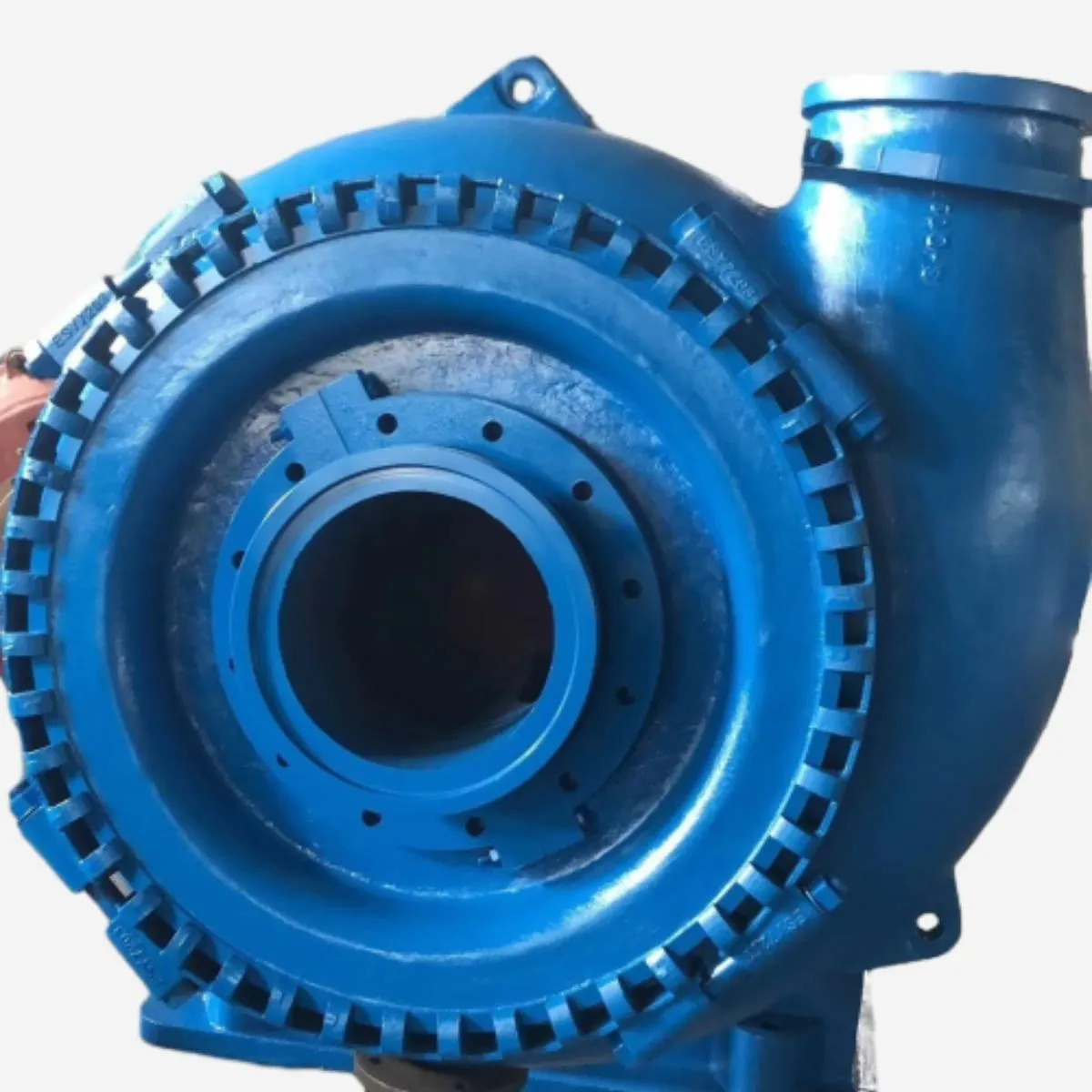
The construction of submersible agitator pumps necessitates careful material selection based on the intended application. Pump housings are frequently manufactured from stainless steel (304, 316, 316L) due to their excellent corrosion resistance. For highly corrosive environments, specialized alloys such as Hastelloy or duplex stainless steels may be employed. Impellers, the critical component for fluid agitation, are commonly cast from stainless steel, polypropylene, or engineered polymers like PVDF. Shafts are typically crafted from high-strength stainless steel alloys, often hardened for enhanced wear resistance. Seals are typically composed of materials like Viton, PTFE, or EPDM, chosen for their chemical compatibility and sealing properties. The motor housing is generally constructed from cast iron or stainless steel, providing mechanical protection and facilitating heat dissipation.
Manufacturing processes vary depending on component complexity. Pump housings are often produced via investment casting or sand casting, followed by machining to achieve precise dimensions and surface finishes. Impellers may be manufactured using injection molding for polymer materials or precision casting for metal components. Shafts undergo turning, milling, and grinding operations to meet stringent tolerance requirements. Critical parameters during manufacturing include impeller balancing to minimize vibration, weld quality inspection (where applicable), and rigorous dimensional verification using coordinate measuring machines (CMM). Seal assembly requires controlled environments to prevent contamination and ensure proper sealing performance. Motor winding and encapsulation are also crucial stages, requiring precise control of insulation materials and impregnation techniques to prevent electrical failures.
Performance & Engineering
The performance of a submersible agitator pump is dictated by several key engineering considerations. Hydraulic design focuses on optimizing impeller geometry and housing contours to maximize mixing efficiency and fluid velocity. Force analysis is critical to ensure structural integrity under operating pressures and dynamic loads. This includes evaluating stresses on the impeller, shaft, and housing. Environmental resistance is paramount, particularly concerning the ingress protection (IP) rating, defining the pump’s ability to withstand dust and water exposure. Compliance requirements, such as those related to food-grade materials (FDA) or explosion-proof operation (ATEX, IECEx), must be met depending on the application.
The pump's Net Positive Suction Head Required (NPSHr) must be carefully considered to prevent cavitation, a phenomenon that can damage the impeller and reduce pump performance. Agitation effectiveness is often evaluated using parameters such as mixing time, power number, and shear rate, tailored to the specific process requirements. Finite Element Analysis (FEA) is commonly employed to simulate stress distributions and optimize component designs. Fluid dynamics simulations (CFD) are utilized to analyze flow patterns and improve mixing efficiency. The pump's power consumption and efficiency are also crucial metrics, driving the selection of appropriately sized motors and optimized impeller designs. Proper impeller-to-tank volume ratio is also a key parameter for determining mixing effectiveness.
Technical Specifications
| Parameter | Typical Range (Small Scale) | Typical Range (Medium Scale) | Typical Range (Large Scale) |
|---|---|---|---|
| Flow Rate (m³/h) | 0.5 – 5 | 5 – 50 | 50 – 200+ |
| Head (m) | 5 – 20 | 20 – 50 | 50 – 150+ |
| Motor Power (kW) | 0.75 – 2.2 | 2.2 – 11 | 11 – 55+ |
| Impeller Diameter (mm) | 100 – 200 | 200 – 400 | 400 – 800+ |
| Maximum Submergence Depth (m) | 5 – 10 | 10 – 30 | 30 – 100+ |
| Fluid Viscosity (cP) | Up to 100 | 100 – 5000 | 5000 – 100,000+ |
Failure Mode & Maintenance
Submersible agitator pumps are susceptible to several failure modes. Fatigue cracking in the impeller or shaft can occur due to cyclical loading and stress concentrations. Delamination of polymer coatings can lead to corrosion and reduced performance. Degradation of seals results in leakage and potential motor damage. Oxidation of metal components in corrosive environments weakens structural integrity. Bearing failure, often caused by inadequate lubrication or contamination, leads to increased vibration and eventual pump seizure. Cavitation, as previously mentioned, erodes impeller surfaces. Abrasive wear from particulate matter in the fluid accelerates component degradation.
Preventative maintenance is crucial. Regular inspection of seals, bearings, and impeller condition is recommended. Lubrication schedules must be strictly adhered to. Periodic monitoring of motor current and vibration levels can detect early signs of failure. Cleaning the pump housing to remove debris and scale buildup prevents clogging and overheating. Replacement of worn components before catastrophic failure minimizes downtime. For aggressive chemical applications, consider using corrosion inhibitors or implementing a rotational maintenance schedule to swap pumps and extend component life. Regular testing of the pump’s electrical insulation prevents short circuits and motor failures. Detailed records of maintenance activities are vital for tracking performance and identifying recurring issues.
Industry FAQ
Q: What is the primary factor determining impeller material selection for handling highly abrasive slurries?
A: The primary factor is wear resistance. High-chromium cast iron or ceramic materials are typically preferred due to their exceptional hardness and ability to withstand erosive wear from abrasive particles. The specific material choice depends on the slurry’s composition, particle size distribution, and flow velocity.
Q: How does the viscosity of the fluid impact the required motor horsepower?
A: Higher viscosity fluids require significantly more power to agitate and transfer. Increased viscous drag creates greater resistance to flow, necessitating a larger motor to overcome this resistance and maintain the desired flow rate and mixing intensity. Motor horsepower requirements increase exponentially with viscosity.
Q: What are the key considerations when selecting a seal material for a pump handling strong acids?
A: Chemical compatibility is paramount. PTFE (Teflon) and certain grades of Viton exhibit excellent resistance to a wide range of acids. However, the specific acid concentration and temperature must be considered to ensure the seal material remains stable and does not degrade over time. Thorough chemical resistance charts should be consulted.
Q: How can cavitation be effectively prevented in a submersible agitator pump?
A: Cavitation can be prevented by ensuring adequate Net Positive Suction Head Available (NPSHa) exceeds the pump’s NPSHr. This involves maintaining sufficient liquid level above the pump inlet, minimizing suction lift, and reducing fluid velocity in the suction piping. Proper impeller design and operating the pump within its specified operating range also contribute to cavitation prevention.
Q: What is the significance of the IP rating for submersible pumps and how is it determined?
A: The IP (Ingress Protection) rating defines the pump’s ability to resist the ingress of solid objects and liquids. The first digit indicates protection against solids (dust), while the second digit indicates protection against liquids (water). A higher IP rating signifies greater protection. The rating is determined through standardized testing procedures outlined in IEC 60529.
Conclusion
Submersible agitator pumps represent a critical technology for fluid handling and mixing across a diverse range of industries. Successful implementation hinges on meticulous material selection, precise manufacturing processes, and a thorough understanding of the application’s specific requirements. Addressing the challenges associated with corrosion, abrasion, and maintaining efficient agitation, while adhering to relevant industry standards, is paramount for ensuring long-term operational reliability and minimizing lifecycle costs.
Future trends point towards the integration of advanced monitoring systems, predictive maintenance algorithms, and more sophisticated impeller designs optimized for specific fluid characteristics. The development of new materials with enhanced corrosion resistance and wear properties will further extend pump lifespan and reduce maintenance requirements. The increasing demand for energy-efficient pumps will drive innovation in motor technology and hydraulic designs, leading to substantial energy savings and reduced environmental impact.
-
Precision at the Pump: How Better Machining Protects Flow and Uptime
News2026-11-20
-
Why Pump Reliability Begins Before the First Drop of Fluid
News2026-11-20
-
Beyond the Pump: Designing Safer Access Around Critical Water Infrastructure
News2026-11-20
-
Why Pumping Stations Depend on the Infrastructure Beneath the Pumps
News2026-11-20
-
Beyond the Pump Room: How Smarter Loading Protects Industrial Equipment
News2026-11-19
-
When Pumps Stop: Designing More Resilient Power for Critical Pumping Systems
News2026-11-19
-
The Hidden Role of Dust and Gas Monitoring in Reliable Pump Operations
News2026-11-19
-
The Hidden Role of Mineral Compounds in Extending Industrial Pump Lifespan
News2026-10-12
-
Why Pump System Reliability Depends on Precision Hose Assembly Methods
News2026-09-15
-
How Advanced Imaging Films Are Transforming Pump Component Quality Control
News2026-08-25
-
How Advanced Filtration Protects Pump Systems from Premature Wear and Costly Downtime
News2026-08-25
-
How Steel Material Selection Drives Pump Reliability in Heavy-Duty Systems
News2026-08-25
-
Ensuring Pump System Efficiency: The Role of High-Quality Pipe Fittings and Tubing
News2026-08-24
-
Optimizing Fluid Dynamics and Material Consistency in Industrial Processing
News2026-08-18
-
Innovations and Challenges in Hydraulic Systems for Heavy Machinery
News2026-08-13




