English
- Afrikaans
- Albanian
- Amharic
- Arabic
- Armenian
- Azerbaijani
- Basque
- Belarusian
- Bengali
- Bosnian
- Bulgarian
- Catalan
- Cebuano
- Corsican
- Croatian
- Czech
- Danish
- Dutch
- English
- Esperanto
- Estonian
- Finnish
- French
- Frisian
- Galician
- Georgian
- German
- Greek
- Gujarati
- Haitian Creole
- hausa
- hawaiian
- Hebrew
- Hindi
- Miao
- Hungarian
- Icelandic
- igbo
- Indonesian
- irish
- Italian
- Japanese
- Javanese
- Kannada
- kazakh
- Khmer
- Rwandese
- Korean
- Kurdish
- Kyrgyz
- Lao
- Latin
- Latvian
- Lithuanian
- Luxembourgish
- Macedonian
- Malgashi
- Malay
- Malayalam
- Maltese
- Maori
- Marathi
- Mongolian
- Myanmar
- Nepali
- Norwegian
- Norwegian
- Occitan
- Pashto
- Persian
- Polish
- Portuguese
- Punjabi
- Romanian
- Russian
- Samoan
- Scottish Gaelic
- Serbian
- Sesotho
- Shona
- Sindhi
- Sinhala
- Slovak
- Slovenian
- Somali
- Spanish
- Sundanese
- Swahili
- Swedish
- Tagalog
- Tajik
- Tamil
- Tatar
- Telugu
- Thai
- Turkish
- Turkmen
- Ukrainian
- Urdu
- Uighur
- Uzbek
- Vietnamese
- Welsh
- Bantu
- Yiddish
- Yoruba
- Zulu

Telephone: +86 13120555503
Email: frank@cypump.com


Apr . 01, 2024 17:55 Back to list
submerged slurry pump Performance Analysis
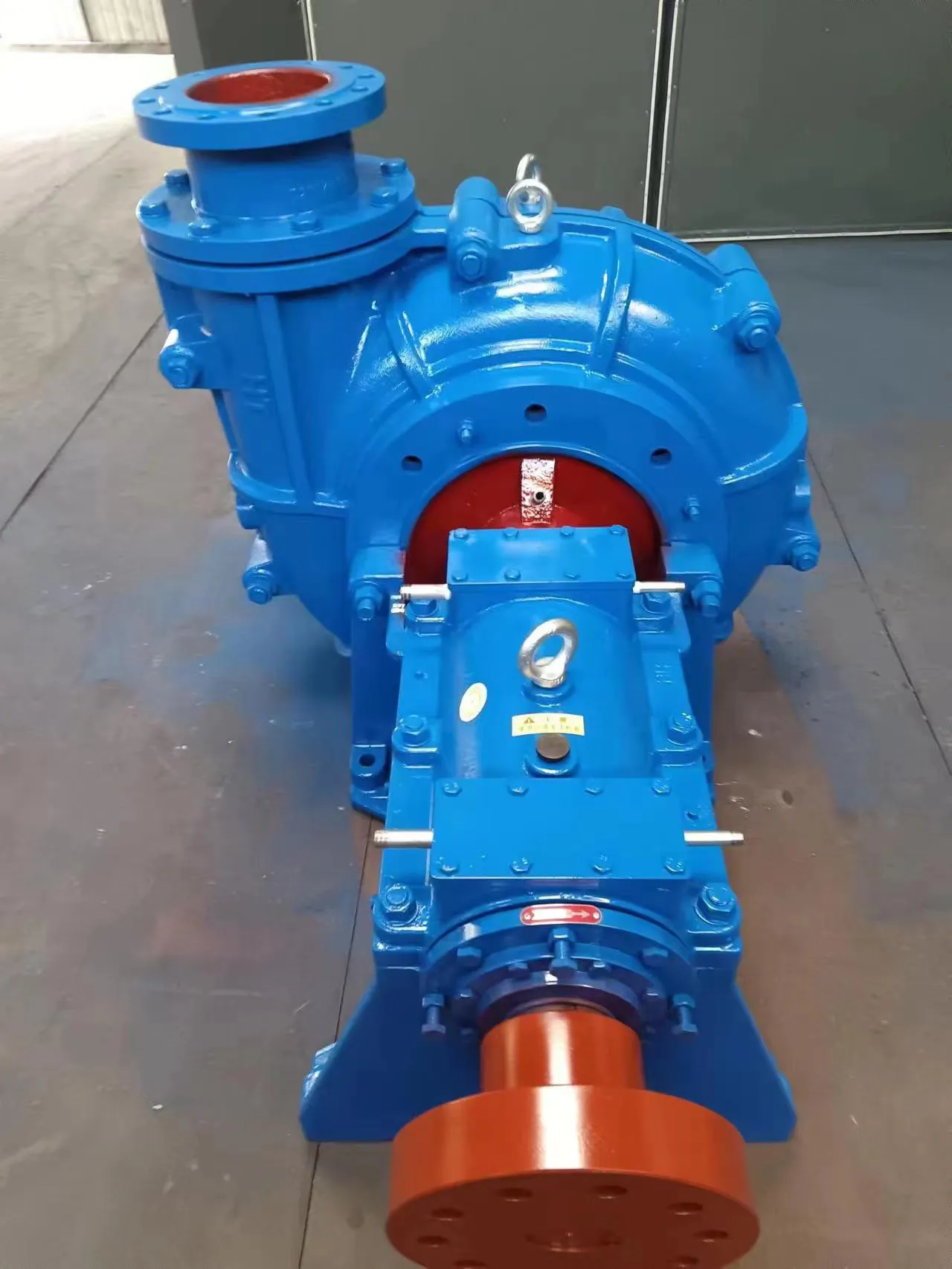
Introduction
Submerged slurry pumps are centrifugal pumps specifically designed for handling abrasive and highly concentrated solid-liquid mixtures. They operate fully submerged within the slurry, a critical feature for applications like mining, wastewater treatment, dredging, and industrial effluent management. Their technical position in the industrial chain lies between solids handling equipment (such as feeders and classifiers) and downstream processing units (like thickeners and filters). Unlike traditional pumps requiring priming, submerged pumps are self-priming due to their placement within the fluid. Core performance characteristics include high solids handling capacity, resistance to abrasion and corrosion, and efficient hydraulic design to minimize clogging. The selection of a submerged slurry pump is dictated by factors such as slurry composition (particle size, concentration, and abrasiveness), flow rate requirements, and head (vertical lift) demands. A primary industry pain point revolves around premature wear of pump components leading to frequent downtime and costly maintenance, especially when handling highly abrasive slurries. Another challenge lies in achieving optimal hydraulic efficiency while preventing impeller blockage.
Material Science & Manufacturing
The construction of submerged slurry pumps relies heavily on material selection to withstand the corrosive and abrasive nature of the pumped media. Pump casings are typically manufactured from high-chromium cast iron (typically 26-30% Cr) offering excellent abrasion resistance. Impellers, volutes, and liners frequently utilize white iron alloys, specifically with high hardness levels (60-65 HRC) to combat wear. The hardness is achieved through a controlled cooling rate during the casting process, which promotes the formation of hard carbides. Rubber linings are commonly employed in casings and impellers for applications involving corrosive slurries or where noise reduction is critical. Neoprene, nitrile, and EPDM are typical rubber materials. Shafts are made from high-strength alloy steels (e.g., 4140, 4340) and are often coated with hard chrome plating or tungsten carbide to enhance wear resistance. Seals are critical; mechanical seals constructed from silicon carbide or tungsten carbide faces, with compatible elastomers (Viton, EPDM) are used to prevent slurry ingress and ensure lubrication. Manufacturing processes include sand casting for pump casings, investment casting for impellers to achieve complex geometries, and rubber molding for liners. Key parameter control during manufacturing focuses on maintaining precise tolerances for impeller clearances, ensuring proper seal face flatness, and verifying the hardness and chemical composition of critical components. Welding processes, when used for repair or fabrication, must adhere to strict quality control standards (e.g., AWS D1.1) to avoid weakening the structure or introducing defects.
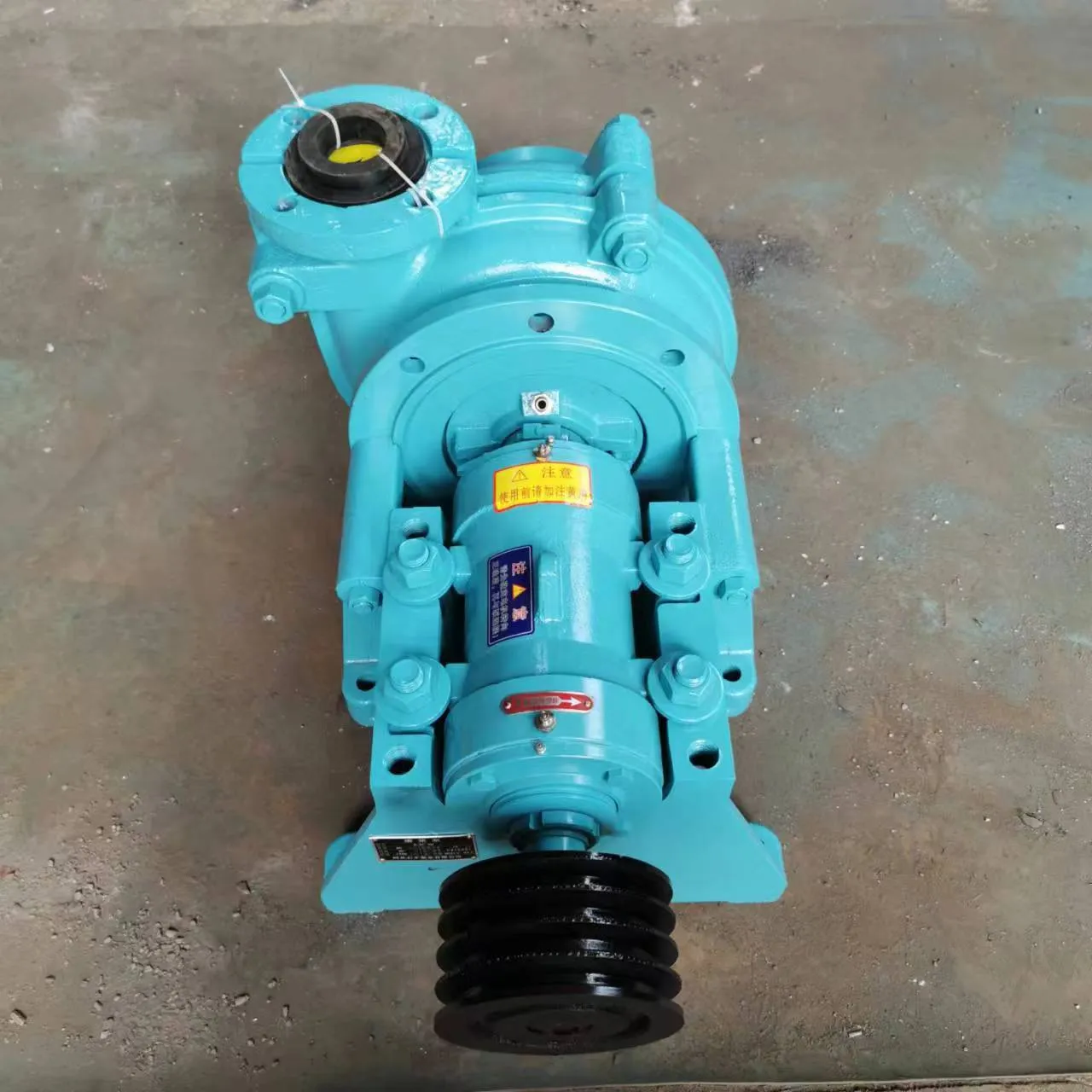
Performance & Engineering
The performance of a submerged slurry pump is governed by fundamental hydraulic principles and material properties. Force analysis considers centrifugal force acting on the slurry particles, resulting in increased wear on pump components. Cavitation, a significant concern, arises when the absolute pressure at the impeller eye drops below the vapor pressure of the slurry, creating vapor bubbles that collapse and cause localized erosion. Suction Specific Speed (Nss) is a crucial parameter used to select pumps suitable for specific slurry characteristics. Environmental resistance is paramount; pumps operating in corrosive environments require corrosion allowance in design and appropriate material selection. Compliance requirements vary by region, but typically include adherence to electrical safety standards (IEC 60034-1) and environmental regulations regarding noise emissions. Functional implementation involves optimizing impeller design (blade angle, width, and number) to maximize hydraulic efficiency and minimize clogging. Pump curves, depicting head, flow rate, and power consumption, are generated through hydraulic testing to ensure performance meets specified requirements. The pump’s motor must be appropriately sized and protected against overload and overheating, often utilizing thermal sensors and variable frequency drives (VFDs) for speed control. Proper impeller-casing clearances are critical to preventing abrasive wear; these clearances must be balanced against hydraulic efficiency considerations.
Technical Specifications
| Parameter | Unit | Typical Value (Range) | Testing Standard |
|---|---|---|---|
| Flow Rate | m³/h | 50 – 1500 | ISO 9905 |
| Total Head | m | 10 – 80 | ISO 9905 |
| Solids Handling Capacity | % by Weight | Up to 70 | In-house testing |
| Particle Size | mm | Up to 100 | Customer Specification |
| Pump Speed | RPM | 500 – 1800 | IEC 60034-1 |
| Motor Power | kW | 7.5 – 200 | IEC 60034-1 |
Failure Mode & Maintenance
Submerged slurry pumps are susceptible to several failure modes. Fatigue cracking in the impeller and casing is common, particularly in areas of high stress concentration, exacerbated by cyclic loading. Abrasive wear, a dominant failure mechanism, results in gradual material loss from impeller vanes, liners, and casing walls, leading to reduced performance. Cavitation erosion causes localized pitting and material removal, especially in areas prone to low pressure. Corrosion, particularly in aggressive chemical slurries, leads to material degradation and component failure. Mechanical seal failure, often caused by abrasive particles or improper installation, results in leakage and pump inefficiency. Delamination of rubber linings can occur due to inadequate bonding or exposure to extreme temperatures. Maintenance solutions involve regular inspection of pump components for wear and corrosion. Impeller replacement is frequently required, with the frequency dictated by slurry abrasiveness. Seal replacement is crucial to prevent leakage and maintain efficiency. Lubrication of bearings is vital to prevent premature failure. Preventative maintenance programs should include vibration analysis to detect bearing wear and potential imbalances. Periodic flushing of pump casings can remove abrasive deposits and prevent clogging. For critical applications, a predictive maintenance strategy utilizing condition monitoring techniques (e.g., ultrasonic thickness testing, corrosion monitoring) can significantly reduce downtime and optimize maintenance schedules.
Industry FAQ
Q: What is the impact of slurry particle size distribution on pump selection?
A: Particle size significantly influences pump selection. Larger particle sizes require pumps with larger impeller passages to prevent clogging and reduce wear. A wider particle size distribution necessitates a more robust impeller design capable of handling both fine and coarse particles efficiently. Pumps are typically characterized by their maximum particle size handling capability.
Q: How does slurry density affect the power consumption of the pump?
A: Slurry density directly impacts the power required to operate the pump. Higher density slurries require more power to achieve the same flow rate and head. The pump’s motor must be appropriately sized to handle the increased torque demand. Pump curves are typically provided for water; adjustments must be made for slurry density using correction factors.
Q: What is the best material for a pump handling highly corrosive sulfuric acid slurry?
A: For highly corrosive sulfuric acid slurry, materials like Alloy 20, duplex stainless steels (e.g., 2205), or specialized polymer linings (e.g., PTFE, PVDF) are recommended. The specific material selection depends on the acid concentration, temperature, and flow velocity. Rubber linings are generally unsuitable for concentrated sulfuric acid.
Q: What are the common causes of mechanical seal failure in slurry applications?
A: Common causes include abrasive wear of the seal faces, ingress of abrasive particles between the faces, improper installation, insufficient lubrication, and thermal cycling. Using hard-faced seal materials (silicon carbide or tungsten carbide) and implementing robust flushing systems can mitigate these issues.
Q: How can I minimize cavitation damage in a submerged slurry pump?
A: Minimizing cavitation involves ensuring sufficient Net Positive Suction Head Available (NPSHa), avoiding excessive flow velocities, and selecting a pump with an impeller design optimized for the specific slurry characteristics. Maintaining proper impeller clearances and preventing clogging are also crucial.
Conclusion
Submerged slurry pumps are essential components in numerous industrial processes requiring the transport of abrasive and solid-laden fluids. Their robust design and material selection are critical to ensuring reliable operation and minimizing downtime. Understanding the interplay between material science, hydraulic principles, and potential failure modes is paramount for effective pump selection, installation, and maintenance.
Future advancements in submerged slurry pump technology will likely focus on enhanced impeller designs incorporating computational fluid dynamics (CFD) for optimized hydraulic efficiency and wear resistance. The development of novel abrasion-resistant materials and coatings will further extend pump lifespan and reduce maintenance costs. Increased integration of smart sensors and predictive maintenance algorithms will enable proactive failure detection and optimized maintenance scheduling, leading to improved overall system performance.
-
Precision at the Pump: How Better Machining Protects Flow and Uptime
News2026-11-20
-
Why Pump Reliability Begins Before the First Drop of Fluid
News2026-11-20
-
Beyond the Pump: Designing Safer Access Around Critical Water Infrastructure
News2026-11-20
-
Why Pumping Stations Depend on the Infrastructure Beneath the Pumps
News2026-11-20
-
Beyond the Pump Room: How Smarter Loading Protects Industrial Equipment
News2026-11-19
-
When Pumps Stop: Designing More Resilient Power for Critical Pumping Systems
News2026-11-19
-
The Hidden Role of Dust and Gas Monitoring in Reliable Pump Operations
News2026-11-19
-
The Hidden Role of Mineral Compounds in Extending Industrial Pump Lifespan
News2026-10-12
-
Why Pump System Reliability Depends on Precision Hose Assembly Methods
News2026-09-15
-
How Advanced Imaging Films Are Transforming Pump Component Quality Control
News2026-08-25
-
How Advanced Filtration Protects Pump Systems from Premature Wear and Costly Downtime
News2026-08-25
-
How Steel Material Selection Drives Pump Reliability in Heavy-Duty Systems
News2026-08-25
-
Ensuring Pump System Efficiency: The Role of High-Quality Pipe Fittings and Tubing
News2026-08-24
-
Optimizing Fluid Dynamics and Material Consistency in Industrial Processing
News2026-08-18
-
Innovations and Challenges in Hydraulic Systems for Heavy Machinery
News2026-08-13




