English
- Afrikaans
- Albanian
- Amharic
- Arabic
- Armenian
- Azerbaijani
- Basque
- Belarusian
- Bengali
- Bosnian
- Bulgarian
- Catalan
- Cebuano
- Corsican
- Croatian
- Czech
- Danish
- Dutch
- English
- Esperanto
- Estonian
- Finnish
- French
- Frisian
- Galician
- Georgian
- German
- Greek
- Gujarati
- Haitian Creole
- hausa
- hawaiian
- Hebrew
- Hindi
- Miao
- Hungarian
- Icelandic
- igbo
- Indonesian
- irish
- Italian
- Japanese
- Javanese
- Kannada
- kazakh
- Khmer
- Rwandese
- Korean
- Kurdish
- Kyrgyz
- Lao
- Latin
- Latvian
- Lithuanian
- Luxembourgish
- Macedonian
- Malgashi
- Malay
- Malayalam
- Maltese
- Maori
- Marathi
- Mongolian
- Myanmar
- Nepali
- Norwegian
- Norwegian
- Occitan
- Pashto
- Persian
- Polish
- Portuguese
- Punjabi
- Romanian
- Russian
- Samoan
- Scottish Gaelic
- Serbian
- Sesotho
- Shona
- Sindhi
- Sinhala
- Slovak
- Slovenian
- Somali
- Spanish
- Sundanese
- Swahili
- Swedish
- Tagalog
- Tajik
- Tamil
- Tatar
- Telugu
- Thai
- Turkish
- Turkmen
- Ukrainian
- Urdu
- Uighur
- Uzbek
- Vietnamese
- Welsh
- Bantu
- Yiddish
- Yoruba
- Zulu

Telephone: +86 13120555503
Email: frank@cypump.com


Apr . 01, 2024 17:55 Back to list
submerged mining vertical slurry pump Performance Analysis
Introduction
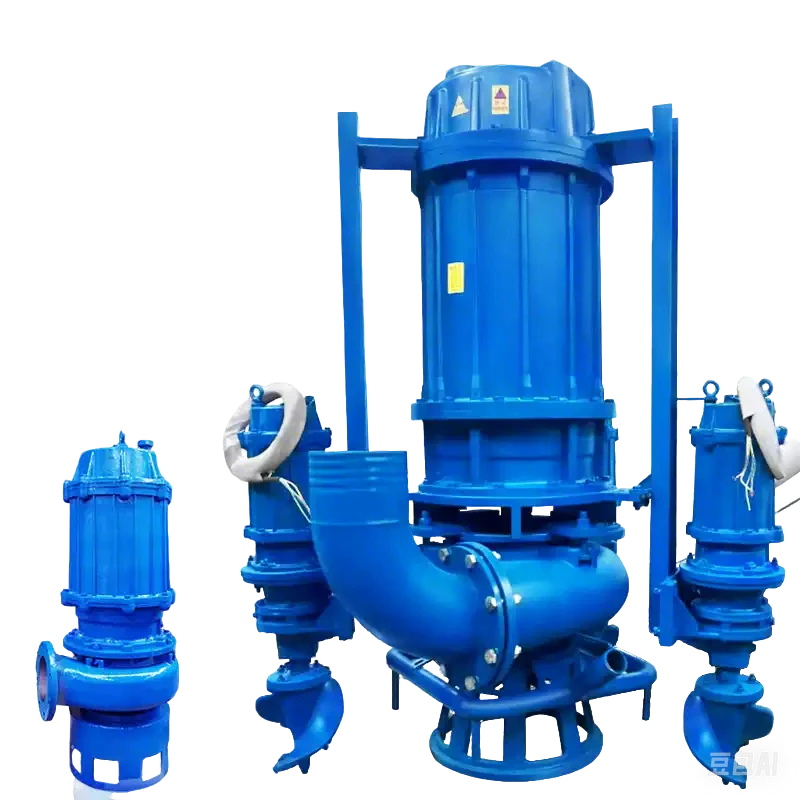
Submerged mining vertical slurry pumps are critical components in modern mineral processing and tailings management, designed for continuous operation in harsh, abrasive environments. Unlike conventional pumps, these units are positioned directly within the slurry itself, eliminating the need for suction lift and minimizing operational complexities associated with prime management. Their vertical configuration allows for efficient use of space, particularly in deep sumps common in mining operations. This guide details the material science, manufacturing processes, performance characteristics, potential failure modes, and maintenance protocols associated with submerged mining vertical slurry pumps, offering a comprehensive understanding for engineers, procurement specialists, and maintenance personnel. Core performance is defined by flow rate (m³/h), head (m), and solids handling capability (percentage by weight and particle size), which are all dictated by impeller design and pump sizing relative to the specific slurry characteristics. A key industry pain point revolves around balancing pump longevity with operational cost, as abrasive slurries rapidly degrade pump components, leading to frequent replacements and downtime.
Material Science & Manufacturing
The materials selection for submerged mining vertical slurry pumps is paramount due to the aggressive nature of the handled slurries. Pump casings are commonly constructed from high-chrome cast iron (typically 27% Cr) for its exceptional abrasion resistance. Impellers, being the primary wear component, often utilize specialized alloys such as high-chrome white iron, or even more costly materials like duplex stainless steels (e.g., 2205 Duplex) for increased corrosion resistance in acidic or saline environments. Shafts are typically forged from alloy steels, heat-treated for tensile strength and torsional rigidity. Elastomeric components, like seals and liners, employ materials like natural rubber, neoprene, or polyurethane, chosen for their resilience and chemical compatibility with the slurry. Manufacturing processes involve several key stages: casting (for casing and impeller), forging (for shaft), machining (for precise dimensional tolerances), and welding (for assembly). Critical parameter control during casting includes sand composition, pouring temperature, and cooling rates to minimize porosity and ensure structural integrity. Welding processes must be carefully monitored to prevent distortion and maintain metallurgical properties. Impeller balancing is crucial to minimize vibration and extend bearing life. Proper surface hardening techniques, such as induction hardening or heat treatment, are employed on impellers and liners to enhance wear resistance. Quality control procedures involve non-destructive testing (NDT) – radiography, ultrasonic testing, and magnetic particle inspection – to detect internal flaws and ensure structural soundness.
Performance & Engineering
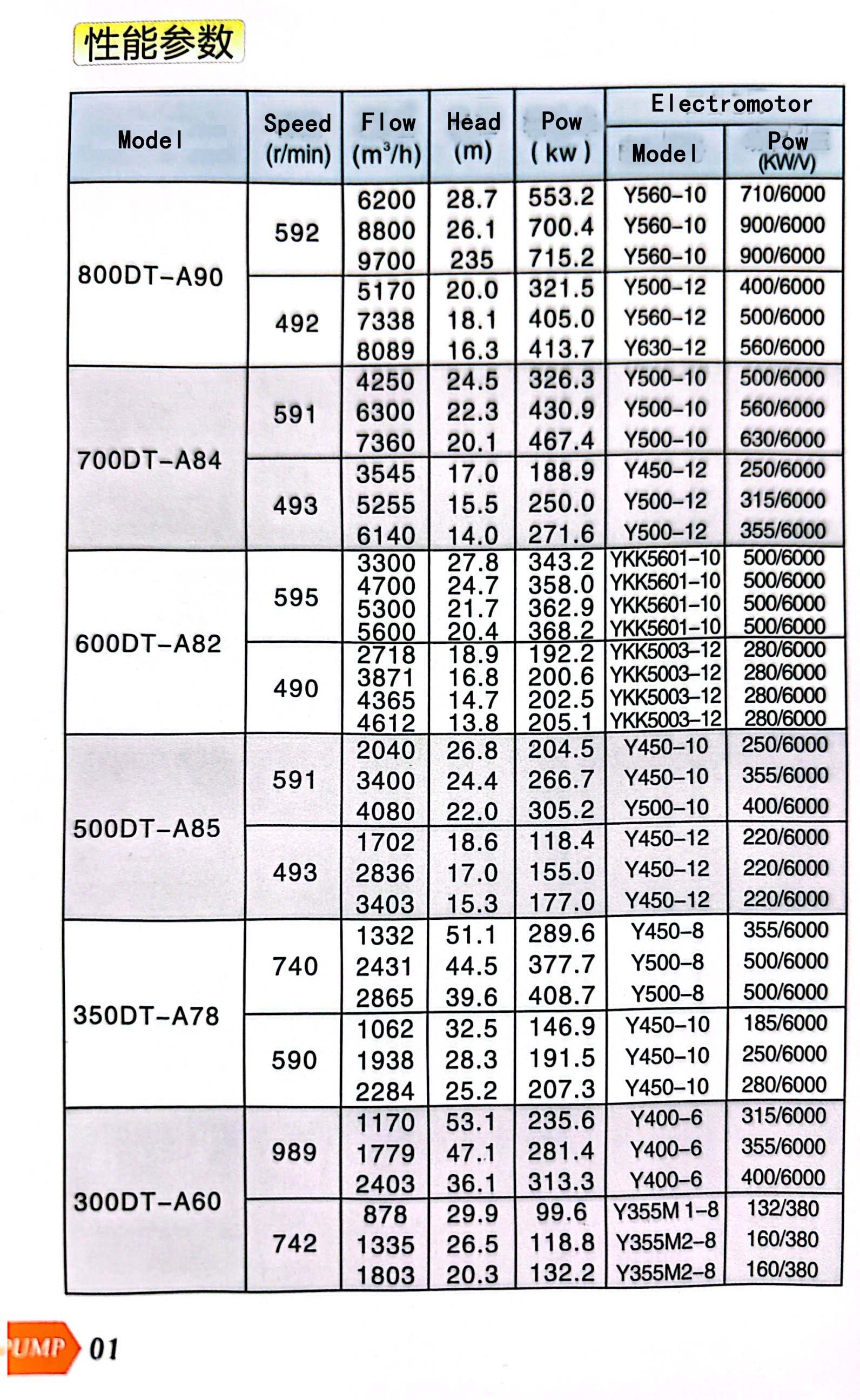
The performance of submerged mining vertical slurry pumps is heavily influenced by slurry characteristics – solids concentration, particle size distribution, and slurry density. Force analysis is crucial; the pump must withstand hydrostatic pressure from the slurry column, as well as dynamic forces generated by the impeller. Hydraulic design focuses on maximizing pump efficiency while minimizing wear. This is achieved through optimized impeller geometry, volute design, and diffuser selection. Environmental resistance considerations include protection against corrosion (pH levels in slurries can be highly variable), erosion (from abrasive particles), and temperature extremes. Compliance requirements vary depending on the mining jurisdiction, but typically involve adherence to safety standards (e.g., electrical safety in submerged operation), environmental regulations (leakage prevention), and potentially specific certifications for use in hazardous locations (ATEX or IECEx). Functional implementation details include motor selection (typically submersible electric motors, often with variable frequency drives (VFDs) for flow control), sealing systems (mechanical seals are common, with specialized designs for abrasive slurries), and bearing arrangements (robust bearing systems are essential to support shaft loads and minimize vibration). A key engineering challenge is mitigating the risk of cavitation, which can severely damage impellers. This is addressed through careful pump sizing and optimization of suction conditions. Bearing lubrication is another critical aspect, often involving oil lubrication systems with regular monitoring and maintenance schedules.
Technical Specifications
| Parameter | Unit | Typical Range (Small Pump) | Typical Range (Large Pump) |
|---|---|---|---|
| Flow Rate | m³/h | 5 - 50 | 200 - 800 |
| Head | m | 10 - 30 | 50 - 150 |
| Solids Handling | % by Weight | Up to 70 | Up to 80 |
| Particle Size | mm | Up to 25 | Up to 75 |
| Motor Power | kW | 1.5 - 7.5 | 30 - 150 |
| Casing Material | - | High-Chrome Cast Iron | High-Chrome Cast Iron/Duplex Stainless Steel |
Failure Mode & Maintenance
Submerged mining vertical slurry pumps are susceptible to several failure modes. Fatigue cracking in impellers and casings is common due to cyclical loading and abrasive wear. Erosion, particularly at the impeller discharge and casing inlet, leads to material loss and reduced pump performance. Mechanical seal failures are frequent, caused by abrasive particles, chemical attack, or improper installation. Bearing failures result from contamination, inadequate lubrication, or excessive loads. Delamination of protective coatings (e.g., rubber liners) occurs due to mechanical stress and chemical degradation. Oxidation and corrosion affect metallic components, especially in corrosive slurries. Preventive maintenance is critical. Regular inspections should include visual checks for wear, vibration analysis to detect bearing issues, and seal integrity testing. Scheduled maintenance tasks include impeller replacement, liner replacement, bearing lubrication and replacement, and seal replacement. Proactive measures include slurry analysis to understand abrasive characteristics, optimization of pump speed and flow rate to minimize wear, and implementation of a robust lubrication program. Failure analysis, utilizing techniques like metallurgical examination and wear pattern analysis, is essential to identify root causes and prevent recurrence. Condition monitoring technologies, such as online vibration monitoring and oil analysis, can provide early warning of potential failures, allowing for timely intervention.
Industry FAQ
Q: What is the impact of slurry composition on pump selection and longevity?
A: Slurry composition, specifically particle size distribution, solids concentration, and chemical properties, significantly impacts pump selection. Higher solids concentrations and larger particle sizes necessitate heavier-duty pumps with more robust impellers and liners. Corrosive slurries require materials with enhanced corrosion resistance, such as duplex stainless steels. An inaccurate assessment of slurry characteristics can lead to premature pump failure and increased maintenance costs.
Q: How do you mitigate the risk of cavitation in submerged slurry pumps?
A: Cavitation is primarily mitigated through proper pump sizing, ensuring the pump is not operating beyond its specified head-flow curve. Maintaining adequate submergence depth is crucial to prevent vortex formation and ensure a sufficient net positive suction head available (NPSHa). Careful consideration of slurry density and viscosity is also important, as these factors affect NPSHa. Regular impeller inspection for pitting, a common sign of cavitation damage, is recommended.
Q: What are the advantages of using Variable Frequency Drives (VFDs) with these pumps?
A: VFDs offer significant advantages, including improved process control, energy savings, and reduced wear. By adjusting pump speed, VFDs allow for precise control of flow rate to match process demands, minimizing unnecessary wear and tear on pump components. Soft starting capabilities reduce stress on the pump and motor during startup, extending their lifespan. Energy consumption is reduced by optimizing pump operation based on actual flow requirements.
Q: What are the key considerations for mechanical seal selection in abrasive slurries?
A: Mechanical seal selection requires careful consideration of slurry abrasiveness, particle size, and chemical compatibility. Double mechanical seals with a barrier fluid system are often employed to provide enhanced protection against abrasive particles and prevent slurry ingress. Seal face materials must be highly abrasion-resistant, such as silicon carbide or tungsten carbide. Proper seal installation and maintenance are critical to ensure long seal life.
Q: What is the recommended maintenance schedule for a submerged slurry pump operating continuously?
A: A continuous operation requires a proactive maintenance schedule. Daily checks should include visual inspection for leaks and abnormal noise. Weekly checks involve vibration analysis and temperature monitoring of bearings. Monthly maintenance should include oil analysis, seal inspection, and impeller inspection. Semi-annual maintenance involves complete pump disassembly for detailed inspection and replacement of worn components. Maintenance intervals should be adjusted based on operating conditions and slurry characteristics.
Conclusion
Submerged mining vertical slurry pumps represent a vital technology in mineral processing, enabling efficient and reliable slurry handling in demanding environments. Successful operation hinges on a holistic understanding of material science, hydraulic principles, and proactive maintenance strategies. The selection of appropriate materials and robust design features are paramount to maximizing pump lifespan and minimizing downtime.
Future advancements in this field will likely focus on the development of more wear-resistant materials, improved impeller designs for enhanced efficiency, and the integration of advanced monitoring technologies for predictive maintenance. Further research into slurry rheology and erosion mechanisms will be crucial for optimizing pump performance and extending component life. The ongoing challenge remains balancing capital expenditure with operational costs, necessitating a lifecycle cost analysis approach to pump selection and maintenance.
-
Precision at the Pump: How Better Machining Protects Flow and Uptime
News2026-11-20
-
Why Pump Reliability Begins Before the First Drop of Fluid
News2026-11-20
-
Beyond the Pump: Designing Safer Access Around Critical Water Infrastructure
News2026-11-20
-
Why Pumping Stations Depend on the Infrastructure Beneath the Pumps
News2026-11-20
-
Beyond the Pump Room: How Smarter Loading Protects Industrial Equipment
News2026-11-19
-
When Pumps Stop: Designing More Resilient Power for Critical Pumping Systems
News2026-11-19
-
The Hidden Role of Dust and Gas Monitoring in Reliable Pump Operations
News2026-11-19
-
The Hidden Role of Mineral Compounds in Extending Industrial Pump Lifespan
News2026-10-12
-
Why Pump System Reliability Depends on Precision Hose Assembly Methods
News2026-09-15
-
How Advanced Imaging Films Are Transforming Pump Component Quality Control
News2026-08-25
-
How Advanced Filtration Protects Pump Systems from Premature Wear and Costly Downtime
News2026-08-25
-
How Steel Material Selection Drives Pump Reliability in Heavy-Duty Systems
News2026-08-25
-
Ensuring Pump System Efficiency: The Role of High-Quality Pipe Fittings and Tubing
News2026-08-24
-
Optimizing Fluid Dynamics and Material Consistency in Industrial Processing
News2026-08-18
-
Innovations and Challenges in Hydraulic Systems for Heavy Machinery
News2026-08-13




