English
- Afrikaans
- Albanian
- Amharic
- Arabic
- Armenian
- Azerbaijani
- Basque
- Belarusian
- Bengali
- Bosnian
- Bulgarian
- Catalan
- Cebuano
- Corsican
- Croatian
- Czech
- Danish
- Dutch
- English
- Esperanto
- Estonian
- Finnish
- French
- Frisian
- Galician
- Georgian
- German
- Greek
- Gujarati
- Haitian Creole
- hausa
- hawaiian
- Hebrew
- Hindi
- Miao
- Hungarian
- Icelandic
- igbo
- Indonesian
- irish
- Italian
- Japanese
- Javanese
- Kannada
- kazakh
- Khmer
- Rwandese
- Korean
- Kurdish
- Kyrgyz
- Lao
- Latin
- Latvian
- Lithuanian
- Luxembourgish
- Macedonian
- Malgashi
- Malay
- Malayalam
- Maltese
- Maori
- Marathi
- Mongolian
- Myanmar
- Nepali
- Norwegian
- Norwegian
- Occitan
- Pashto
- Persian
- Polish
- Portuguese
- Punjabi
- Romanian
- Russian
- Samoan
- Scottish Gaelic
- Serbian
- Sesotho
- Shona
- Sindhi
- Sinhala
- Slovak
- Slovenian
- Somali
- Spanish
- Sundanese
- Swahili
- Swedish
- Tagalog
- Tajik
- Tamil
- Tatar
- Telugu
- Thai
- Turkish
- Turkmen
- Ukrainian
- Urdu
- Uighur
- Uzbek
- Vietnamese
- Welsh
- Bantu
- Yiddish
- Yoruba
- Zulu

Telephone: +86 13120555503
Email: frank@cypump.com


Apr . 01, 2024 17:55 Back to list
smart pump slurry Performance Analysis
Introduction
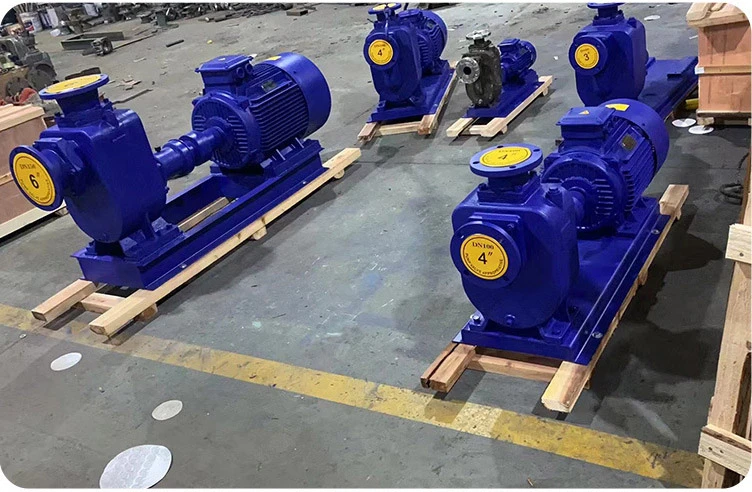
Smart pump slurry refers to a sophisticated fluid mixture designed for optimized performance within intelligent pumping systems. These slurries are not simply a suspension of solids in a liquid; they are engineered fluids incorporating real-time monitoring capabilities and often, dynamically adjustable rheological properties. Positioned within the industrial chain, smart pump slurry represents a crucial component bridging upstream material processing (mining, dredging, chemical processing) and downstream fluid transport and processing. Its core performance characteristics center around maximizing throughput, minimizing energy consumption, reducing wear on pumping equipment, and providing diagnostic data related to the transported material and pump health. Unlike traditional slurries, smart pump slurries leverage sensor integration – typically utilizing conductive particles, optical fibers, or micro-mechanical sensors – to monitor flow rate, particle concentration, temperature, viscosity, and potentially, even the composition of the slurry itself. This data is then transmitted to a control system, allowing for adaptive pump control and predictive maintenance scheduling. A key pain point in many industries is the unpredictable behavior of conventional slurries leading to pump cavitation, blockages, and premature equipment failure. Smart pump slurry addresses these issues through precise control and real-time monitoring.
Material Science & Manufacturing
The composition of smart pump slurry varies considerably based on the application, but generally consists of a continuous phase (liquid carrier), a dispersed phase (solid particles), and functional additives including sensors and rheology modifiers. The liquid carrier commonly employs water, polymeric solutions (e.g., polyacrylamide), or non-aqueous fluids like mineral oil, dictated by the transported material and environmental constraints. The solid phase often incorporates abrasive materials like silica, alumina, iron ore, or coal, demanding careful consideration of particle size distribution (PSD). PSD is critical; a poorly controlled PSD leads to increased friction, segregation, and settling. Manufacturing begins with precise raw material selection, prioritizing purity and consistent particle characteristics. The mixing process itself is highly controlled, employing high-shear mixers or colloid mills to ensure homogenous dispersion and prevent agglomeration. Rheology modifiers, such as polymers and surfactants, are added to control viscosity and yield stress, enhancing flowability and minimizing settling. Sensor integration is typically achieved in-situ during mixing, often involving the encapsulation of micro-sensors within protective coatings to prevent degradation from abrasion or chemical attack. Quality control relies heavily on rheological measurements (viscosity, thixotropy, yield stress), PSD analysis (using laser diffraction or sieve analysis), and sensor functionality testing. Chemical compatibility between the slurry components and the pump materials (e.g., elastomers, metals) is paramount to prevent corrosion and premature component failure. Common challenges include maintaining long-term slurry stability, preventing sensor fouling, and ensuring consistent sensor signal transmission in harsh operating environments.
Performance & Engineering
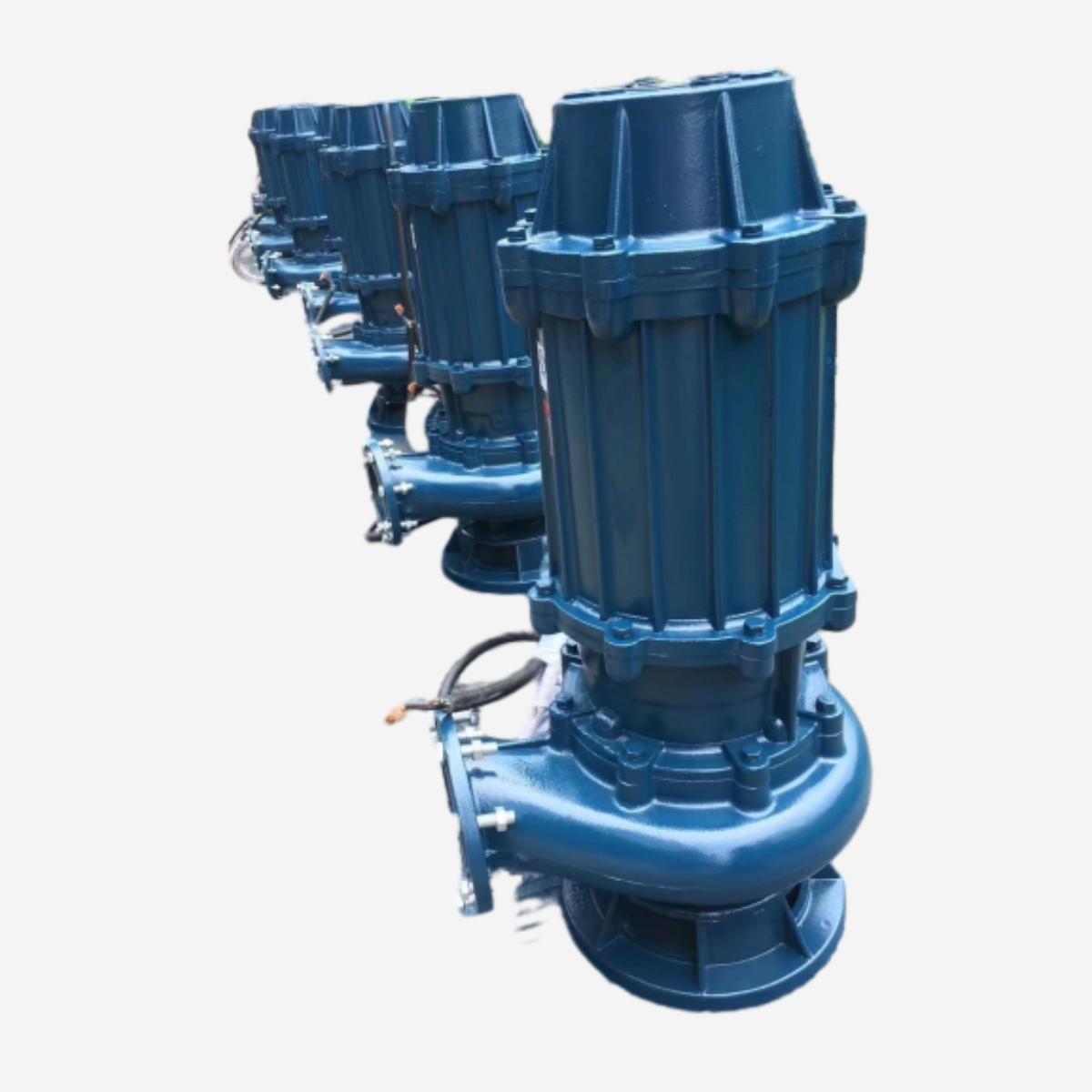
The performance of smart pump slurry is fundamentally governed by fluid mechanics and the interaction between the slurry and the pump’s internal components. Force analysis focuses on shear stress, pressure drop, and impact forces exerted by the particles on the pump casing and impeller. Higher solid concentrations increase shear stress, accelerating wear. Environmental resistance is crucial, especially in applications involving extreme temperatures, corrosive chemicals, or high pressures. Polymer selection for the liquid carrier dictates temperature stability and chemical inertness. Pump selection must account for the slurry’s abrasive nature, often necessitating the use of hardened materials like high-chrome cast iron or ceramic linings. Compliance requirements vary depending on the industry. For example, in the oil and gas sector, slurry composition must adhere to strict environmental regulations regarding discharge limitations. In the mining industry, slurry transport systems must comply with safety standards related to pipeline integrity and spill prevention. Functional implementation relies on the integration of the slurry’s sensor data with the pump’s control system. This allows for dynamic adjustments to pump speed, valve position, and even slurry composition (through automated additive injection) to optimize performance and prevent operational anomalies. Cavitation prevention is a key engineering consideration; real-time viscosity monitoring allows the control system to adjust pump speed to maintain sufficient net positive suction head (NPSH) and avoid cavitation damage. Furthermore, particle concentration monitoring can detect blockages before they occur, enabling proactive intervention. Predictive maintenance utilizes sensor data to identify trends indicative of impending pump failure, allowing for scheduled repairs and minimizing downtime.
Technical Specifications
| Parameter | Typical Range | Measurement Method | Impact on Performance |
|---|---|---|---|
| Solids Concentration (by weight %) | 20-80% | Hydrometer, Centrifugal Analysis | Affects viscosity, abrasion rate, and pump power consumption |
| Particle Size (D50, µm) | 10-500 µm | Laser Diffraction | Determines settling velocity, abrasion potential, and pipeline transport capacity |
| Viscosity (cP) | 50-5000 cP | Rotational Viscometer | Influences flow rate, pressure drop, and pump efficiency |
| pH | 2-12 | pH Meter | Impacts corrosion rate and slurry stability |
| Density (g/cm³) | 1.2-2.0 g/cm³ | Density Meter | Affects pump head and power requirements |
| Sensor Response Time (seconds) | 0.1-5 s | Oscilloscope, Data Acquisition System | Dictates the speed of control loop response |
Failure Mode & Maintenance
Smart pump slurry systems are susceptible to several failure modes. Fatigue cracking of pump components is common due to the constant abrasive action of the slurry particles. This is exacerbated by improper slurry composition or excessive flow velocities. Delamination of protective coatings (e.g., rubber linings, ceramic tiles) is another frequent issue, leading to direct contact between the abrasive slurry and the underlying metal. Degradation of polymer additives can occur due to shear forces, temperature extremes, or chemical attack, resulting in reduced viscosity control and increased settling. Oxidation of metal components, particularly in the presence of corrosive chemicals, can weaken structural integrity and lead to catastrophic failure. Sensor fouling, caused by particle deposition or chemical reactions, is a critical concern as it compromises the accuracy of the real-time monitoring system. Maintenance strategies involve regular inspection of pump components for wear and corrosion, replacement of worn liners and impellers, and periodic cleaning of sensors. Proactive maintenance based on sensor data analysis is crucial; for example, increasing viscosity detected by the slurry’s sensors may indicate additive degradation, prompting a replenishment. Filtration systems should be implemented to remove oversized particles and prevent blockages. Slurry composition should be regularly analyzed to ensure it meets specified requirements. Proper lubrication of pump bearings and seals is essential to minimize friction and wear. Non-destructive testing (NDT) methods, such as ultrasonic testing and radiographic inspection, can detect hidden cracks and defects before they lead to failure. A detailed log of slurry composition, pump operating parameters, and maintenance activities should be maintained to facilitate trend analysis and optimize maintenance schedules.
Industry FAQ
Q: What is the expected lifespan of the embedded sensors within the smart pump slurry?
A: The lifespan of embedded sensors varies depending on the sensor type, slurry abrasiveness, and operating conditions. Capacitive sensors generally exhibit longer lifespans (2-5 years) due to their robustness, while optical fiber sensors are more susceptible to damage from abrasion (6-18 months). Regular monitoring of sensor signal drift and replacement as needed are critical.
Q: How does the sensor data integrate with existing plant control systems (e.g., DCS, SCADA)?
A: Integration is typically achieved through industry-standard communication protocols such as Modbus TCP/IP, Profibus, or OPC UA. The slurry’s sensor data is transmitted to a data acquisition system, which then feeds the information to the plant control system for analysis and control actions. Custom software interfaces may be required for seamless integration.
Q: What are the limitations of using smart pump slurry in highly abrasive applications, such as dredging?
A: Highly abrasive applications pose significant challenges to sensor durability and slurry stability. Frequent sensor replacement may be necessary. Careful slurry formulation is crucial, prioritizing the use of wear-resistant additives and optimizing particle size distribution. The pump’s impeller and casing must be constructed from hardened materials to withstand the abrasive forces.
Q: Can smart pump slurry be used to detect changes in the composition of the transported material?
A: Yes, depending on the sensor technology employed. Conductivity sensors can detect changes in the ionic content of the slurry, indicating variations in material composition. Spectroscopic sensors can provide more detailed compositional analysis, but are more susceptible to fouling. Data analysis algorithms are required to correlate sensor readings with material properties.
Q: What safety precautions should be taken when handling and maintaining smart pump slurry systems?
A: Standard safety procedures for handling abrasive fluids and electrical equipment should be followed. Personnel should wear appropriate personal protective equipment (PPE), including safety glasses, gloves, and respirators. Electrical connections should be properly grounded. Sensor calibration and maintenance should be performed by qualified technicians. Spill containment measures should be in place to prevent environmental contamination.
Conclusion
Smart pump slurry represents a significant advancement in fluid transport technology, offering enhanced operational efficiency, reduced maintenance costs, and improved safety. The integration of real-time monitoring capabilities allows for adaptive pump control and predictive maintenance, minimizing downtime and maximizing throughput. Successful implementation requires a thorough understanding of material science, fluid mechanics, and control systems engineering, coupled with careful selection of slurry components and sensor technology.
Looking forward, advancements in sensor miniaturization, wireless communication, and data analytics will further enhance the capabilities of smart pump slurry systems. The development of self-healing slurry formulations and more robust sensor coatings will address current limitations related to durability and fouling. Ultimately, smart pump slurry will play a crucial role in optimizing fluid transport processes across a wide range of industries, contributing to increased productivity and sustainability.
-
Precision at the Pump: How Better Machining Protects Flow and Uptime
News2026-11-20
-
Why Pump Reliability Begins Before the First Drop of Fluid
News2026-11-20
-
Beyond the Pump: Designing Safer Access Around Critical Water Infrastructure
News2026-11-20
-
Why Pumping Stations Depend on the Infrastructure Beneath the Pumps
News2026-11-20
-
Beyond the Pump Room: How Smarter Loading Protects Industrial Equipment
News2026-11-19
-
When Pumps Stop: Designing More Resilient Power for Critical Pumping Systems
News2026-11-19
-
The Hidden Role of Dust and Gas Monitoring in Reliable Pump Operations
News2026-11-19
-
The Hidden Role of Mineral Compounds in Extending Industrial Pump Lifespan
News2026-10-12
-
Why Pump System Reliability Depends on Precision Hose Assembly Methods
News2026-09-15
-
How Advanced Imaging Films Are Transforming Pump Component Quality Control
News2026-08-25
-
How Advanced Filtration Protects Pump Systems from Premature Wear and Costly Downtime
News2026-08-25
-
How Steel Material Selection Drives Pump Reliability in Heavy-Duty Systems
News2026-08-25
-
Ensuring Pump System Efficiency: The Role of High-Quality Pipe Fittings and Tubing
News2026-08-24
-
Optimizing Fluid Dynamics and Material Consistency in Industrial Processing
News2026-08-18
-
Innovations and Challenges in Hydraulic Systems for Heavy Machinery
News2026-08-13




