English
- Afrikaans
- Albanian
- Amharic
- Arabic
- Armenian
- Azerbaijani
- Basque
- Belarusian
- Bengali
- Bosnian
- Bulgarian
- Catalan
- Cebuano
- Corsican
- Croatian
- Czech
- Danish
- Dutch
- English
- Esperanto
- Estonian
- Finnish
- French
- Frisian
- Galician
- Georgian
- German
- Greek
- Gujarati
- Haitian Creole
- hausa
- hawaiian
- Hebrew
- Hindi
- Miao
- Hungarian
- Icelandic
- igbo
- Indonesian
- irish
- Italian
- Japanese
- Javanese
- Kannada
- kazakh
- Khmer
- Rwandese
- Korean
- Kurdish
- Kyrgyz
- Lao
- Latin
- Latvian
- Lithuanian
- Luxembourgish
- Macedonian
- Malgashi
- Malay
- Malayalam
- Maltese
- Maori
- Marathi
- Mongolian
- Myanmar
- Nepali
- Norwegian
- Norwegian
- Occitan
- Pashto
- Persian
- Polish
- Portuguese
- Punjabi
- Romanian
- Russian
- Samoan
- Scottish Gaelic
- Serbian
- Sesotho
- Shona
- Sindhi
- Sinhala
- Slovak
- Slovenian
- Somali
- Spanish
- Sundanese
- Swahili
- Swedish
- Tagalog
- Tajik
- Tamil
- Tatar
- Telugu
- Thai
- Turkish
- Turkmen
- Ukrainian
- Urdu
- Uighur
- Uzbek
- Vietnamese
- Welsh
- Bantu
- Yiddish
- Yoruba
- Zulu

Telephone: +86 13120555503
Email: frank@cypump.com


Apr . 01, 2024 17:55 Back to list
small centrifugal slurry pump Performance Analysis
Introduction
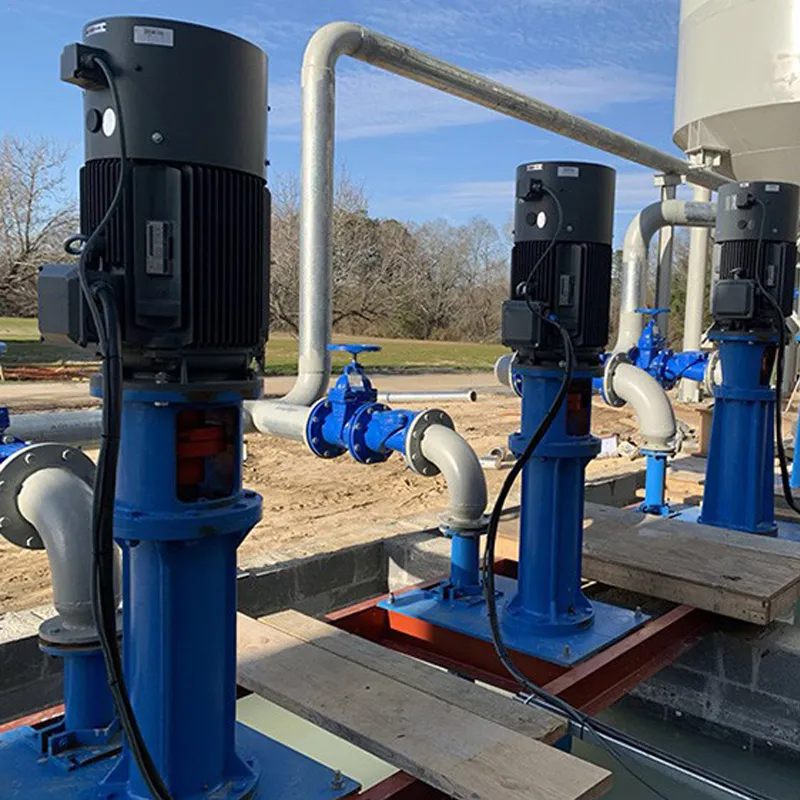
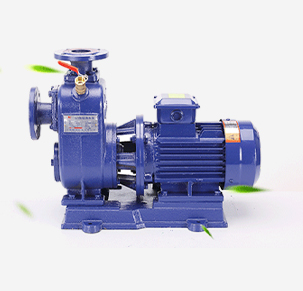
Small centrifugal slurry pumps are positive displacement pumps designed for the transfer of abrasive or corrosive fluids containing solid particles. They represent a critical component in numerous industrial processes, including mining, wastewater treatment, chemical processing, and dredging. Their technical position lies within the broader category of industrial pumps, specifically addressing applications where standard centrifugal pumps would rapidly degrade due to abrasive wear. These pumps differ from clear fluid centrifugal pumps through their construction featuring hardened materials and wider flow passages to accommodate solids. Core performance indicators include flow rate (typically ranging from 5 to 150 cubic meters per hour for small units), head (up to 60 meters), solids handling capability (up to 75mm depending on impeller design), and pump efficiency (ranging from 50% to 75% influenced by slurry composition and concentration). A primary industry pain point revolves around balancing pump longevity with operational efficiency – achieving a high flow rate while minimizing wear and downtime. Another significant challenge is the accurate selection of materials compatible with the specific chemical composition of the slurry to prevent corrosion and ensure reliable performance.
Material Science & Manufacturing
The performance and durability of small centrifugal slurry pumps are fundamentally linked to the materials utilized in their construction. Common materials include high-chromium cast iron (typically 13-28% chromium) for impeller and casing, offering excellent abrasion resistance due to the formation of hard chromium carbides. Pump shafts are often constructed from alloy steels such as 4140 or 4340, providing high tensile strength and fatigue resistance. Elastomeric liners, typically natural rubber or synthetic polymers like polyurethane, are frequently employed to protect the casing from impact and corrosion. Manufacturing processes vary depending on component. Casings are commonly produced through sand casting, utilizing patterns created via 3D printing or CNC machining. Impellers may be cast or, for smaller pumps, machined from solid bar stock. Welding processes (SMAW, GMAW) are used for joining components, requiring stringent quality control to ensure weld integrity and prevent stress concentrations. Critical parameters during manufacturing include heat treatment to optimize material hardness, dimensional accuracy of impeller vanes (influencing pump performance curves), and surface finish (minimizing friction and promoting flow). Chemical compatibility is paramount; for example, pumps handling sulfuric acid require specialized alloys or rubber linings resistant to acid attack. The hardness of the chromium carbide structures (measured using Rockwell C hardness testing) dictates abrasion resistance, and must be carefully controlled during casting and heat treatment.
Performance & Engineering
The performance of a small centrifugal slurry pump is governed by principles of fluid dynamics and mechanical engineering. Force analysis considers both hydrodynamic forces (pressure differentials, impeller-slurry interaction) and mechanical stresses (centrifugal loads, bearing stresses). Environmental resistance is a key concern; pumps operating in harsh environments necessitate robust sealing systems (mechanical seals or packing glands) to prevent leakage and ingress of contaminants. Compliance requirements depend on the intended application. For instance, pumps used in potable water treatment must meet NSF/ANSI 61 standards for lead content and material leachability. Pumps for explosive environments require ATEX certification. Functional implementation relies on careful impeller design. Impeller geometry (vane angle, number of vanes, impeller diameter) directly impacts head, flow rate, and solids handling capacity. A steeper vane angle generates higher head but reduces flow rate. The pump's Net Positive Suction Head Required (NPSHr) must be less than the Net Positive Suction Head Available (NPSHa) to prevent cavitation. Cavitation causes pitting and erosion of impeller vanes, significantly reducing pump life. Pump efficiency is maximized by optimizing impeller design and minimizing hydraulic losses. Hydraulic losses are analyzed using computational fluid dynamics (CFD) simulations to identify areas of turbulence and flow separation.
Technical Specifications
| Parameter | Unit | Typical Range (Small Pump) | Testing Standard |
|---|---|---|---|
| Flow Rate | m³/hr | 5 - 150 | ISO 9906:2012 |
| Total Head | m | 5 - 60 | ISO 9906:2012 |
| Solids Handling | mm | Up to 75 | Internal Testing |
| Pump Efficiency | % | 50 - 75 | ISO 9906:2012 |
| Slurry Concentration (Max) | % w/w | Up to 60 | Internal Testing |
| Operating Temperature | °C | -20 to 120 | Material Dependent |
Failure Mode & Maintenance
Small centrifugal slurry pumps are susceptible to several failure modes. Fatigue cracking can occur in the impeller and casing due to cyclic loading and stress concentrations, especially around weld points. Delamination of rubber liners is common when subjected to high impact forces or chemical attack. Degradation of elastomeric components happens from exposure to harsh chemicals, UV radiation, or high temperatures, leading to loss of sealing performance. Oxidation of metal components can occur in corrosive environments, reducing material strength. Abrasive wear is the most prevalent failure mechanism, causing erosion of impeller vanes and casing walls. Maintenance solutions include regular inspection for wear and corrosion, replacement of worn parts (impellers, liners, seals), proper lubrication of bearings, and monitoring of pump performance (flow rate, pressure, vibration). Preventative maintenance programs are crucial for maximizing pump life and minimizing downtime. Vibration analysis can detect bearing wear or impeller imbalance. Visual inspection of pump components reveals signs of erosion or corrosion. Regularly flushing the pump casing prevents solid buildup. Selecting the appropriate pump material for the specific slurry composition is paramount in preventing premature failure.
Industry FAQ
Q: What is the primary factor influencing the service life of a slurry pump impeller?
A: The primary factor is the abrasive nature of the slurry being pumped. The size, shape, and hardness of the solid particles directly correlate with the wear rate of the impeller. Selecting an impeller material with appropriate hardness and abrasion resistance (e.g., high-chromium cast iron) is crucial. Additionally, minimizing the slurry velocity through impeller design helps reduce erosive wear.
Q: How do I determine the correct pump size for my application?
A: Pump sizing requires careful consideration of several factors, including the slurry’s specific gravity, viscosity, flow rate, total dynamic head (TDH), and solids concentration. TDH is calculated by adding static head, friction losses in piping, and any pressure differentials. Selecting a pump with a performance curve that matches your system requirements is essential to avoid pump cavitation or inefficient operation.
Q: What are the implications of operating a slurry pump outside of its recommended flow rate?
A: Operating outside the recommended flow rate can lead to several problems. Flow rates below the minimum recommended flow can cause excessive recirculation and increased wear. Flow rates above the maximum recommended flow can lead to cavitation, reduced efficiency, and potential damage to the impeller and casing.
Q: What type of seal is most appropriate for handling abrasive slurries?
A: Mechanical seals are generally preferred over packing glands for abrasive slurries due to their superior sealing performance and reduced leakage. However, standard mechanical seals can be quickly damaged. Double mechanical seals with a barrier fluid are often used for highly abrasive or corrosive slurries to provide additional protection and prevent premature seal failure. The choice also depends on the slurry’s chemical compatibility.
Q: What role does NPSH play in slurry pump performance?
A: Net Positive Suction Head (NPSH) is critical. Insufficient NPSH can cause cavitation, which damages the impeller and reduces pump efficiency. The pump's NPSHr (Net Positive Suction Head Required) must be less than the NPSHa (Net Positive Suction Head Available) in the system. Increasing the suction lift, reducing fluid temperature, or increasing the pressure in the suction tank can improve NPSHa.
Conclusion
Small centrifugal slurry pumps are indispensable components in industries dealing with abrasive and corrosive fluids. Their performance hinges on a synergistic interplay of material science, manufacturing precision, and sound engineering principles. Selecting appropriate materials resistant to abrasion and corrosion, coupled with meticulous control over manufacturing parameters like heat treatment and surface finish, are critical for maximizing pump lifespan. Understanding the interplay between flow rate, head, NPSH, and slurry characteristics is paramount for ensuring efficient and reliable operation.
Future trends in slurry pump technology focus on the development of more wear-resistant materials, such as ceramic composites and advanced alloys. Implementation of advanced monitoring systems utilizing sensors and data analytics will enable predictive maintenance, minimizing downtime and optimizing operational efficiency. Furthermore, computational fluid dynamics (CFD) simulations are becoming increasingly sophisticated, allowing for optimized impeller designs and improved pump performance. Addressing the industry's core pain points – balancing longevity, efficiency, and material compatibility – will drive continued innovation in this critical area of industrial pumping.
-
Precision at the Pump: How Better Machining Protects Flow and Uptime
News2026-11-20
-
Why Pump Reliability Begins Before the First Drop of Fluid
News2026-11-20
-
Beyond the Pump: Designing Safer Access Around Critical Water Infrastructure
News2026-11-20
-
Why Pumping Stations Depend on the Infrastructure Beneath the Pumps
News2026-11-20
-
Beyond the Pump Room: How Smarter Loading Protects Industrial Equipment
News2026-11-19
-
When Pumps Stop: Designing More Resilient Power for Critical Pumping Systems
News2026-11-19
-
The Hidden Role of Dust and Gas Monitoring in Reliable Pump Operations
News2026-11-19
-
The Hidden Role of Mineral Compounds in Extending Industrial Pump Lifespan
News2026-10-12
-
Why Pump System Reliability Depends on Precision Hose Assembly Methods
News2026-09-15
-
How Advanced Imaging Films Are Transforming Pump Component Quality Control
News2026-08-25
-
How Advanced Filtration Protects Pump Systems from Premature Wear and Costly Downtime
News2026-08-25
-
How Steel Material Selection Drives Pump Reliability in Heavy-Duty Systems
News2026-08-25
-
Ensuring Pump System Efficiency: The Role of High-Quality Pipe Fittings and Tubing
News2026-08-24
-
Optimizing Fluid Dynamics and Material Consistency in Industrial Processing
News2026-08-18
-
Innovations and Challenges in Hydraulic Systems for Heavy Machinery
News2026-08-13




