English
- Afrikaans
- Albanian
- Amharic
- Arabic
- Armenian
- Azerbaijani
- Basque
- Belarusian
- Bengali
- Bosnian
- Bulgarian
- Catalan
- Cebuano
- Corsican
- Croatian
- Czech
- Danish
- Dutch
- English
- Esperanto
- Estonian
- Finnish
- French
- Frisian
- Galician
- Georgian
- German
- Greek
- Gujarati
- Haitian Creole
- hausa
- hawaiian
- Hebrew
- Hindi
- Miao
- Hungarian
- Icelandic
- igbo
- Indonesian
- irish
- Italian
- Japanese
- Javanese
- Kannada
- kazakh
- Khmer
- Rwandese
- Korean
- Kurdish
- Kyrgyz
- Lao
- Latin
- Latvian
- Lithuanian
- Luxembourgish
- Macedonian
- Malgashi
- Malay
- Malayalam
- Maltese
- Maori
- Marathi
- Mongolian
- Myanmar
- Nepali
- Norwegian
- Norwegian
- Occitan
- Pashto
- Persian
- Polish
- Portuguese
- Punjabi
- Romanian
- Russian
- Samoan
- Scottish Gaelic
- Serbian
- Sesotho
- Shona
- Sindhi
- Sinhala
- Slovak
- Slovenian
- Somali
- Spanish
- Sundanese
- Swahili
- Swedish
- Tagalog
- Tajik
- Tamil
- Tatar
- Telugu
- Thai
- Turkish
- Turkmen
- Ukrainian
- Urdu
- Uighur
- Uzbek
- Vietnamese
- Welsh
- Bantu
- Yiddish
- Yoruba
- Zulu

Telephone: +86 13120555503
Email: frank@cypump.com


Apr . 01, 2024 17:55 Back to list
slurry vacuum pump for sale Performance Analysis
Introduction
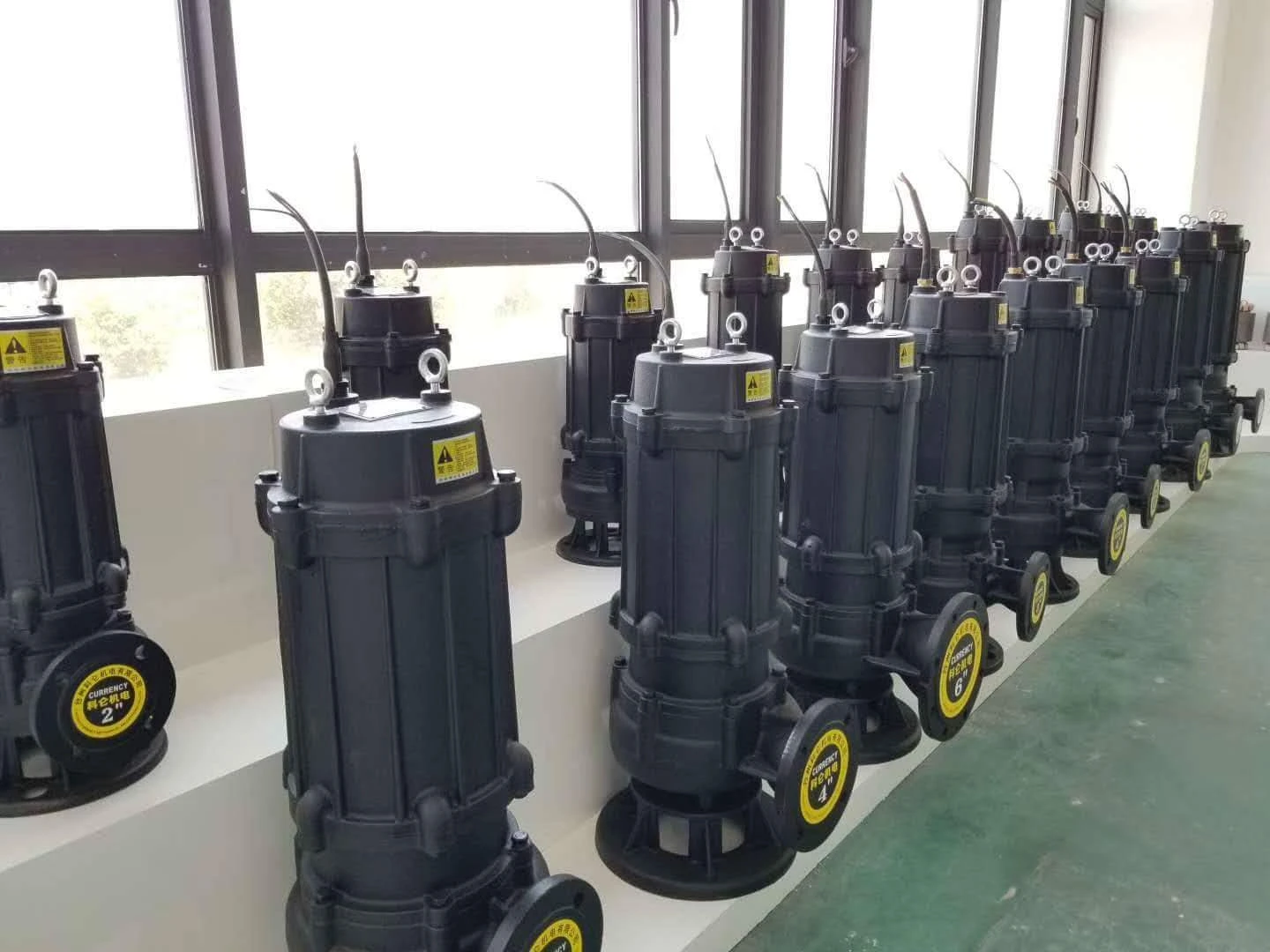
Slurry vacuum pumps are critical components in industrial processes requiring the transfer of abrasive or corrosive fluids and gases, typically mixtures of liquids and solids. They function by creating a vacuum to draw materials from a source and then positively displacing them through a discharge line. Unlike standard centrifugal pumps, slurry vacuum pumps are specifically engineered to handle the unique challenges presented by solids-laden flows, preventing clogging and minimizing wear. This guide provides an in-depth technical overview of these pumps, covering material science, manufacturing processes, performance characteristics, potential failure modes, and relevant industry standards. The increasing demand for efficient and reliable slurry handling in industries such as mining, wastewater treatment, chemical processing, and dredging drives the need for optimized pump design and robust operational practices. The core performance metrics revolve around suction lift, solids handling capability (particle size and concentration), abrasion resistance, and overall pump efficiency in challenging operating environments. Procurement managers and engineers face the key pain points of selecting the right pump type for the specific slurry characteristics, ensuring long-term reliability, minimizing downtime, and adhering to stringent safety and environmental regulations.
Material Science & Manufacturing
The construction of slurry vacuum pumps relies heavily on materials capable of withstanding abrasive wear, corrosion, and the mechanical stresses imposed by vacuum operation. Common materials include cast iron (for less aggressive slurries), stainless steels (304, 316, duplex grades for improved corrosion resistance), high-chromium cast iron (for exceptional abrasion resistance), and specialized alloys like Hastelloy or titanium (for highly corrosive environments). The impeller, casing, and seals are particularly susceptible to wear and are often manufactured from hardened materials. Manufacturing processes vary based on pump type. Rotary vane pumps often utilize precision casting and machining for the rotor and stator. Diaphragm pumps rely on the fabrication of flexible diaphragms from materials like nitrile rubber, EPDM, or PTFE, requiring precise molding and bonding techniques. Progressive cavity pumps (PCPs) necessitate tight tolerances in the helical rotor and stator, achieved through machining and potentially coating processes (e.g., tungsten carbide coating) to enhance wear resistance. Key parameter control includes material composition verification (spectroscopic analysis), hardness testing (Brinell, Vickers), dimensional accuracy (coordinate measuring machines – CMM), and non-destructive testing (NDT) such as radiography and ultrasonic testing to identify internal flaws. Seal material selection is critical; mechanical seals with hardened faces and appropriate elastomers are commonly used, with careful consideration of the slurry’s pH, temperature, and abrasive particle size. Proper heat treatment processes are vital for achieving the desired mechanical properties of cast components, minimizing residual stresses and maximizing fracture toughness.

Performance & Engineering
The performance of a slurry vacuum pump is dictated by several engineering principles. Suction lift is a critical parameter, determined by the pump's vacuum capability and the properties of the slurry (density, viscosity). Force analysis involves assessing the stresses on the impeller, casing, and shaft due to fluid pressure, solids impact, and rotational forces. Cavitation, a major concern in pump operation, occurs when the absolute pressure at the pump inlet drops below the vapor pressure of the slurry, forming vapor bubbles that collapse and cause localized erosion. Proper pump sizing, inlet piping design, and operational parameters (flow rate, suction pressure) are essential to prevent cavitation. Environmental resistance encompasses the pump’s ability to operate reliably in varying temperatures, humidity levels, and potentially corrosive atmospheres. Compliance requirements are stringent, particularly in industries dealing with hazardous materials. Pumps must adhere to standards related to electrical safety (ATEX, IECEx for explosive atmospheres), mechanical safety (ISO 13849 for safety-related parts of control systems), and environmental protection (discharge limits, noise emissions). Functional implementation involves careful selection of pump components based on the slurry’s characteristics. For highly abrasive slurries, a PC pump with a hardened stator is often preferred. For viscous slurries, a rotary vane pump with optimized vane geometry may be more suitable. Pump performance curves (flow rate vs. head, flow rate vs. power consumption) are essential for selecting the right pump and optimizing its operation.
Technical Specifications
| Parameter | Unit | Rotary Vane Pump | Diaphragm Pump |
|---|---|---|---|
| Maximum Suction Lift | m | 8 | 7 |
| Maximum Solids Handling | mm | 6 | 25 |
| Maximum Flow Rate | m³/h | 50 | 30 |
| Maximum Discharge Pressure | bar | 2 | 3 |
| Pump Material (Casing) | - | Cast Iron | Polypropylene |
| Pump Material (Impeller/Diaphragm) | - | Stainless Steel | Neoprene |
Failure Mode & Maintenance
Slurry vacuum pumps are susceptible to several failure modes. Fatigue cracking can occur in the impeller or casing due to cyclic stresses induced by the slurry flow and vacuum operation. Abrasion is a primary concern, leading to wear of the impeller, casing, and seals, reducing pump efficiency and potentially causing leakage. Delamination of coatings (e.g., tungsten carbide) can expose underlying materials to corrosion and abrasion. Corrosion, particularly in acidic or alkaline slurries, can lead to material degradation and structural failure. Seal failures are common, resulting in loss of vacuum and potential contamination. Oxidation can affect metallic components, reducing their strength and ductility. Preventive maintenance is crucial. Regular inspection of wear surfaces (impeller, casing, seals) is essential. Lubrication of bearings and seals prevents friction and wear. Filter maintenance ensures proper slurry flow and prevents clogging. Vibration analysis can detect early signs of bearing wear or imbalance. Regular testing of seal integrity prevents leakage and contamination. In the event of a failure, root cause analysis is critical to identify the underlying cause and prevent recurrence. This involves examining the failed components for signs of wear, corrosion, or fatigue, and reviewing operational data to identify potential contributing factors (e.g., excessive flow rate, improper slurry composition).
Industry FAQ
Q: What is the optimal impeller material for a slurry containing 70% silica sand by weight?
A: For a 70% silica sand slurry, a high-chromium cast iron impeller is highly recommended. The high chromium content significantly enhances abrasion resistance, minimizing wear and extending the impeller’s lifespan. While more expensive options like tungsten carbide coatings exist, high-chromium cast iron offers a cost-effective solution for this level of abrasiveness. Standard stainless steels would exhibit excessive wear rates.
Q: How does pump speed affect the wear rate of a progressive cavity pump handling a polymer-based slurry?
A: Increasing pump speed generally increases the wear rate in a PC pump. While higher speeds provide greater flow rates, they also intensify the shear forces acting on the slurry and the rotor-stator interface, accelerating abrasive wear. Optimizing pump speed involves finding a balance between desired flow rate and acceptable wear rates, often achieved through variable frequency drives (VFDs).
Q: What are the critical considerations for seal selection when handling a slurry with a pH of 2?
A: A slurry with a pH of 2 is highly acidic. Seal selection requires materials highly resistant to acid corrosion. PTFE (Teflon) or other fluoropolymer elastomers are generally preferred for the seal components. The seal faces should be made of corrosion-resistant materials like silicon carbide or tungsten carbide. Double mechanical seals with a barrier fluid can provide an extra layer of protection against corrosion and leakage.
Q: What preventative measures can be taken to mitigate cavitation damage in a slurry vacuum pump?
A: Mitigating cavitation requires maintaining sufficient suction head (Net Positive Suction Head Available – NPSHA) above the Net Positive Suction Head Required (NPSHR) by the pump. This can be achieved by lowering the pump relative to the slurry source, increasing the suction line diameter, reducing slurry viscosity, or controlling the slurry temperature. Regular monitoring of pump vibration and noise levels can also provide early warning signs of cavitation.
Q: How does the particle size distribution of the slurry affect the choice between a rotary vane and a diaphragm pump?
A: Rotary vane pumps are more sensitive to large particle sizes. If the slurry contains particles larger than the clearance between the vanes and the casing, the pump can be damaged. Diaphragm pumps, with their wider flow passages, can handle larger particles and are generally preferred for slurries with a broad particle size distribution or containing sizable solids. However, diaphragm pumps typically have lower flow rates compared to rotary vane pumps.
Conclusion
Slurry vacuum pumps represent a sophisticated engineering solution for demanding fluid handling applications. The selection and effective operation of these pumps are intrinsically linked to a thorough understanding of slurry characteristics, material science principles, and performance engineering considerations. Optimizing pump performance requires meticulous attention to detail, from material selection and manufacturing processes to preventive maintenance and failure analysis. Ultimately, a robust and reliable slurry handling system minimizes downtime, reduces operating costs, and ensures compliance with stringent safety and environmental regulations.
Future advancements in slurry pump technology will likely focus on the development of more wear-resistant materials, improved impeller designs to minimize cavitation and enhance efficiency, and the integration of smart sensors and predictive maintenance algorithms to optimize pump operation and prevent failures. The increasing emphasis on sustainability will also drive the development of more energy-efficient pumps and closed-loop slurry handling systems to minimize environmental impact.
-
Precision at the Pump: How Better Machining Protects Flow and Uptime
News2026-11-20
-
Why Pump Reliability Begins Before the First Drop of Fluid
News2026-11-20
-
Beyond the Pump: Designing Safer Access Around Critical Water Infrastructure
News2026-11-20
-
Why Pumping Stations Depend on the Infrastructure Beneath the Pumps
News2026-11-20
-
Beyond the Pump Room: How Smarter Loading Protects Industrial Equipment
News2026-11-19
-
When Pumps Stop: Designing More Resilient Power for Critical Pumping Systems
News2026-11-19
-
The Hidden Role of Dust and Gas Monitoring in Reliable Pump Operations
News2026-11-19
-
The Hidden Role of Mineral Compounds in Extending Industrial Pump Lifespan
News2026-10-12
-
Why Pump System Reliability Depends on Precision Hose Assembly Methods
News2026-09-15
-
How Advanced Imaging Films Are Transforming Pump Component Quality Control
News2026-08-25
-
How Advanced Filtration Protects Pump Systems from Premature Wear and Costly Downtime
News2026-08-25
-
How Steel Material Selection Drives Pump Reliability in Heavy-Duty Systems
News2026-08-25
-
Ensuring Pump System Efficiency: The Role of High-Quality Pipe Fittings and Tubing
News2026-08-24
-
Optimizing Fluid Dynamics and Material Consistency in Industrial Processing
News2026-08-18
-
Innovations and Challenges in Hydraulic Systems for Heavy Machinery
News2026-08-13




