English
- Afrikaans
- Albanian
- Amharic
- Arabic
- Armenian
- Azerbaijani
- Basque
- Belarusian
- Bengali
- Bosnian
- Bulgarian
- Catalan
- Cebuano
- Corsican
- Croatian
- Czech
- Danish
- Dutch
- English
- Esperanto
- Estonian
- Finnish
- French
- Frisian
- Galician
- Georgian
- German
- Greek
- Gujarati
- Haitian Creole
- hausa
- hawaiian
- Hebrew
- Hindi
- Miao
- Hungarian
- Icelandic
- igbo
- Indonesian
- irish
- Italian
- Japanese
- Javanese
- Kannada
- kazakh
- Khmer
- Rwandese
- Korean
- Kurdish
- Kyrgyz
- Lao
- Latin
- Latvian
- Lithuanian
- Luxembourgish
- Macedonian
- Malgashi
- Malay
- Malayalam
- Maltese
- Maori
- Marathi
- Mongolian
- Myanmar
- Nepali
- Norwegian
- Norwegian
- Occitan
- Pashto
- Persian
- Polish
- Portuguese
- Punjabi
- Romanian
- Russian
- Samoan
- Scottish Gaelic
- Serbian
- Sesotho
- Shona
- Sindhi
- Sinhala
- Slovak
- Slovenian
- Somali
- Spanish
- Sundanese
- Swahili
- Swedish
- Tagalog
- Tajik
- Tamil
- Tatar
- Telugu
- Thai
- Turkish
- Turkmen
- Ukrainian
- Urdu
- Uighur
- Uzbek
- Vietnamese
- Welsh
- Bantu
- Yiddish
- Yoruba
- Zulu

Telephone: +86 13120555503
Email: frank@cypump.com


Apr . 01, 2024 17:55 Back to list
slurry tanker pump parts Performance Analysis
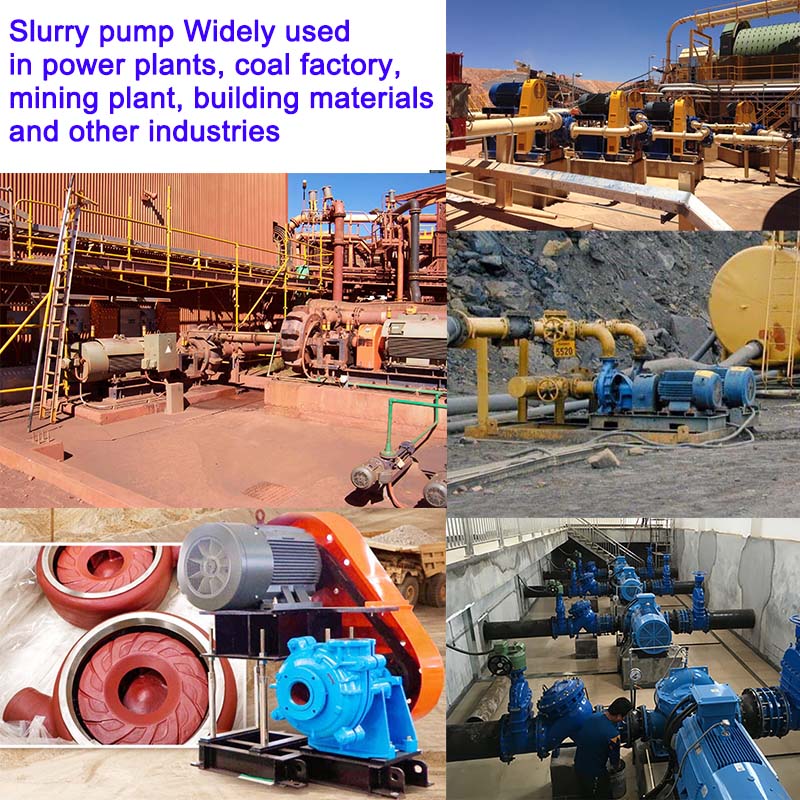
Introduction
Slurry tanker pump parts constitute a critical component within agricultural and industrial fluid handling systems. These parts, including impellers, casings, seals, and wear plates, are specifically engineered for the reliable and efficient transfer of dense, abrasive materials – typically agricultural slurries comprised of manure, water, and solids, or industrial waste containing particulate matter. Their technical position within the supply chain is multifaceted, serving not only the direct manufacturers of slurry tankers but also aftermarket service and replacement component providers. Core performance characteristics center around volumetric flow rate (m³/hr), head pressure (m), solids handling capability (percentage by volume and particle size), and resistance to corrosion and abrasion. A primary industry pain point is premature component failure due to the highly abrasive nature of the slurries, leading to downtime, maintenance costs, and potential environmental concerns related to leaks or spills. The selection of appropriate materials and robust design is paramount to mitigating these issues.
Material Science & Manufacturing
The materials utilized in slurry tanker pump parts are crucial for longevity and performance. Casings are frequently constructed from gray cast iron (ASTM A48 Class 30) due to its cost-effectiveness and good abrasion resistance, though ductile iron (ASTM A536 Grade 65-35) is increasingly preferred for increased tensile strength and impact resistance. Impellers often employ high chrome cast iron (typically 13-28% chromium) which significantly enhances resistance to abrasive wear. Shafts are typically manufactured from carbon steel (AISI 1045) heat-treated for enhanced durability and torsional strength. Seals rely on materials like nitrile rubber (NBR), Viton (FKM), or ethylene propylene diene monomer (EPDM) for compatibility with various slurry compositions and to ensure leak-free operation. Manufacturing processes vary depending on the component. Casings are commonly produced via sand casting, employing patterns created with CNC machining for dimensional accuracy. Impellers are also cast, often utilizing investment casting for complex geometries and finer surface finishes. Shafts are machined from bar stock using CNC lathes and milling centers. Welding, specifically shielded metal arc welding (SMAW) or gas tungsten arc welding (GTAW), is used for joining components and applying wear-resistant overlays (e.g., hardfacing with Stellite alloys). Key parameter control during manufacturing includes precise alloy composition verification (via spectroscopic analysis), dimensional inspection using coordinate measuring machines (CMMs), and non-destructive testing (NDT) methods like ultrasonic testing (UT) and magnetic particle inspection (MPI) to detect internal flaws and surface cracks.
Performance & Engineering
The performance of slurry tanker pump parts is governed by hydraulic principles and mechanical engineering considerations. Force analysis centers around stresses induced by fluid pressure, impeller rotation, and abrasive particle impact. Impeller design is critical, with blade geometry optimized for maximizing hydraulic efficiency and minimizing wear. Cavitation, the formation and collapse of vapor bubbles, is a significant concern; proper net positive suction head (NPSH) requirements must be maintained to prevent impeller damage. Environmental resistance is vital. Slurries can be highly corrosive, particularly those with high sulfide content or acidic pH. Material selection and protective coatings (e.g., epoxy or polyurethane) are implemented to mitigate corrosion. Compliance requirements vary by region. In Europe, CE marking is mandatory, demonstrating adherence to safety and performance standards. North American regulations may require compliance with ASME standards for pressure vessels and piping. Functional implementation relies on proper pump sizing, matching flow rate and head pressure to the specific application. Pump curves, generated through hydraulic testing, are utilized to select the optimal pump configuration. Bearing selection is also critical; robust bearings capable of withstanding radial and axial loads, and resistant to slurry ingress, are essential for reliable operation. Furthermore, the design must account for potential clogging and provide features for easy access for cleaning and maintenance.
Technical Specifications
| Parameter | Unit | Typical Range - Agricultural Slurry | Typical Range - Industrial Waste |
|---|---|---|---|
| Flow Rate | m³/hr | 20-150 | 50-500 |
| Head Pressure | m | 5-40 | 10-100 |
| Solids Handling | % by Volume | Up to 20 | Up to 60 |
| Impeller Material | - | High Chrome Cast Iron (15-25% Cr) | High Chrome Cast Iron (20-30% Cr) or Ceramic |
| Casing Material | - | Ductile Iron (ASTM A536 65-35) | Stainless Steel (316L) or Alloy 2205 |
| Seal Material | - | NBR or EPDM | Viton (FKM) or PTFE |
Failure Mode & Maintenance
Slurry tanker pump parts are susceptible to several failure modes. Abrasion is the most common, leading to impeller wear, casing erosion, and reduced pump efficiency. This is particularly pronounced when handling slurries with high sand content. Corrosion, as previously discussed, can cause pitting, cracking, and eventual component failure. Fatigue cracking can occur in shafts and impellers due to cyclical loading. Cavitation erosion results in localized material removal on impeller blades. Seal failure leads to leakage and potential contamination. Delamination of wear-resistant coatings can occur due to inadequate bonding or thermal stresses. Oxidation can affect metallic components exposed to corrosive environments. Professional maintenance solutions involve regular inspection of components for wear and damage, replacement of worn parts, proper lubrication of bearings, and verification of seal integrity. Implementing a preventative maintenance schedule, based on operating hours and slurry characteristics, is crucial. For abrasion resistance, consider applying ceramic coatings or utilizing hardened impeller materials. For corrosion prevention, employ appropriate protective coatings and ensure proper slurry pH control. When replacing seals, ensure compatibility with the slurry composition. Regularly monitor vibration levels to detect bearing wear or impeller imbalance.
Industry FAQ
Q: What is the impact of slurry particle size on pump component lifespan?
A: Larger particle sizes significantly reduce component lifespan. Larger particles cause more aggressive abrasion, accelerating wear on impellers, casings, and seals. Pumps handling larger particles require more robust materials and potentially lower operating speeds to minimize wear rates. Pre-screening the slurry to remove larger solids is often recommended.
Q: How does slurry pH affect material selection?
A: Slurry pH is a critical factor. Acidic slurries (low pH) promote corrosion of many common materials, including cast iron and carbon steel. Alkaline slurries (high pH) can also be corrosive, particularly to aluminum alloys. For acidic slurries, stainless steel (316L) or alloy 2205 are often recommended. For alkaline slurries, specialized coatings or corrosion-resistant polymers may be necessary.
Q: What are the key considerations for seal selection in slurry applications?
A: Seal selection requires careful consideration of slurry composition, temperature, and pressure. The seal material must be compatible with the slurry to prevent swelling, degradation, or cracking. Mechanical seals are generally preferred over packing seals for their improved sealing performance and reduced leakage. Double mechanical seals with a flush system can provide added protection and extend seal life.
Q: How can cavitation be prevented in slurry tanker pumps?
A: Cavitation can be prevented by ensuring adequate Net Positive Suction Head Available (NPSHa) exceeds the Net Positive Suction Head Required (NPSHr) by the pump. This means maintaining sufficient inlet pressure to prevent vapor bubble formation. Proper pump installation, minimizing suction lift, and avoiding restrictions in the suction line are essential.
Q: What are the benefits of using hardfacing on pump components?
A: Hardfacing, applying a wear-resistant alloy to surfaces exposed to abrasion, significantly extends component life. Stellite alloys are commonly used for hardfacing impellers and casings, providing exceptional resistance to abrasive wear. Hardfacing reduces the frequency of component replacement, lowers maintenance costs, and minimizes downtime.
Conclusion
Slurry tanker pump parts represent a complex interplay of material science, hydraulic engineering, and operational considerations. Their longevity and performance are fundamentally linked to appropriate material selection, robust manufacturing processes, and proactive maintenance strategies. The aggressive nature of slurry environments necessitates a focus on abrasion and corrosion resistance, demanding materials like high chrome cast iron, stainless steel, and durable polymers. Understanding failure modes—ranging from abrasion and cavitation to corrosion and fatigue—is crucial for implementing effective preventative maintenance programs.
Looking forward, advancements in materials science, such as the development of novel ceramic composites and advanced coatings, promise to further enhance the durability and efficiency of slurry tanker pump parts. Furthermore, the integration of sensor technology for real-time monitoring of pump performance and wear will enable predictive maintenance, minimizing downtime and optimizing operational efficiency. Continuous improvement in pump design and material selection will remain critical to meeting the evolving demands of the agricultural and industrial sectors.
-
Precision at the Pump: How Better Machining Protects Flow and Uptime
News2026-11-20
-
Why Pump Reliability Begins Before the First Drop of Fluid
News2026-11-20
-
Beyond the Pump: Designing Safer Access Around Critical Water Infrastructure
News2026-11-20
-
Why Pumping Stations Depend on the Infrastructure Beneath the Pumps
News2026-11-20
-
Beyond the Pump Room: How Smarter Loading Protects Industrial Equipment
News2026-11-19
-
When Pumps Stop: Designing More Resilient Power for Critical Pumping Systems
News2026-11-19
-
The Hidden Role of Dust and Gas Monitoring in Reliable Pump Operations
News2026-11-19
-
The Hidden Role of Mineral Compounds in Extending Industrial Pump Lifespan
News2026-10-12
-
Why Pump System Reliability Depends on Precision Hose Assembly Methods
News2026-09-15
-
How Advanced Imaging Films Are Transforming Pump Component Quality Control
News2026-08-25
-
How Advanced Filtration Protects Pump Systems from Premature Wear and Costly Downtime
News2026-08-25
-
How Steel Material Selection Drives Pump Reliability in Heavy-Duty Systems
News2026-08-25
-
Ensuring Pump System Efficiency: The Role of High-Quality Pipe Fittings and Tubing
News2026-08-24
-
Optimizing Fluid Dynamics and Material Consistency in Industrial Processing
News2026-08-18
-
Innovations and Challenges in Hydraulic Systems for Heavy Machinery
News2026-08-13




