English
- Afrikaans
- Albanian
- Amharic
- Arabic
- Armenian
- Azerbaijani
- Basque
- Belarusian
- Bengali
- Bosnian
- Bulgarian
- Catalan
- Cebuano
- Corsican
- Croatian
- Czech
- Danish
- Dutch
- English
- Esperanto
- Estonian
- Finnish
- French
- Frisian
- Galician
- Georgian
- German
- Greek
- Gujarati
- Haitian Creole
- hausa
- hawaiian
- Hebrew
- Hindi
- Miao
- Hungarian
- Icelandic
- igbo
- Indonesian
- irish
- Italian
- Japanese
- Javanese
- Kannada
- kazakh
- Khmer
- Rwandese
- Korean
- Kurdish
- Kyrgyz
- Lao
- Latin
- Latvian
- Lithuanian
- Luxembourgish
- Macedonian
- Malgashi
- Malay
- Malayalam
- Maltese
- Maori
- Marathi
- Mongolian
- Myanmar
- Nepali
- Norwegian
- Norwegian
- Occitan
- Pashto
- Persian
- Polish
- Portuguese
- Punjabi
- Romanian
- Russian
- Samoan
- Scottish Gaelic
- Serbian
- Sesotho
- Shona
- Sindhi
- Sinhala
- Slovak
- Slovenian
- Somali
- Spanish
- Sundanese
- Swahili
- Swedish
- Tagalog
- Tajik
- Tamil
- Tatar
- Telugu
- Thai
- Turkish
- Turkmen
- Ukrainian
- Urdu
- Uighur
- Uzbek
- Vietnamese
- Welsh
- Bantu
- Yiddish
- Yoruba
- Zulu

Telephone: +86 13120555503
Email: frank@cypump.com


Apr . 01, 2024 17:55 Back to list
slurry tanker hydraulic pump Performance Analysis
Introduction
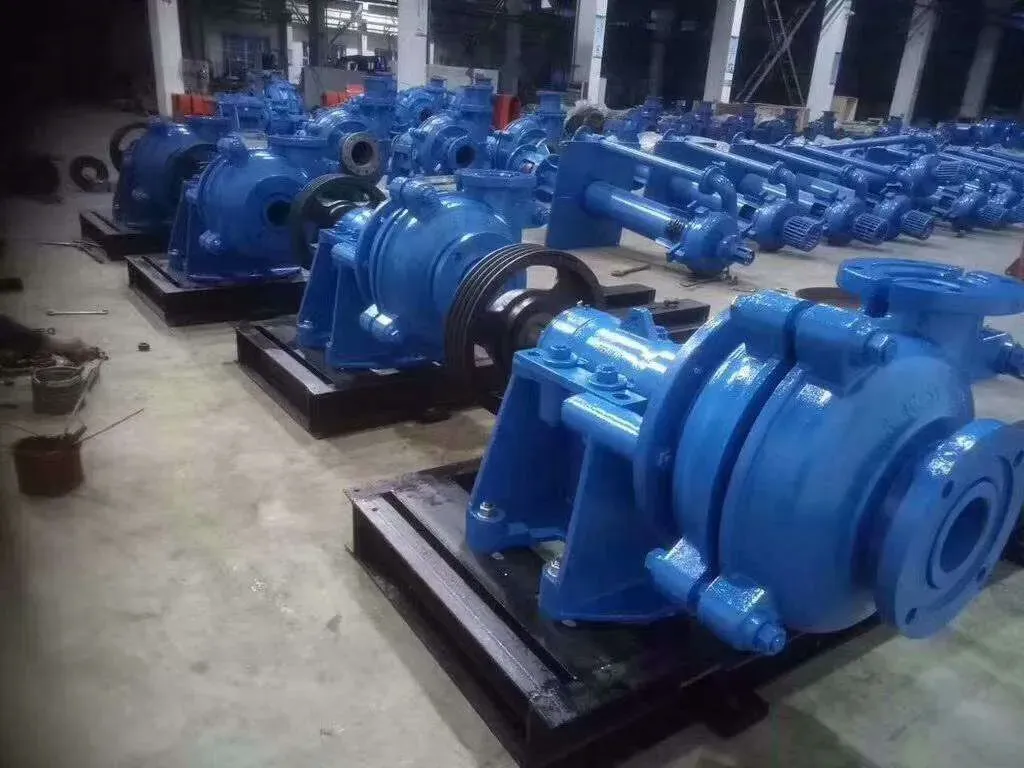
Slurry tanker hydraulic pumps are critical components in agricultural and industrial applications, responsible for the efficient transfer of viscous, abrasive materials such as manure, sludge, and industrial waste. These pumps utilize hydraulic power to generate the necessary flow and pressure for long-distance transport through pipelines. Unlike centrifugal pumps, hydraulic pumps excel in handling solids-laden slurries due to their positive displacement nature, minimizing clogging and maximizing throughput. Their technical position within the slurry handling chain lies between the slurry source (e.g., lagoon, digester) and the application point (e.g., field, processing facility). Core performance characteristics center around flow rate (m³/hr), discharge pressure (bar), solid handling capability (particle size and concentration), and overall system efficiency. The industry faces continual pressures to improve pump longevity in abrasive environments, reduce energy consumption, and enhance reliability to minimize downtime during critical application periods.
Material Science & Manufacturing
The construction of a slurry tanker hydraulic pump involves several key materials, each selected for specific properties. Pump housings are commonly manufactured from high-grade cast iron (ASTM A48 Class 30) for its robustness and wear resistance, or stainless steel (316L) for superior corrosion resistance in aggressive slurry environments. Impellers, the rotating components responsible for generating flow, are frequently constructed from hardened alloy steel (e.g., 4Cr13) or high-chrome iron alloys, chosen for their ability to withstand abrasive wear. Seals are typically made from materials like Viton or EPDM, selected for their chemical compatibility with various slurry compositions and their ability to maintain a tight seal under pressure. Manufacturing processes include sand casting for housings, investment casting for impellers, and precision machining for critical components. Hydraulic cylinders utilize honed cylinder tubes constructed from induction-hardened steel (SAE 1045) paired with chrome-plated piston rods for corrosion resistance and durability. Parameter control during manufacturing is paramount; impeller balancing is critical to prevent vibration and premature failure. Weld procedures for housing construction must adhere to AWS D1.1 standards to ensure structural integrity. The choice of surface coatings, such as tungsten carbide or ceramic, is increasingly common to further enhance wear resistance in highly abrasive applications.
Performance & Engineering
The performance of a slurry tanker hydraulic pump is dictated by several engineering considerations. Force analysis focuses on the stresses induced by slurry pressure and impeller rotation, requiring careful design of housing thickness and impeller geometry to prevent cracking or deformation. Environmental resistance is a key factor, as pumps operate in exposed conditions. Corrosion protection, achieved through material selection and protective coatings, is vital. Pump performance is often evaluated using metrics defined by ISO 13709 for positive displacement pumps. Hydraulic systems employed are typically closed-loop, utilizing a hydraulic oil reservoir, pump, valves, and hoses to transmit power to the slurry pump. System efficiency is influenced by hydraulic oil viscosity, hose diameter, and valve performance. Compliance requirements, particularly related to safety and environmental regulations, are stringent. For instance, pumps handling hazardous materials must comply with ATEX directives regarding explosion protection. The functional implementation relies on precise hydraulic control to regulate slurry flow rate and pressure, often incorporating variable displacement mechanisms and pressure relief valves to prevent overpressure situations. Cavitation, a major concern with slurry pumps, is mitigated by optimizing impeller design and maintaining sufficient Net Positive Suction Head Available (NPSHA).
Technical Specifications
| Parameter | Unit | Typical Range | Description |
|---|---|---|---|
| Flow Rate | m³/hr | 50 - 200 | Volume of slurry pumped per hour. |
| Discharge Pressure | bar | 10 - 50 | Maximum pressure the pump can generate. |
| Solid Handling Capacity | mm | Up to 75 | Maximum particle size the pump can handle. |
| Slurry Concentration (Solids %) | % | Up to 60 | Maximum percentage of solids in the slurry. |
| Hydraulic Oil Flow Rate | L/min | 30 - 80 | Flow rate of hydraulic oil powering the pump. |
| Hydraulic Oil Pressure | bar | 150 - 250 | Pressure of the hydraulic oil powering the pump. |
Failure Mode & Maintenance
Slurry tanker hydraulic pumps are susceptible to several failure modes. Abrasive wear is a primary concern, leading to impeller erosion, liner damage, and reduced pump efficiency. Fatigue cracking can occur in the pump housing and impeller due to cyclical loading and stress concentrations. Cavitation, resulting from low NPSHA or improper impeller design, causes pitting and erosion of impeller vanes. Seal failure, caused by abrasion or chemical incompatibility, leads to leakage and reduced pump performance. Hydraulic system failures, such as hose rupture, valve malfunction, or cylinder leaks, can disrupt pump operation. Preventive maintenance is crucial. Regular inspection of the impeller and liner for wear is recommended, alongside routine seal replacement. Hydraulic oil should be analyzed for contamination and viscosity changes. Proper lubrication of bearings and moving parts is essential. For abrasive wear, hardened impeller materials or ceramic liners can extend component life. In the event of cavitation, increasing the suction head or modifying the impeller design can mitigate the issue. Scheduled hydraulic hose replacement and valve testing are essential for maintaining system integrity. Non-destructive testing methods, such as ultrasonic testing, can be used to detect cracks in the pump housing and impeller before catastrophic failure occurs.
Industry FAQ
Q: What is the impact of slurry composition on pump selection?
A: Slurry composition significantly influences pump selection. Factors like solid content, particle size, abrasive nature, and chemical properties dictate the required pump materials and design. Highly abrasive slurries necessitate hardened impellers and liners. Corrosive slurries require stainless steel or chemically resistant coatings. Higher solid concentrations demand pumps with larger clearances and robust designs to prevent clogging.
Q: How do I determine the appropriate pump size for my application?
A: Pump sizing requires careful consideration of flow rate, discharge pressure, and total dynamic head (TDH). TDH accounts for the static head (vertical lift), friction losses in the pipeline, and pressure requirements at the discharge point. It's essential to accurately calculate these parameters and select a pump that can deliver the required performance without being oversized or undersized.
Q: What are the common causes of pump cavitation and how can they be prevented?
A: Cavitation occurs when the absolute pressure at the pump inlet drops below the vapor pressure of the slurry, forming vapor bubbles that collapse and damage the impeller. Common causes include insufficient NPSHA, high slurry temperature, and restricted inlet flow. Prevention involves increasing the suction head, reducing slurry temperature, ensuring adequate inlet pipe diameter, and optimizing impeller design.
Q: How important is preventative maintenance for slurry pumps?
A: Preventative maintenance is critically important for slurry pumps. Regular inspection, lubrication, and component replacement significantly extend pump life and reduce downtime. Ignoring maintenance can lead to catastrophic failures and costly repairs. A well-defined maintenance schedule should be implemented based on operating conditions and pump usage.
Q: What are the benefits of using a hydraulic drive system versus a direct drive?
A: Hydraulic drive systems offer several advantages for slurry pumps. They provide variable speed control, allowing for precise flow rate adjustment. They also offer increased torque and the ability to operate at lower speeds, reducing wear. Furthermore, hydraulic systems allow for remote pump control and protection against overload conditions.
Conclusion
Slurry tanker hydraulic pumps represent a specialized technology essential for the efficient handling of challenging fluid mixtures. Their selection and implementation necessitate a deep understanding of material science, hydraulic principles, and the specific characteristics of the slurry being pumped. Addressing industry pain points related to abrasive wear, corrosion, and operational reliability requires diligent maintenance practices and the adoption of advanced materials and design features.
Looking ahead, advancements in pump monitoring systems, predictive maintenance algorithms, and the development of even more wear-resistant materials will further enhance the performance and longevity of these critical components. The continuous demand for increased efficiency and reduced environmental impact will drive innovation in hydraulic pump technology, fostering the development of more sustainable and cost-effective slurry handling solutions.
-
Precision at the Pump: How Better Machining Protects Flow and Uptime
News2026-11-20
-
Why Pump Reliability Begins Before the First Drop of Fluid
News2026-11-20
-
Beyond the Pump: Designing Safer Access Around Critical Water Infrastructure
News2026-11-20
-
Why Pumping Stations Depend on the Infrastructure Beneath the Pumps
News2026-11-20
-
Beyond the Pump Room: How Smarter Loading Protects Industrial Equipment
News2026-11-19
-
When Pumps Stop: Designing More Resilient Power for Critical Pumping Systems
News2026-11-19
-
The Hidden Role of Dust and Gas Monitoring in Reliable Pump Operations
News2026-11-19
-
The Hidden Role of Mineral Compounds in Extending Industrial Pump Lifespan
News2026-10-12
-
Why Pump System Reliability Depends on Precision Hose Assembly Methods
News2026-09-15
-
How Advanced Imaging Films Are Transforming Pump Component Quality Control
News2026-08-25
-
How Advanced Filtration Protects Pump Systems from Premature Wear and Costly Downtime
News2026-08-25
-
How Steel Material Selection Drives Pump Reliability in Heavy-Duty Systems
News2026-08-25
-
Ensuring Pump System Efficiency: The Role of High-Quality Pipe Fittings and Tubing
News2026-08-24
-
Optimizing Fluid Dynamics and Material Consistency in Industrial Processing
News2026-08-18
-
Innovations and Challenges in Hydraulic Systems for Heavy Machinery
News2026-08-13




