English
- Afrikaans
- Albanian
- Amharic
- Arabic
- Armenian
- Azerbaijani
- Basque
- Belarusian
- Bengali
- Bosnian
- Bulgarian
- Catalan
- Cebuano
- Corsican
- Croatian
- Czech
- Danish
- Dutch
- English
- Esperanto
- Estonian
- Finnish
- French
- Frisian
- Galician
- Georgian
- German
- Greek
- Gujarati
- Haitian Creole
- hausa
- hawaiian
- Hebrew
- Hindi
- Miao
- Hungarian
- Icelandic
- igbo
- Indonesian
- irish
- Italian
- Japanese
- Javanese
- Kannada
- kazakh
- Khmer
- Rwandese
- Korean
- Kurdish
- Kyrgyz
- Lao
- Latin
- Latvian
- Lithuanian
- Luxembourgish
- Macedonian
- Malgashi
- Malay
- Malayalam
- Maltese
- Maori
- Marathi
- Mongolian
- Myanmar
- Nepali
- Norwegian
- Norwegian
- Occitan
- Pashto
- Persian
- Polish
- Portuguese
- Punjabi
- Romanian
- Russian
- Samoan
- Scottish Gaelic
- Serbian
- Sesotho
- Shona
- Sindhi
- Sinhala
- Slovak
- Slovenian
- Somali
- Spanish
- Sundanese
- Swahili
- Swedish
- Tagalog
- Tajik
- Tamil
- Tatar
- Telugu
- Thai
- Turkish
- Turkmen
- Ukrainian
- Urdu
- Uighur
- Uzbek
- Vietnamese
- Welsh
- Bantu
- Yiddish
- Yoruba
- Zulu

Telephone: +86 13120555503
Email: frank@cypump.com


Apr . 01, 2024 17:55 Back to list
Slurry Tank Pump Repair Performance Analysis
Introduction
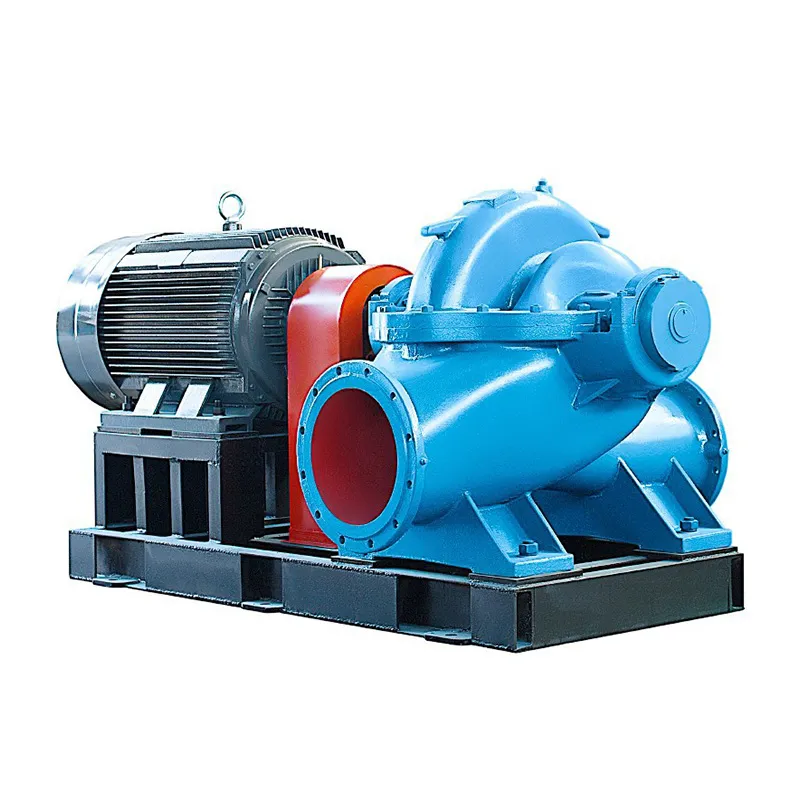
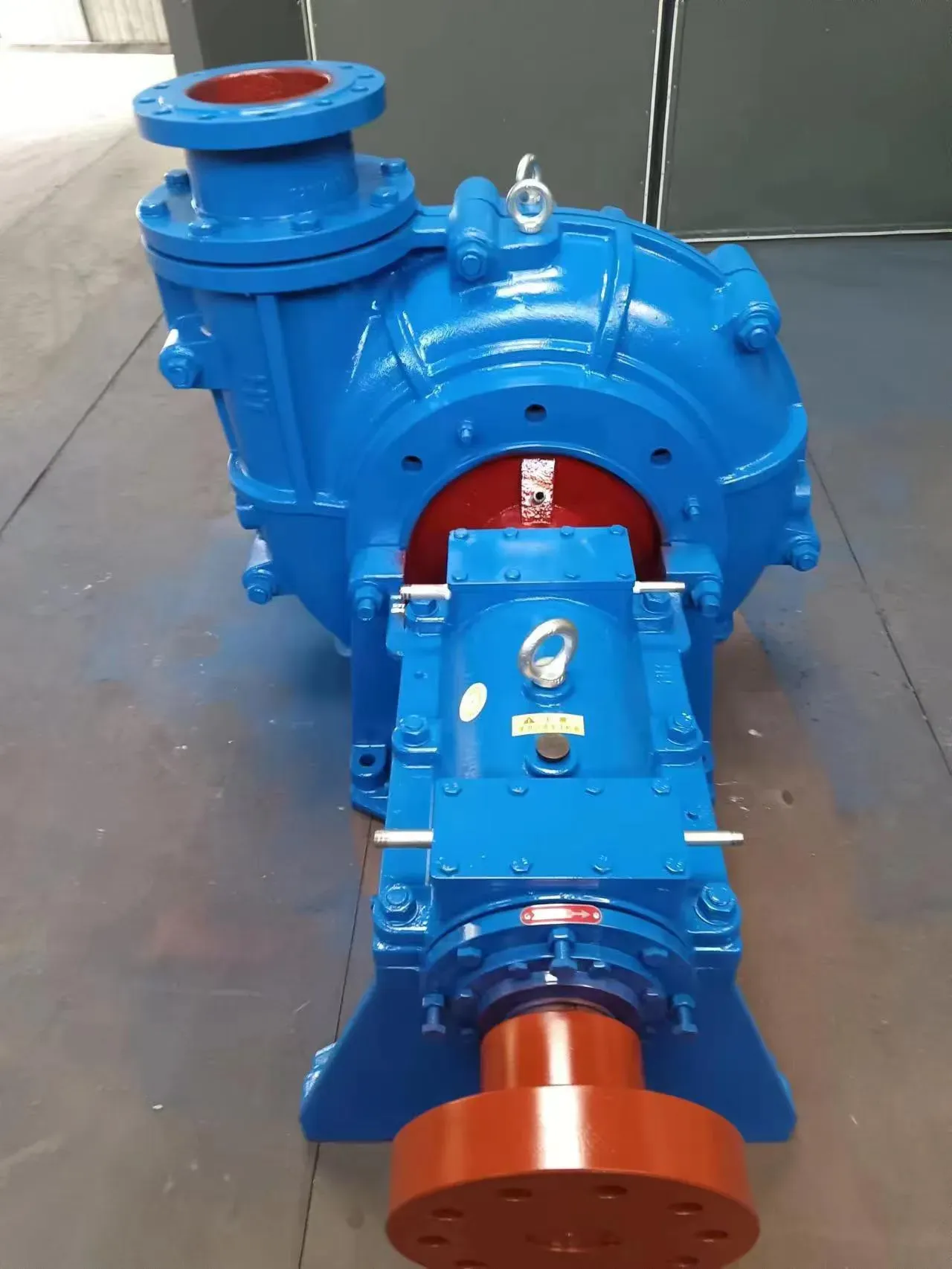
Slurry tank pumps are critical components in numerous industrial processes, facilitating the transfer of abrasive and corrosive mixtures found in mining, wastewater treatment, chemical processing, and dredging operations. Repair, rather than replacement, of these pumps presents a significant economic and logistical advantage, minimizing downtime and reducing operational costs. This guide provides an in-depth technical analysis of slurry tank pump repair, covering material science, manufacturing considerations, performance factors, failure modes, maintenance procedures, and relevant industry standards. The core pain points addressed are premature wear, component degradation due to slurry characteristics, and maintaining operational efficiency despite harsh service conditions. The performance of these pumps is fundamentally tied to the erosion resistance of their components, the integrity of their seals, and the ability to maintain volumetric efficiency under varying slurry densities and flow rates. Effective repair necessitates a thorough understanding of these factors and adherence to established best practices.
Material Science & Manufacturing
Slurry tank pumps are constructed from materials selected for their resistance to abrasion, corrosion, and erosion. Common materials include high-chrome cast iron (typically 15-30% chromium), various stainless steel alloys (304, 316, duplex stainless steel), and specialized polymer linings (rubber, polyurethane, epoxy). The manufacturing process dictates the inherent material properties and potential failure points. Pump casings are commonly manufactured using sand casting or investment casting, impacting surface finish and internal stresses. Impellers, critical for generating hydraulic force, are often manufactured through centrifugal casting to achieve a dense, erosion-resistant structure. Seals, vital for preventing leakage, are manufactured using elastomers like Viton, EPDM, or PTFE, compounded for specific chemical compatibility. Welding is extensively used in repair operations, requiring qualified welders and precise control of heat input to avoid distortion and maintain material integrity. Post-weld heat treatment (PWHT) is crucial for mitigating residual stresses. The hardness of the chrome carbides within high-chrome iron directly impacts abrasion resistance, quantified by Rockwell C hardness testing. Polymer linings are applied through molding or spraying, necessitating surface preparation techniques like grit blasting to ensure adequate adhesion. Material compatibility with the slurry composition (pH, particle size, solids concentration) is paramount; improper material selection accelerates corrosion and wear.
Performance & Engineering
The performance of a slurry tank pump is governed by hydraulic principles, specifically affinity laws relating flow rate, head, and power consumption. Engineers must analyze pump curves to determine operating points and ensure compatibility with the system requirements. Force analysis is critical in assessing component stresses, particularly in the impeller and volute. Finite Element Analysis (FEA) is frequently employed to predict stress concentrations and identify areas prone to fatigue failure. Environmental resistance is a key consideration; exposure to extreme temperatures, corrosive chemicals, and abrasive particles degrades pump performance. Compliance requirements often dictate specific material certifications and testing procedures. For example, pumps handling potable water require NSF/ANSI 61 certification. The selection of impeller type (open, semi-open, closed) is dictated by the slurry characteristics. Open impellers are preferred for slurries with high solids content, while closed impellers offer higher efficiency for cleaner fluids. Seal design is crucial for preventing leakage and ensuring pump efficiency. Mechanical seals, employing face materials like silicon carbide or tungsten carbide, are commonly used for abrasive slurries. Proper seal lubrication and cooling are essential for longevity. Volumetric efficiency, the ratio of actual flow rate to theoretical flow rate, is impacted by wear and clearances within the pump. Regular monitoring of pump performance parameters (flow rate, pressure, power consumption) allows for early detection of degradation and proactive maintenance.
Technical Specifications
| Parameter | Unit | Typical Range (Repair Target) | Acceptance Criteria Post-Repair |
|---|---|---|---|
| Impeller Hardness | Rockwell C (HRC) | 58-65 | ≥ 58 HRC after re-profiling/welding |
| Casing Wall Thickness (Minimum) | mm | 8-15 (depending on size) | ≥ Original Specification – no reduction allowed |
| Seal Face Roughness | µm Ra | <0.8 | <0.4 after lapping/polishing |
| Shaft Runout | mm | <0.05 | <0.03 after alignment and balancing |
| Volute Clearance | mm | 0.2-0.8 | Within original manufacturer's specifications |
| Hydrostatic Pressure Test | Bar | 1.5 x Operating Pressure | No leakage or deformation observed |
Failure Mode & Maintenance
Slurry tank pumps are susceptible to various failure modes. Erosion is a primary concern, particularly in the impeller and volute, leading to reduced pump efficiency and ultimately, component failure. Corrosion, especially in acidic or alkaline slurries, degrades material integrity. Fatigue cracking can occur in the shaft and impeller due to cyclic loading. Cavitation, caused by low suction pressure, forms vapor bubbles that collapse and erode pump components. Seal failure leads to leakage and potential contamination. Abrasive wear from solid particles within the slurry causes dimensional changes and reduced clearances. Preventive maintenance is crucial, including regular visual inspections for wear and corrosion, monitoring of vibration levels, and lubrication of bearings and seals. Bearing failure can be identified through temperature monitoring and vibration analysis. Impeller re-profiling or replacement is necessary when erosion significantly reduces pump performance. Casing repairs often involve welding and overlaying with erosion-resistant materials. Seal replacement should be performed according to the manufacturer’s recommendations. Non-destructive testing (NDT) methods, such as liquid penetrant inspection (LPI) and ultrasonic testing (UT), are used to detect cracks and other defects. Regular alignment of the pump and motor is essential to prevent premature bearing wear and shaft fatigue. Detailed records of maintenance activities and component replacements are essential for tracking pump performance and identifying recurring issues.
Industry FAQ
Q: What is the typical lifespan of a high-chrome iron impeller in a highly abrasive slurry application?
A: The lifespan of a high-chrome iron impeller varies significantly depending on the slurry composition, particle size distribution, flow velocity, and operating hours. However, in a severely abrasive application, a lifespan of 6-18 months is typical. Regular monitoring of impeller wear rates and proactive replacement are critical to prevent catastrophic failure and maintain pump efficiency.
Q: How do you determine the appropriate welding procedure for repairing a cracked pump casing?
A: The welding procedure must be carefully selected based on the casing material, the type of crack, and the operating conditions. A qualified welding engineer should develop a Welding Procedure Specification (WPS) that specifies the welding process (e.g., SMAW, GMAW), filler metal, pre-heat and post-weld heat treatment (PWHT) temperatures, and welding parameters. PWHT is crucial to relieve residual stresses and prevent future cracking.
Q: What are the key considerations when selecting a mechanical seal for a slurry pump?
A: Key considerations include the slurry’s abrasiveness, corrosiveness, temperature, and pressure. Seal face materials (e.g., silicon carbide, tungsten carbide) must be resistant to abrasion and corrosion. The seal design should incorporate features to prevent solids from lodging between the seal faces. Adequate seal flush lubrication and cooling are also critical.
Q: How can we mitigate cavitation damage in a slurry pump?
A: Cavitation can be mitigated by increasing the suction pressure, reducing the pump speed, or using an impeller with a lower suction specific speed. Ensuring adequate Net Positive Suction Head Available (NPSHA) is essential. Regular inspection for impeller damage is also important.
Q: What role does impeller balancing play in extending pump life?
A: Impeller balancing is crucial for minimizing vibration and reducing stress on the bearings and shaft. An unbalanced impeller can cause excessive vibration, leading to premature bearing failure and potential shaft fatigue. Dynamic balancing should be performed after any impeller repair or modification.
Conclusion
Effective slurry tank pump repair is a complex undertaking demanding a thorough understanding of material science, manufacturing processes, and hydraulic principles. The longevity and reliability of these pumps are inextricably linked to the correct selection of materials, meticulous repair procedures, and proactive maintenance practices. Addressing the core pain points of abrasion, corrosion, and seal failure through targeted interventions, such as material upgrades, welding repairs, and seal replacements, is paramount.
Looking ahead, advancements in materials science, such as the development of new ceramic composites and advanced polymer coatings, promise to further enhance the erosion and corrosion resistance of slurry pump components. The integration of predictive maintenance technologies, including vibration analysis and machine learning algorithms, will enable more proactive and cost-effective repair strategies. Prioritizing comprehensive repair programs and adhering to industry standards will continue to be essential for maximizing the operational lifespan and minimizing the total cost of ownership of slurry tank pumps.
-
Precision at the Pump: How Better Machining Protects Flow and Uptime
News2026-11-20
-
Why Pump Reliability Begins Before the First Drop of Fluid
News2026-11-20
-
Beyond the Pump: Designing Safer Access Around Critical Water Infrastructure
News2026-11-20
-
Why Pumping Stations Depend on the Infrastructure Beneath the Pumps
News2026-11-20
-
Beyond the Pump Room: How Smarter Loading Protects Industrial Equipment
News2026-11-19
-
When Pumps Stop: Designing More Resilient Power for Critical Pumping Systems
News2026-11-19
-
The Hidden Role of Dust and Gas Monitoring in Reliable Pump Operations
News2026-11-19
-
The Hidden Role of Mineral Compounds in Extending Industrial Pump Lifespan
News2026-10-12
-
Why Pump System Reliability Depends on Precision Hose Assembly Methods
News2026-09-15
-
How Advanced Imaging Films Are Transforming Pump Component Quality Control
News2026-08-25
-
How Advanced Filtration Protects Pump Systems from Premature Wear and Costly Downtime
News2026-08-25
-
How Steel Material Selection Drives Pump Reliability in Heavy-Duty Systems
News2026-08-25
-
Ensuring Pump System Efficiency: The Role of High-Quality Pipe Fittings and Tubing
News2026-08-24
-
Optimizing Fluid Dynamics and Material Consistency in Industrial Processing
News2026-08-18
-
Innovations and Challenges in Hydraulic Systems for Heavy Machinery
News2026-08-13




