English
- Afrikaans
- Albanian
- Amharic
- Arabic
- Armenian
- Azerbaijani
- Basque
- Belarusian
- Bengali
- Bosnian
- Bulgarian
- Catalan
- Cebuano
- Corsican
- Croatian
- Czech
- Danish
- Dutch
- English
- Esperanto
- Estonian
- Finnish
- French
- Frisian
- Galician
- Georgian
- German
- Greek
- Gujarati
- Haitian Creole
- hausa
- hawaiian
- Hebrew
- Hindi
- Miao
- Hungarian
- Icelandic
- igbo
- Indonesian
- irish
- Italian
- Japanese
- Javanese
- Kannada
- kazakh
- Khmer
- Rwandese
- Korean
- Kurdish
- Kyrgyz
- Lao
- Latin
- Latvian
- Lithuanian
- Luxembourgish
- Macedonian
- Malgashi
- Malay
- Malayalam
- Maltese
- Maori
- Marathi
- Mongolian
- Myanmar
- Nepali
- Norwegian
- Norwegian
- Occitan
- Pashto
- Persian
- Polish
- Portuguese
- Punjabi
- Romanian
- Russian
- Samoan
- Scottish Gaelic
- Serbian
- Sesotho
- Shona
- Sindhi
- Sinhala
- Slovak
- Slovenian
- Somali
- Spanish
- Sundanese
- Swahili
- Swedish
- Tagalog
- Tajik
- Tamil
- Tatar
- Telugu
- Thai
- Turkish
- Turkmen
- Ukrainian
- Urdu
- Uighur
- Uzbek
- Vietnamese
- Welsh
- Bantu
- Yiddish
- Yoruba
- Zulu

Telephone: +86 13120555503
Email: frank@cypump.com


Apr . 01, 2024 17:55 Back to list
slurry submersible pump Performance Analysis
Introduction
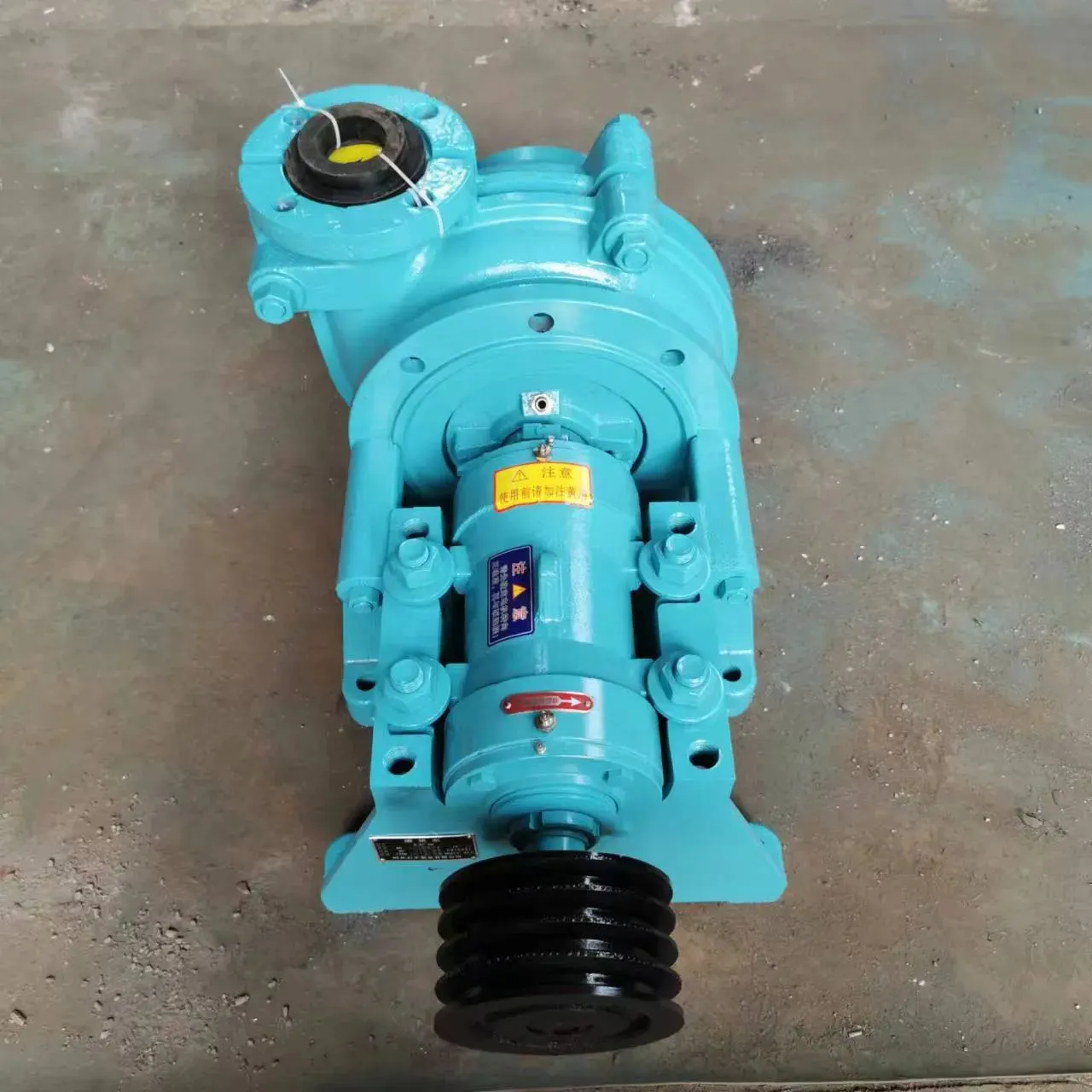
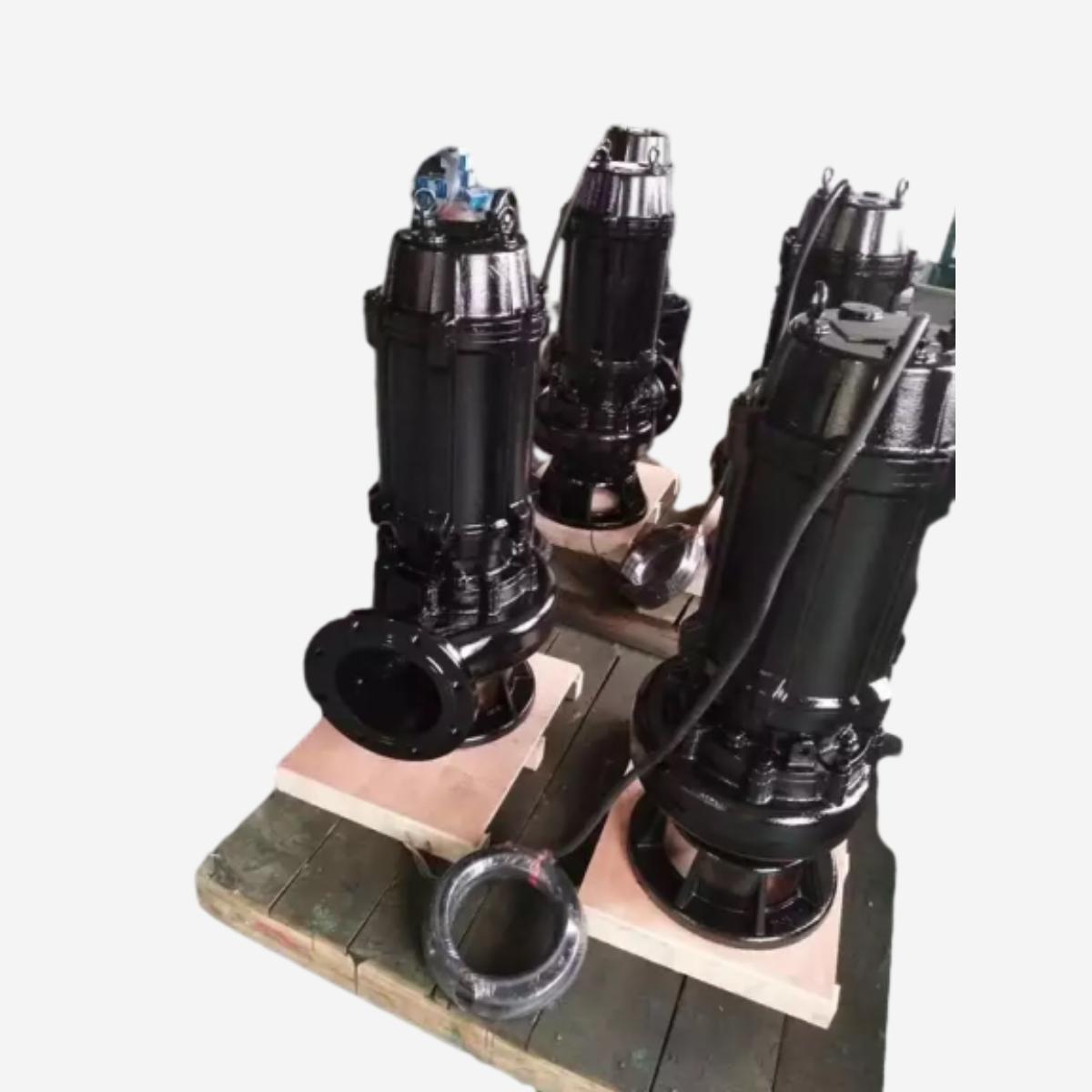
Slurry submersible pumps are centrifugal pumps specifically designed for handling abrasive and highly concentrated slurries in a submerged environment. Positioned within the mining, dredging, wastewater treatment, and industrial processing sectors, they represent a critical component in materials transport and process efficiency. Unlike traditional surface pumps, submersible designs eliminate the need for suction lift, reducing priming issues and enhancing operational reliability, particularly in applications with fluctuating fluid levels or gas entrainment. Core performance characteristics revolve around solids handling capability, abrasion resistance, hydraulic efficiency, and robust construction to withstand corrosive environments. These pumps are engineered to deliver consistent flow rates and pressures while minimizing downtime and maintenance in demanding industrial settings. The selection of materials, impeller design, and sealing systems are paramount to achieving optimal performance and longevity in specific applications.
Material Science & Manufacturing
The construction of slurry submersible pumps heavily relies on material science principles to combat abrasion, corrosion, and erosion. Pump casings are frequently constructed from high-chrome cast iron (typically 26-28% chromium) or stainless steels (304, 316, duplex stainless steels) depending on the slurry’s chemical composition and abrasive characteristics. High-chrome iron offers exceptional resistance to sliding abrasion, crucial for handling sand, gravel, and mineral slurries. Impellers are similarly made from high-chrome iron or utilize specialized rubber linings and polyurethane coatings to further enhance abrasion resistance and reduce wear rates. Shafts are typically forged from alloy steels (4140, 4340) and hardened to provide torsional strength and resistance to bending moments. Seals are a critical component, often employing mechanical seals with tungsten carbide faces for longevity and reliability.
Manufacturing processes involve several key stages. Casing production utilizes sand casting, followed by heat treatment to achieve desired hardness and ductility. Impellers are created using investment casting or sand casting, requiring precision to maintain hydraulic efficiency. Welding processes (SMAW, GMAW) are employed for joining components, demanding qualified welders and stringent quality control to ensure structural integrity. Rubber linings are applied through vulcanization, bonding the rubber to the metal substrate. Submersible motor construction involves stator winding, encapsulation in epoxy resin for electrical insulation and water protection, and assembly with robust bearings and sealing systems. Key parameter control includes maintaining precise chemical compositions of alloys, consistent heat treatment cycles, proper weld bead geometry, and rigorous dimensional inspection throughout the manufacturing process. Non-destructive testing (NDT) methods like radiographic testing (RT) and ultrasonic testing (UT) are employed to detect internal flaws and ensure component integrity.
Performance & Engineering
Performance analysis of slurry submersible pumps centers around hydraulic efficiency, solids handling capacity, and power consumption. Force analysis considers the hydrostatic pressure at the pump’s submerged depth, the dynamic forces generated by slurry flow, and the mechanical stresses induced by impeller rotation. Cavitation is a significant concern, particularly when handling low-Net Positive Suction Head Available (NPSHA) slurries. Impeller design, including vane angles, impeller diameter, and shroud configuration, directly impacts pump head, flow rate, and susceptibility to cavitation. Environmental resistance is crucial, especially in corrosive environments. Material selection must account for pH levels, chloride content, and the presence of aggressive chemicals within the slurry.
Compliance requirements often dictate adherence to specific standards related to electrical safety (IEC 60034-1, IEC 60076), hydraulic performance (ISO 9906), and environmental protection (ATEX certification for potentially explosive atmospheres). Pump selection must consider the slurry’s specific gravity, particle size distribution, and solids concentration. Higher solids concentrations require larger impeller passages and increased pump power. Pump curves provide essential performance data, illustrating the relationship between flow rate, head, power consumption, and efficiency. Proper system integration, including pipeline sizing and discharge configuration, is vital to maximizing pump performance and minimizing energy losses. Vibration analysis is routinely performed to detect bearing wear, impeller imbalance, or hydraulic instabilities.
Technical Specifications
| Parameter | Unit | Typical Range (Small Pump) | Typical Range (Large Pump) |
|---|---|---|---|
| Flow Rate | m³/h | 5 – 50 | 100 – 800 |
| Head | m | 10 – 30 | 50 – 150 |
| Motor Power | kW | 1.5 – 7.5 | 30 – 250 |
| Maximum Solids Size | mm | 10 – 25 | 50 – 150 |
| Slurry Concentration (Max) | % by weight | 20 – 40 | 60 – 80 |
| Operating Temperature | °C | -20 to +60 | -20 to +80 |
Failure Mode & Maintenance
Slurry submersible pumps are susceptible to various failure modes. Abrasive wear is the most common, leading to impeller erosion, casing thinning, and reduced pump efficiency. Corrosion, particularly in acidic or alkaline slurries, causes material degradation and potential leakage. Mechanical seal failure results in water ingress into the motor or slurry leakage into the environment. Bearing failure, often due to contamination or inadequate lubrication, causes excessive vibration and potential pump seizure. Fatigue cracking can occur in shafts or casings due to cyclic loading and stress concentration. Cavitation damage manifests as pitting on impeller surfaces and reduced pump performance.
Preventative maintenance is critical. Regular inspection of impeller wear, casing thickness, and seal condition is essential. Lubrication of bearings according to manufacturer’s specifications is crucial. Monitoring vibration levels can detect early signs of bearing wear or impeller imbalance. Periodic flushing of pump internals removes abrasive particles and prevents clogging. Seal replacement should be performed proactively, based on operating hours and slurry conditions. Routine electrical checks ensure motor insulation integrity and prevent electrical failures. Failure analysis should be conducted on failed components to identify root causes and implement corrective actions. Selecting appropriate materials and optimizing pump operating parameters can significantly extend pump life and reduce maintenance costs. Scheduled overhauls, including complete disassembly and inspection, are recommended based on operating hours and application severity.
Industry FAQ
Q: What are the key considerations when selecting a slurry submersible pump for a highly abrasive application?
A: The primary considerations are the slurry's particle size distribution, solids concentration, and hardness. Select a pump with high-chrome iron components, particularly for the impeller and casing, and consider rubber or polyurethane linings for enhanced abrasion resistance. Ensure the pump’s impeller passages are sufficiently large to accommodate the maximum particle size without clogging. Evaluate the pump’s wear rate and factor in replacement costs when assessing total cost of ownership.
Q: How do I mitigate cavitation damage in a slurry submersible pump?
A: Ensure adequate NPSHA is available at the pump inlet. Optimize suction piping design to minimize head loss and prevent air entrainment. Select an impeller design with appropriate vane angles and shroud configuration to reduce pressure drop. Control slurry flow rate to avoid exceeding the pump's designed operating limits. Regularly inspect impellers for cavitation damage and replace them when necessary.
Q: What type of mechanical seal is best suited for handling corrosive slurries?
A: Double mechanical seals with a barrier fluid system are generally recommended for corrosive slurries. The barrier fluid lubricates the seal faces, prevents slurry ingress, and dissipates heat. The seal faces should be made from corrosion-resistant materials such as tungsten carbide, silicon carbide, or ceramics. Consider using a flushing system to continuously remove abrasive particles from the seal chamber.
Q: How does the submersible motor differ from a standard electric motor in terms of maintenance?
A: Submersible motors require specialized maintenance due to their immersion in the slurry. Seal integrity is paramount to prevent water ingress. Regular inspection of the cable entry point and connections is crucial. The motor must be thoroughly cleaned and inspected for corrosion during overhauls. Rewinding a submersible motor is more complex than a standard motor due to the epoxy encapsulation of the windings.
Q: What are the advantages of using a VFD (Variable Frequency Drive) with a slurry submersible pump?
A: A VFD allows for precise control of pump speed, enabling optimization of flow rate and energy consumption. It can reduce mechanical stress on the pump and piping system by minimizing water hammer effects. A VFD also provides soft starting and stopping, reducing inrush current and extending pump life. The ability to adjust pump speed based on varying slurry conditions or system demands can significantly improve process efficiency.
Conclusion
Slurry submersible pumps represent a sophisticated engineering solution for handling abrasive and challenging slurries in various industrial applications. Their submerged design, coupled with robust material selection and advanced manufacturing processes, ensures reliable performance and minimal downtime. Understanding the underlying principles of fluid mechanics, materials science, and failure analysis is crucial for optimizing pump selection, operation, and maintenance.
Future advancements in slurry pump technology are focused on developing more abrasion-resistant materials, improving hydraulic efficiency, and incorporating smart monitoring systems for predictive maintenance. The integration of sensors and data analytics will enable real-time assessment of pump condition, allowing for proactive interventions and minimizing unplanned outages. Continued research into novel impeller designs and sealing technologies will further enhance pump performance and longevity, ultimately reducing the total cost of ownership and improving operational efficiency across diverse industrial sectors.
-
Precision at the Pump: How Better Machining Protects Flow and Uptime
News2026-11-20
-
Why Pump Reliability Begins Before the First Drop of Fluid
News2026-11-20
-
Beyond the Pump: Designing Safer Access Around Critical Water Infrastructure
News2026-11-20
-
Why Pumping Stations Depend on the Infrastructure Beneath the Pumps
News2026-11-20
-
Beyond the Pump Room: How Smarter Loading Protects Industrial Equipment
News2026-11-19
-
When Pumps Stop: Designing More Resilient Power for Critical Pumping Systems
News2026-11-19
-
The Hidden Role of Dust and Gas Monitoring in Reliable Pump Operations
News2026-11-19
-
The Hidden Role of Mineral Compounds in Extending Industrial Pump Lifespan
News2026-10-12
-
Why Pump System Reliability Depends on Precision Hose Assembly Methods
News2026-09-15
-
How Advanced Imaging Films Are Transforming Pump Component Quality Control
News2026-08-25
-
How Advanced Filtration Protects Pump Systems from Premature Wear and Costly Downtime
News2026-08-25
-
How Steel Material Selection Drives Pump Reliability in Heavy-Duty Systems
News2026-08-25
-
Ensuring Pump System Efficiency: The Role of High-Quality Pipe Fittings and Tubing
News2026-08-24
-
Optimizing Fluid Dynamics and Material Consistency in Industrial Processing
News2026-08-18
-
Innovations and Challenges in Hydraulic Systems for Heavy Machinery
News2026-08-13




