English
- Afrikaans
- Albanian
- Amharic
- Arabic
- Armenian
- Azerbaijani
- Basque
- Belarusian
- Bengali
- Bosnian
- Bulgarian
- Catalan
- Cebuano
- Corsican
- Croatian
- Czech
- Danish
- Dutch
- English
- Esperanto
- Estonian
- Finnish
- French
- Frisian
- Galician
- Georgian
- German
- Greek
- Gujarati
- Haitian Creole
- hausa
- hawaiian
- Hebrew
- Hindi
- Miao
- Hungarian
- Icelandic
- igbo
- Indonesian
- irish
- Italian
- Japanese
- Javanese
- Kannada
- kazakh
- Khmer
- Rwandese
- Korean
- Kurdish
- Kyrgyz
- Lao
- Latin
- Latvian
- Lithuanian
- Luxembourgish
- Macedonian
- Malgashi
- Malay
- Malayalam
- Maltese
- Maori
- Marathi
- Mongolian
- Myanmar
- Nepali
- Norwegian
- Norwegian
- Occitan
- Pashto
- Persian
- Polish
- Portuguese
- Punjabi
- Romanian
- Russian
- Samoan
- Scottish Gaelic
- Serbian
- Sesotho
- Shona
- Sindhi
- Sinhala
- Slovak
- Slovenian
- Somali
- Spanish
- Sundanese
- Swahili
- Swedish
- Tagalog
- Tajik
- Tamil
- Tatar
- Telugu
- Thai
- Turkish
- Turkmen
- Ukrainian
- Urdu
- Uighur
- Uzbek
- Vietnamese
- Welsh
- Bantu
- Yiddish
- Yoruba
- Zulu

Telephone: +86 13120555503
Email: frank@cypump.com


Apr . 01, 2024 17:55 Back to list
slurry sand pump Material Science Manufacturing
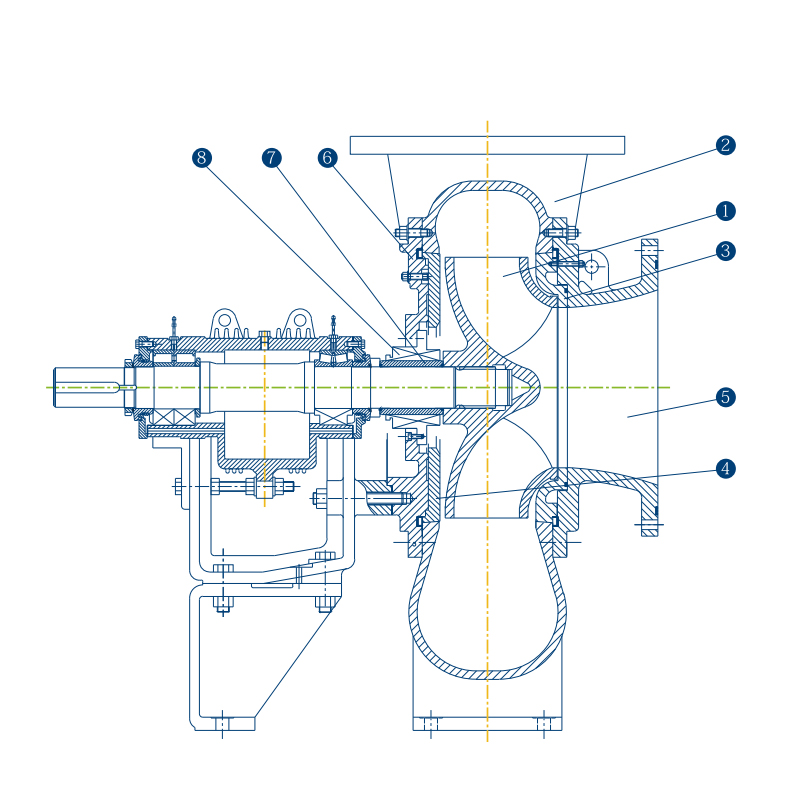
Introduction
Slurry sand pumps are heavy-duty centrifugal pumps specifically engineered for the continuous transportation of abrasive, corrosive, and high-solids content slurries. Positioned downstream in mineral processing, dredging, wastewater treatment, and industrial sand blasting applications, these pumps represent a critical component in maintaining operational efficiency. Unlike standard centrifugal pumps, slurry sand pumps incorporate design features focused on mitigating wear from particle impact and abrasion. Core performance characteristics include flow rate (typically measured in gallons per minute or cubic meters per hour), head (expressed in feet or meters), solids handling capacity (percentage by weight or volume), and the ability to resist erosion and corrosion. The selection of a slurry sand pump necessitates careful consideration of slurry composition, particle size distribution, flow requirements, and the specific operational environment. A poorly selected pump can lead to frequent failures, reduced throughput, and increased maintenance costs, highlighting the importance of a robust understanding of its technical specifications and operational limitations.
Material Science & Manufacturing
The construction of a slurry sand pump relies heavily on materials science principles to withstand the aggressive conditions inherent in slurry handling. Pump casings are commonly manufactured from high-chrome cast iron (ASTM A532 Grade 1 Class 30) due to its exceptional abrasion resistance. The chrome content, typically between 15-30%, forms hard chromium carbides which significantly improve wear life. Impeller materials also frequently utilize high-chrome alloys, but may also incorporate specialized materials like ceramic or polyurethane coatings for even higher abrasion resistance in extreme applications. Shafts are typically forged from alloy steel (e.g., 4140 or 4340) and hardened to resist bending and torsional stresses. Sealing systems utilize mechanical seals featuring silicon carbide faces to ensure a leak-free operation, even with abrasive particles present. Manufacturing processes involve sand casting for complex casing geometries, followed by precision machining to achieve tight tolerances. Impellers are often investment cast to ensure accuracy and minimize material defects. Welding processes, such as submerged arc welding (SAW), are utilized for joining larger components, requiring strict quality control to ensure weld integrity and prevent corrosion initiation. Parameter control during casting and machining is critical, including temperature control during heat treatment to optimize material hardness and ductility. The proper selection and application of protective coatings, like epoxy or rubber linings, further enhance corrosion resistance and extend pump lifespan.
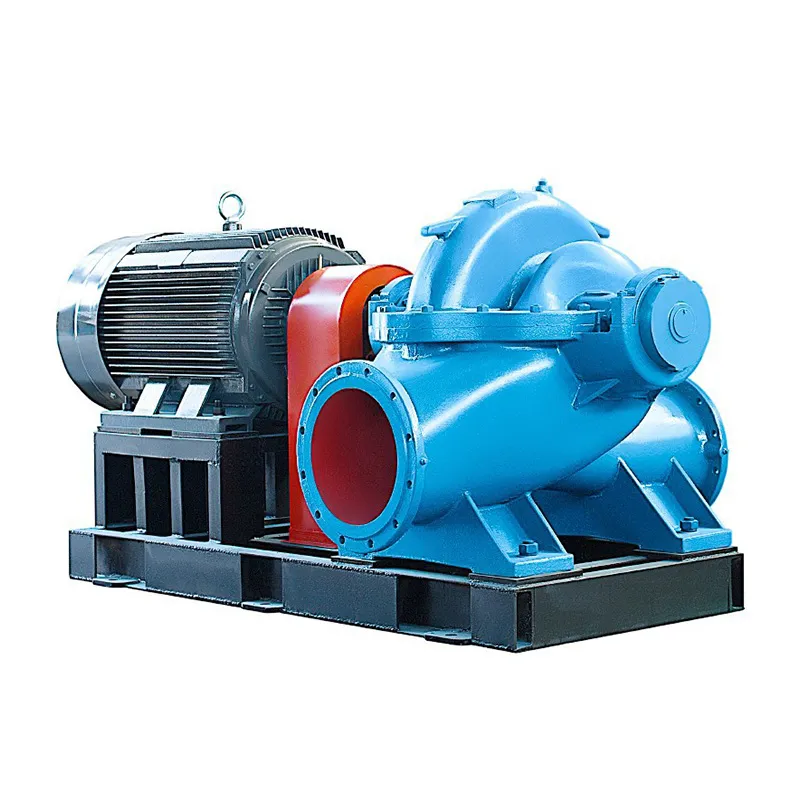
Performance & Engineering
Slurry sand pump performance is governed by hydraulic principles and material behavior. Force analysis focuses on quantifying the impact forces exerted by solid particles on the impeller and casing. These forces are directly related to particle size, velocity, and concentration. Higher particle velocities and concentrations result in increased wear rates. Pump efficiency is significantly impacted by slurry characteristics. Higher solids content increases fluid viscosity and reduces pump efficiency. Cavitation, a common problem in centrifugal pumps, is exacerbated in slurry applications due to the increased likelihood of vapor bubble formation in the slurry. Pump design incorporates features to mitigate cavitation, such as optimized impeller geometry and suction-specific speed. Environmental resistance considerations include corrosion from chemical constituents in the slurry and erosion from abrasive particles. Selecting materials compatible with the slurry’s chemical composition is crucial to prevent corrosion. Proper impeller design and casing hardening minimize erosion. Compliance requirements vary depending on the application. For example, pumps used in wastewater treatment must comply with stringent environmental regulations regarding effluent discharge. Functional implementation often involves integrating the pump into a larger system, including pipelines, valves, and control systems. Proper system design is essential to ensure optimal pump performance and prevent operational problems. The pump’s Net Positive Suction Head Required (NPSHr) must be carefully considered in relation to the Net Positive Suction Head Available (NPSHa) within the system to avoid cavitation.
Technical Specifications
| Parameter | Unit | Typical Range | Material |
|---|---|---|---|
| Flow Rate | GPM (Gallons per Minute) | 50-5000 | N/A |
| Head | ft (Feet) | 20-200 | N/A |
| Solids Handling Capacity | % by Weight | 10-70 | N/A |
| Maximum Particle Size | inches | 0.125-6 | N/A |
| Casing Material | High-Chrome Cast Iron (A532 Grade 1 Class 30) | ASTM A532 | |
| Impeller Material | High-Chrome Cast Iron, Ceramic, Polyurethane | ASTM A532/Various |
Failure Mode & Maintenance
Slurry sand pumps are susceptible to several failure modes. Fatigue cracking is common in impellers and casings due to cyclical stress from particle impact. Erosion, resulting from the abrasive nature of the slurry, leads to material loss and dimensional changes. Corrosion, particularly in aggressive chemical environments, weakens pump components and reduces structural integrity. Cavitation damage manifests as pitting on impeller surfaces, reducing pump efficiency. Seal failures lead to leakage and potential contamination. Bearing failures result from inadequate lubrication or excessive load. Failure analysis techniques include visual inspection, non-destructive testing (NDT) methods like ultrasonic testing and radiography, and metallographic examination of failed components. Preventive maintenance strategies involve regular inspection of pump components, lubrication of bearings, replacement of wear parts (impellers, liners, seals), and monitoring of pump performance parameters (flow rate, pressure, power consumption). Impeller and casing wear can be minimized by optimizing pump speed and slurry concentration. Proper alignment of the pump and motor is crucial to prevent bearing failures. Regular cleaning of the pump and surrounding area prevents buildup of abrasive materials. Periodic vibration analysis can detect early signs of bearing or impeller damage. Scheduled overhauls are necessary to replace worn components and ensure long-term reliability.
Industry FAQ
Q: What is the primary difference between a slurry pump and a standard centrifugal pump?
A: Slurry pumps are specifically designed to handle abrasive and erosive particles, incorporating hardened materials and design features to minimize wear. Standard centrifugal pumps are optimized for clean fluids and lack the robust construction needed for slurry service. The impeller geometry, casing thickness, and sealing arrangements are significantly different.
Q: How does particle size distribution affect slurry pump selection?
A: Particle size distribution directly impacts the wear rate and pump performance. Larger particles cause more severe erosion, while a high concentration of fines can increase slurry viscosity and reduce pump efficiency. Pump selection must consider the maximum particle size and the distribution to ensure adequate solids handling capacity and prevent clogging.
Q: What type of mechanical seal is most suitable for abrasive slurries?
A: Silicon carbide mechanical seals are generally preferred for abrasive slurries due to their superior hardness and wear resistance compared to other seal materials like tungsten carbide. Double mechanical seals with a barrier fluid are often used in highly abrasive or corrosive applications to provide added protection.
Q: How can I mitigate cavitation in a slurry pump?
A: Cavitation can be mitigated by ensuring adequate NPSHa, optimizing pump speed, and selecting an impeller design that minimizes pressure drops. Reducing slurry viscosity and maintaining a consistent flow rate also helps. Regularly inspecting the impeller for cavitation damage is crucial.
Q: What is the role of the liner in a slurry pump casing?
A: The liner, typically made of rubber or high-chrome cast iron, protects the pump casing from erosion and corrosion. It absorbs the impact of solid particles, extending the lifespan of the casing and reducing maintenance costs. Liners are replaceable, allowing for cost-effective refurbishment of the pump.
Conclusion
Slurry sand pumps represent a specialized category of centrifugal pumps crucial for numerous industrial applications demanding the transport of abrasive and corrosive materials. Their design and material selection prioritize wear resistance and reliability, addressing the unique challenges presented by slurry handling. Proper pump selection, based on a thorough understanding of slurry characteristics and operational requirements, is paramount to minimizing downtime and maximizing operational efficiency.
Future advancements in slurry pump technology will likely focus on developing even more wear-resistant materials, optimizing impeller designs to improve hydraulic efficiency, and incorporating advanced monitoring systems for predictive maintenance. These improvements will contribute to reduced lifecycle costs and enhanced performance, further solidifying the role of slurry sand pumps in critical industrial processes.
-
Precision at the Pump: How Better Machining Protects Flow and Uptime
News2026-11-20
-
Why Pump Reliability Begins Before the First Drop of Fluid
News2026-11-20
-
Beyond the Pump: Designing Safer Access Around Critical Water Infrastructure
News2026-11-20
-
Why Pumping Stations Depend on the Infrastructure Beneath the Pumps
News2026-11-20
-
Beyond the Pump Room: How Smarter Loading Protects Industrial Equipment
News2026-11-19
-
When Pumps Stop: Designing More Resilient Power for Critical Pumping Systems
News2026-11-19
-
The Hidden Role of Dust and Gas Monitoring in Reliable Pump Operations
News2026-11-19
-
The Hidden Role of Mineral Compounds in Extending Industrial Pump Lifespan
News2026-10-12
-
Why Pump System Reliability Depends on Precision Hose Assembly Methods
News2026-09-15
-
How Advanced Imaging Films Are Transforming Pump Component Quality Control
News2026-08-25
-
How Advanced Filtration Protects Pump Systems from Premature Wear and Costly Downtime
News2026-08-25
-
How Steel Material Selection Drives Pump Reliability in Heavy-Duty Systems
News2026-08-25
-
Ensuring Pump System Efficiency: The Role of High-Quality Pipe Fittings and Tubing
News2026-08-24
-
Optimizing Fluid Dynamics and Material Consistency in Industrial Processing
News2026-08-18
-
Innovations and Challenges in Hydraulic Systems for Heavy Machinery
News2026-08-13




