English
- Afrikaans
- Albanian
- Amharic
- Arabic
- Armenian
- Azerbaijani
- Basque
- Belarusian
- Bengali
- Bosnian
- Bulgarian
- Catalan
- Cebuano
- Corsican
- Croatian
- Czech
- Danish
- Dutch
- English
- Esperanto
- Estonian
- Finnish
- French
- Frisian
- Galician
- Georgian
- German
- Greek
- Gujarati
- Haitian Creole
- hausa
- hawaiian
- Hebrew
- Hindi
- Miao
- Hungarian
- Icelandic
- igbo
- Indonesian
- irish
- Italian
- Japanese
- Javanese
- Kannada
- kazakh
- Khmer
- Rwandese
- Korean
- Kurdish
- Kyrgyz
- Lao
- Latin
- Latvian
- Lithuanian
- Luxembourgish
- Macedonian
- Malgashi
- Malay
- Malayalam
- Maltese
- Maori
- Marathi
- Mongolian
- Myanmar
- Nepali
- Norwegian
- Norwegian
- Occitan
- Pashto
- Persian
- Polish
- Portuguese
- Punjabi
- Romanian
- Russian
- Samoan
- Scottish Gaelic
- Serbian
- Sesotho
- Shona
- Sindhi
- Sinhala
- Slovak
- Slovenian
- Somali
- Spanish
- Sundanese
- Swahili
- Swedish
- Tagalog
- Tajik
- Tamil
- Tatar
- Telugu
- Thai
- Turkish
- Turkmen
- Ukrainian
- Urdu
- Uighur
- Uzbek
- Vietnamese
- Welsh
- Bantu
- Yiddish
- Yoruba
- Zulu

Telephone: +86 13120555503
Email: frank@cypump.com


Apr . 01, 2024 17:55 Back to list
slurry repress pump Performance Analysis
Introduction
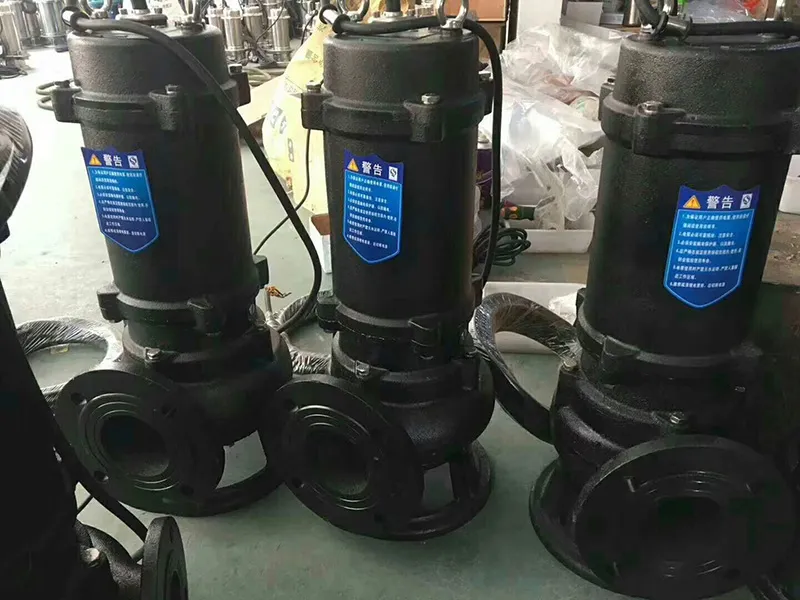
Slurry repress pumps are positive displacement pumps designed for the challenging task of transferring highly abrasive and dense slurries, often encountered in mining, dredging, industrial wastewater treatment, and heavy chemical processing. Unlike centrifugal pumps, which struggle with high solids content and viscosity, repress pumps utilize a reciprocating piston or diaphragm to generate significant pressure, enabling efficient conveyance of slurries over considerable distances and elevations. Their technical position within the industry chain is critical as they represent a core component in solids handling systems, directly impacting process efficiency, operational costs, and overall system reliability. Core performance characteristics include flow rate, discharge pressure, solids handling capability (particle size and concentration), and resistance to abrasive wear. The selection criteria hinge on specific slurry properties and the demands of the application, necessitating a comprehensive understanding of pump construction, material science, and operating principles.
Material Science & Manufacturing
The robust performance of slurry repress pumps is intrinsically linked to the materials used in their construction. Pump bodies are commonly constructed from high-strength cast iron (ASTM A48 Class 30), ductile iron (ASTM A536 65-45-12), or alloy steels (e.g., 4140, 4340) to withstand high pressures and abrasive impacts. Wetted parts – including pistons, diaphragms, valve seats, and liners – frequently employ abrasion-resistant materials such as high-chromium cast iron (ASTM A532 Type I Class III), ceramic materials (alumina, silicon carbide), or elastomer linings (natural rubber, synthetic rubber like EPDM or neoprene). The choice depends on the slurry’s chemical composition and abrasive nature. Manufacturing processes vary depending on the component. Pump bodies are typically manufactured using sand casting followed by machining and heat treatment to achieve desired mechanical properties. Pistons and rods undergo forging, machining, and hardening processes. Diaphragms are often produced via rubber molding or fabrication from reinforced thermoplastic materials. Critical parameter control during manufacturing includes dimensional accuracy (to maintain tight clearances and prevent leakage), surface finish (to minimize friction and erosion), and material hardness (to maximize wear resistance). Welding processes, where utilized, require stringent quality control to prevent porosity and ensure weld integrity, adhering to AWS D1.1 standards for structural welding.

Performance & Engineering
Slurry repress pump performance is fundamentally governed by principles of fluid mechanics and materials science. Force analysis involves evaluating the hydrostatic pressure exerted by the slurry, the dynamic forces generated during piston/diaphragm movement, and the stresses induced in pump components due to pressure fluctuations and abrasive wear. Environmental resistance is crucial, particularly concerning corrosion. Slurries containing acidic or alkaline components necessitate the use of corrosion-resistant alloys or protective coatings (e.g., epoxy linings, rubber coatings) compliant with NACE MR0175/ISO 15156 standards. Pump selection requires detailed consideration of Net Positive Suction Head Available (NPSHa) to prevent cavitation, a common failure mode. Compliance requirements often dictate adherence to API 674 (Reciprocating Compressors – applicable to some repress pump designs) and ATEX/IECEx standards for hazardous area operation if flammable materials are present. Functional implementation includes precise control of stroke length and frequency to regulate flow rate and pressure, often achieved through variable frequency drives (VFDs). The design must also account for the slurry’s rheological properties (viscosity, thixotropy) and particle size distribution, as these factors significantly affect pump performance and wear rates. Pipeline design (diameter, material, and bends) also directly impacts the pump’s required discharge pressure and overall system efficiency.
Technical Specifications
| Parameter | Unit | Typical Range | Critical Notes |
|---|---|---|---|
| Maximum Discharge Pressure | psi | 50 - 500 | Dependent on pump design and material strength. |
| Flow Rate | gpm | 10 - 200 | Varies with stroke length, frequency, and displacement. |
| Maximum Solids Concentration | % by weight | Up to 70 | Higher concentrations increase wear rates. |
| Maximum Particle Size | inches | Up to 4 | Larger particles require robust liners and valve designs. |
| Pump Displacement | cubic inches/stroke | 50 - 500 | Determines volume of slurry transferred per stroke. |
| Drive Power | HP | 5 - 100 | Dependent on flow rate, pressure, and efficiency. |
Failure Mode & Maintenance
Slurry repress pumps are subject to a range of failure modes, primarily related to abrasive wear, corrosion, and mechanical fatigue. Fatigue cracking in pistons, rods, and pump bodies can occur due to cyclical stress, especially under high pressure conditions. Delamination of elastomer linings is a common issue, particularly with aggressive slurries or improper bonding procedures. Degradation of diaphragms results from chemical attack, temperature extremes, and mechanical stress. Oxidation and corrosion of metallic components are accelerated in corrosive environments. Failure analysis should include visual inspection for wear patterns, non-destructive testing (NDT) methods like ultrasonic testing (UT) and radiographic testing (RT) to detect cracks, and metallurgical analysis to identify material degradation. Professional maintenance solutions involve regular inspection and replacement of wear parts (liners, diaphragms, pistons, valve seats), lubrication of moving parts according to manufacturer’s recommendations, monitoring of pump performance parameters (pressure, flow rate, vibration), and implementing corrosion protection measures (coatings, cathodic protection). Preventative maintenance schedules based on operating hours or slurry throughput are essential to minimize downtime and extend pump lifespan. Proper slurry preparation, including screening to remove oversized particles, can significantly reduce abrasive wear.
Industry FAQ
Q: What are the key considerations when selecting a slurry repress pump for a high-solids content abrasive slurry?
A: The primary considerations are the slurry’s particle size distribution, solids concentration, abrasion index (measured using tests like the Taber Abrasion test), and chemical composition. You need a pump with high abrasion resistance (high-chromium iron or ceramic components), a robust liner system, and sufficient displacement to handle the solids loading. Ensure the pump's NPSHr is lower than your NPSHa to prevent cavitation damage.
Q: How does the stroke length and frequency affect the pump's performance and wear rate?
A: Increasing stroke length increases the displacement per cycle, leading to higher flow rates. Higher frequencies increase the pumping speed but also increase the number of cycles, potentially accelerating wear on components like pistons and diaphragms. Finding the optimal balance depends on the application's flow rate requirements and desired pump lifespan.
Q: What types of materials are best suited for handling highly corrosive slurries?
A: For highly corrosive slurries, materials like stainless steel (316L, duplex stainless steel), high-nickel alloys (Hastelloy), or chemically resistant polymers (PTFE, PVDF) are recommended. Protective coatings, such as epoxy or rubber linings, can also provide an additional layer of corrosion protection. Material selection should be based on a detailed chemical compatibility analysis.
Q: What are the common causes of diaphragm failure in slurry repress pumps?
A: Common causes include chemical attack from the slurry, excessive mechanical stress due to high pressures or over-extension, temperature extremes, and fatigue failure from repeated flexing. Regular inspection for cracks, swelling, or discoloration is crucial. Using a diaphragm material compatible with the slurry's chemistry and ensuring proper installation and clamping are vital for extending diaphragm life.
Q: How can I minimize abrasive wear in a slurry repress pump application?
A: Minimizing abrasive wear involves several strategies: pre-screening the slurry to remove oversized particles, reducing slurry velocity, selecting abrasion-resistant materials for wetted parts, optimizing pump operating parameters (pressure, flow rate), and implementing a regular maintenance program to replace worn components promptly.
Conclusion
Slurry repress pumps are indispensable tools in numerous industrial applications requiring the reliable transfer of abrasive and dense slurries. Their ability to generate high pressures and handle high solids content sets them apart from conventional pumps. Successful operation hinges on a thorough understanding of material science, fluid mechanics, and the specific characteristics of the slurry being handled. Careful selection of materials, proper pump sizing, and diligent maintenance are all crucial to maximizing pump lifespan and minimizing operational costs.
Looking forward, advancements in materials technology (e.g., enhanced ceramic composites, improved elastomer formulations) and pump design (e.g., optimized impeller geometries, advanced valve designs) will continue to enhance the performance and durability of slurry repress pumps. Integrating condition monitoring systems and predictive maintenance algorithms will further optimize operational efficiency and reduce unplanned downtime, making these pumps even more critical components in demanding industrial environments.
-
Precision at the Pump: How Better Machining Protects Flow and Uptime
News2026-11-20
-
Why Pump Reliability Begins Before the First Drop of Fluid
News2026-11-20
-
Beyond the Pump: Designing Safer Access Around Critical Water Infrastructure
News2026-11-20
-
Why Pumping Stations Depend on the Infrastructure Beneath the Pumps
News2026-11-20
-
Beyond the Pump Room: How Smarter Loading Protects Industrial Equipment
News2026-11-19
-
When Pumps Stop: Designing More Resilient Power for Critical Pumping Systems
News2026-11-19
-
The Hidden Role of Dust and Gas Monitoring in Reliable Pump Operations
News2026-11-19
-
The Hidden Role of Mineral Compounds in Extending Industrial Pump Lifespan
News2026-10-12
-
Why Pump System Reliability Depends on Precision Hose Assembly Methods
News2026-09-15
-
How Advanced Imaging Films Are Transforming Pump Component Quality Control
News2026-08-25
-
How Advanced Filtration Protects Pump Systems from Premature Wear and Costly Downtime
News2026-08-25
-
How Steel Material Selection Drives Pump Reliability in Heavy-Duty Systems
News2026-08-25
-
Ensuring Pump System Efficiency: The Role of High-Quality Pipe Fittings and Tubing
News2026-08-24
-
Optimizing Fluid Dynamics and Material Consistency in Industrial Processing
News2026-08-18
-
Innovations and Challenges in Hydraulic Systems for Heavy Machinery
News2026-08-13




