English
- Afrikaans
- Albanian
- Amharic
- Arabic
- Armenian
- Azerbaijani
- Basque
- Belarusian
- Bengali
- Bosnian
- Bulgarian
- Catalan
- Cebuano
- Corsican
- Croatian
- Czech
- Danish
- Dutch
- English
- Esperanto
- Estonian
- Finnish
- French
- Frisian
- Galician
- Georgian
- German
- Greek
- Gujarati
- Haitian Creole
- hausa
- hawaiian
- Hebrew
- Hindi
- Miao
- Hungarian
- Icelandic
- igbo
- Indonesian
- irish
- Italian
- Japanese
- Javanese
- Kannada
- kazakh
- Khmer
- Rwandese
- Korean
- Kurdish
- Kyrgyz
- Lao
- Latin
- Latvian
- Lithuanian
- Luxembourgish
- Macedonian
- Malgashi
- Malay
- Malayalam
- Maltese
- Maori
- Marathi
- Mongolian
- Myanmar
- Nepali
- Norwegian
- Norwegian
- Occitan
- Pashto
- Persian
- Polish
- Portuguese
- Punjabi
- Romanian
- Russian
- Samoan
- Scottish Gaelic
- Serbian
- Sesotho
- Shona
- Sindhi
- Sinhala
- Slovak
- Slovenian
- Somali
- Spanish
- Sundanese
- Swahili
- Swedish
- Tagalog
- Tajik
- Tamil
- Tatar
- Telugu
- Thai
- Turkish
- Turkmen
- Ukrainian
- Urdu
- Uighur
- Uzbek
- Vietnamese
- Welsh
- Bantu
- Yiddish
- Yoruba
- Zulu

Telephone: +86 13120555503
Email: frank@cypump.com


Apr . 01, 2024 17:55 Back to list
slurry pumps vertical Material Science
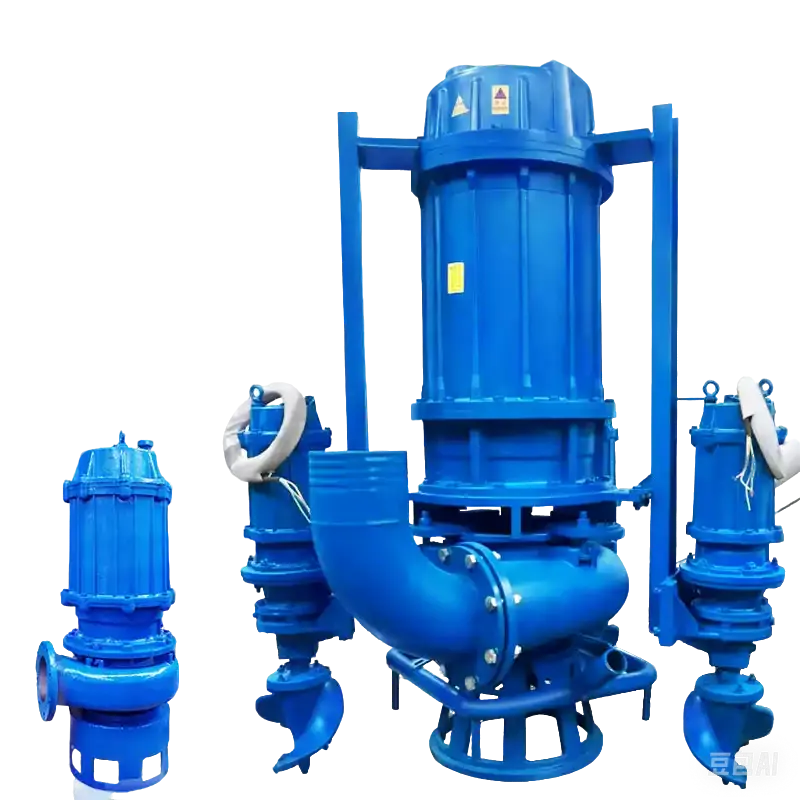
Introduction
Vertical slurry pumps are centrifugal pumps specifically designed for the handling of abrasive and erosive slurries. They occupy a critical position within numerous industrial process chains including mining, wastewater treatment, chemical processing, and dredging. Unlike horizontal pumps, vertical slurry pumps feature the pump casing and impeller submerged within the slurry, eliminating the need for priming and improving suction lift capabilities. This configuration is particularly beneficial in applications with varying slurry levels or where space is limited. Core performance characteristics revolve around maintaining flow rate against increasing slurry density and solids concentration, coupled with resistance to abrasive wear and corrosion. The inherent design minimizes mechanical seal issues common in horizontal configurations due to the hydrostatic head and reduced vibration. A key pain point in the industry revolves around maximizing pump longevity while minimizing total cost of ownership – driven by abrasive wear, corrosion, and efficient energy consumption.
Material Science & Manufacturing
The performance and lifespan of vertical slurry pumps are heavily dictated by the materials employed and manufacturing processes utilized. Pump casings are commonly constructed from high-chrome cast iron (typically 27-30% chromium) for exceptional abrasion resistance. Alternative materials include ceramic alloys, hardened stainless steels (e.g., duplex stainless steel 2205 for corrosion resistance), and rubber-lined steel. Impellers often utilize similar materials, with a focus on maximizing resistance to both abrasion and erosion. Shaft materials typically comprise alloy steels, heat-treated to achieve high tensile strength and torsional rigidity. Critical manufacturing processes include casting, forging, welding, and machining. Casing castings require stringent quality control to minimize porosity and ensure dimensional accuracy. Welding processes, particularly in the fabrication of discharge nozzles and bearing housings, must adhere to ASME Section IX standards to guarantee weld integrity. Impeller manufacturing involves precision machining and balancing to minimize vibration and cavitation. Key parameter control during manufacturing encompasses material composition verification via spectrographic analysis, hardness testing (Brinell, Rockwell), and non-destructive testing (NDT) methods like radiographic inspection and ultrasonic testing to detect internal flaws. Rubber lining application requires precise surface preparation and vulcanization processes to ensure a robust, chemically resistant barrier.
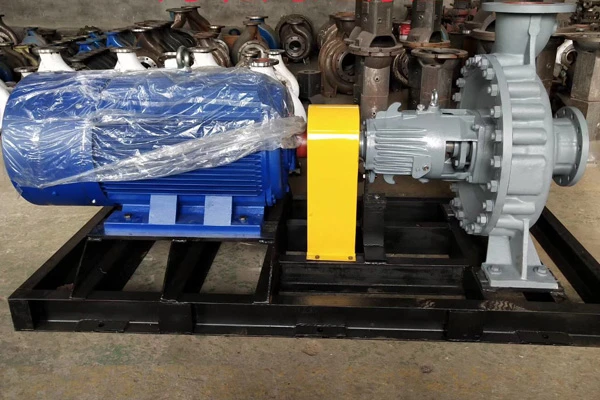
Performance & Engineering
The performance of vertical slurry pumps is fundamentally governed by hydraulic principles and mechanical engineering considerations. Force analysis focuses on radial loads imposed by the impeller on the shaft and bearings, and axial thrust resulting from pressure differentials. Bearing selection (typically deep groove ball bearings or angular contact ball bearings) must account for these loads and operating speeds. Cavitation prevention is paramount. Net Positive Suction Head Required (NPSHr) calculations are crucial to ensure adequate pressure at the impeller inlet. Pump curves (head vs. flow rate, power vs. flow rate) are generated through hydraulic testing, adhering to Hydraulic Institute standards. Environmental resistance is critical; pumps operating in corrosive environments require materials with appropriate chemical compatibility. Compliance requirements vary by region and application, including adherence to OSHA safety standards, environmental regulations regarding emissions and discharge, and potentially ATEX certifications for hazardous locations. Functional implementation often involves integrating the pump into a larger process system, considering piping configurations, control systems (variable frequency drives - VFDs for flow control), and wear monitoring systems. Hydraulic efficiency is maximized through optimized impeller geometry and casing design, minimizing energy consumption and operational costs.
Technical Specifications
| Parameter | Unit | Typical Range (Small Pump) | Typical Range (Large Pump) |
|---|---|---|---|
| Flow Rate | m³/hr | 5 – 50 | 200 – 800 |
| Head | m | 10 – 30 | 50 – 150 |
| Solids Handling Capacity | % by weight | Up to 30 | Up to 60 |
| Pump Speed | RPM | 500 – 1500 | 800 – 2000 |
| Motor Power | kW | 1.5 – 7.5 | 30 – 150 |
| Maximum Slurry Density | kg/m³ | Up to 1500 | Up to 2000 |
Failure Mode & Maintenance
Vertical slurry pump failures typically stem from abrasive wear, erosion, corrosion, and mechanical fatigue. Abrasive wear occurs due to the impact of solid particles on pump components, particularly the impeller and casing. Erosion results from high-velocity slurry flow, accelerating material removal. Corrosion manifests as material degradation due to chemical reactions with the slurry. Mechanical fatigue can lead to cracking in shafts, impellers, or casings, often initiated by stress concentrations. Common failure modes include impeller vane cracking or breakage, casing wear-through, bearing failure, and seal leakage. Failure analysis should involve visual inspection, material testing (hardness, microstructure), and potentially non-destructive testing (crack detection). Maintenance solutions include regular impeller and casing replacement, bearing lubrication and inspection, seal replacement, and coating application (e.g., rubber lining, ceramic coatings) to enhance wear resistance. Implementing a predictive maintenance program utilizing vibration analysis and wear monitoring can identify potential issues before catastrophic failure occurs. Proper slurry selection and pre-treatment (e.g., screening to remove oversized particles) can significantly extend pump life. Routine inspection of the pump's baseplate and foundation is also crucial to identify and correct any alignment issues that contribute to premature wear.
Industry FAQ
Q: What is the primary difference between a vertical and horizontal slurry pump in terms of maintenance?
A: Vertical slurry pumps generally require less frequent mechanical seal maintenance due to the submerged impeller and hydrostatic head, reducing the risk of seal failure. Horizontal pumps are more accessible for component replacement but often suffer from seal issues related to shaft misalignment and vibration.
Q: How does the slurry’s particle size distribution impact pump selection?
A: Larger particle sizes necessitate pumps with larger impeller passages and hardened wear components. Pumps are rated for a maximum particle size; exceeding this rating leads to accelerated abrasive wear and potential impeller blockage. The concentration of solids also impacts selection – higher concentrations require pumps designed for more abrasive service.
Q: What materials are best suited for handling highly corrosive slurries?
A: For highly corrosive slurries, duplex stainless steels (e.g., 2205), super duplex stainless steels, or specialized alloys like Hastelloy are recommended. Rubber linings and ceramic coatings can also provide a protective barrier against corrosion, depending on the specific chemical composition of the slurry.
Q: How does the pump speed affect slurry pump wear?
A: Higher pump speeds generally lead to increased wear rates, particularly due to erosion. Lower speeds reduce wear but may compromise flow rate and head. An optimal speed is determined by balancing performance requirements with wear considerations.
Q: What are the benefits of using a variable frequency drive (VFD) with a vertical slurry pump?
A: VFDs allow for precise flow control, reducing energy consumption and minimizing wear by optimizing pump speed to match process demands. They also provide soft starting and stopping, reducing stress on the pump and motor.
Conclusion
Vertical slurry pumps represent a robust and reliable solution for handling abrasive and corrosive slurries across a diverse range of industrial applications. The inherent design features, specifically the submerged impeller, provide significant advantages in terms of priming, suction lift, and mechanical seal longevity. Careful material selection, adhering to rigorous manufacturing standards, and implementing preventative maintenance programs are paramount to maximizing pump lifespan and minimizing total cost of ownership.
Future advancements in slurry pump technology are likely to focus on the development of even more wear-resistant materials, improved impeller designs for enhanced hydraulic efficiency, and the integration of smart sensors and data analytics for predictive maintenance and optimized performance. Addressing the core pain points of abrasive wear, corrosion, and energy consumption will continue to drive innovation in this critical segment of the industrial pump market.
-
Precision at the Pump: How Better Machining Protects Flow and Uptime
News2026-11-20
-
Why Pump Reliability Begins Before the First Drop of Fluid
News2026-11-20
-
Beyond the Pump: Designing Safer Access Around Critical Water Infrastructure
News2026-11-20
-
Why Pumping Stations Depend on the Infrastructure Beneath the Pumps
News2026-11-20
-
Beyond the Pump Room: How Smarter Loading Protects Industrial Equipment
News2026-11-19
-
When Pumps Stop: Designing More Resilient Power for Critical Pumping Systems
News2026-11-19
-
The Hidden Role of Dust and Gas Monitoring in Reliable Pump Operations
News2026-11-19
-
The Hidden Role of Mineral Compounds in Extending Industrial Pump Lifespan
News2026-10-12
-
Why Pump System Reliability Depends on Precision Hose Assembly Methods
News2026-09-15
-
How Advanced Imaging Films Are Transforming Pump Component Quality Control
News2026-08-25
-
How Advanced Filtration Protects Pump Systems from Premature Wear and Costly Downtime
News2026-08-25
-
How Steel Material Selection Drives Pump Reliability in Heavy-Duty Systems
News2026-08-25
-
Ensuring Pump System Efficiency: The Role of High-Quality Pipe Fittings and Tubing
News2026-08-24
-
Optimizing Fluid Dynamics and Material Consistency in Industrial Processing
News2026-08-18
-
Innovations and Challenges in Hydraulic Systems for Heavy Machinery
News2026-08-13




