English
- Afrikaans
- Albanian
- Amharic
- Arabic
- Armenian
- Azerbaijani
- Basque
- Belarusian
- Bengali
- Bosnian
- Bulgarian
- Catalan
- Cebuano
- Corsican
- Croatian
- Czech
- Danish
- Dutch
- English
- Esperanto
- Estonian
- Finnish
- French
- Frisian
- Galician
- Georgian
- German
- Greek
- Gujarati
- Haitian Creole
- hausa
- hawaiian
- Hebrew
- Hindi
- Miao
- Hungarian
- Icelandic
- igbo
- Indonesian
- irish
- Italian
- Japanese
- Javanese
- Kannada
- kazakh
- Khmer
- Rwandese
- Korean
- Kurdish
- Kyrgyz
- Lao
- Latin
- Latvian
- Lithuanian
- Luxembourgish
- Macedonian
- Malgashi
- Malay
- Malayalam
- Maltese
- Maori
- Marathi
- Mongolian
- Myanmar
- Nepali
- Norwegian
- Norwegian
- Occitan
- Pashto
- Persian
- Polish
- Portuguese
- Punjabi
- Romanian
- Russian
- Samoan
- Scottish Gaelic
- Serbian
- Sesotho
- Shona
- Sindhi
- Sinhala
- Slovak
- Slovenian
- Somali
- Spanish
- Sundanese
- Swahili
- Swedish
- Tagalog
- Tajik
- Tamil
- Tatar
- Telugu
- Thai
- Turkish
- Turkmen
- Ukrainian
- Urdu
- Uighur
- Uzbek
- Vietnamese
- Welsh
- Bantu
- Yiddish
- Yoruba
- Zulu

Telephone: +86 13120555503
Email: frank@cypump.com


Apr . 01, 2024 17:55 Back to list
Slurry Pumps Pumping Slurries Performance Analysis
Introduction
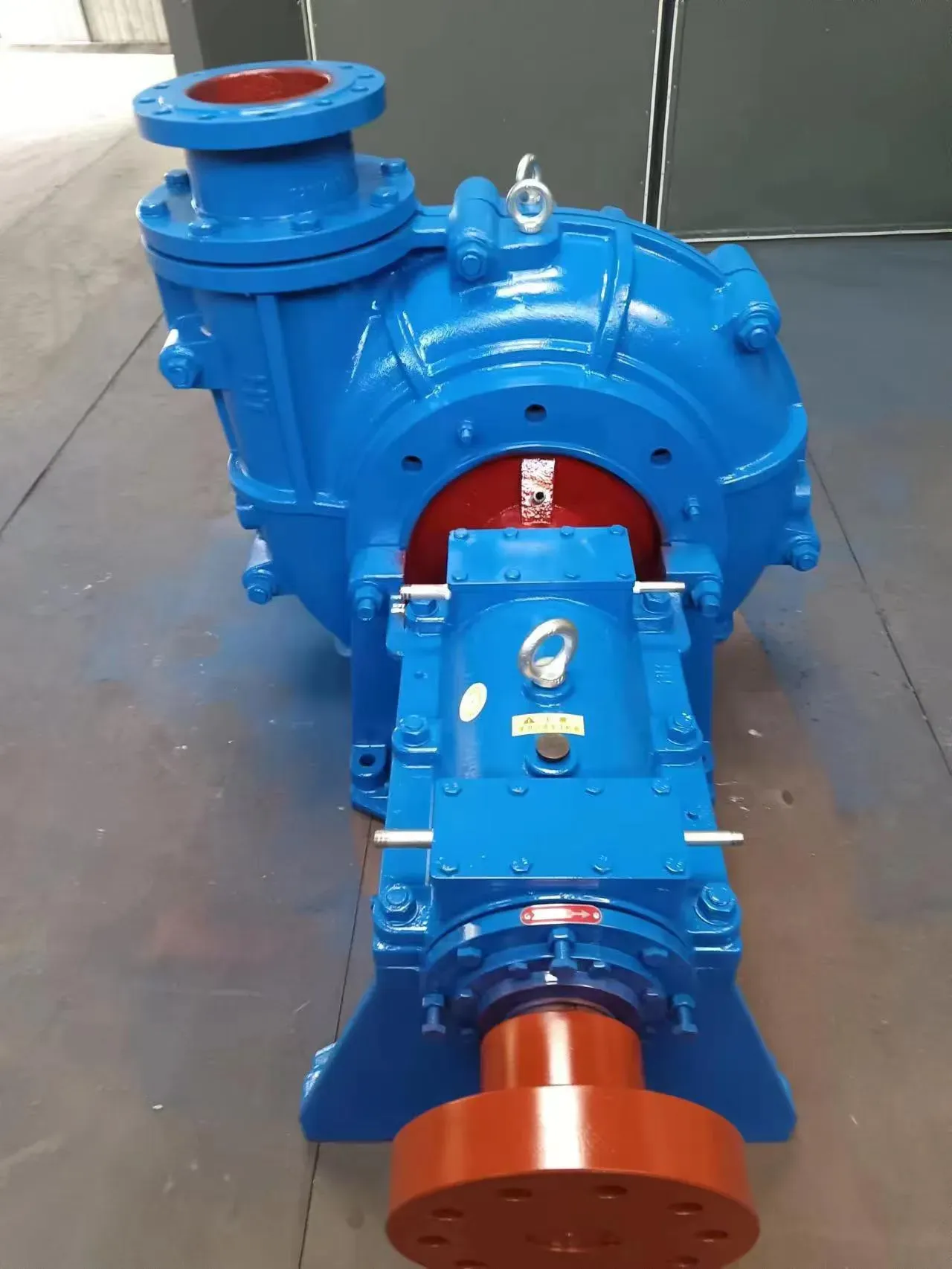
Slurry pumping is a critical operation across numerous industries, including mining, wastewater treatment, chemical processing, and power generation. A slurry, defined as a mixture of solid particles suspended in a liquid, presents unique challenges compared to pumping homogenous fluids. The abrasive and corrosive nature of many slurries demands specialized pump designs and materials to ensure operational efficiency, longevity, and safety. This guide provides an in-depth technical overview of slurry pumping, encompassing material science, manufacturing considerations, performance engineering, failure modes, and relevant industry standards. The core pain points for operators center around minimizing downtime due to wear, preventing blockages, and optimizing energy consumption. Efficient slurry handling directly impacts process productivity and overall operational costs. This document aims to provide the necessary technical information for informed decision-making in slurry pump selection, operation, and maintenance.
Material Science & Manufacturing
Slurry pump components are subjected to a complex interplay of stresses stemming from abrasion, erosion, corrosion, and impact. Material selection is therefore paramount. Common materials include high-chromium cast irons (typically 13-28% Cr) for impellers and casings, offering excellent abrasion resistance due to the formation of hard chromium carbides. However, these irons are susceptible to corrosion in acidic or chloride-rich environments. Alternative materials include stainless steels (304, 316, duplex stainless steels) for increased corrosion resistance, and specialized alloys like Hastelloy or Inconel for highly aggressive chemical slurries. Polymeric materials, such as polyurethane and rubber linings, are employed for their impact resistance and noise dampening properties, although they generally exhibit lower abrasion resistance compared to metallic alloys. Manufacturing processes significantly impact component performance. Centrifugal pump casings are often produced via sand casting, requiring careful control of sand composition, pouring temperature, and cooling rates to minimize porosity and residual stresses. Impellers may be cast, forged, or machined from solid bar stock. Welding is frequently used for repairs and fabrication of pump components, demanding qualified welders and appropriate welding procedures to maintain material integrity and prevent weld decay. Surface hardening techniques like heat treatment and ceramic coatings are also deployed to enhance wear resistance. The liquid phase also influences material selection. Factors like pH, temperature, salinity, and the presence of dissolved gases dictate the compatibility of materials with the slurry. Galvanic corrosion can occur when dissimilar metals are in contact within the slurry, necessitating the use of sacrificial anodes or careful material pairing.
Performance & Engineering
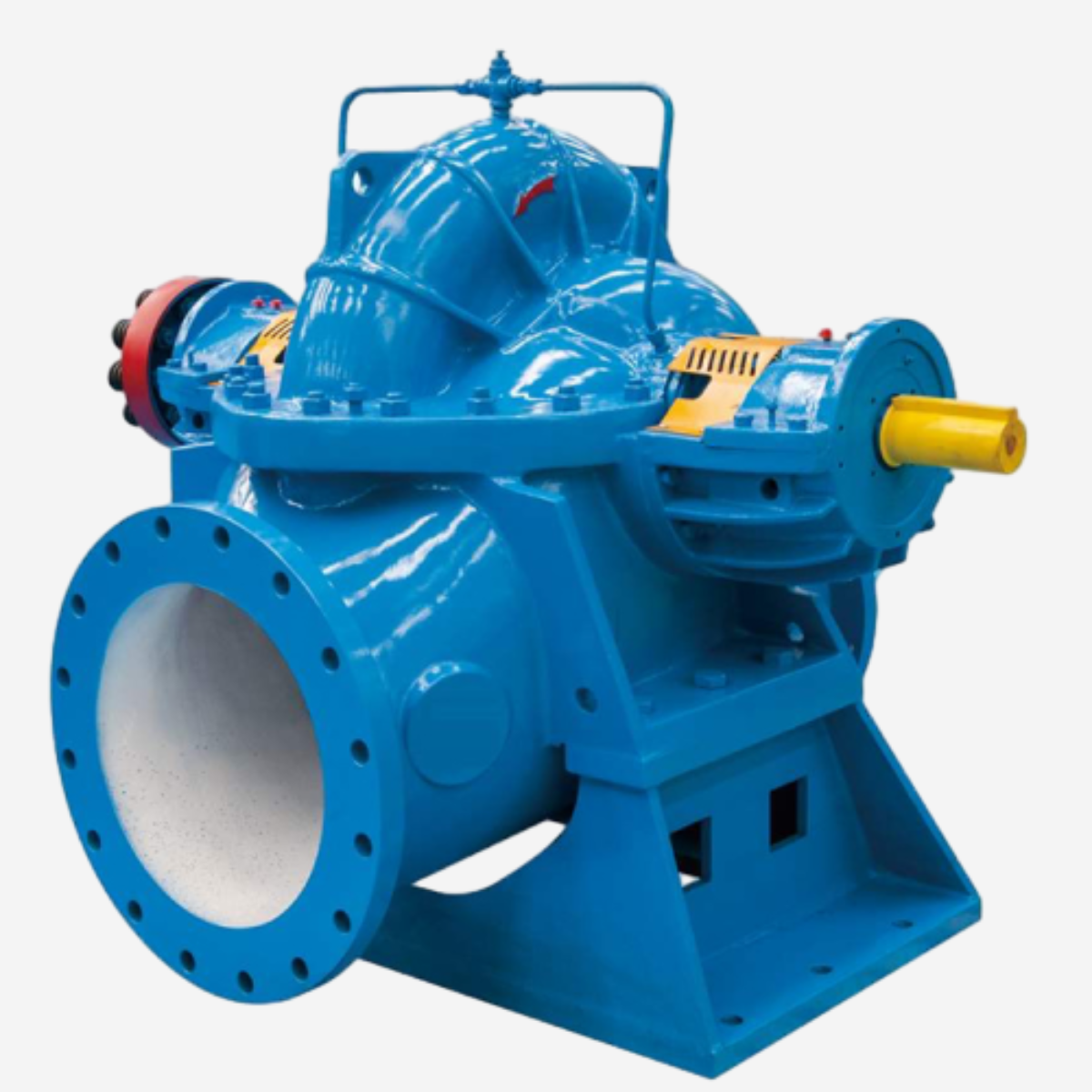
Slurry pump performance is substantially affected by slurry characteristics, namely solids concentration, particle size distribution, particle shape, and slurry viscosity. Higher solids concentrations increase slurry density and viscosity, demanding more power to maintain flow rate. Particle size and shape dictate the abrasion rate; larger, angular particles cause more severe wear. Pump performance is typically characterized by head-capacity curves, which define the relationship between the pump’s discharge pressure (head) and volumetric flow rate. These curves are affected by the slurry's specific gravity. The pump's Net Positive Suction Head Required (NPSHr) is particularly critical for slurries, as the presence of solids can increase the risk of cavitation and impeller damage. Force analysis reveals that the major stresses on pump components arise from the impact of solid particles, particularly at the impeller inlet and discharge. Finite Element Analysis (FEA) is used to model stress distributions and optimize component geometry. Environmental resistance is a vital consideration. Pumps operating in harsh environments must be protected against corrosion, erosion, and temperature extremes. Compliance requirements, such as those imposed by API 610 (Centrifugal Pumps) and ISO 13709 (Positive Displacement Pumps), dictate design and manufacturing standards to ensure safety and reliability. Hydraulic design focuses on minimizing particle settling and blockage. Open impeller designs are often preferred for handling slurries with high solids content, as they reduce the risk of clogging. Linings and coatings provide a protective barrier against abrasion and corrosion, extending pump life and reducing maintenance requirements.
Technical Specifications
| Parameter | Units | Typical Range (Centrifugal Slurry Pump) | Typical Range (Positive Displacement Slurry Pump) |
|---|---|---|---|
| Flow Rate | m³/hr | 10 – 1000 | 1 – 200 |
| Head | m | 5 – 100 | 5 – 50 |
| Solids Concentration (by weight) | % | Up to 70 | Up to 80 |
| Particle Size | mm | Up to 100 | Up to 200 |
| Slurry Specific Gravity | - | 1.0 – 2.5 | 1.0 – 2.5 |
| Pump Material (Casing/Impeller) | - | High-Chromium Iron / High-Chromium Iron | Stainless Steel / Rubber |
Failure Mode & Maintenance
Slurry pump failures are often attributed to abrasive wear, erosion, corrosion, and mechanical fatigue. Abrasive wear, caused by the impact of solid particles, is the most common failure mode, leading to impeller erosion, casing wear, and seal failures. Erosion, particularly in high-velocity areas, removes material from the pump components. Corrosion weakens the materials, increasing susceptibility to other failure modes. Mechanical fatigue can occur due to cyclic loading and vibrations. Common failure modes include impeller cracking, shaft bending, bearing failure, and seal leakage. Failure analysis often reveals that insufficient lubrication, misalignment, and improper operating conditions contribute to premature failure. Preventive maintenance is crucial. Regular inspections should include visual checks for wear, vibration analysis, oil analysis, and performance monitoring. Linings and coatings should be inspected for damage and repaired or replaced as needed. Impellers and casings should be replaced when wear reaches a critical level. Proper seal selection and maintenance are essential to prevent leakage and contamination. Routine cleaning to remove accumulated solids prevents blockage and reduces wear. Scheduled shutdowns for comprehensive maintenance and component replacement minimize unscheduled downtime and extend pump life. Implementing a robust condition monitoring program, utilizing sensors and data analytics, enables predictive maintenance and proactive failure prevention.
Industry FAQ
Q: What is the impact of slurry viscosity on pump performance?
A: Increased slurry viscosity leads to higher frictional losses within the pump, reducing flow rate and increasing power consumption. Pumps handling highly viscous slurries require larger motors and may experience reduced efficiency. Proper pump selection must account for the slurry’s viscosity at the operating temperature.
Q: How do you mitigate the risk of cavitation in slurry pumps?
A: Cavitation occurs when the pressure at the pump inlet falls below the slurry’s vapor pressure, forming vapor bubbles that collapse and damage the impeller. To mitigate this, ensure sufficient Net Positive Suction Head Available (NPSHa) exceeds the pump’s NPSHr. Consider using a lower pump speed, increasing suction pipe diameter, and minimizing suction line losses.
Q: What are the advantages of using a positive displacement pump for slurries?
A: Positive displacement pumps, such as progressing cavity pumps and peristaltic pumps, are well-suited for handling highly viscous slurries and slurries with high solids content. They deliver a constant flow rate regardless of discharge pressure and offer good suction lift capabilities. However, they are generally less tolerant of abrasive solids than centrifugal pumps.
Q: How does particle size distribution affect pump wear?
A: A wide particle size distribution, particularly with the presence of larger, angular particles, significantly increases abrasion. Larger particles have greater kinetic energy upon impact, causing more severe wear. Pre-screening or classification of the slurry can remove oversized particles and reduce wear rates.
Q: What role does material selection play in preventing corrosion in slurry pumps?
A: Material selection is critical for preventing corrosion. The slurry's pH, chemical composition, and temperature dictate the appropriate material. Stainless steels, nickel alloys, and polymeric coatings are often used to resist corrosion in aggressive environments. Galvanic corrosion must also be considered when using dissimilar metals.
Conclusion
Effective slurry pumping requires a holistic understanding of slurry characteristics, pump design, material science, and operational best practices. The selection of the appropriate pump type and materials, coupled with diligent maintenance and monitoring, is crucial for maximizing pump life, minimizing downtime, and optimizing process efficiency. Addressing the unique challenges posed by slurries – abrasion, corrosion, and potential blockage – demands a technically informed approach.
Future trends in slurry pumping focus on developing more wear-resistant materials, optimizing pump hydraulic designs for improved solids handling, and implementing advanced condition monitoring systems for predictive maintenance. The integration of digital technologies, such as machine learning and data analytics, will enable more sophisticated failure prediction and optimization of pump performance, ultimately reducing operational costs and enhancing process reliability.
-
Comprehensive Guide to Waterproof ORings for Optimal Sealing Solutions
News2026-06-09
-
submergable pump Material Science
News2026-06-23
-
sewer injection pump Performance Engineering
News2026-06-23
-
Sewer Ejector Pump System Performance Analysis
News2026-06-23
-
septic tank pump for sale Performance Engineering
News2026-06-23
-
septic pump for sale Performance Engineering
News2026-06-23
-
septic ejector system Performance Analysis
News2026-06-22
-
replace septic pump Performance Analysis
News2026-06-22
-
pump system septic tank Performance Analysis
News2026-06-22
-
lift pump for sewer Performance and Engineering
News2026-06-22
-
industrial submersible water pump Material Science
News2026-06-22
-
industrial submersible pumps Material Science and Manufacturing
News2026-06-21
-
best sewer ejector pump Performance Analysis
News2026-06-21
-
best septic pump Performance Analysis
News2026-06-21
-
1 2 hp septic pump Performance Engineering
News2026-06-21




