English
- Afrikaans
- Albanian
- Amharic
- Arabic
- Armenian
- Azerbaijani
- Basque
- Belarusian
- Bengali
- Bosnian
- Bulgarian
- Catalan
- Cebuano
- Corsican
- Croatian
- Czech
- Danish
- Dutch
- English
- Esperanto
- Estonian
- Finnish
- French
- Frisian
- Galician
- Georgian
- German
- Greek
- Gujarati
- Haitian Creole
- hausa
- hawaiian
- Hebrew
- Hindi
- Miao
- Hungarian
- Icelandic
- igbo
- Indonesian
- irish
- Italian
- Japanese
- Javanese
- Kannada
- kazakh
- Khmer
- Rwandese
- Korean
- Kurdish
- Kyrgyz
- Lao
- Latin
- Latvian
- Lithuanian
- Luxembourgish
- Macedonian
- Malgashi
- Malay
- Malayalam
- Maltese
- Maori
- Marathi
- Mongolian
- Myanmar
- Nepali
- Norwegian
- Norwegian
- Occitan
- Pashto
- Persian
- Polish
- Portuguese
- Punjabi
- Romanian
- Russian
- Samoan
- Scottish Gaelic
- Serbian
- Sesotho
- Shona
- Sindhi
- Sinhala
- Slovak
- Slovenian
- Somali
- Spanish
- Sundanese
- Swahili
- Swedish
- Tagalog
- Tajik
- Tamil
- Tatar
- Telugu
- Thai
- Turkish
- Turkmen
- Ukrainian
- Urdu
- Uighur
- Uzbek
- Vietnamese
- Welsh
- Bantu
- Yiddish
- Yoruba
- Zulu

Telephone: +86 13120555503
Email: frank@cypump.com


Apr . 01, 2024 17:55 Back to list
Slurry Pumps PDF Performance Analysis
Introduction
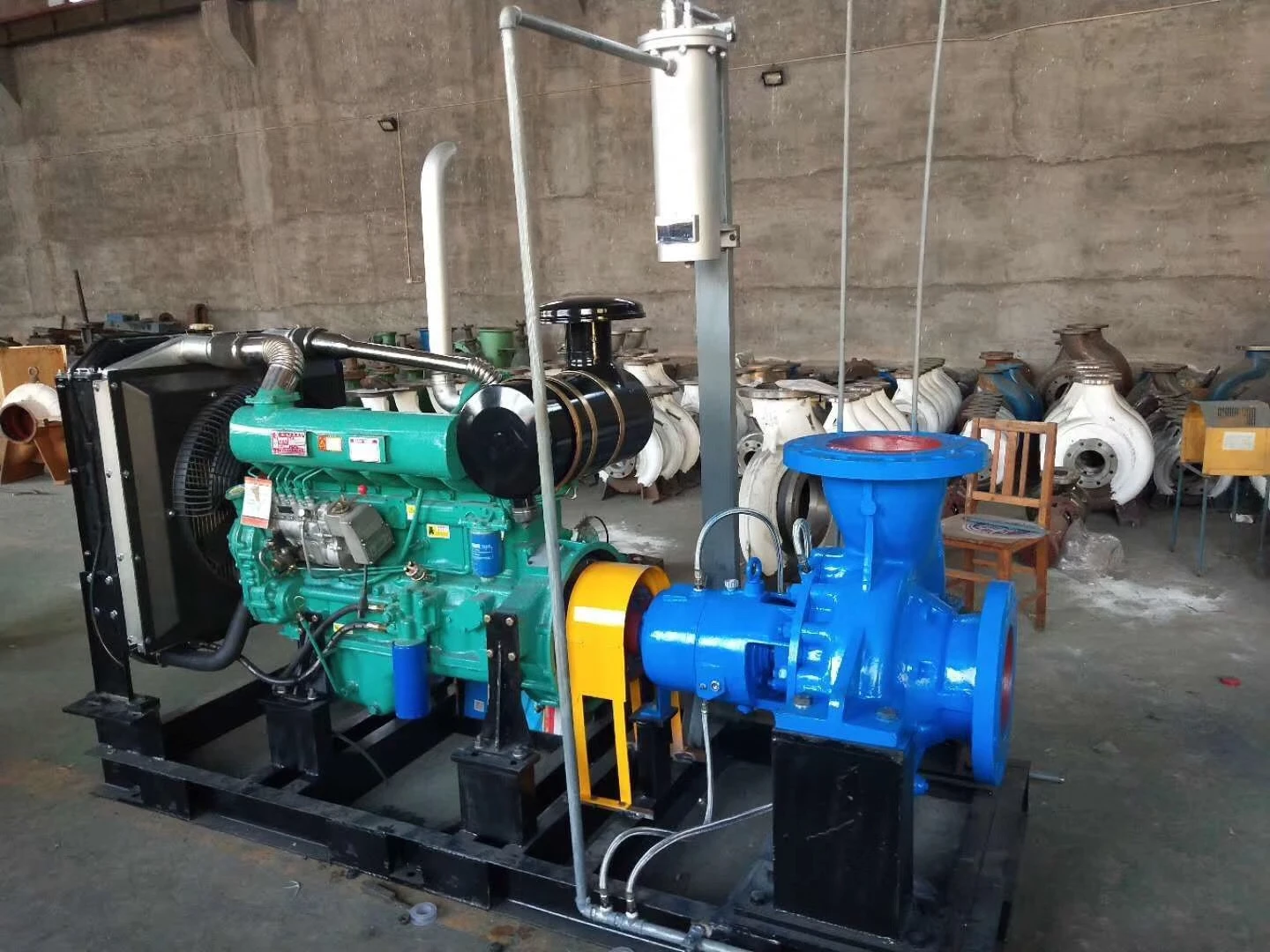
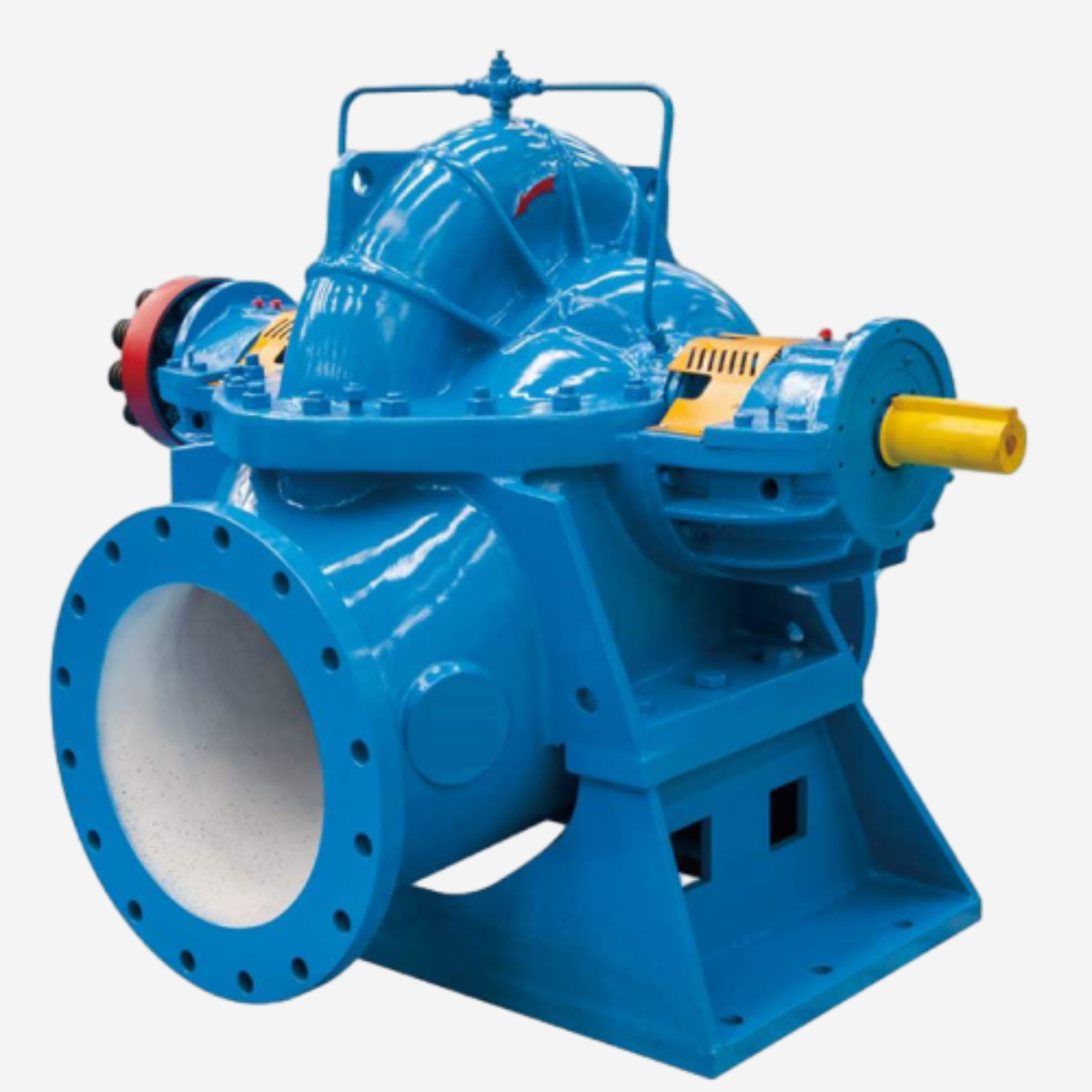
Slurry pumps are heavy-duty centrifugal pumps specifically engineered to transport abrasive, erosive, and corrosive fluids – collectively known as slurries. These fluids often contain solid particles suspended within a liquid medium, posing significant challenges to pump components. Positioned within the industrial chain, slurry pumps serve critical functions across diverse sectors including mining, wastewater treatment, chemical processing, power generation, and dredging. Their performance directly impacts process efficiency, operational costs, and overall plant reliability. Core performance characteristics are defined by flow rate (capacity, typically measured in GPM or m³/hr), head (pressure developed by the pump, typically measured in feet or meters), solids handling capability (maximum particle size and concentration), and materials of construction suited to the slurry’s chemical composition. A key industry pain point lies in balancing pump longevity with operational efficiency. Highly abrasion-resistant materials are often expensive, while lower-cost materials may require frequent replacement, leading to downtime and increased maintenance costs. Proper pump selection, based on a thorough slurry characterization, is paramount to mitigating these issues.
Material Science & Manufacturing
The performance and lifespan of slurry pumps are heavily dependent on the materials used in their construction and the manufacturing processes employed. Commonly utilized materials include high-chrome cast iron (for abrasion resistance), stainless steels (for corrosion resistance, particularly 304, 316, and duplex stainless steels), and various rubber and polymer linings (for handling highly corrosive slurries and providing impact cushioning). The manufacturing process typically begins with the casting or forging of pump components – the volute, impeller, and pump casing. High-chrome cast iron involves adding chromium (typically 13-30%) to the iron alloy, creating hard carbides that resist wear. Stainless steel components are often produced using investment casting or sand casting, followed by machining to precise tolerances. Rubber linings are applied using a vulcanization process, bonding the rubber to the metal substrate. Impeller design is crucial; closed impellers are suited for low-solids content slurries, while open or semi-open impellers are used for high-solids content. Key parameter control during manufacturing includes: material composition verification (through spectroscopy), hardness testing (Brinell or Vickers), dimensional accuracy (using coordinate measuring machines – CMMs), and non-destructive testing (NDT) such as radiographic inspection to detect internal flaws. Weld integrity, particularly for assembled pump casings, is rigorously monitored using methods like ultrasonic testing and dye penetrant inspection. Chemical compatibility between the slurry and pump materials must be carefully assessed to prevent corrosion or degradation. For example, hydrochloric acid slurries require specialized materials like tantalum or high-silicon cast iron.
Performance & Engineering
Slurry pump performance is governed by fundamental principles of fluid mechanics, specifically centrifugal pump theory. Force analysis considers hydrostatic pressure, dynamic pressure from slurry flow, and radial forces generated by impeller imbalance. Cavitation, a major concern, occurs when the pressure at the impeller inlet drops below the slurry’s vapor pressure, forming vapor bubbles that collapse violently, causing erosion damage. Net Positive Suction Head Required (NPSHr) must be carefully matched to Net Positive Suction Head Available (NPSHa) to prevent cavitation. Environmental resistance is critical, particularly in outdoor applications. Pump casings require robust sealing systems to prevent ingress of water, dust, and corrosive atmospheres. Materials selection is dictated by the operating temperature and the slurry’s chemical composition. Compliance requirements vary by region and application. For example, pumps used in the mining industry must meet standards related to hazardous location classification (ATEX or IECEx) if operating in potentially explosive environments. In wastewater treatment, pumps may need to comply with standards for biological oxygen demand (BOD) and total suspended solids (TSS) discharge. Functional implementation demands considering pump speed (RPM), impeller diameter, and volute geometry to achieve the desired flow rate and head. Pump efficiency is maximized by optimizing these parameters and minimizing hydraulic losses. Wear ring design is also important - replaceable wear rings prolong pump life by absorbing abrasive wear without requiring replacement of the entire casing.
Technical Specifications
| Pump Type | Maximum Flow Rate (GPM) | Maximum Head (ft) | Maximum Solids Size (in) |
|---|---|---|---|
| Centrifugal (Heavy Duty) | 2500 | 250 | 4 |
| Diaphragm | 600 | 150 | 2 |
| Vertical Turbine | 5000 | 400 | 1 |
| Submersible | 1200 | 300 | 3 |
| Positive Displacement (Peristaltic) | 200 | 200 | 0.5 |
| Slurry Sump Pump | 3000 | 180 | 3.5 |
Failure Mode & Maintenance
Slurry pump failures are typically attributed to abrasive wear, erosion, corrosion, and mechanical fatigue. Abrasive wear, the most common failure mode, occurs due to the impact of solid particles on pump components, leading to material loss. Erosion is a similar process, but it’s specifically caused by high-velocity fluid flow. Corrosion, particularly in chemically aggressive slurries, degrades the pump material, reducing its structural integrity. Mechanical fatigue arises from cyclic loading and unloading, leading to crack propagation and eventual failure. Common failure locations include the impeller, volute, pump casing, and shaft seals. Failure analysis techniques include visual inspection, metallurgical examination (using microscopy), and non-destructive testing (NDT). Preventive maintenance is critical. This includes regular inspection of wear components, lubrication of bearings, and monitoring of vibration levels. Replacing wear rings and impeller liners before catastrophic failure can significantly extend pump life. Impeller balancing is important to reduce vibration and bearing wear. Shaft seals should be regularly checked and replaced as needed. Flushing the pump with clean water after handling abrasive slurries helps to remove residual solids. Proper pump alignment is crucial to minimize bearing load and shaft deflection. When selecting a replacement pump, consider upgrading to more abrasion-resistant materials or implementing a more robust sealing system.
Industry FAQ
Q: What is the primary difference between a centrifugal slurry pump and a positive displacement slurry pump?
A: Centrifugal slurry pumps utilize rotational energy to impart velocity to the slurry, achieving high flow rates but typically lower pressures. They are best suited for slurries with lower viscosities and higher solids concentrations. Positive displacement pumps, such as peristaltic or progressing cavity pumps, deliver a fixed volume of slurry per revolution, providing consistent flow rates even at high pressures and are preferable for viscous slurries or metering applications.
Q: How do you determine the appropriate material for a slurry pump given a specific slurry composition?
A: The slurry composition (pH, solids concentration, particle size, and chemical constituents) dictates material selection. A corrosion resistance chart is consulted to identify materials that are compatible with the slurry's chemical properties. For abrasive slurries, high-chrome cast iron is commonly used. For corrosive slurries, stainless steels, rubber linings, or specialized alloys like Hastelloy may be required. Laboratory testing is often performed to verify material compatibility.
Q: What is NPSHr and NPSHa, and why is their relationship important?
A: NPSHr (Net Positive Suction Head Required) is the minimum pressure required at the pump inlet to prevent cavitation. NPSHa (Net Positive Suction Head Available) is the actual pressure available at the pump inlet. NPSHa must always be greater than NPSHr by a sufficient margin (typically 3-5 feet) to avoid cavitation damage. Insufficient NPSHa can lead to reduced pump performance and accelerated wear.
Q: What are the common causes of premature bearing failure in slurry pumps?
A: Common causes include improper lubrication, misalignment, excessive vibration due to impeller imbalance or wear, and ingress of abrasive particles past deteriorated seals. Regular bearing lubrication, proper pump alignment, and vibration monitoring are essential preventative measures. Upgrading to heavier-duty bearings can also improve lifespan.
Q: How does impeller design affect pump performance and wear life?
A: Impeller design significantly impacts flow rate, head, and solids handling capability. Open or semi-open impellers are more suitable for slurries with high solids content, as they are less prone to clogging. Impeller diameter and blade angle influence pump performance. Hardened impeller materials or rubber linings can extend wear life in abrasive slurries. A properly designed impeller minimizes turbulence and hydraulic losses.
Conclusion
Slurry pumps are vital components in numerous industrial processes, demanding careful consideration of material science, manufacturing precision, and engineering principles. Optimal pump selection and maintenance are crucial for maximizing efficiency, minimizing downtime, and ensuring long-term reliability. The inherent challenges posed by abrasive, corrosive, and erosive slurries necessitate a holistic approach, encompassing slurry characterization, appropriate materials selection, meticulous manufacturing processes, and proactive maintenance strategies.
Future advancements in slurry pump technology will likely focus on the development of more wear-resistant materials, improved impeller designs, and advanced monitoring systems for predictive maintenance. Furthermore, optimization of pump hydraulics through computational fluid dynamics (CFD) modeling will play a key role in enhancing pump efficiency and reducing energy consumption. Understanding and adhering to relevant industry standards is paramount for safe and compliant operation.
-
Precision at the Pump: How Better Machining Protects Flow and Uptime
News2026-11-20
-
Why Pump Reliability Begins Before the First Drop of Fluid
News2026-11-20
-
Beyond the Pump: Designing Safer Access Around Critical Water Infrastructure
News2026-11-20
-
Why Pumping Stations Depend on the Infrastructure Beneath the Pumps
News2026-11-20
-
Beyond the Pump Room: How Smarter Loading Protects Industrial Equipment
News2026-11-19
-
When Pumps Stop: Designing More Resilient Power for Critical Pumping Systems
News2026-11-19
-
The Hidden Role of Dust and Gas Monitoring in Reliable Pump Operations
News2026-11-19
-
The Hidden Role of Mineral Compounds in Extending Industrial Pump Lifespan
News2026-10-12
-
Why Pump System Reliability Depends on Precision Hose Assembly Methods
News2026-09-15
-
How Advanced Imaging Films Are Transforming Pump Component Quality Control
News2026-08-25
-
How Advanced Filtration Protects Pump Systems from Premature Wear and Costly Downtime
News2026-08-25
-
How Steel Material Selection Drives Pump Reliability in Heavy-Duty Systems
News2026-08-25
-
Ensuring Pump System Efficiency: The Role of High-Quality Pipe Fittings and Tubing
News2026-08-24
-
Optimizing Fluid Dynamics and Material Consistency in Industrial Processing
News2026-08-18
-
Innovations and Challenges in Hydraulic Systems for Heavy Machinery
News2026-08-13




