English
- Afrikaans
- Albanian
- Amharic
- Arabic
- Armenian
- Azerbaijani
- Basque
- Belarusian
- Bengali
- Bosnian
- Bulgarian
- Catalan
- Cebuano
- Corsican
- Croatian
- Czech
- Danish
- Dutch
- English
- Esperanto
- Estonian
- Finnish
- French
- Frisian
- Galician
- Georgian
- German
- Greek
- Gujarati
- Haitian Creole
- hausa
- hawaiian
- Hebrew
- Hindi
- Miao
- Hungarian
- Icelandic
- igbo
- Indonesian
- irish
- Italian
- Japanese
- Javanese
- Kannada
- kazakh
- Khmer
- Rwandese
- Korean
- Kurdish
- Kyrgyz
- Lao
- Latin
- Latvian
- Lithuanian
- Luxembourgish
- Macedonian
- Malgashi
- Malay
- Malayalam
- Maltese
- Maori
- Marathi
- Mongolian
- Myanmar
- Nepali
- Norwegian
- Norwegian
- Occitan
- Pashto
- Persian
- Polish
- Portuguese
- Punjabi
- Romanian
- Russian
- Samoan
- Scottish Gaelic
- Serbian
- Sesotho
- Shona
- Sindhi
- Sinhala
- Slovak
- Slovenian
- Somali
- Spanish
- Sundanese
- Swahili
- Swedish
- Tagalog
- Tajik
- Tamil
- Tatar
- Telugu
- Thai
- Turkish
- Turkmen
- Ukrainian
- Urdu
- Uighur
- Uzbek
- Vietnamese
- Welsh
- Bantu
- Yiddish
- Yoruba
- Zulu

Telephone: +86 13120555503
Email: frank@cypump.com


Apr . 01, 2024 17:55 Back to list
slurry pumps Material Science Manufacturing
Introduction
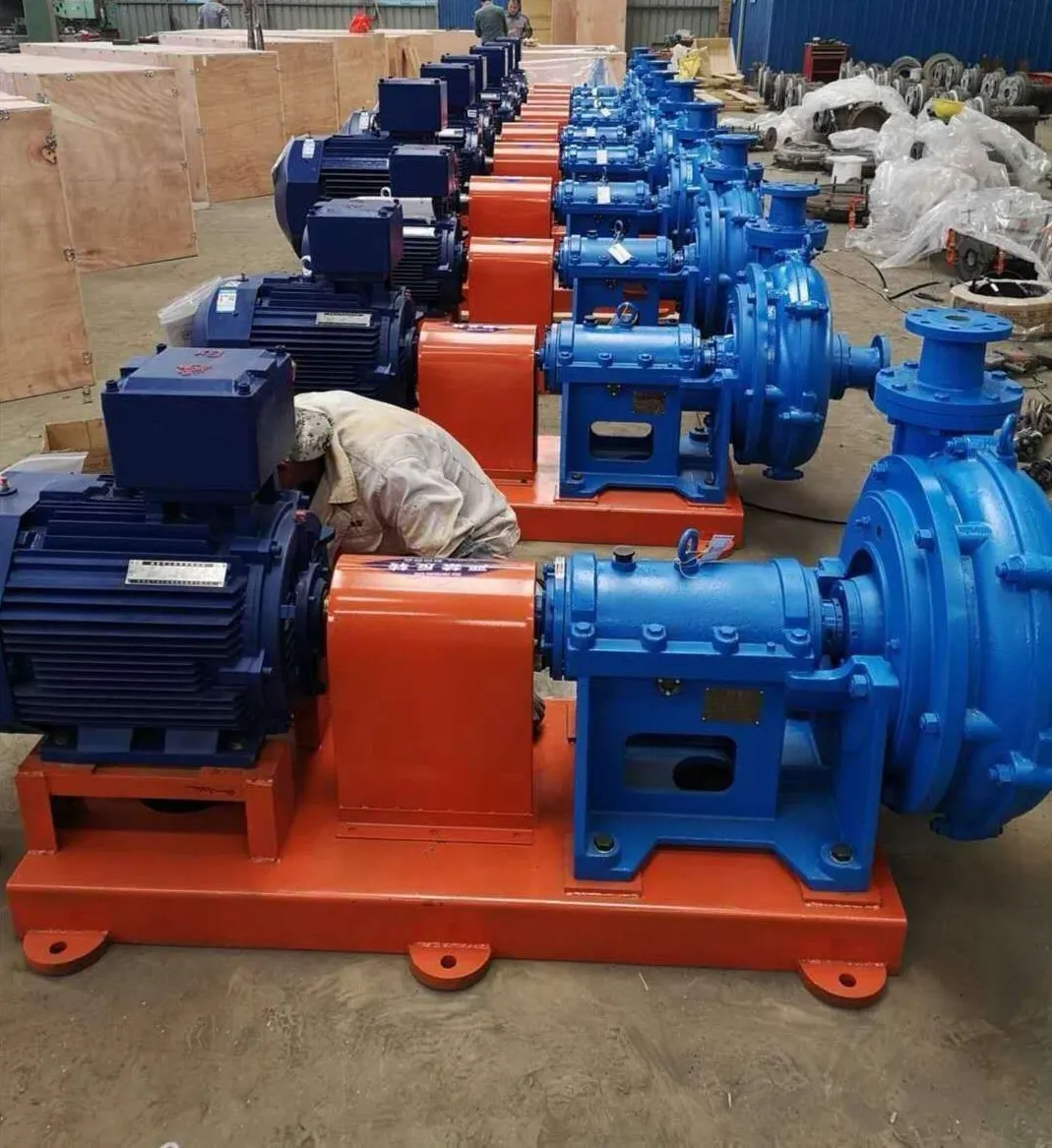
Slurry pumps are heavy-duty pumps specifically designed to handle abrasive, corrosive, and erosive fluids containing solid particles – collectively known as slurries. Positioned critically within the mining, wastewater treatment, chemical processing, and oil & gas industries, these pumps are integral to processes such as material transport, tailings management, and product transfer. Unlike standard centrifugal pumps, slurry pumps prioritize wear resistance and hydraulic efficiency when handling solids-laden fluids. Core performance characteristics include flow rate (typically measured in gallons per minute or cubic meters per hour), head (pressure generated, in feet or meters), solids handling capability (maximum particle size and concentration by weight or volume), and pump efficiency. The increasing demands for processing lower-grade ores and managing environmental regulations concerning waste disposal drive the need for increasingly robust and efficient slurry pump technologies. A significant pain point in the industry lies in balancing pump longevity with operational costs, as frequent component replacement due to wear can substantially impact profitability.
Material Science & Manufacturing
The materials used in slurry pump construction are paramount to their performance and lifespan. Pump casings are commonly constructed from high-chrome cast iron (approximately 27-30% chromium content) due to its exceptional abrasion resistance, exceeding that of standard cast iron by a factor of 8-10. Impeller materials often mirror casing materials for similar reasons. For highly corrosive slurries, duplex stainless steels (such as 2205 or 2507) or specialized alloys like Hastelloy are employed, offering superior resistance to pitting and crevice corrosion. Shafts are generally manufactured from high-strength alloy steels, often induction hardened to improve wear resistance. Liners, used to protect the casing from abrasive wear, are frequently made from rubber (natural or synthetic, such as EPDM or neoprene) or ceramic materials like alumina or silicon carbide.
Manufacturing processes vary depending on the pump component. Casing and impeller production typically involve sand casting followed by machining. The casting process utilizes patterns to create the desired shape, with close control of the sand composition and pouring temperature to minimize defects. Heat treatment processes, like annealing and quenching, are crucial for achieving the required material properties. Impellers often undergo dynamic balancing to reduce vibration and ensure smooth operation. Shafts are typically machined from bar stock using CNC lathes and milling machines. Rubber liners are produced via molding or layering processes, while ceramic liners are formed through sintering or pressing techniques. Key parameter control involves precise alloy composition verification using spectroscopic analysis, rigorous non-destructive testing (NDT) methods like ultrasonic testing and radiographic inspection to detect internal flaws, and dimensional accuracy checks using coordinate measuring machines (CMMs).
Performance & Engineering
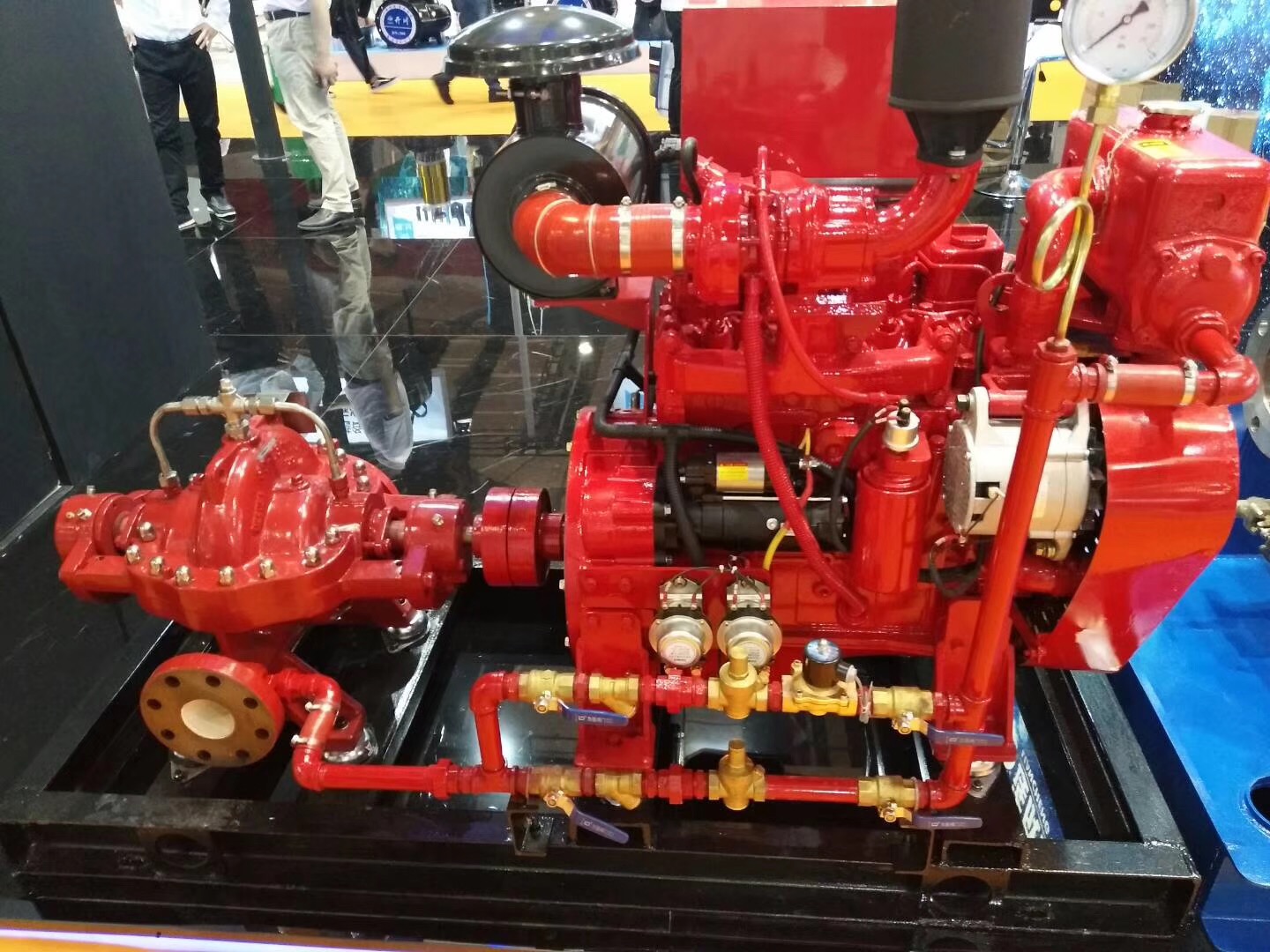
Slurry pump performance is governed by several key engineering principles. Hydraulic design focuses on maximizing impeller efficiency while minimizing erosion and wear. Volute casings are commonly employed, but open or semi-open impellers are preferred for handling slurries with high solids concentrations to prevent clogging. Force analysis involves calculating the shear stresses imparted by the slurry particles on the pump components, particularly the impeller and casing. Cavitation, a major concern in pump operation, is mitigated by carefully selecting the net positive suction head required (NPSHr) and ensuring adequate suction pressure.
Environmental resistance is critical, particularly in outdoor installations. Pumps must be designed to withstand temperature extremes, humidity, and exposure to corrosive atmospheres. Coatings, such as epoxy or polyurethane, are frequently applied to external surfaces to provide corrosion protection. Compliance requirements vary by region and application. For example, in the mining industry, pumps handling tailings must adhere to stringent environmental regulations regarding leakage and containment. In the food and beverage industry, pumps must meet sanitary standards (e.g., 3-A Sanitary Standards) to prevent contamination. Pump selection must also consider the slurry’s rheological properties (viscosity, density, and particle size distribution) and its impact on pump performance and wear rates. Finite element analysis (FEA) is routinely used to simulate stress distributions and optimize pump component designs for maximum durability.
Technical Specifications
| Parameter | Unit | Typical Range (Centrifugal Slurry Pump) | Typical Range (Positive Displacement Slurry Pump) |
|---|---|---|---|
| Flow Rate | GPM (US) | 50 - 5000 | 1 - 200 |
| Head | ft | 20 - 250 | 50 - 300 |
| Solids Handling Size | in | Up to 3 | Up to 2 |
| Slurry Concentration (Weight %) | % | Up to 70 | Up to 80 |
| Pump Efficiency | % | 60 - 85 | 70 - 90 |
| Casing Material | - | High-Chrome Cast Iron, Rubber-lined Steel | Stainless Steel, Alloy Steel |
Failure Mode & Maintenance
Slurry pump failures commonly stem from abrasive wear, corrosion, erosion, and mechanical fatigue. Abrasive wear, caused by the impact of solid particles, leads to material loss from the impeller, casing, and liners. Corrosion, particularly in acidic or alkaline slurries, weakens pump components. Erosion, a combination of abrasion and corrosion, accelerates material degradation. Mechanical fatigue can result from cyclic stresses induced by vibration or fluctuating flow rates, leading to cracking and eventual failure. Common failure modes include impeller cracking, casing wear-through, shaft bending, and seal leakage.
Preventive maintenance is crucial for maximizing pump lifespan. This includes regular visual inspections for signs of wear, monitoring bearing temperatures and vibrations, lubricating bearings according to manufacturer recommendations, and replacing worn liners and impellers proactively. Periodic performance monitoring (flow rate, head, and power consumption) can identify subtle performance degradation indicative of internal wear. Failure analysis, involving metallurgical examination of failed components, is essential for determining the root cause of failures and implementing corrective actions. Common maintenance procedures include impeller balancing, seal replacement, bearing replacement, and casing repair or replacement. Utilizing wear-resistant materials, optimizing pump operating parameters (flow rate and head), and implementing effective slurry management strategies (e.g., classifying solids to reduce particle size) can significantly mitigate failure rates.
Industry FAQ
Q: What is the impact of slurry particle size distribution on pump selection?
A: Particle size distribution significantly impacts pump selection. Larger particle sizes require pumps with wider flow passages to prevent clogging and increased abrasion resistance. A broader distribution with a high percentage of large particles necessitates a more robust impeller and casing design. Pumps with open or semi-open impellers are generally preferred for slurries with high concentrations of large particles.
Q: How do I determine the appropriate liner material for a specific slurry?
A: Liner material selection depends on the slurry's abrasive and corrosive characteristics. For highly abrasive slurries, rubber liners offer excellent wear resistance. For corrosive slurries, ceramic liners or specialized alloys are more suitable. A comprehensive slurry analysis, including particle size, hardness, chemical composition, and pH, is essential for informed liner selection.
Q: What are the advantages and disadvantages of using a positive displacement pump versus a centrifugal pump for slurry applications?
A: Positive displacement pumps (e.g., progressing cavity pumps, peristaltic pumps) excel at handling highly viscous slurries and maintaining a consistent flow rate regardless of pressure changes. However, they are generally more expensive and have lower flow rates than centrifugal pumps. Centrifugal pumps are more cost-effective and can handle higher flow rates, but their performance is more sensitive to changes in slurry viscosity and solids concentration.
Q: How can I minimize cavitation damage in a slurry pump?
A: Minimizing cavitation damage requires ensuring adequate net positive suction head available (NPSHa) exceeds the net positive suction head required (NPSHr). This involves optimizing suction piping design, reducing suction lift, and maintaining sufficient suction pressure. Regularly inspecting the impeller for signs of cavitation damage (pitting and erosion) is also crucial.
Q: What role does impeller design play in slurry pump efficiency and wear life?
A: Impeller design is paramount. The impeller geometry, vane angle, and impeller diameter directly impact hydraulic efficiency and wear life. Open or semi-open impellers are less prone to clogging but may have lower efficiency than closed impellers. Careful consideration of vane shape and material selection can minimize erosion and maximize pump performance.
Conclusion
Slurry pumps represent a critical technology in numerous industrial processes where the handling of abrasive and corrosive fluids is paramount. Their performance and longevity are intricately linked to material science, manufacturing precision, and a deep understanding of hydraulic principles. Choosing the appropriate pump type and configuration requires a thorough assessment of the slurry’s characteristics, operational parameters, and environmental constraints.
Future advancements in slurry pump technology will likely focus on developing new wear-resistant materials, optimizing impeller designs for enhanced efficiency, and incorporating smart sensors for predictive maintenance. Furthermore, exploring innovative solutions for reducing energy consumption and minimizing environmental impact will be increasingly important as industries strive for sustainability. A proactive approach to maintenance, coupled with continuous monitoring and analysis, is essential for maximizing pump lifespan and minimizing operational costs.
-
Comprehensive Guide to Waterproof ORings for Optimal Sealing Solutions
News2026-06-09
-
drainage pumps Performance and Engineering
News2026-06-09
-
basement bathroom ejector pump Material Science
News2026-06-09
-
Sewer Ejector Pump Cost Performance Analysis
News2026-06-09
-
Septic Tank Pump Replacement Performance Analysis
News2026-06-09
-
septic sump pump Performance and Engineering
News2026-06-09
-
Septic Pump System Performance Analysis
News2026-06-08
-
pump for septic Material Science
News2026-06-08
-
basement sewer pump Performance Analysis
News2026-06-08
-
submerged pump Performance Engineering
News2026-06-08
-
Septic System Pumps Performance Analysis
News2026-06-08
-
septic system pump Material Science and Manufacturing
News2026-06-07
-
pump for septic tank Material Science Manufacturing
News2026-06-07
-
submersible sewage pump Material Science
News2026-06-07
-
Sewage Ejector Material Science and Manufacturing
News2026-06-07




