English
- Afrikaans
- Albanian
- Amharic
- Arabic
- Armenian
- Azerbaijani
- Basque
- Belarusian
- Bengali
- Bosnian
- Bulgarian
- Catalan
- Cebuano
- Corsican
- Croatian
- Czech
- Danish
- Dutch
- English
- Esperanto
- Estonian
- Finnish
- French
- Frisian
- Galician
- Georgian
- German
- Greek
- Gujarati
- Haitian Creole
- hausa
- hawaiian
- Hebrew
- Hindi
- Miao
- Hungarian
- Icelandic
- igbo
- Indonesian
- irish
- Italian
- Japanese
- Javanese
- Kannada
- kazakh
- Khmer
- Rwandese
- Korean
- Kurdish
- Kyrgyz
- Lao
- Latin
- Latvian
- Lithuanian
- Luxembourgish
- Macedonian
- Malgashi
- Malay
- Malayalam
- Maltese
- Maori
- Marathi
- Mongolian
- Myanmar
- Nepali
- Norwegian
- Norwegian
- Occitan
- Pashto
- Persian
- Polish
- Portuguese
- Punjabi
- Romanian
- Russian
- Samoan
- Scottish Gaelic
- Serbian
- Sesotho
- Shona
- Sindhi
- Sinhala
- Slovak
- Slovenian
- Somali
- Spanish
- Sundanese
- Swahili
- Swedish
- Tagalog
- Tajik
- Tamil
- Tatar
- Telugu
- Thai
- Turkish
- Turkmen
- Ukrainian
- Urdu
- Uighur
- Uzbek
- Vietnamese
- Welsh
- Bantu
- Yiddish
- Yoruba
- Zulu

Telephone: +86 13120555503
Email: frank@cypump.com


Apr . 01, 2024 17:55 Back to list
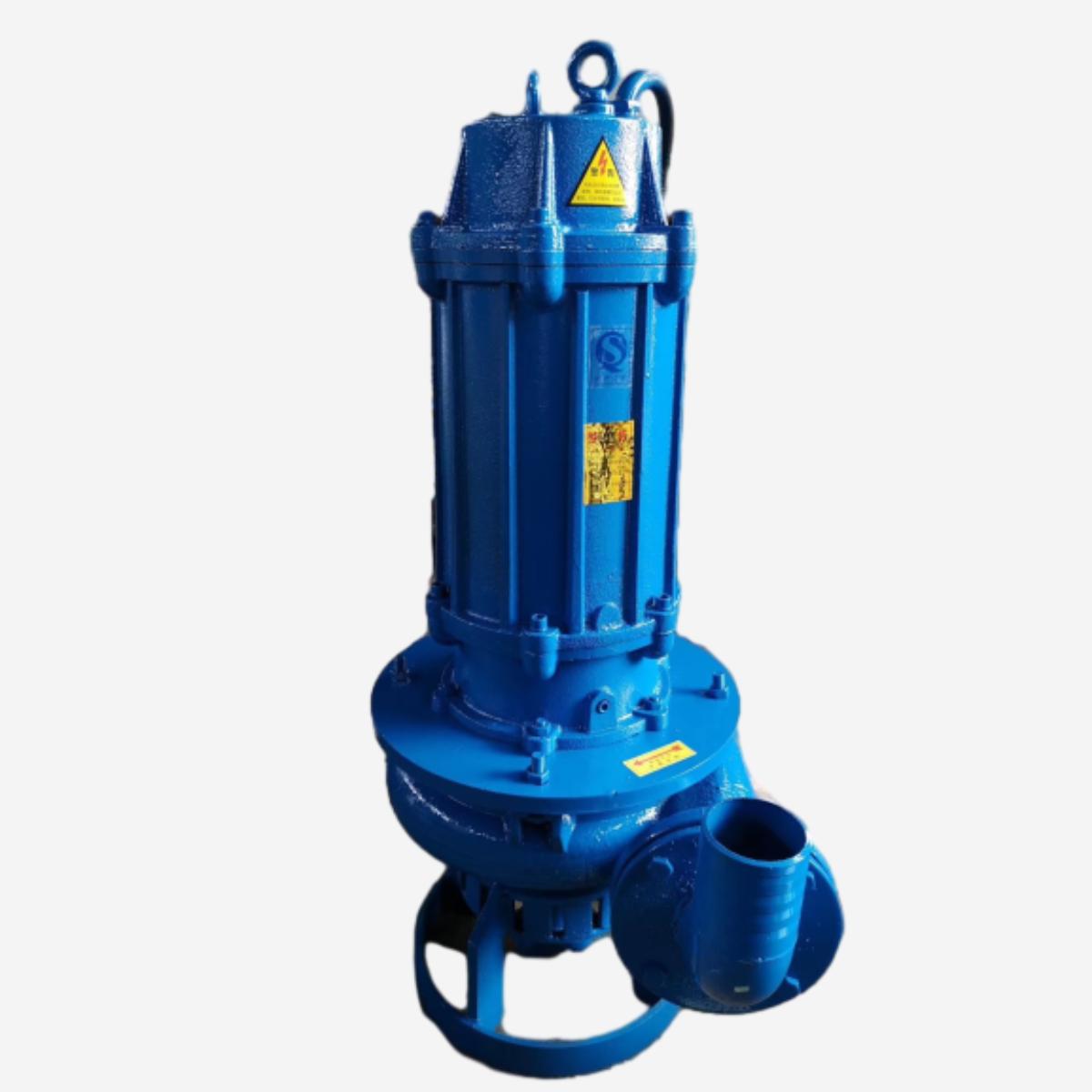
slurry pumps for sale in south africa Performance Analysis
Introduction
Slurry pumps, critical components in numerous industrial processes across South Africa, are engineered to efficiently transport abrasive and erosive fluids – collectively known as slurries. These applications span mining (coal, gold, platinum, diamond), wastewater treatment, dredging, power generation, and chemical processing. The South African market presents unique challenges due to the highly abrasive nature of materials processed in its dominant mining sector, necessitating robust pump designs and materials. This guide provides a comprehensive technical overview of slurry pumps, encompassing material science, manufacturing processes, performance parameters, failure modes, and relevant industry standards, specifically geared towards the operational and procurement needs within South Africa. Core performance characteristics include flow rate (m³/h), head (meters), solids handling capacity (percentage by weight, particle size), and pump efficiency. Selecting the appropriate slurry pump directly impacts operational efficiency, maintenance costs, and overall plant uptime, particularly crucial in demanding South African industrial environments.
Material Science & Manufacturing
The performance and longevity of a slurry pump are fundamentally dictated by the materials used in its construction. Common materials include high-chromium cast irons (15-30% Cr), offering excellent abrasion resistance for handling sand and gravel-laden slurries. For more corrosive environments, duplex stainless steels (e.g., 2205, 2507) and super austenitic stainless steels are employed, providing superior resistance to pitting and crevice corrosion. Elastomeric linings, typically natural rubber or polyurethane, are frequently used on pump casings and impellers to protect the metal substrate from erosion and impact. Manufacturing processes vary based on component complexity and material. Pump casings are often manufactured using sand casting, investment casting, or centrifugal casting, depending on the alloy and required dimensional accuracy. Impellers are typically produced via investment casting or sand casting followed by precision machining. Shafts are typically forged from alloy steels and undergo rigorous heat treatment and quality control to ensure adequate tensile strength and fatigue resistance. Welding processes, such as shielded metal arc welding (SMAW) and gas tungsten arc welding (GTAW), are critical for joining components. Parameter control during welding is paramount to prevent distortion, cracking, and reduction in material properties. Specifically, pre-heating, interpass temperature control, and post-weld heat treatment (PWHT) are crucial for maintaining the integrity of weldments in high-alloy materials. The impeller geometry is optimized through computational fluid dynamics (CFD) to minimize turbulence and maximize hydraulic efficiency, particularly important when handling high-solids-content slurries.
Performance & Engineering
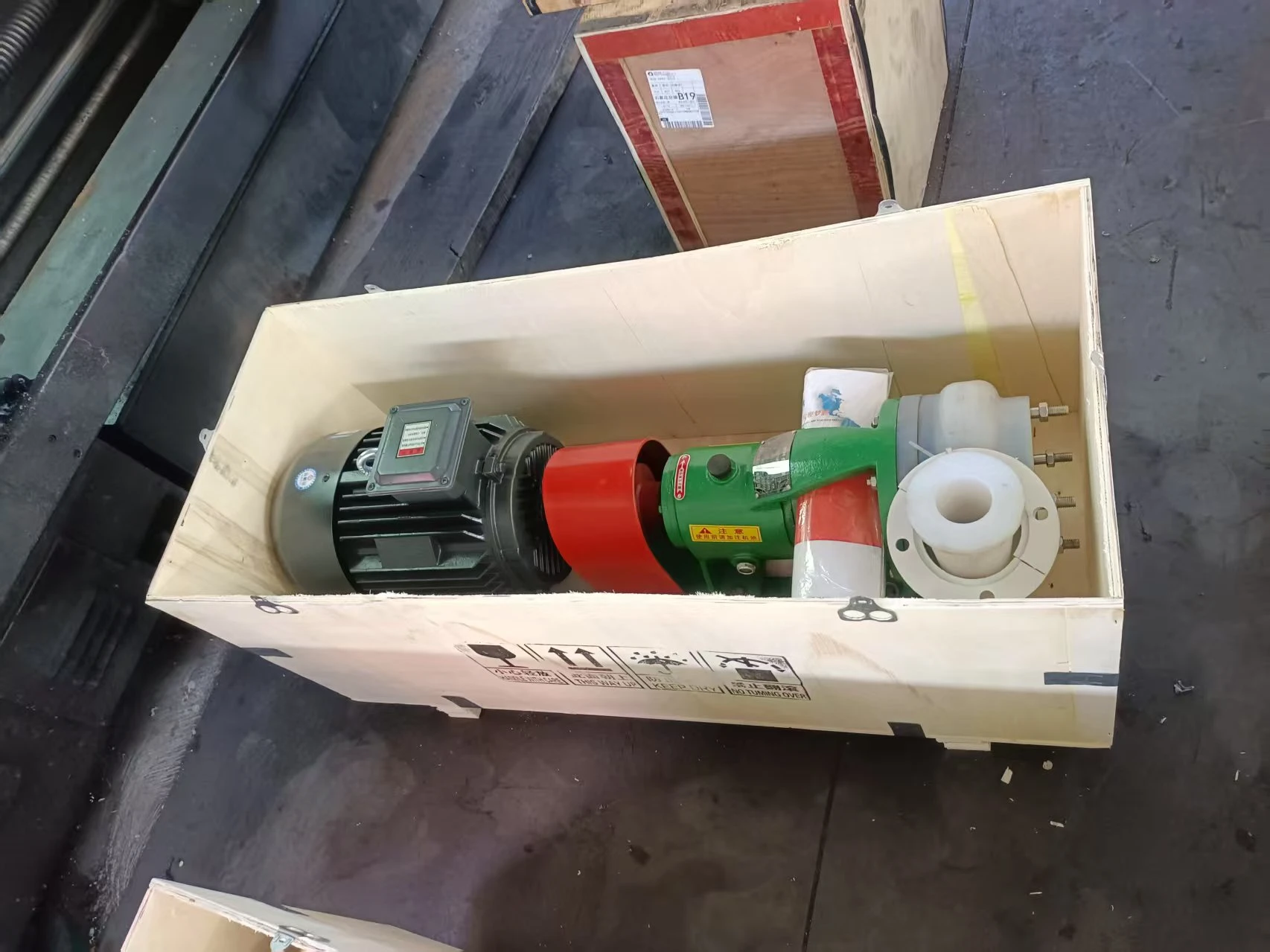
Slurry pump performance is governed by several key engineering principles. The pump’s hydraulic performance curve, depicting head versus flow rate, is critical for matching the pump to the system’s requirements. Net Positive Suction Head Required (NPSHr) is a crucial parameter, ensuring cavitation does not occur, which can severely damage the impeller. Cavitation arises when the absolute pressure at the pump suction drops below the vapor pressure of the slurry, leading to the formation and collapse of vapor bubbles. Force analysis is essential, particularly in centrifugal pumps, to assess stresses on the impeller, shaft, and bearings. These stresses are caused by hydraulic forces, centrifugal forces, and external loads. Bearing selection is critical; commonly used bearing types include deep groove ball bearings, cylindrical roller bearings, and spherical roller bearings, chosen based on load capacity, speed, and lubrication requirements. Environmental resistance is a key consideration in South African applications, where pumps may operate in corrosive atmospheres or extreme temperatures. Pump seals are particularly vulnerable and require careful selection based on the slurry composition and operating conditions. Mechanical seals, employing materials like silicon carbide and tungsten carbide, are commonly used for abrasive slurries. Compliance with local regulations and international standards (discussed in the footer) is paramount. Specifically, pumps destined for use in hazardous areas must comply with ATEX directives regarding explosion protection. Furthermore, pump efficiency directly impacts energy consumption, a significant operating cost, prompting the use of variable frequency drives (VFDs) to optimize pump speed and reduce energy usage.
Technical Specifications
| Parameter | Unit | Typical Range (Small Pump) | Typical Range (Large Pump) |
|---|---|---|---|
| Flow Rate | m³/h | 5 - 50 | 200 - 1000+ |
| Head | m | 10 - 30 | 50 - 200+ |
| Solids Handling Capacity | % by Weight | Up to 30% | Up to 70% |
| Particle Size | mm | Up to 25 | Up to 150 |
| Pump Efficiency | % | 60 - 75 | 70 - 85 |
| Power | kW | 1.5 - 7.5 | 30 - 200+ |
Failure Mode & Maintenance
Slurry pump failures are common and often result from the abrasive and erosive nature of the handled fluids. Common failure modes include impeller wear, liner erosion, shaft breakage, seal failure, and bearing failure. Impeller wear typically occurs due to erosion and abrasion, leading to a reduction in pump efficiency and flow rate. Liner erosion is particularly prevalent in areas of high velocity and turbulence. Shaft breakage can result from fatigue cracking induced by cyclic loading or corrosion fatigue. Seal failure is often caused by abrasive particles damaging the seal faces or by chemical attack on the seal materials. Bearing failure can occur due to inadequate lubrication, contamination, or excessive load. Preventative maintenance is crucial. Regular inspections should include visual checks for wear, vibration analysis to detect bearing issues, and lubrication monitoring. Impeller and liner replacement are routine maintenance tasks, and the frequency depends on the slurry characteristics and operating conditions. Proper alignment of the pump and motor is essential to prevent excessive bearing wear and shaft stress. Filtration systems can be employed upstream of the pump to remove large particles and reduce abrasive wear. Consideration should be given to employing wear-resistant coatings, such as hardfacing alloys or ceramic coatings, to extend component life. Detailed records of maintenance activities and component replacement are vital for tracking pump performance and optimizing maintenance schedules.
Industry FAQ
Q: What is the optimal impeller material for a slurry pump handling a highly abrasive gold ore slurry with a pH of 8?
A: For a highly abrasive gold ore slurry at a pH of 8, a high-chromium cast iron impeller is generally recommended. The chromium content (15-30%) provides excellent abrasion resistance against the ore particles. While stainless steels offer better corrosion resistance, they are typically less resistant to abrasion than high-chromium irons. However, the specific ore mineralogy should be considered; if the ore contains significant levels of chlorides, a duplex stainless steel impeller may be necessary to prevent localized corrosion.
Q: How does the pump speed affect the wear rate of a slurry pump?
A: Increasing pump speed generally increases the wear rate. Higher speeds lead to higher slurry velocities, resulting in increased erosive wear on the impeller and casing. However, reducing the speed excessively can reduce the pump’s capacity. The optimal speed is a trade-off between wear rate and performance, and is often determined through wear rate modelling and field experience.
Q: What are the key considerations when selecting a mechanical seal for a slurry pump?
A: Key considerations include the slurry's abrasiveness, corrosivity, temperature, and pressure. For abrasive slurries, hardened seal faces made from materials like silicon carbide or tungsten carbide are crucial. The seal design should incorporate features to prevent solids from entering the seal chamber. Double mechanical seals with a barrier fluid are often used for highly abrasive or corrosive slurries.
Q: What is the role of NPSH in preventing pump damage?
A: Net Positive Suction Head (NPSH) is critical. If the available NPSH (NPSHa) is less than the NPSHr (Net Positive Suction Head Required) by the pump, cavitation will occur. Cavitation causes imploding bubbles, damaging the impeller and reducing pump efficiency. Proper system design and pump selection must ensure adequate NPSHa.
Q: How can I minimize the total cost of ownership (TCO) for a slurry pump installation?
A: Minimizing TCO involves several factors. Select a pump that is correctly sized for the application to optimize energy consumption. Choose materials that are appropriate for the slurry characteristics to maximize component life. Implement a robust preventative maintenance program to reduce unplanned downtime. Consider using VFDs to optimize pump speed and reduce energy costs. Accurate monitoring of pump performance indicators allows for timely maintenance and avoids catastrophic failures.
Conclusion
The selection, operation, and maintenance of slurry pumps represent a significant engineering and economic consideration for South African industries. Understanding the interplay between material science, hydraulic performance, and failure modes is paramount to maximizing pump life and minimizing operational costs. The challenges posed by highly abrasive slurries require careful material selection, optimized pump design, and a proactive maintenance strategy.
Furthermore, adherence to relevant international standards and regulations ensures safe and reliable operation. Investing in comprehensive training for operators and maintenance personnel will further enhance pump performance and longevity, ultimately contributing to increased efficiency and profitability for South African industrial operations.
-
Precision at the Pump: How Better Machining Protects Flow and Uptime
News2026-11-20
-
Why Pump Reliability Begins Before the First Drop of Fluid
News2026-11-20
-
Beyond the Pump: Designing Safer Access Around Critical Water Infrastructure
News2026-11-20
-
Why Pumping Stations Depend on the Infrastructure Beneath the Pumps
News2026-11-20
-
Beyond the Pump Room: How Smarter Loading Protects Industrial Equipment
News2026-11-19
-
When Pumps Stop: Designing More Resilient Power for Critical Pumping Systems
News2026-11-19
-
The Hidden Role of Dust and Gas Monitoring in Reliable Pump Operations
News2026-11-19
-
The Hidden Role of Mineral Compounds in Extending Industrial Pump Lifespan
News2026-10-12
-
Why Pump System Reliability Depends on Precision Hose Assembly Methods
News2026-09-15
-
How Advanced Imaging Films Are Transforming Pump Component Quality Control
News2026-08-25
-
How Advanced Filtration Protects Pump Systems from Premature Wear and Costly Downtime
News2026-08-25
-
How Steel Material Selection Drives Pump Reliability in Heavy-Duty Systems
News2026-08-25
-
Ensuring Pump System Efficiency: The Role of High-Quality Pipe Fittings and Tubing
News2026-08-24
-
Optimizing Fluid Dynamics and Material Consistency in Industrial Processing
News2026-08-18
-
Innovations and Challenges in Hydraulic Systems for Heavy Machinery
News2026-08-13




