English
- Afrikaans
- Albanian
- Amharic
- Arabic
- Armenian
- Azerbaijani
- Basque
- Belarusian
- Bengali
- Bosnian
- Bulgarian
- Catalan
- Cebuano
- Corsican
- Croatian
- Czech
- Danish
- Dutch
- English
- Esperanto
- Estonian
- Finnish
- French
- Frisian
- Galician
- Georgian
- German
- Greek
- Gujarati
- Haitian Creole
- hausa
- hawaiian
- Hebrew
- Hindi
- Miao
- Hungarian
- Icelandic
- igbo
- Indonesian
- irish
- Italian
- Japanese
- Javanese
- Kannada
- kazakh
- Khmer
- Rwandese
- Korean
- Kurdish
- Kyrgyz
- Lao
- Latin
- Latvian
- Lithuanian
- Luxembourgish
- Macedonian
- Malgashi
- Malay
- Malayalam
- Maltese
- Maori
- Marathi
- Mongolian
- Myanmar
- Nepali
- Norwegian
- Norwegian
- Occitan
- Pashto
- Persian
- Polish
- Portuguese
- Punjabi
- Romanian
- Russian
- Samoan
- Scottish Gaelic
- Serbian
- Sesotho
- Shona
- Sindhi
- Sinhala
- Slovak
- Slovenian
- Somali
- Spanish
- Sundanese
- Swahili
- Swedish
- Tagalog
- Tajik
- Tamil
- Tatar
- Telugu
- Thai
- Turkish
- Turkmen
- Ukrainian
- Urdu
- Uighur
- Uzbek
- Vietnamese
- Welsh
- Bantu
- Yiddish
- Yoruba
- Zulu

Telephone: +86 13120555503
Email: frank@cypump.com


Apr . 01, 2024 17:55 Back to list
slurry pumps for mining Material Science
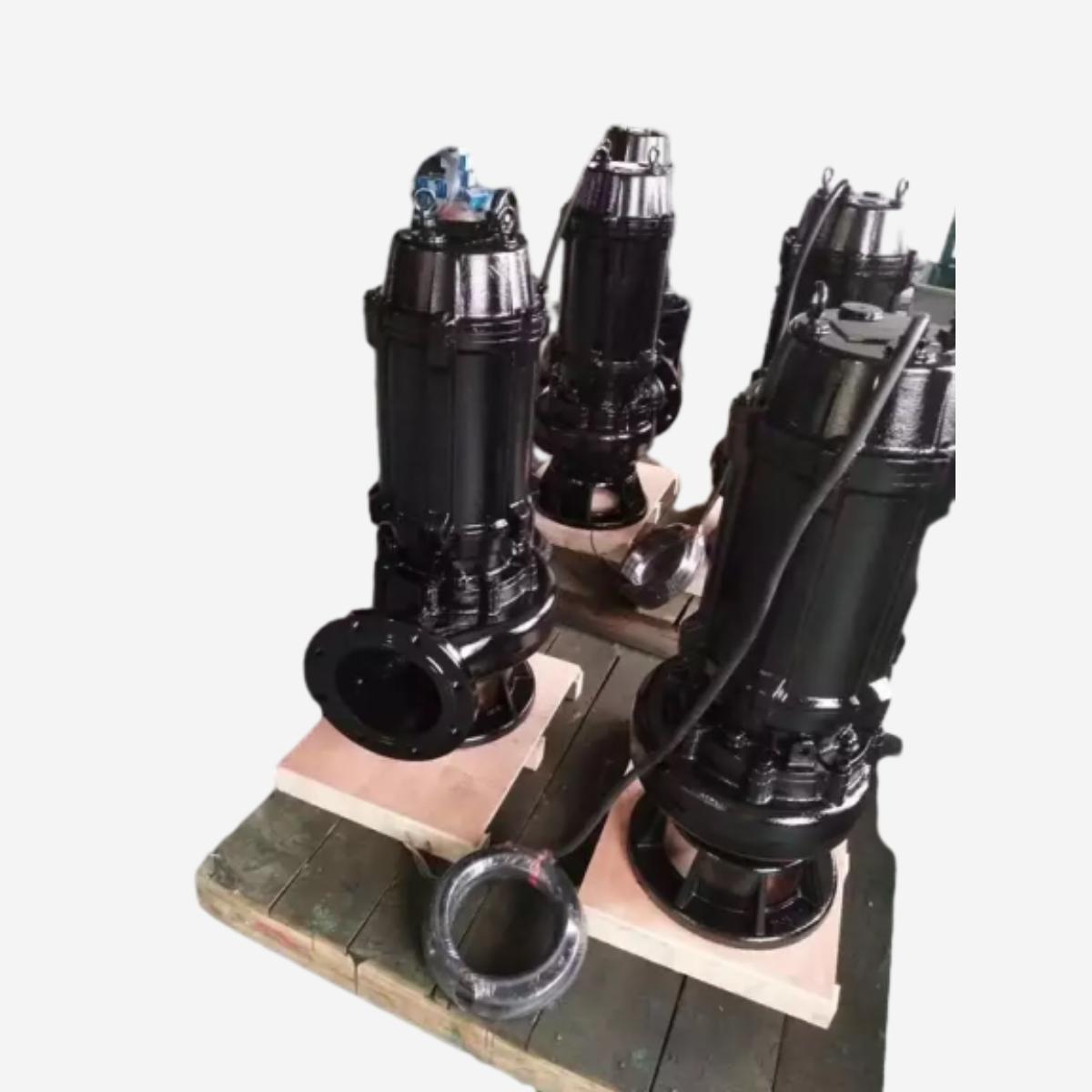
Introduction
Slurry pumps for mining are engineered to efficiently transport abrasive and erosive mixtures of solids and liquids commonly encountered in mineral processing, dredging, and tailings management. Unlike standard centrifugal pumps, slurry pumps are specifically designed to handle the increased wear and tear imposed by particulate-laden fluids. Their technical position within the mining industry chain is critical, forming a core component in numerous process stages from initial ore extraction and concentration to waste disposal. Core performance characteristics center around flow rate (m³/h), head (meters), solids concentration (% by weight), and particle size distribution (mm). The selection of an appropriate slurry pump depends heavily on these factors, alongside the slurry’s specific gravity and chemical composition. Failure to select a suitably robust pump results in frequent downtime, increased maintenance costs, and potential process inefficiencies, representing a substantial economic burden for mining operations. The evolution of slurry pump technology has focused on materials science advancements and hydrodynamic optimization to mitigate wear and maximize efficiency.
Material Science & Manufacturing
The materials used in slurry pump construction are paramount to their longevity and performance. Pump casings are typically manufactured from high-chrome iron alloys (typically 27-30% chromium) due to their exceptional abrasion resistance. Impellers, the most wear-prone component, are often similarly constructed, with hardfacing techniques such as tungsten carbide deposits applied to leading edges and volute surfaces for enhanced protection. Shafts are generally forged from alloy steel (e.g., 4140, 4340) and heat-treated for high tensile strength and torsional rigidity. Seals commonly utilize mechanical seals featuring silicon carbide or tungsten carbide faces, paired with elastomers like Viton or EPDM depending on the slurry’s chemical compatibility. Manufacturing processes vary based on component complexity. Casings are often produced via sand casting or investment casting for intricate geometries. Impellers can be cast or, for smaller pumps, machined from solid bar stock. Welding processes, particularly submerged arc welding (SAW) and gas tungsten arc welding (GTAW), are crucial for joining components and applying wear-resistant coatings. Parameter control during casting involves precise temperature monitoring, alloy composition verification (using optical emission spectroscopy), and thorough inspection for porosity and inclusions. Heat treatment parameters (e.g., austenitizing temperature, quenching medium) are tightly controlled to achieve desired hardness and ductility. Volute geometry is often optimized using Computational Fluid Dynamics (CFD) modeling to minimize turbulence and erosion.
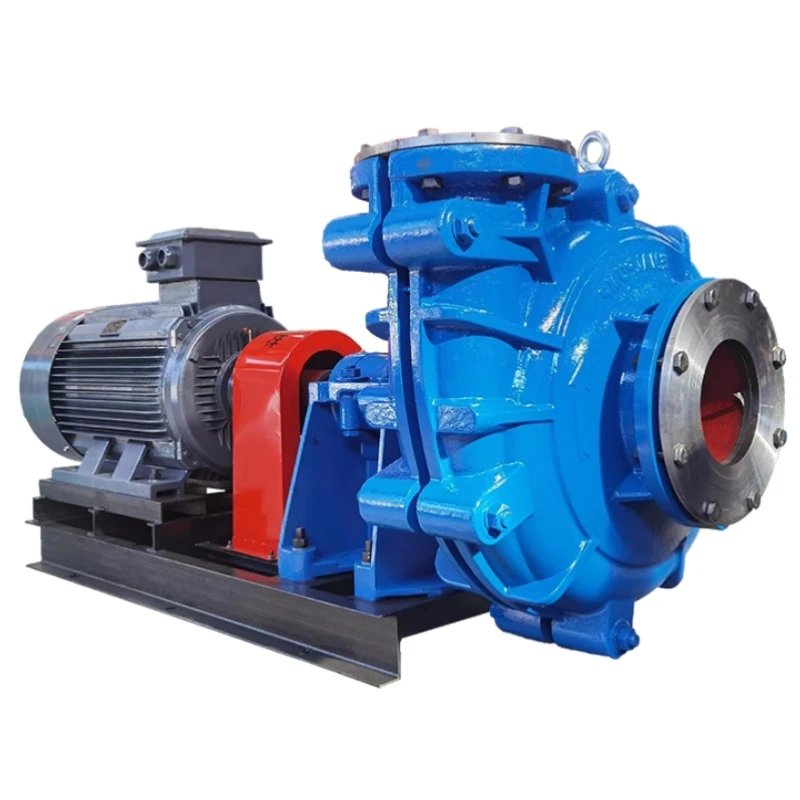
Performance & Engineering
Slurry pump performance is governed by a complex interplay of hydraulic forces, fluid mechanics, and material behavior. Force analysis focuses on impeller loading, bearing stresses, and casing pressure. The head-capacity curve, a fundamental performance characteristic, depicts the relationship between discharge head and flow rate at a given impeller diameter and speed. Environmental resistance is a significant consideration, particularly in harsh mining environments. Pumps operating in extreme temperatures (high or low) require materials selected for their thermal stability and resistance to thermal shock. Pumps handling corrosive slurries demand chemically resistant alloys (e.g., duplex stainless steel, Hastelloy) and appropriate sealing materials. Compliance requirements are dictated by industry regulations and safety standards, including those related to explosion-proof operation in potentially flammable atmospheres (ATEX, IECEx). Functional implementation often involves variable speed drives (VSDs) to optimize energy consumption and control slurry flow based on process demands. Pump sizing requires detailed slurry characterization, including particle size distribution (PSD) analysis, solids concentration measurement, and rheological property determination (viscosity, yield stress). Cavitation, a destructive phenomenon caused by vapor bubble collapse, is a critical design concern and mitigated through proper Net Positive Suction Head Required (NPSHr) calculations and impeller design.
Technical Specifications
| Parameter | Unit | Typical Range (Small Pump) | Typical Range (Large Pump) |
|---|---|---|---|
| Flow Rate | m³/h | 10-100 | 500-2000 |
| Discharge Head | m | 10-50 | 80-200 |
| Maximum Solids Size | mm | 6-25 | 50-150 |
| Maximum Solids Concentration (Weight %) | % | 20-30 | 40-60 |
| Pump Speed | RPM | 500-1500 | 300-900 |
| Power | kW | 1.5-15 | 75-300 |
Failure Mode & Maintenance
Slurry pump failure modes are typically linked to abrasive wear, erosion, corrosion, and mechanical fatigue. Abrasive wear occurs due to the impact of solid particles on pump components, leading to material loss and dimensional changes. Erosion, a similar process, is accelerated by high-velocity slurry flow. Corrosion arises from chemical attack by aggressive components within the slurry (e.g., acids, chlorides). Mechanical fatigue manifests as cracking and eventual failure of shafts, impellers, and casings due to cyclic loading. Common failure locations include impeller vanes, casing volute, and mechanical seal faces. Failure analysis techniques include visual inspection, microscopic examination (metallography), and non-destructive testing (NDT) methods like ultrasonic testing and radiography. Preventative maintenance is critical and includes regular monitoring of pump performance (flow rate, pressure, vibration), lubrication of bearings, inspection of seals, and replacement of worn components. Impeller replacement is often the most frequent maintenance task. Correct alignment of the pump and motor is essential to minimize bearing loads and prevent shaft failure. Proper slurry management, including desanding and screening, can significantly reduce abrasive wear and extend pump life. Periodic coating repairs on casings and impellers can restore wear resistance and defer component replacement.
Industry FAQ
Q: What are the key differences between a centrifugal pump and a positive displacement pump for slurry applications?
A: Centrifugal pumps are generally preferred for high-flow, low-head slurry applications due to their simplicity and lower cost. They are more tolerant of solids, but wear is a significant concern. Positive displacement pumps (e.g., progressing cavity pumps, diaphragm pumps) excel in low-flow, high-head applications and are better suited for highly viscous or abrasive slurries. They offer more consistent flow rates regardless of pressure variations but are typically more complex and expensive.
Q: How does slurry composition (particle size, concentration, specific gravity) affect pump selection?
A: Particle size and concentration significantly impact pump wear rates. Larger particles and higher concentrations lead to increased abrasion. Specific gravity influences the pump's power requirements and hydraulic performance. Heavier slurries require more power to pump. Pump selection must account for these factors to ensure optimal performance and minimize wear.
Q: What role does impeller design play in minimizing slurry pump wear?
A: Impeller design is crucial. Open impellers are generally preferred for slurries with high solids content, as they are less prone to clogging. Impeller vane geometry (e.g., curved vanes, straight vanes) affects the flow pattern and impact forces of the slurry. Hardfacing or ceramic coatings on impeller vanes can significantly enhance wear resistance.
Q: What are the benefits of using variable speed drives (VSDs) with slurry pumps?
A: VSDs allow for precise control of slurry flow rate and head, optimizing energy consumption and reducing wear. By matching pump speed to process demands, VSDs can minimize turbulence and erosion, extending pump life. They also provide soft starting and stopping, reducing mechanical stress on the pump and motor.
Q: How do mechanical seals contribute to the overall reliability of slurry pumps?
A: Mechanical seals prevent slurry leakage and maintain pump efficiency. Selecting the correct seal materials (e.g., silicon carbide, tungsten carbide, elastomers) is critical for chemical compatibility and abrasion resistance. Regular inspection and maintenance of mechanical seals are essential to prevent premature failure and costly downtime.
Conclusion
Slurry pumps represent a vital component within the mining industry, facilitating the efficient and reliable transport of abrasive and erosive mixtures. Their effective operation hinges upon a nuanced understanding of material science, hydraulic principles, and proactive maintenance strategies. The selection process demands careful consideration of slurry characteristics—particle size distribution, solids concentration, and chemical composition—coupled with precise pump sizing and appropriate material choices. Continued advancements in wear-resistant materials, hydrodynamic optimization, and control systems (like VSDs) are crucial for enhancing pump performance, reducing operational costs, and maximizing the longevity of these critical assets.
Looking forward, the integration of predictive maintenance technologies, utilizing sensors and data analytics to monitor pump condition and anticipate potential failures, will become increasingly prevalent. Furthermore, the development of more sustainable and energy-efficient pump designs will be driven by growing environmental concerns and the need to minimize the carbon footprint of mining operations. The ongoing evolution of slurry pump technology will remain tightly coupled with the demands of a continually evolving mining landscape.
-
Precision at the Pump: How Better Machining Protects Flow and Uptime
News2026-11-20
-
Why Pump Reliability Begins Before the First Drop of Fluid
News2026-11-20
-
Beyond the Pump: Designing Safer Access Around Critical Water Infrastructure
News2026-11-20
-
Why Pumping Stations Depend on the Infrastructure Beneath the Pumps
News2026-11-20
-
Beyond the Pump Room: How Smarter Loading Protects Industrial Equipment
News2026-11-19
-
When Pumps Stop: Designing More Resilient Power for Critical Pumping Systems
News2026-11-19
-
The Hidden Role of Dust and Gas Monitoring in Reliable Pump Operations
News2026-11-19
-
The Hidden Role of Mineral Compounds in Extending Industrial Pump Lifespan
News2026-10-12
-
Why Pump System Reliability Depends on Precision Hose Assembly Methods
News2026-09-15
-
How Advanced Imaging Films Are Transforming Pump Component Quality Control
News2026-08-25
-
How Advanced Filtration Protects Pump Systems from Premature Wear and Costly Downtime
News2026-08-25
-
How Steel Material Selection Drives Pump Reliability in Heavy-Duty Systems
News2026-08-25
-
Ensuring Pump System Efficiency: The Role of High-Quality Pipe Fittings and Tubing
News2026-08-24
-
Optimizing Fluid Dynamics and Material Consistency in Industrial Processing
News2026-08-18
-
Innovations and Challenges in Hydraulic Systems for Heavy Machinery
News2026-08-13




