English
- Afrikaans
- Albanian
- Amharic
- Arabic
- Armenian
- Azerbaijani
- Basque
- Belarusian
- Bengali
- Bosnian
- Bulgarian
- Catalan
- Cebuano
- Corsican
- Croatian
- Czech
- Danish
- Dutch
- English
- Esperanto
- Estonian
- Finnish
- French
- Frisian
- Galician
- Georgian
- German
- Greek
- Gujarati
- Haitian Creole
- hausa
- hawaiian
- Hebrew
- Hindi
- Miao
- Hungarian
- Icelandic
- igbo
- Indonesian
- irish
- Italian
- Japanese
- Javanese
- Kannada
- kazakh
- Khmer
- Rwandese
- Korean
- Kurdish
- Kyrgyz
- Lao
- Latin
- Latvian
- Lithuanian
- Luxembourgish
- Macedonian
- Malgashi
- Malay
- Malayalam
- Maltese
- Maori
- Marathi
- Mongolian
- Myanmar
- Nepali
- Norwegian
- Norwegian
- Occitan
- Pashto
- Persian
- Polish
- Portuguese
- Punjabi
- Romanian
- Russian
- Samoan
- Scottish Gaelic
- Serbian
- Sesotho
- Shona
- Sindhi
- Sinhala
- Slovak
- Slovenian
- Somali
- Spanish
- Sundanese
- Swahili
- Swedish
- Tagalog
- Tajik
- Tamil
- Tatar
- Telugu
- Thai
- Turkish
- Turkmen
- Ukrainian
- Urdu
- Uighur
- Uzbek
- Vietnamese
- Welsh
- Bantu
- Yiddish
- Yoruba
- Zulu

Telephone: +86 13120555503
Email: frank@cypump.com


Apr . 01, 2024 17:55 Back to list
slurry pumps 4 hp Material Science
Introduction
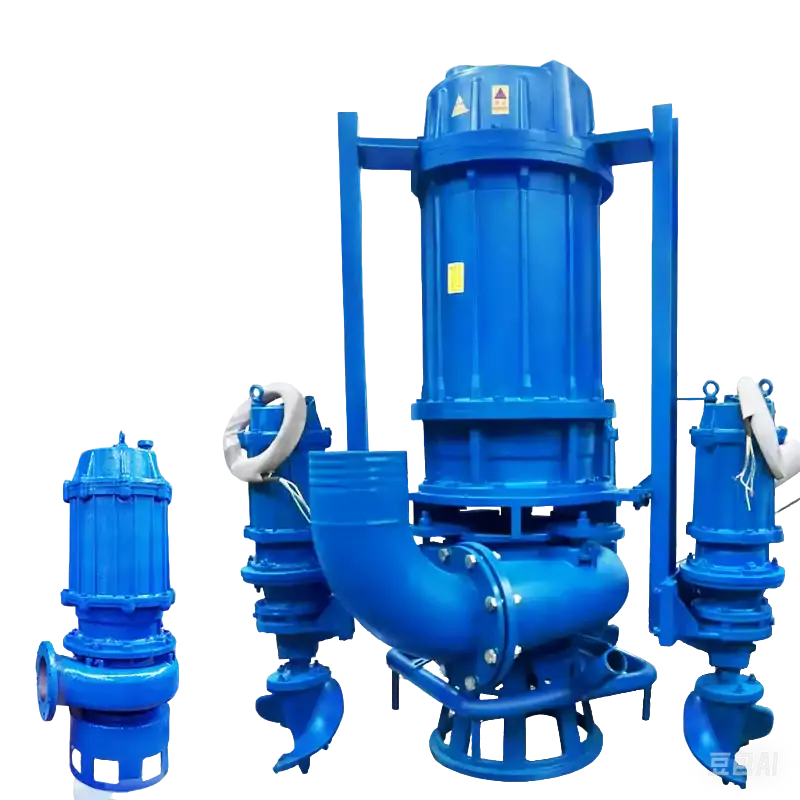
Slurry pumps, specifically 4 horsepower (hp) models, represent a critical component in numerous industrial processes involving the transport of abrasive or corrosive fluids containing solid particles. These pumps are distinct from centrifugal pumps designed for clean liquids, requiring specialized construction and design considerations to withstand the unique challenges posed by slurry handling. Their technical position within the industry chain lies between process equipment (like mixers, separators) and downstream processing or waste management. A 4 hp slurry pump typically handles flow rates ranging from 50 to 200 gallons per minute (GPM) and heads up to 80 feet, making them suitable for applications in mining, wastewater treatment, chemical processing, and dredging. Core performance characteristics are defined by wear resistance, solids handling capacity, positive displacement capability, and efficiency under abrasive conditions. Selecting the correct slurry pump is paramount to prevent premature failure, maintain process uptime, and minimize operational costs, as incorrect pump selection leads to accelerated wear and significant downtime.
Material Science & Manufacturing
The performance and longevity of a 4 hp slurry pump are fundamentally dependent on the materials of construction and manufacturing processes. Pump casings are commonly manufactured from high-chrome iron alloys (typically containing 15-30% chromium) due to their exceptional abrasion resistance, particularly effective against hard particles like sand and gravel. Impellers, experiencing the highest erosive forces, often utilize similar high-chrome alloys or specialized materials like ceramic or tungsten carbide for extreme applications. Shaft materials typically involve alloy steels like 4140 or 4340, hardened and tempered to provide high tensile strength and resistance to torsional stress. Elastomeric components, such as liners and seals, often utilize natural rubber, neoprene, or specialized polymers like polyurethane, selected for their chemical compatibility with the slurry being pumped.
Manufacturing processes vary depending on component complexity. Casings are frequently produced via sand casting, followed by heat treatment and machining to achieve precise dimensions and surface finishes. Impellers can be produced through investment casting, providing greater precision and allowing for complex geometries optimized for hydraulic efficiency. Shafts are typically machined from solid bar stock, undergoing processes like turning, milling, and grinding. Critical parameters during manufacturing include maintaining tight tolerances on impeller clearances to prevent recirculation and wear, ensuring proper weld quality on joined components, and implementing robust quality control procedures to verify material composition and mechanical properties. The surface roughness of the casing and impeller directly impacts slurry flow and wear rates; smoother surfaces minimize friction and reduce abrasive wear. A vital aspect is non-destructive testing (NDT) like radiographic inspection and ultrasonic testing to identify internal flaws in castings and welds before assembly.
Performance & Engineering
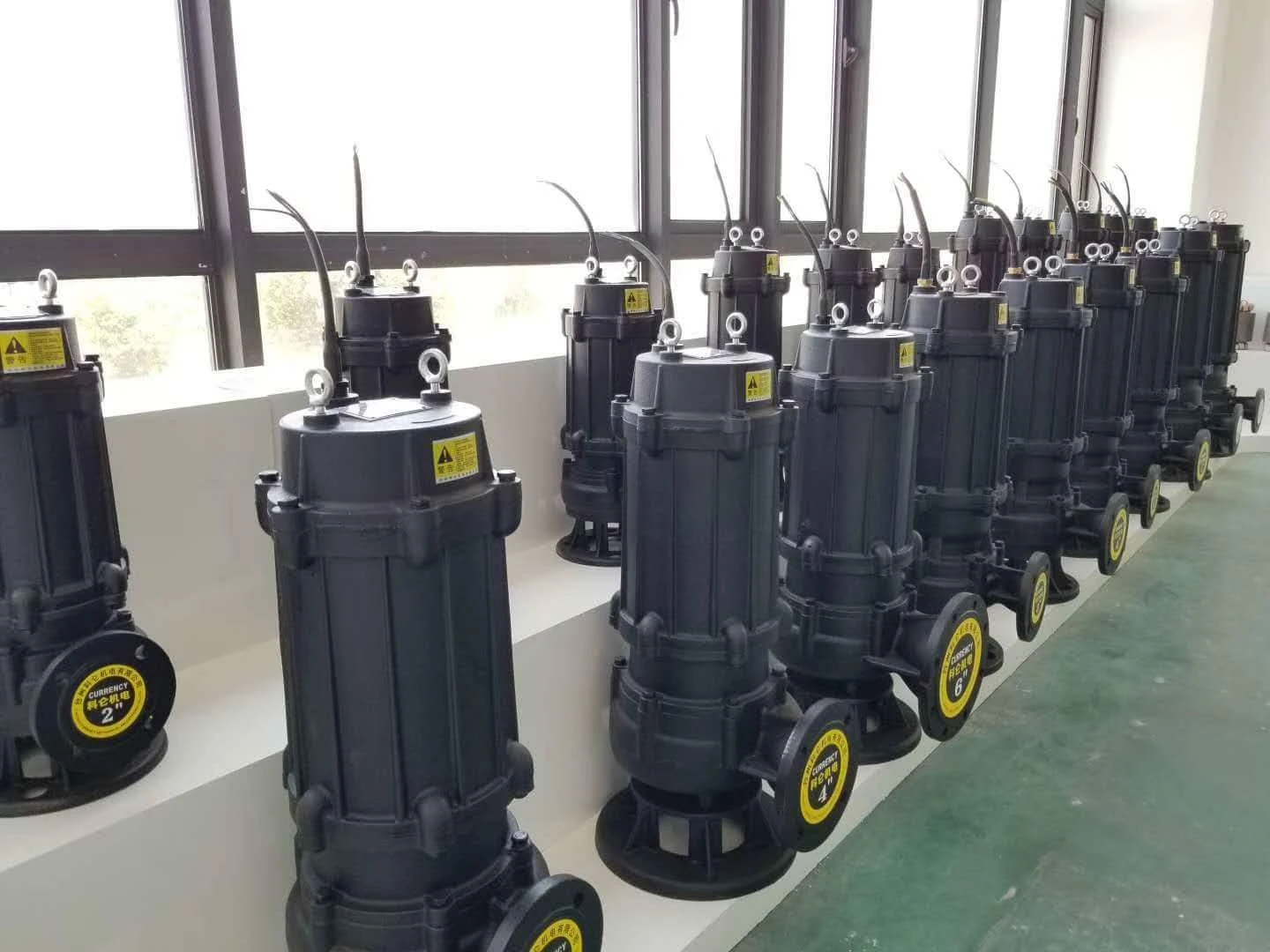
The performance of a 4 hp slurry pump is governed by hydraulic principles, material properties, and operational conditions. Force analysis centers on balancing hydraulic forces exerted by the slurry with the mechanical strength of the pump components. Radial loads, generated by the impeller’s interaction with the slurry, create bending moments on the shaft, requiring robust bearing support. Axial thrust, resulting from asymmetric pressure distribution, is typically managed using balancing devices or by configuring the pump with opposing impellers. Environmental resistance is critical; pumps operating outdoors require protection against corrosion, freezing, and UV degradation. Material selection plays a key role here, with coatings like epoxy or specialized paints used to enhance corrosion resistance. Compliance requirements vary depending on the application and geographic location. For example, pumps used in potable water applications must meet NSF/ANSI 61 standards, ensuring materials do not leach harmful contaminants. Pumps operating in hazardous environments require compliance with ATEX or IECEx standards for explosion protection.
Functional implementation depends on the pump's design – centrifugal, positive displacement (e.g., progressing cavity, peristaltic). Centrifugal slurry pumps are most common for higher flow rates, while positive displacement pumps excel in handling highly viscous or abrasive slurries with consistent output. Proper pump sizing is crucial, based on slurry characteristics (solids concentration, particle size, density), flow rate, and total dynamic head (TDH). Pump curves, generated during testing, illustrate the pump's performance characteristics (flow rate vs. head, power consumption, efficiency) at various operating points. Proper impeller selection is critical for optimizing efficiency and minimizing wear. Consideration must be given to the Net Positive Suction Head Required (NPSHr) to prevent cavitation, which can severely damage the impeller and reduce pump performance.
Technical Specifications
| Parameter | Unit | Typical Value (4 hp Model) | Tolerance |
|---|---|---|---|
| Power | hp | 4 | ±0.1 hp |
| Voltage | V | 230/460 | ±10% |
| Flow Rate | GPM | 50-200 | ±10% |
| Total Dynamic Head | ft | Up to 80 | ±5% |
| Maximum Solids Size | in | Up to 2 | - |
| Slurry Concentration (Max) | % by weight | Up to 70 | - |
Failure Mode & Maintenance
Slurry pumps are susceptible to several failure modes due to the abrasive and corrosive nature of the fluids they handle. Fatigue cracking in the impeller and casing is a common issue, initiated by cyclic stresses and exacerbated by abrasive wear. Delamination of protective coatings (e.g., rubber liners) occurs when the coating loses adhesion due to mechanical stress or chemical attack. Erosion-corrosion is a synergistic effect where abrasive particles remove protective corrosion-resistant layers, accelerating material loss. Oxidation of metallic components occurs in the presence of oxygen and moisture, leading to corrosion and reduced mechanical strength. Cavitation, caused by low suction pressure, creates imploding bubbles that damage the impeller surface.
Preventive maintenance is crucial for extending pump life and minimizing downtime. Regular inspections should focus on checking for wear in the impeller, casing, and liners. Bearing lubrication should be performed according to manufacturer’s recommendations. Seal replacement is essential to prevent leakage and contamination. Vibration analysis can detect early signs of bearing failure or impeller imbalance. Periodic performance monitoring (flow rate, pressure, power consumption) can identify deviations from normal operation, indicating potential problems. When replacing worn components, it’s critical to use materials that are compatible with the slurry being pumped. Implementing a robust preventative maintenance schedule, including regular inspections, lubrication, and component replacement, can significantly reduce the frequency of catastrophic failures and optimize pump performance.
Industry FAQ
Q: What is the optimal impeller material for a slurry containing 60% silica sand by weight?
A: For a slurry with 60% silica sand, a high-chrome iron alloy impeller (25-30% Cr) is generally recommended. While standard high-chrome offers good abrasion resistance, consider a tungsten carbide overlay on the impeller vanes for significantly extended lifespan, particularly in areas of highest impact. The increased cost is often justified by reduced downtime and replacement frequency.
Q: How does the pump speed affect wear rates in a slurry pump?
A: Increasing pump speed generally increases wear rates due to the higher impact velocity of the slurry particles against the pump components. However, reducing speed excessively can decrease efficiency and potentially lead to solids settling. Finding the optimal speed involves balancing wear rates and hydraulic performance. Variable Frequency Drives (VFDs) can be used to adjust pump speed based on process requirements and minimize wear.
Q: What are the critical considerations for selecting a pump seal for a corrosive slurry?
A: Seal selection is critical. Mechanical seals are generally preferred over packing seals due to their improved reliability and reduced leakage. The seal face materials must be chemically compatible with the slurry. Common choices include silicon carbide, tungsten carbide, or ceramic materials. Consider a double mechanical seal arrangement with a barrier fluid to provide additional protection against corrosion and prevent slurry from entering the seal faces.
Q: What is the impact of NPSHr and NPSHa mismatch on pump performance?
A: A mismatch between the Net Positive Suction Head Required (NPSHr) and the Net Positive Suction Head Available (NPSHa) can lead to cavitation. If NPSHa is less than NPSHr, vapor bubbles will form within the pump, causing noise, vibration, and impeller damage. Ensure NPSHa is always significantly greater than NPSHr (typically by at least 3 feet) to prevent cavitation.
Q: How do I determine the optimal pump size for my application?
A: Determining the optimal pump size requires a thorough understanding of your system requirements. Calculate the required flow rate and total dynamic head (TDH) accurately. Consider the slurry’s specific gravity, viscosity, and solids concentration. Utilize pump curves to select a pump that operates near its Best Efficiency Point (BEP) for optimal performance and minimal wear. It is better to slightly oversize the pump and utilize a VFD for flow control rather than operate a undersized pump at its maximum capacity.
Conclusion
The selection, operation, and maintenance of a 4 hp slurry pump necessitate a comprehensive understanding of material science, hydraulic principles, and failure mechanisms. The inherent abrasiveness and often corrosive nature of slurries demand careful consideration of component materials, manufacturing quality, and preventative maintenance procedures. Optimizing pump performance requires accurate system analysis, proper pump sizing, and continuous monitoring to detect and address potential issues before they escalate into costly failures.
Looking ahead, advancements in materials science, such as the development of novel ceramic composites and abrasion-resistant coatings, will continue to enhance the lifespan and efficiency of slurry pumps. The integration of smart sensors and data analytics will enable predictive maintenance strategies, further reducing downtime and optimizing operational costs. Ultimately, a proactive and technically informed approach to slurry pump management is essential for maximizing return on investment and ensuring the reliable operation of critical industrial processes.
-
Comprehensive Guide to Waterproof ORings for Optimal Sealing Solutions
News2026-06-09
-
Septic Pump System Performance Analysis
News2026-06-08
-
pump for septic Material Science
News2026-06-08
-
basement sewer pump Performance Analysis
News2026-06-08
-
submerged pump Performance Engineering
News2026-06-08
-
Septic System Pumps Performance Analysis
News2026-06-08
-
septic system pump Material Science and Manufacturing
News2026-06-07
-
pump for septic tank Material Science Manufacturing
News2026-06-07
-
submersible sewage pump Material Science
News2026-06-07
-
Sewage Ejector Material Science and Manufacturing
News2026-06-07
-
Ejection Pump Material Science
News2026-06-07
-
pump submersible Performance Analysis
News2026-06-06
-
ejector pumps Performance Engineering
News2026-06-06
-
basement ejector pump Material Science Manufacturing
News2026-06-06
-
Septic Tanks Pumping Performance Analysis
News2026-06-06




