English
- Afrikaans
- Albanian
- Amharic
- Arabic
- Armenian
- Azerbaijani
- Basque
- Belarusian
- Bengali
- Bosnian
- Bulgarian
- Catalan
- Cebuano
- Corsican
- Croatian
- Czech
- Danish
- Dutch
- English
- Esperanto
- Estonian
- Finnish
- French
- Frisian
- Galician
- Georgian
- German
- Greek
- Gujarati
- Haitian Creole
- hausa
- hawaiian
- Hebrew
- Hindi
- Miao
- Hungarian
- Icelandic
- igbo
- Indonesian
- irish
- Italian
- Japanese
- Javanese
- Kannada
- kazakh
- Khmer
- Rwandese
- Korean
- Kurdish
- Kyrgyz
- Lao
- Latin
- Latvian
- Lithuanian
- Luxembourgish
- Macedonian
- Malgashi
- Malay
- Malayalam
- Maltese
- Maori
- Marathi
- Mongolian
- Myanmar
- Nepali
- Norwegian
- Norwegian
- Occitan
- Pashto
- Persian
- Polish
- Portuguese
- Punjabi
- Romanian
- Russian
- Samoan
- Scottish Gaelic
- Serbian
- Sesotho
- Shona
- Sindhi
- Sinhala
- Slovak
- Slovenian
- Somali
- Spanish
- Sundanese
- Swahili
- Swedish
- Tagalog
- Tajik
- Tamil
- Tatar
- Telugu
- Thai
- Turkish
- Turkmen
- Ukrainian
- Urdu
- Uighur
- Uzbek
- Vietnamese
- Welsh
- Bantu
- Yiddish
- Yoruba
- Zulu

Telephone: +86 13120555503
Email: frank@cypump.com


Apr . 01, 2024 17:55 Back to list
slurry pumps 1.5 hp Performance Analysis
Introduction
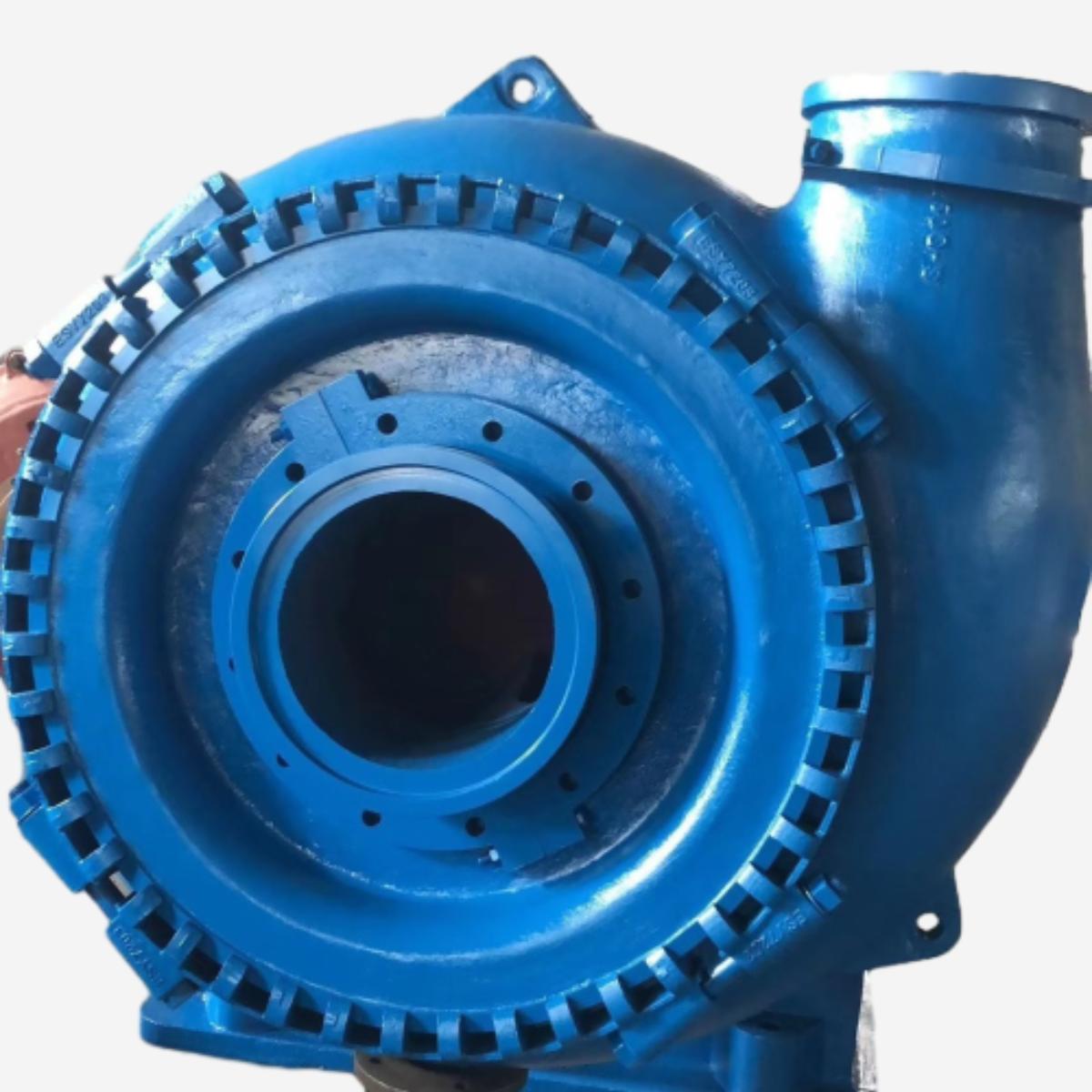
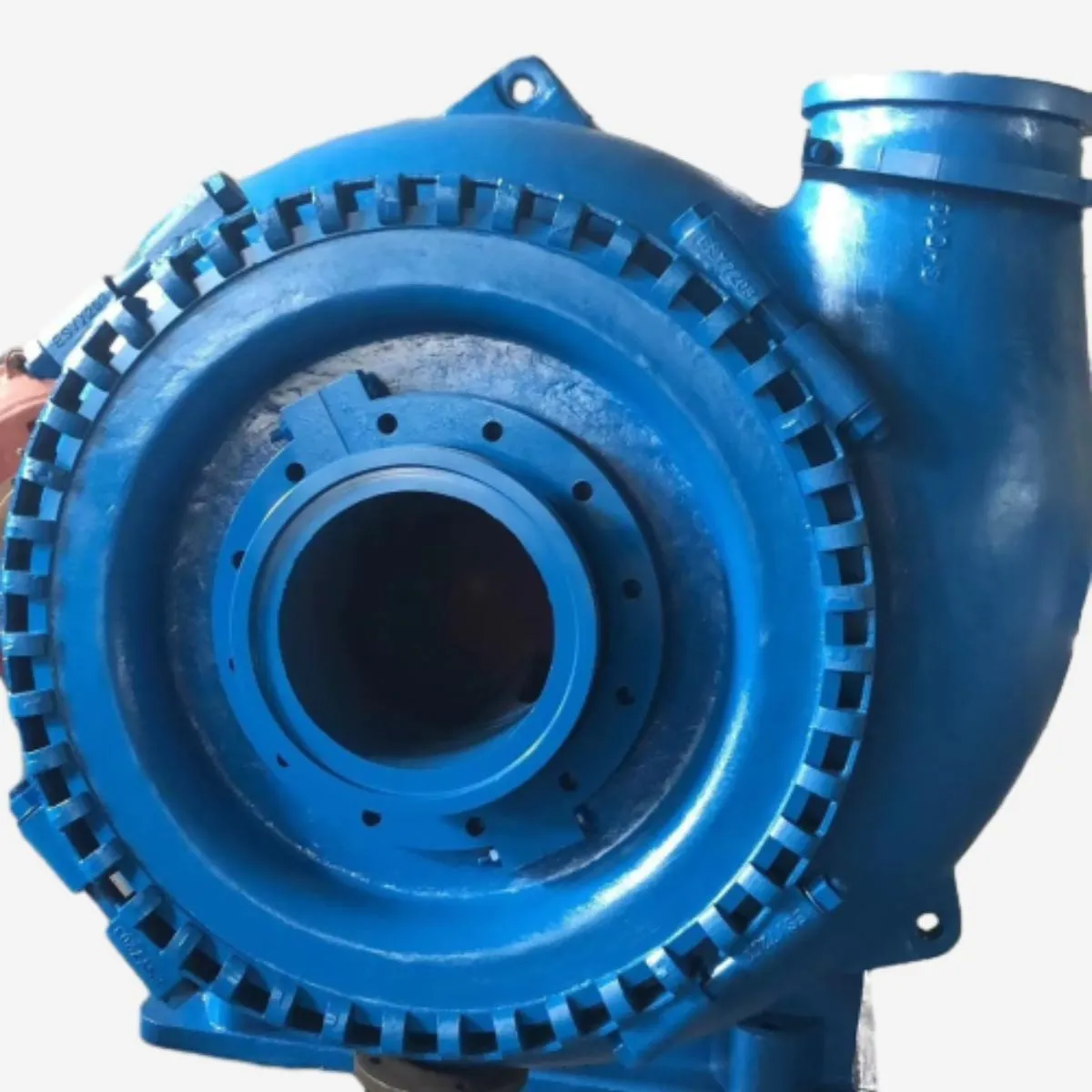
Slurry pumps, specifically those rated at 1.5 horsepower (hp), represent a critical component in numerous industrial processes involving the transportation of abrasive or dense fluids. These pumps are designed to move mixtures of liquids and solid particles – the ‘slurry’ – across a wide range of industries, including mining, wastewater treatment, chemical processing, and construction. Positioned within the fluid handling chain, the 1.5 hp slurry pump typically serves as a mid-capacity solution, bridging the gap between smaller transfer pumps and larger, high-volume models. Their core performance characteristics center around flow rate, head pressure, solids handling capability, and abrasion resistance. A key industry pain point is premature wear and failure due to the highly abrasive nature of slurries, leading to significant downtime and maintenance costs. Selecting the appropriate slurry pump involves careful consideration of slurry characteristics (particle size, concentration, specific gravity), pipeline geometry, and operational demands.
Material Science & Manufacturing
The robust performance of a 1.5 hp slurry pump is heavily reliant on the materials used in its construction and the precision of the manufacturing processes. Common materials include high-chrome cast iron for the pump casing and impeller, offering excellent abrasion resistance. The shaft is typically constructed from 4140 alloy steel, heat treated for enhanced strength and fatigue resistance. Elastomeric liners (rubber or polyurethane) are often incorporated into the casing to provide additional protection against erosion and corrosion. Manufacturing typically involves several key steps: sand casting for the casing and impeller, followed by machining to precise tolerances. Impellers are often subjected to non-destructive testing (NDT), such as radiographic inspection, to identify potential flaws. Shaft sealing is critical, with mechanical seals utilizing materials like silicon carbide or tungsten carbide faces chosen for their wear resistance and chemical compatibility with the slurry. Proper impeller balancing is paramount to minimize vibration and prolong bearing life. Parameter control during casting (cooling rates, alloy composition) significantly affects the microstructure and, consequently, the wear resistance of the components. Welding processes, where employed (e.g., for repairs or fabrication of certain components), must adhere to strict standards (AWS D1.1) to ensure weld integrity and prevent cracking.
Performance & Engineering
The performance of a 1.5 hp slurry pump is governed by several engineering principles. Force analysis focuses on hydraulic forces exerted by the slurry on the impeller and casing, as well as mechanical stresses induced by pressure differentials and rotational forces. Cavitation – the formation and collapse of vapor bubbles – is a significant concern, particularly with volatile slurries or inadequate suction lift. Pump curves, generated through hydraulic testing (ANSI/HI standards), define the relationship between flow rate, head, and efficiency. Environmental resistance is critical; pumps operating in corrosive environments require careful material selection and potentially the application of protective coatings (epoxy, ceramic linings). Compliance requirements vary by region and application. For example, pumps used in potable water applications must meet NSF/ANSI 61 standards. Functional implementation relies on proper pump selection based on the slurry’s solid-liquid ratio. High solid concentrations require pumps with larger internal passages to prevent clogging. The pump’s Net Positive Suction Head Required (NPSHr) must be less than the Net Positive Suction Head Available (NPSHa) to avoid cavitation. Bearing selection (typically deep-groove ball bearings or cylindrical roller bearings) is based on radial and axial load calculations, taking into account the pump's operating speed and slurry density.
Technical Specifications
| Parameter | Units | Typical Value (1.5 hp Pump) | Tolerance |
|---|---|---|---|
| Maximum Flow Rate | GPM (Gallons Per Minute) | 60 | ±10% |
| Maximum Head | ft (Feet) | 80 | ±5% |
| Maximum Solids Handling Size | in (Inches) | 1.5 | N/A |
| Pump Speed | RPM (Revolutions Per Minute) | 1750 | ±25 RPM |
| Power Input | hp (Horsepower) | 1.5 | ±0.1 hp |
| Casing Material | - | High-Chrome Cast Iron | ASTM A532 Grade 1 Class 30 |
Failure Mode & Maintenance
Slurry pumps are susceptible to several failure modes. Fatigue cracking can occur in the impeller and casing due to cyclical stress from slurry impacts. Erosion, caused by the abrasive nature of the slurry, leads to material loss, particularly at the impeller vanes and casing inlet/outlet. Corrosion, especially in chemically aggressive slurries, degrades the pump’s metallic components. Cavitation damages the impeller by pitting and erosion. Bearing failure can result from inadequate lubrication, contamination, or excessive load. Mechanical seal failure is common due to wear, corrosion, or improper installation. Preventive maintenance is crucial. Regular inspection for wear and corrosion is vital, along with lubrication of bearings and monitoring of seal performance. Impeller and casing replacement is often necessary, with frequency determined by the slurry’s abrasiveness and operating hours. Vibration analysis can detect early signs of bearing or impeller imbalance. Proper alignment of the pump and motor is essential to minimize stress on the shaft and bearings. Periodic flushing of the pump casing can remove accumulated solids and prevent clogging. Leak detection and repair should be performed promptly to prevent further damage and environmental contamination.
Industry FAQ
Q: What is the impact of slurry particle size on pump selection?
A: Particle size significantly impacts pump selection. Larger particle sizes require pumps with larger internal passages to prevent clogging and increased wear rates. Smaller particle sizes, while less likely to cause clogging, can lead to increased abrasive wear. Pumps designed for handling larger particles typically have lower efficiency when pumping smaller particles, and vice versa. A thorough particle size distribution analysis of the slurry is critical for optimal pump selection.
Q: How does the specific gravity of the slurry affect pump performance?
A: The specific gravity of the slurry directly influences the pump's head requirements. Higher specific gravity slurries are denser and require more energy to pump to a given height. The pump's motor and impeller must be sized accordingly. Ignoring slurry specific gravity can lead to motor overload and reduced pump performance.
Q: What are the typical maintenance intervals for a 1.5 hp slurry pump in a mining application?
A: In a mining application, typical maintenance intervals are dependent on the abrasiveness of the slurry. Daily checks for leaks and unusual noise are recommended. Monthly inspections should include bearing lubrication, seal inspection, and visual assessment of impeller and casing wear. Every 3-6 months, a more thorough inspection, including vibration analysis and impeller/casing measurements, is advisable. Major component replacement (impeller, casing liners) may be required every 6-18 months, depending on wear rates.
Q: What type of mechanical seal is best suited for highly abrasive slurries?
A: For highly abrasive slurries, mechanically agitated seals with tungsten carbide or silicon carbide faces are generally preferred. These seals provide a robust barrier against leakage and are more resistant to abrasive wear than traditional seal designs. Double mechanical seals with a barrier fluid system can further enhance reliability by providing lubrication and preventing slurry ingress between the seals.
Q: What considerations should be given to the suction piping of a slurry pump?
A: Suction piping is critical to avoid cavitation. Keep suction pipe lengths as short and direct as possible. Use a suction strainer to prevent large solids from entering the pump. Maintain adequate NPSHa (Net Positive Suction Head Available) by ensuring sufficient submergence of the suction inlet and minimizing pressure drops in the suction line. Avoid sharp bends and restrictions in the suction piping.
Conclusion
The 1.5 hp slurry pump is a versatile and essential component in many industrial applications. Successful implementation hinges on a thorough understanding of slurry characteristics, careful material selection, and diligent maintenance practices. Premature failure is frequently attributable to misapplication, inadequate preventative maintenance, or the selection of components not suited to the slurry’s abrasive or corrosive nature.
Continued advancements in materials science, particularly the development of enhanced wear-resistant alloys and ceramic coatings, promise to extend pump life and reduce operational costs. Furthermore, incorporating real-time monitoring systems for vibration, temperature, and flow rate will enable predictive maintenance strategies, minimizing downtime and maximizing the return on investment.
-
Comprehensive Guide to Waterproof ORings for Optimal Sealing Solutions
News2026-06-09
-
Septic Pump System Performance Analysis
News2026-06-08
-
pump for septic Material Science
News2026-06-08
-
basement sewer pump Performance Analysis
News2026-06-08
-
submerged pump Performance Engineering
News2026-06-08
-
Septic System Pumps Performance Analysis
News2026-06-08
-
septic system pump Material Science and Manufacturing
News2026-06-07
-
pump for septic tank Material Science Manufacturing
News2026-06-07
-
submersible sewage pump Material Science
News2026-06-07
-
Sewage Ejector Material Science and Manufacturing
News2026-06-07
-
Ejection Pump Material Science
News2026-06-07
-
pump submersible Performance Analysis
News2026-06-06
-
ejector pumps Performance Engineering
News2026-06-06
-
basement ejector pump Material Science Manufacturing
News2026-06-06
-
Septic Tanks Pumping Performance Analysis
News2026-06-06