English
- Afrikaans
- Albanian
- Amharic
- Arabic
- Armenian
- Azerbaijani
- Basque
- Belarusian
- Bengali
- Bosnian
- Bulgarian
- Catalan
- Cebuano
- Corsican
- Croatian
- Czech
- Danish
- Dutch
- English
- Esperanto
- Estonian
- Finnish
- French
- Frisian
- Galician
- Georgian
- German
- Greek
- Gujarati
- Haitian Creole
- hausa
- hawaiian
- Hebrew
- Hindi
- Miao
- Hungarian
- Icelandic
- igbo
- Indonesian
- irish
- Italian
- Japanese
- Javanese
- Kannada
- kazakh
- Khmer
- Rwandese
- Korean
- Kurdish
- Kyrgyz
- Lao
- Latin
- Latvian
- Lithuanian
- Luxembourgish
- Macedonian
- Malgashi
- Malay
- Malayalam
- Maltese
- Maori
- Marathi
- Mongolian
- Myanmar
- Nepali
- Norwegian
- Norwegian
- Occitan
- Pashto
- Persian
- Polish
- Portuguese
- Punjabi
- Romanian
- Russian
- Samoan
- Scottish Gaelic
- Serbian
- Sesotho
- Shona
- Sindhi
- Sinhala
- Slovak
- Slovenian
- Somali
- Spanish
- Sundanese
- Swahili
- Swedish
- Tagalog
- Tajik
- Tamil
- Tatar
- Telugu
- Thai
- Turkish
- Turkmen
- Ukrainian
- Urdu
- Uighur
- Uzbek
- Vietnamese
- Welsh
- Bantu
- Yiddish
- Yoruba
- Zulu

Telephone: +86 13120555503
Email: frank@cypump.com


Apr . 01, 2024 17:55 Back to list
Slurry Pumping Performance Analysis
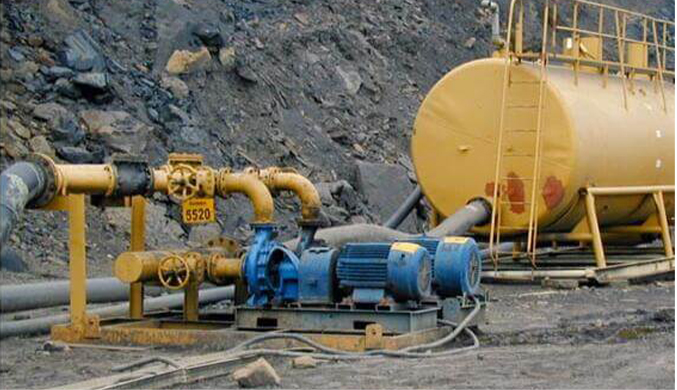
Introduction
Slurry pumping represents a critical process across numerous industrial sectors, encompassing mining, wastewater treatment, chemical processing, and power generation. It involves the transportation of a heterogeneous mixture of solid particles suspended in a liquid – the slurry. Unlike standard liquid pumping, slurry pumping presents unique challenges due to the abrasive and erosive nature of the solids, coupled with increased viscosity and potential for settling or clogging. The selection of appropriate pump technology and system design is paramount to ensure reliable, efficient, and cost-effective operation. This guide provides an in-depth technical overview of slurry pumping, covering material science, manufacturing considerations, performance parameters, failure modes, and relevant industry standards. The core pain points within the industry revolve around maximizing pump lifespan in abrasive environments, minimizing energy consumption, preventing pipeline blockages, and complying with increasingly stringent environmental regulations concerning leakage and spillage.
Material Science & Manufacturing
The selection of materials for slurry pump components is dictated by the slurry's composition, particle size and shape, flow velocity, and operating temperature. Commonly employed materials include high-chrome cast irons (providing excellent abrasion resistance), stainless steels (for corrosion resistance), and specialized polymers (for chemically aggressive slurries). High-chrome irons typically contain between 15-30% chromium, forming hard chromium carbides within the iron matrix. The manufacturing process for pump casings, impellers, and liners frequently involves casting, followed by heat treatment to optimize hardness and toughness. Impellers, often the first point of wear, may also be manufactured using lost-wax investment casting to achieve complex geometries. The impeller’s design—open, semi-open, or closed—impacts solids handling capability and efficiency. Shafts are typically forged from alloy steels and subjected to rigorous quality control, including non-destructive testing (NDT) such as magnetic particle inspection (MPI) and ultrasonic testing (UT) to detect subsurface defects. Sealing materials (mechanical seals or packing) must be chemically compatible with the slurry and capable of withstanding the pump's operating pressure. Rubber linings are frequently applied to pump casings to provide a sacrificial layer of protection against abrasion and corrosion. The application process demands strict adherence to surface preparation protocols to ensure adequate adhesion. The manufacturing of the slurry itself involves careful control of particle size distribution, solids concentration, and liquid viscosity to optimize pumpability and minimize wear.
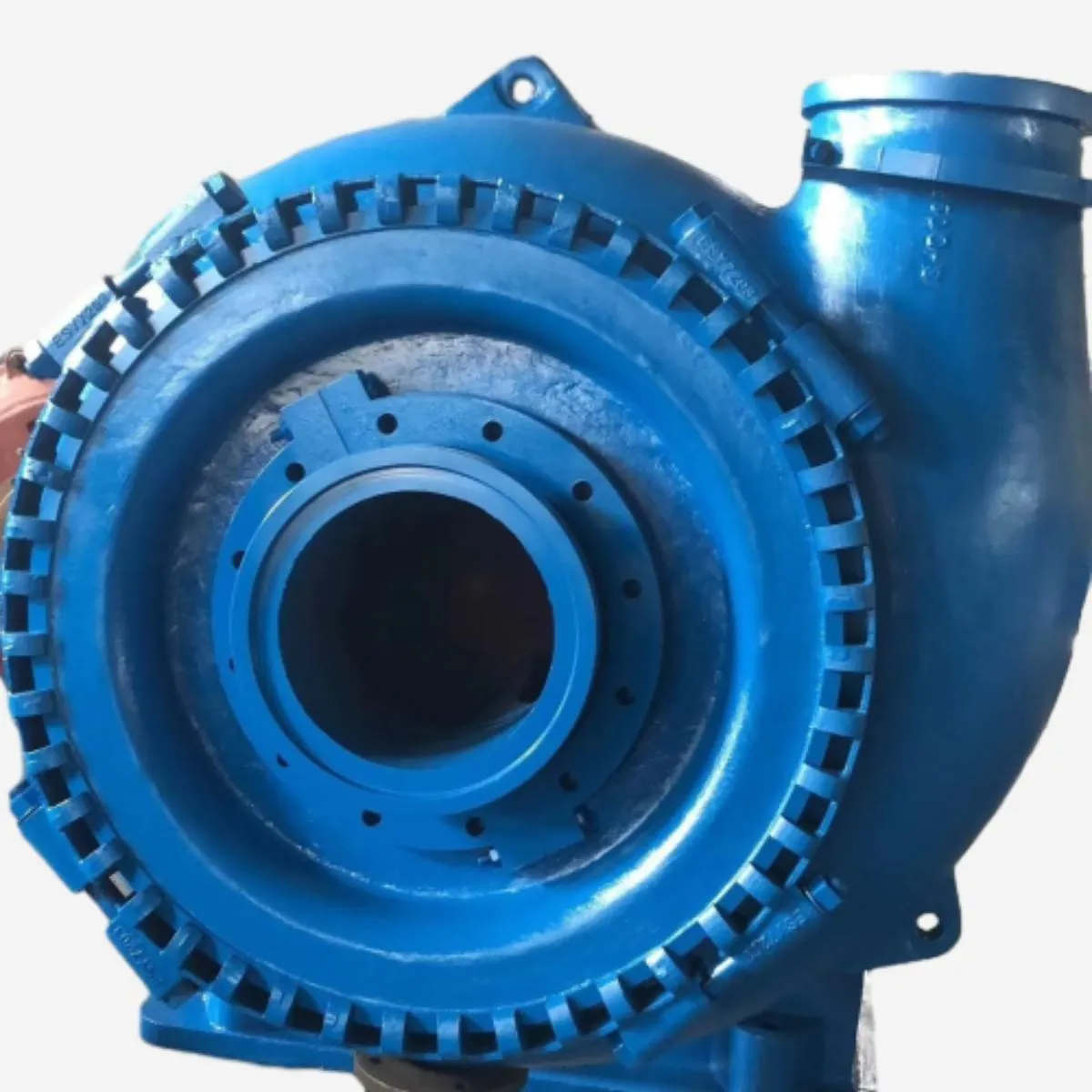
Performance & Engineering
Slurry pump performance is governed by several key engineering parameters. Head (the height to which the pump can lift the slurry), flow rate (the volume of slurry delivered per unit time), and power consumption are intrinsically linked. Pump performance curves, generated through hydraulic testing, illustrate the relationship between these parameters. Net Positive Suction Head Required (NPSHr) is a critical consideration, as insufficient suction head can lead to cavitation, causing significant damage to the impeller. Cavitation occurs when the absolute pressure at the pump suction drops below the vapor pressure of the liquid, forming vapor bubbles that implode upon reaching a region of higher pressure. Slurry density and viscosity profoundly influence pump selection and operating parameters. Higher densities require more power to lift and transport the slurry, while increased viscosity leads to higher frictional losses within the pump and pipeline. The pump’s hydraulic design must account for the solids concentration and particle size distribution to prevent blockage and minimize wear. Force analysis is crucial in evaluating stress concentrations within the pump casing and impeller, particularly at points of impact from solid particles. Finite Element Analysis (FEA) is frequently employed to simulate stress distributions and optimize component geometry. Environmental resistance is a significant factor, particularly in outdoor installations. Pump materials must be selected to withstand exposure to corrosive atmospheres, UV radiation, and extreme temperatures. Pipeline design must also consider thermal expansion and contraction to prevent stress on pump connections. Compliance with regulations concerning effluent discharge and noise emissions is also essential.
Technical Specifications
| Pump Type | Maximum Solids Concentration (%) | Maximum Particle Size (mm) | Maximum Head (m) | Maximum Flow Rate (m³/h) | Material of Construction (Impeller) |
|---|---|---|---|---|---|
| Centrifugal | 60 | 75 | 80 | 500 | High-Chrome Cast Iron |
| Positive Displacement (Progressive Cavity) | 80 | 100 | 40 | 150 | Stainless Steel |
| Diaphragm | 70 | 50 | 30 | 80 | Elastomer |
| Vertical Turbine | 40 | 50 | 150 | 750 | Stainless Steel |
| Submersible | 50 | 60 | 70 | 400 | High-Chrome Cast Iron |
| Slurry Sump Pump | 65 | 80 | 60 | 300 | Ceramic Lining |
Failure Mode & Maintenance
Slurry pumps are susceptible to various failure modes, primarily stemming from abrasion, erosion, corrosion, and cavitation. Abrasion, caused by hard particles impacting pump components, leads to gradual material loss and increased clearances. Erosion, resulting from high-velocity slurry flow, exacerbates abrasion and can cause localized pitting. Corrosion occurs when the slurry's chemical constituents react with pump materials. Cavitation, as previously described, damages the impeller through imploding vapor bubbles. Fatigue cracking can develop in shafts and casings due to cyclic loading and stress concentrations. Delamination of rubber linings is a common failure mode, often caused by inadequate adhesion or chemical attack. Regular inspection and maintenance are crucial to prevent catastrophic failures. This includes visual inspections for wear and corrosion, vibration analysis to detect bearing faults, and monitoring of pump performance parameters (head, flow rate, power consumption). Preventive maintenance tasks include lubrication of bearings, replacement of wear parts (impellers, liners, seals), and cleaning of pump casings and pipelines. Non-destructive testing (NDT) methods, such as ultrasonic thickness testing (UTT), can assess the remaining wall thickness of pump components. Root cause failure analysis (RCFA) should be conducted following any significant failure to identify contributing factors and implement corrective actions. Maintaining accurate records of maintenance activities and pump performance data is essential for effective asset management.
Industry FAQ
Q: What are the key differences between centrifugal and positive displacement pumps for slurry applications?
A: Centrifugal pumps are generally preferred for high-flow, low-head applications and are more tolerant of variations in solids concentration. However, their performance is sensitive to changes in slurry viscosity. Positive displacement pumps, such as progressive cavity pumps, excel in handling high-viscosity slurries and maintaining a consistent flow rate regardless of pressure fluctuations. They are ideal for metering applications and handling abrasive slurries at lower flow rates but are generally more expensive and have lower maximum flow capabilities.
Q: How does particle size distribution impact pump selection and performance?
A: Larger particle sizes require pumps with larger internal clearances to prevent blockage. A wide particle size distribution can lead to segregation within the slurry, increasing the risk of settling and abrasion. Pumps designed for coarse particles may struggle with finer particles, while pumps designed for fine particles may be susceptible to abrasion from larger particles. Particle size analysis is critical for selecting the appropriate pump type and optimizing operating parameters.
Q: What measures can be taken to mitigate cavitation in slurry pumps?
A: Ensuring sufficient NPSHa (Net Positive Suction Head Available) is the primary measure. This involves minimizing suction lift, increasing suction pipe diameter, reducing fluid temperature, and avoiding restrictions in the suction line. Proper impeller design also plays a role, as optimized impeller geometry can reduce the pressure drop at the suction eye.
Q: How does slurry viscosity affect pump power consumption?
A: Increased slurry viscosity leads to higher frictional losses within the pump and pipeline, requiring more power to maintain the desired flow rate. The relationship between viscosity and power consumption is not linear; as viscosity increases, the power requirement increases exponentially. Accurate viscosity measurements are essential for accurately estimating pump power requirements.
Q: What are the benefits of using rubber linings in slurry pump casings?
A: Rubber linings provide a sacrificial layer of protection against abrasion and corrosion, extending the lifespan of the pump casing. They also dampen noise and vibration. However, rubber linings are susceptible to chemical attack and can delaminate if not properly applied. Regular inspection for signs of wear or delamination is crucial.
Conclusion
Slurry pumping is a complex engineering discipline requiring a thorough understanding of material science, hydraulic principles, and failure mechanisms. Successful implementation necessitates careful consideration of slurry characteristics, pump selection, system design, and proactive maintenance strategies. The industry’s ongoing challenges center around maximizing pump reliability in increasingly abrasive environments, reducing energy consumption through optimized pump designs and control systems, and minimizing environmental impact through leak-free operation and responsible waste management.
Future advancements in slurry pump technology will likely focus on the development of new materials with enhanced abrasion and corrosion resistance, the implementation of advanced monitoring and control systems utilizing sensors and data analytics to predict failures and optimize performance, and the exploration of alternative pump technologies, such as electrohydraulic pumps, for specialized applications. Continued research and development are vital to address the evolving demands of the slurry pumping industry.
-
Comprehensive Guide to Waterproof ORings for Optimal Sealing Solutions
News2026-06-09
-
Septic Pump System Performance Analysis
News2026-06-08
-
pump for septic Material Science
News2026-06-08
-
basement sewer pump Performance Analysis
News2026-06-08
-
submerged pump Performance Engineering
News2026-06-08
-
Septic System Pumps Performance Analysis
News2026-06-08
-
septic system pump Material Science and Manufacturing
News2026-06-07
-
pump for septic tank Material Science Manufacturing
News2026-06-07
-
submersible sewage pump Material Science
News2026-06-07
-
Sewage Ejector Material Science and Manufacturing
News2026-06-07
-
Ejection Pump Material Science
News2026-06-07
-
pump submersible Performance Analysis
News2026-06-06
-
ejector pumps Performance Engineering
News2026-06-06
-
basement ejector pump Material Science Manufacturing
News2026-06-06
-
Septic Tanks Pumping Performance Analysis
News2026-06-06




