English
- Afrikaans
- Albanian
- Amharic
- Arabic
- Armenian
- Azerbaijani
- Basque
- Belarusian
- Bengali
- Bosnian
- Bulgarian
- Catalan
- Cebuano
- Corsican
- Croatian
- Czech
- Danish
- Dutch
- English
- Esperanto
- Estonian
- Finnish
- French
- Frisian
- Galician
- Georgian
- German
- Greek
- Gujarati
- Haitian Creole
- hausa
- hawaiian
- Hebrew
- Hindi
- Miao
- Hungarian
- Icelandic
- igbo
- Indonesian
- irish
- Italian
- Japanese
- Javanese
- Kannada
- kazakh
- Khmer
- Rwandese
- Korean
- Kurdish
- Kyrgyz
- Lao
- Latin
- Latvian
- Lithuanian
- Luxembourgish
- Macedonian
- Malgashi
- Malay
- Malayalam
- Maltese
- Maori
- Marathi
- Mongolian
- Myanmar
- Nepali
- Norwegian
- Norwegian
- Occitan
- Pashto
- Persian
- Polish
- Portuguese
- Punjabi
- Romanian
- Russian
- Samoan
- Scottish Gaelic
- Serbian
- Sesotho
- Shona
- Sindhi
- Sinhala
- Slovak
- Slovenian
- Somali
- Spanish
- Sundanese
- Swahili
- Swedish
- Tagalog
- Tajik
- Tamil
- Tatar
- Telugu
- Thai
- Turkish
- Turkmen
- Ukrainian
- Urdu
- Uighur
- Uzbek
- Vietnamese
- Welsh
- Bantu
- Yiddish
- Yoruba
- Zulu

Telephone: +86 13120555503
Email: frank@cypump.com


Apr . 01, 2024 17:55 Back to list
Slurry Pump Working Performance Analysis
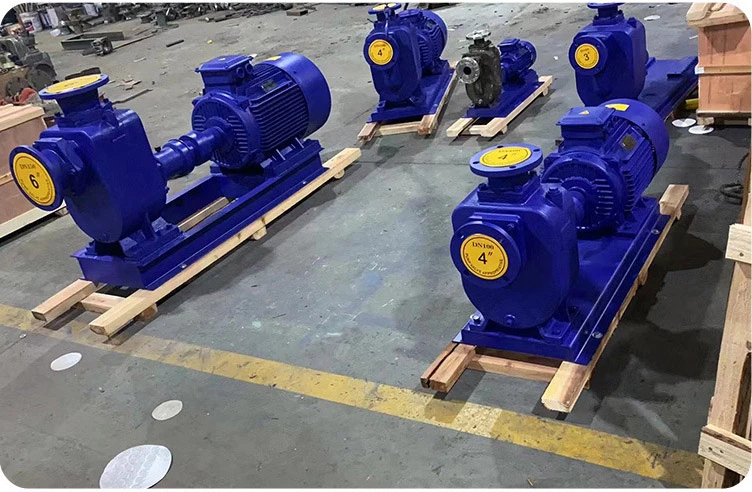
Introduction
Slurry pumps are heavy-duty pumps specifically engineered to transport abrasive and highly viscous fluids containing solid particles. Distinguished from centrifugal pumps used for clean fluids, slurry pumps incorporate robust designs and specialized materials to withstand the erosive and corrosive effects of slurries prevalent in industries such as mining, wastewater treatment, dredging, and chemical processing. Their technical position within these industry chains is critical, often representing a key bottleneck impacting overall process efficiency and operational costs. Core performance metrics include flow rate (typically measured in gallons per minute or cubic meters per hour), head (expressed in feet or meters), solids handling capacity (percentage by weight or diameter of the largest particle), and pump efficiency. Selecting the correct slurry pump requires careful consideration of slurry characteristics, including particle size distribution, solids concentration, slurry specific gravity, and chemical composition. Improper pump selection leads to premature failure, increased maintenance costs, and potentially catastrophic system downtime. This guide provides a detailed analysis of slurry pump working principles, material science, performance characteristics, failure modes, and relevant industry standards.
Material Science & Manufacturing
The materials selection for slurry pump components is paramount, directly influencing longevity and operational reliability. Pump casings are frequently constructed from high-chromium cast iron (typically 27% Cr), offering excellent abrasion resistance, although its corrosion resistance is limited. For highly corrosive slurries, duplex stainless steels (e.g., 2205, 2507) or high-nickel alloys (e.g., Hastelloy) are preferred, despite their higher cost. Impeller materials mirror casing choices, with the addition of polyurethane elastomers for specific applications involving high-impact abrasion and lower solids concentrations. Shafts are typically manufactured from alloy steels, heat-treated to achieve high tensile strength and fatigue resistance. Seals utilize materials compatible with the slurry chemistry, including Viton, EPDM, or PTFE. Manufacturing processes vary depending on component size and complexity. Casings often employ sand casting or investment casting, followed by meticulous machining to ensure dimensional accuracy and surface finish. Impellers may be manufactured via centrifugal casting or precision machining. Welding processes, such as shielded metal arc welding (SMAW) or gas tungsten arc welding (GTAW), are critical for joining pump components, requiring qualified welders and stringent quality control procedures to prevent weld defects that compromise structural integrity. Parameter control during manufacturing includes monitoring alloy composition, ensuring proper heat treatment cycles, and performing non-destructive testing (NDT) such as radiography and ultrasonic testing to detect internal flaws. Surface hardening techniques, like induction hardening, are frequently applied to impeller vanes and casing wear surfaces to enhance abrasion resistance.
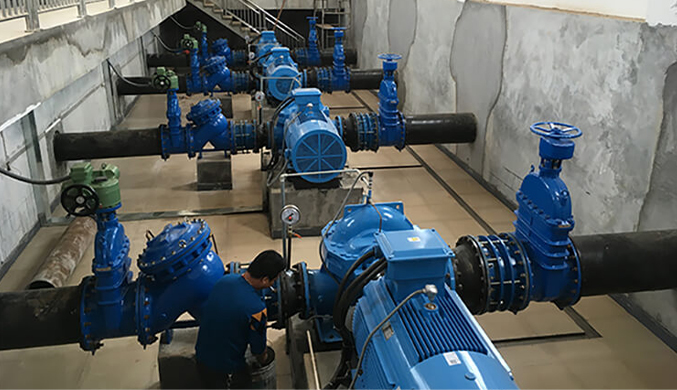
Performance & Engineering
Slurry pump performance is dictated by hydraulic design and operational parameters. The pump's head-capacity curve illustrates the relationship between flow rate and discharge pressure, vital for system matching. Force analysis considers hydrostatic pressure, dynamic pressure from slurry flow, and inertial forces generated by impeller rotation. Cavitation, a primary concern, occurs when the absolute pressure at the impeller inlet drops below the vapor pressure of the slurry, forming vapor bubbles that collapse violently, causing erosion and noise. Net Positive Suction Head Required (NPSHr) must be lower than Net Positive Suction Head Available (NPSHa) to prevent cavitation. Environmental resistance considerations encompass temperature extremes, atmospheric corrosion, and exposure to ultraviolet radiation. Compliance requirements are substantial, varying by jurisdiction. In the US, pumps must meet Hydraulic Institute standards and potentially EPA regulations regarding emissions and energy efficiency. European standards, such as EN ISO 50006, address energy management systems for pumping applications. Functional implementation details involve pump sizing calculations based on slurry properties and system characteristics, selecting appropriate impeller geometry (e.g., radial, axial, mixed flow), and incorporating wear-resistant liners and coatings to extend component life. Pump control systems, ranging from simple on/off switches to variable frequency drives (VFDs), allow for flow rate adjustment and energy optimization. The selection of pump seals is also critical, with mechanical seals offering superior performance compared to packing glands in most slurry applications. Analyzing pump vibrations is a key component of predictive maintenance, detecting early signs of bearing wear, impeller imbalance, or misalignment.
Technical Specifications
| Parameter | Typical Range (Centrifugal Slurry Pump) | Unit | Testing Standard |
|---|---|---|---|
| Flow Rate | 10 - 1000 | GPM (Gallons Per Minute) | ANSI/HI 1.1 |
| Discharge Head | 20 - 300 | ft (Feet) | ANSI/HI 1.3 |
| Solids Handling Size | Up to 6 | inches | Internal testing based on pump design |
| Solids Concentration (Max) | Up to 70 | % by weight | Internal testing based on pump design |
| Pump Efficiency | 60 - 85 | % | ANSI/HI 1.5 |
| Casing Material | High-Chromium Cast Iron, Stainless Steel | - | ASTM A532 (for ductile iron), ASTM A743 (for cast steel) |
Failure Mode & Maintenance
Slurry pump failures typically stem from abrasive wear, corrosion, erosion, and mechanical fatigue. Abrasive wear, the most common failure mode, occurs due to the impact of solid particles on pump components, leading to material loss. Erosion is a similar phenomenon, often exacerbated by high slurry velocities. Corrosion arises from chemical reactions between the slurry and pump materials. Fatigue cracking results from repeated stress cycles, particularly in the impeller and shaft. Delamination occurs in elastomer liners due to bond failure. Oxidation degrades metal surfaces, reducing their strength and corrosion resistance. Regular maintenance is critical to mitigate these failure modes. This includes visual inspections for wear and corrosion, lubrication of bearings, seal replacement, impeller trimming or replacement, and casing repair or replacement. Vibration analysis identifies potential problems before catastrophic failure. Predictive maintenance techniques, such as oil analysis and thermography, provide further insights into pump condition. A robust maintenance program should incorporate a detailed record-keeping system to track component life, repair history, and maintenance costs. Preventive maintenance schedules should be tailored to the specific slurry characteristics and operating conditions. When replacing components, using OEM-specified parts ensures compatibility and performance. Proper alignment of the pump and motor is crucial to minimize bearing wear and shaft fatigue.
Industry FAQ
Q: What is the primary difference between a centrifugal pump and a positive displacement pump when handling slurries?
A: Centrifugal pumps are more commonly used for high-volume, lower-head slurry applications due to their simpler design and lower cost. However, they are susceptible to efficiency loss as the solids concentration increases. Positive displacement pumps, like peristaltic or diaphragm pumps, excel in handling highly viscous or abrasive slurries and maintaining consistent flow rates regardless of pressure fluctuations. They are typically used for smaller flows and higher pressures but are more expensive and complex to maintain.
Q: How does impeller design impact the performance and wear life of a slurry pump?
A: Impeller design profoundly affects pump performance. Radial impellers generate higher head but are more susceptible to abrasion. Axial impellers offer higher flow rates and better solids handling but produce lower head. Mixed-flow impellers provide a compromise between these characteristics. Impeller geometry, vane angle, and vane thickness all influence pump efficiency and wear resistance. Hardened impeller materials and coatings significantly extend wear life.
Q: What are the key considerations when selecting a slurry pump seal?
A: Seal selection is critical. Mechanical seals are generally preferred over packing glands due to their superior sealing performance and reduced leakage. Seal material compatibility with the slurry is paramount. Factors to consider include pH, temperature, abrasive content, and chemical composition. Single seals are suitable for less demanding applications, while double seals with a barrier fluid are recommended for highly abrasive or toxic slurries.
Q: What role does NPSH play in preventing pump damage when handling slurries?
A: Maintaining adequate NPSH (Net Positive Suction Head) is crucial to prevent cavitation. Slurries, due to their viscosity and solids content, typically have lower NPSHa values than clean fluids. Ensuring that NPSHa exceeds NPSHr by a sufficient margin is essential to avoid vapor bubble formation and subsequent impeller damage. Adjusting pump suction lift, increasing pipe diameter, or reducing slurry temperature can improve NPSHa.
Q: How can vibration analysis be used to diagnose slurry pump problems?
A: Vibration analysis is a powerful predictive maintenance tool. Increased vibration levels can indicate bearing wear, impeller imbalance, misalignment, cavitation, or clogging. Analyzing the vibration frequency and amplitude provides insights into the specific problem. For example, a high-frequency vibration may suggest bearing defects, while a low-frequency vibration could indicate impeller imbalance. Regular vibration monitoring allows for early detection of potential failures, preventing costly downtime.
Conclusion
Slurry pump selection and operation represent a complex engineering challenge demanding a comprehensive understanding of slurry characteristics, material science, and hydraulic principles. Optimizing pump performance requires careful consideration of flow rate, head, solids handling capacity, and environmental factors. Proactive maintenance strategies, including regular inspections, vibration analysis, and component replacement, are essential to maximize pump reliability and minimize operational costs. Selecting the appropriate materials of construction and implementing effective wear protection measures are critical for extending pump life in abrasive and corrosive environments.
Future advancements in slurry pump technology are focused on developing more wear-resistant materials, improving impeller designs for enhanced efficiency and solids handling, and incorporating advanced monitoring and control systems for predictive maintenance. Continued innovation in these areas will lead to more reliable, energy-efficient, and cost-effective slurry pumping solutions, addressing the evolving needs of industries reliant on the transportation of abrasive fluids.
-
Precision at the Pump: How Better Machining Protects Flow and Uptime
News2026-11-20
-
Why Pump Reliability Begins Before the First Drop of Fluid
News2026-11-20
-
Beyond the Pump: Designing Safer Access Around Critical Water Infrastructure
News2026-11-20
-
Why Pumping Stations Depend on the Infrastructure Beneath the Pumps
News2026-11-20
-
Beyond the Pump Room: How Smarter Loading Protects Industrial Equipment
News2026-11-19
-
When Pumps Stop: Designing More Resilient Power for Critical Pumping Systems
News2026-11-19
-
The Hidden Role of Dust and Gas Monitoring in Reliable Pump Operations
News2026-11-19
-
The Hidden Role of Mineral Compounds in Extending Industrial Pump Lifespan
News2026-10-12
-
Why Pump System Reliability Depends on Precision Hose Assembly Methods
News2026-09-15
-
How Advanced Imaging Films Are Transforming Pump Component Quality Control
News2026-08-25
-
How Advanced Filtration Protects Pump Systems from Premature Wear and Costly Downtime
News2026-08-25
-
How Steel Material Selection Drives Pump Reliability in Heavy-Duty Systems
News2026-08-25
-
Ensuring Pump System Efficiency: The Role of High-Quality Pipe Fittings and Tubing
News2026-08-24
-
Optimizing Fluid Dynamics and Material Consistency in Industrial Processing
News2026-08-18
-
Innovations and Challenges in Hydraulic Systems for Heavy Machinery
News2026-08-13




