English
- Afrikaans
- Albanian
- Amharic
- Arabic
- Armenian
- Azerbaijani
- Basque
- Belarusian
- Bengali
- Bosnian
- Bulgarian
- Catalan
- Cebuano
- Corsican
- Croatian
- Czech
- Danish
- Dutch
- English
- Esperanto
- Estonian
- Finnish
- French
- Frisian
- Galician
- Georgian
- German
- Greek
- Gujarati
- Haitian Creole
- hausa
- hawaiian
- Hebrew
- Hindi
- Miao
- Hungarian
- Icelandic
- igbo
- Indonesian
- irish
- Italian
- Japanese
- Javanese
- Kannada
- kazakh
- Khmer
- Rwandese
- Korean
- Kurdish
- Kyrgyz
- Lao
- Latin
- Latvian
- Lithuanian
- Luxembourgish
- Macedonian
- Malgashi
- Malay
- Malayalam
- Maltese
- Maori
- Marathi
- Mongolian
- Myanmar
- Nepali
- Norwegian
- Norwegian
- Occitan
- Pashto
- Persian
- Polish
- Portuguese
- Punjabi
- Romanian
- Russian
- Samoan
- Scottish Gaelic
- Serbian
- Sesotho
- Shona
- Sindhi
- Sinhala
- Slovak
- Slovenian
- Somali
- Spanish
- Sundanese
- Swahili
- Swedish
- Tagalog
- Tajik
- Tamil
- Tatar
- Telugu
- Thai
- Turkish
- Turkmen
- Ukrainian
- Urdu
- Uighur
- Uzbek
- Vietnamese
- Welsh
- Bantu
- Yiddish
- Yoruba
- Zulu

Telephone: +86 13120555503
Email: frank@cypump.com


Apr . 01, 2024 17:55 Back to list
slurry pump with agitator Material Science Manufacturing
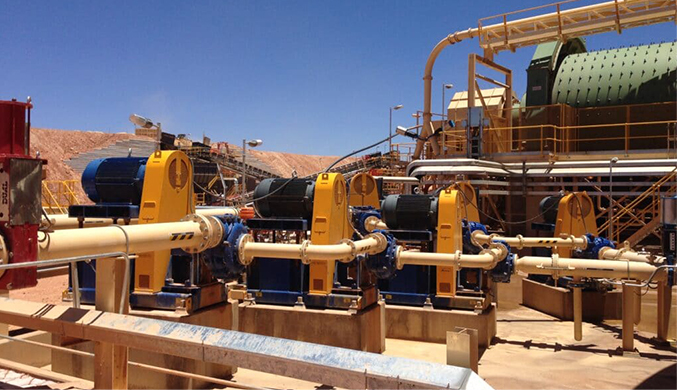
Introduction
Slurry pumps with agitators represent a critical component in numerous industrial processes involving the transportation of abrasive and highly concentrated slurries. Distinguished from standard centrifugal pumps by their integrated agitation system, these pumps are essential for maintaining slurry homogeneity, preventing solids settling, and ensuring consistent pump performance. They find applications in industries such as mining, wastewater treatment, dredging, chemical processing, and power generation, where the handling of dense, particulate-laden fluids is commonplace. The core performance characteristics defining these pumps are their solids handling capability, wear resistance, flow rate, and head pressure, all of which are intricately linked to their design and material selection. A major industry pain point is premature pump failure due to abrasion and corrosion resulting from improper material selection for the slurry composition and operating conditions. Furthermore, inefficient agitation can lead to pipeline blockages and reduced overall process efficiency. This guide will provide an in-depth exploration of slurry pump with agitator technology, encompassing material science, manufacturing processes, performance engineering, failure modes, and industry best practices.
Material Science & Manufacturing
The construction of slurry pumps with agitators necessitates materials capable of withstanding severe abrasive wear, corrosive attack, and high impact forces. Key materials include high-chromium cast iron (typically 27-30% Cr), offering exceptional abrasion resistance, and various stainless steel alloys (304, 316, 403) for applications involving corrosive fluids. Polymer materials, such as polyurethane and rubber linings, are also employed to protect pump casings and impellers from erosion. The agitator itself is commonly constructed from hardened steel alloys, often with tungsten carbide coatings for enhanced wear resistance. Manufacturing processes vary depending on the component. Pump casings are typically produced via sand casting, utilizing patterns made from resin or metal. Impellers are frequently investment cast, allowing for complex geometries and precise dimensional control. Shafts are forged and then machined to exacting tolerances. Welding processes, such as shielded metal arc welding (SMAW) or gas tungsten arc welding (GTAW), are crucial for joining components, requiring careful consideration of weld metallurgy to avoid cracking or porosity. Critical parameters during manufacturing include heat treatment to optimize material hardness and toughness, dimensional accuracy to ensure proper pump fit and function, and surface finish to minimize frictional losses. The slurry’s pH and chemical composition directly influence material selection; for example, highly acidic slurries require more corrosion-resistant alloys than neutral or alkaline slurries. Proper material certification and traceability are paramount to guaranteeing long-term pump reliability.
Performance & Engineering
The performance of a slurry pump with agitator is governed by a complex interplay of hydraulic, mechanical, and fluid dynamic principles. The agitator’s primary function is to maintain a homogenous suspension of solids within the slurry, preventing settling and ensuring consistent feed to the pump impeller. Agitator design (impeller type, size, and speed) is critical, with radial and axial flow impellers being commonly employed. The power required for agitation must be carefully calculated, considering slurry density, viscosity, and solids concentration. Hydraulic performance is characterized by the pump’s head-capacity curve, which defines the relationship between flow rate and discharge pressure. Force analysis focuses on the stresses induced by slurry flow and solids impact on pump components. Finite element analysis (FEA) is frequently used to optimize component geometry and minimize stress concentrations. Environmental resistance considerations include temperature extremes, exposure to corrosive atmospheres, and potential for external flooding. Compliance requirements vary depending on the application, with standards such as ANSI/ASME B73.1 for centrifugal pumps and API 610 for rotary pumps often being applicable. Specific industries, such as mining, may have additional regulatory requirements related to safety and environmental protection. The selection of the appropriate pump size and configuration requires a thorough understanding of the slurry characteristics, system head losses, and desired flow rate. Proper pump alignment is essential to minimize vibration and bearing wear.
Technical Specifications
| Parameter | Unit | Typical Range | Notes |
|---|---|---|---|
| Flow Rate | m³/h | 5 – 500 | Dependent on pump size and impeller design |
| Head | m | 10 – 100 | Influenced by slurry density and pipeline friction |
| Solids Handling Capability | mm | Up to 100 | Varies with impeller type and pump size |
| Slurry Concentration (by weight) | % | 10 – 70 | Higher concentrations require more robust agitators |
| Pump Material (Casing) | - | High-Chromium Cast Iron, Stainless Steel | Selected based on slurry corrosivity |
| Agitator Power | kW | 0.5 – 20 | Dependent on slurry viscosity and vessel size |
Failure Mode & Maintenance
Slurry pumps with agitators are susceptible to several failure modes, predominantly related to abrasive wear, corrosion, and mechanical fatigue. Abrasion, caused by the impact of solid particles, leads to erosion of pump casings, impellers, and agitator blades. Corrosion, induced by aggressive chemicals in the slurry, weakens pump components and can cause pitting or complete material degradation. Fatigue cracking can occur in shafts and impellers due to cyclical loading. Cavitation, resulting from low pressure zones within the pump, can erode impeller surfaces. Other common failures include bearing wear, seal failure, and agitator drive malfunction. Preventive maintenance is crucial for maximizing pump life. This includes regular inspection of pump components for wear and corrosion, lubrication of bearings, replacement of seals, and monitoring of pump vibration levels. Agitator drive belts should be inspected for tension and wear. Routine performance monitoring, such as measuring flow rate and pressure, can identify early signs of degradation. In the event of failure, a thorough failure analysis should be conducted to determine the root cause and implement corrective actions. For example, if abrasion is the primary failure mechanism, upgrading to a more wear-resistant material or optimizing pump speed may be necessary. Proper slurry preparation, including screening to remove oversized particles, can also extend pump life.
Industry FAQ
Q: What is the optimal agitator speed for maximizing solids suspension in a high-solids slurry?
A: The optimal agitator speed is highly dependent on slurry properties – density, viscosity, particle size distribution, and solids concentration. Generally, increasing speed improves suspension, but excessive speed can cause vortexing and reduced pumping efficiency. A thorough fluid dynamics analysis or pilot testing is recommended to determine the ideal speed for a specific application. Typical ranges are between 300-1500 RPM.
Q: How do I select the appropriate material for a slurry pump handling a highly corrosive acid?
A: For highly corrosive acids, materials such as duplex stainless steels (e.g., 2205), super austenitic stainless steels, or specialized alloys like Hastelloy are often required. The specific alloy selection depends on the acid concentration, temperature, and presence of other corrosive agents. Consulting a corrosion engineer and performing material compatibility testing is critical.
Q: What are the primary causes of cavitation in slurry pumps, and how can it be mitigated?
A: Cavitation is typically caused by insufficient net positive suction head available (NPSHa) compared to the net positive suction head required (NPSHr) by the pump. Other contributing factors include high slurry viscosity, low flow rates, and partially blocked suction lines. Mitigation strategies include increasing suction pressure, reducing slurry viscosity, optimizing pump speed, and ensuring unobstructed suction lines.
Q: What are the benefits of using variable frequency drives (VFDs) with slurry pumps with agitators?
A: VFDs allow for precise control of pump and agitator speed, enabling optimization of flow rate and solids suspension based on varying process demands. This can result in significant energy savings, reduced wear and tear on pump components, and improved process control. VFDs also provide soft starting and stopping, minimizing stress on the pump and drive system.
Q: How often should pump seals be inspected and replaced in a typical slurry application?
A: The inspection and replacement frequency of pump seals depends on the abrasiveness of the slurry and the operating conditions. Generally, seals should be inspected every 3-6 months and replaced when signs of wear, leakage, or damage are observed. Using advanced seal technologies, such as mechanical seals with hardened faces, can extend seal life.
Conclusion
Slurry pumps with agitators are indispensable tools in industries reliant on the efficient and reliable handling of abrasive and concentrated slurries. Successful implementation hinges on a deep understanding of material science principles, meticulous manufacturing processes, and rigorous performance engineering. Proper material selection, tailored to the specific slurry composition and operating environment, is paramount to mitigating corrosion and abrasion, the most prevalent causes of pump failure. Furthermore, careful attention to agitator design and speed control is essential for maintaining slurry homogeneity and preventing pipeline blockages.
The continued advancement of slurry pump technology focuses on developing more wear-resistant materials, optimizing hydraulic designs to minimize cavitation and energy consumption, and integrating smart monitoring systems for predictive maintenance. Future trends will likely involve the increased use of computational fluid dynamics (CFD) for pump design and optimization, as well as the adoption of Industry 4.0 technologies for remote monitoring and control, ultimately contributing to increased pump efficiency, reduced operating costs, and enhanced process reliability.
-
Precision at the Pump: How Better Machining Protects Flow and Uptime
News2026-11-20
-
Why Pump Reliability Begins Before the First Drop of Fluid
News2026-11-20
-
Beyond the Pump: Designing Safer Access Around Critical Water Infrastructure
News2026-11-20
-
Why Pumping Stations Depend on the Infrastructure Beneath the Pumps
News2026-11-20
-
Beyond the Pump Room: How Smarter Loading Protects Industrial Equipment
News2026-11-19
-
When Pumps Stop: Designing More Resilient Power for Critical Pumping Systems
News2026-11-19
-
The Hidden Role of Dust and Gas Monitoring in Reliable Pump Operations
News2026-11-19
-
The Hidden Role of Mineral Compounds in Extending Industrial Pump Lifespan
News2026-10-12
-
Why Pump System Reliability Depends on Precision Hose Assembly Methods
News2026-09-15
-
How Advanced Imaging Films Are Transforming Pump Component Quality Control
News2026-08-25
-
How Advanced Filtration Protects Pump Systems from Premature Wear and Costly Downtime
News2026-08-25
-
How Steel Material Selection Drives Pump Reliability in Heavy-Duty Systems
News2026-08-25
-
Ensuring Pump System Efficiency: The Role of High-Quality Pipe Fittings and Tubing
News2026-08-24
-
Optimizing Fluid Dynamics and Material Consistency in Industrial Processing
News2026-08-18
-
Innovations and Challenges in Hydraulic Systems for Heavy Machinery
News2026-08-13




