English
- Afrikaans
- Albanian
- Amharic
- Arabic
- Armenian
- Azerbaijani
- Basque
- Belarusian
- Bengali
- Bosnian
- Bulgarian
- Catalan
- Cebuano
- Corsican
- Croatian
- Czech
- Danish
- Dutch
- English
- Esperanto
- Estonian
- Finnish
- French
- Frisian
- Galician
- Georgian
- German
- Greek
- Gujarati
- Haitian Creole
- hausa
- hawaiian
- Hebrew
- Hindi
- Miao
- Hungarian
- Icelandic
- igbo
- Indonesian
- irish
- Italian
- Japanese
- Javanese
- Kannada
- kazakh
- Khmer
- Rwandese
- Korean
- Kurdish
- Kyrgyz
- Lao
- Latin
- Latvian
- Lithuanian
- Luxembourgish
- Macedonian
- Malgashi
- Malay
- Malayalam
- Maltese
- Maori
- Marathi
- Mongolian
- Myanmar
- Nepali
- Norwegian
- Norwegian
- Occitan
- Pashto
- Persian
- Polish
- Portuguese
- Punjabi
- Romanian
- Russian
- Samoan
- Scottish Gaelic
- Serbian
- Sesotho
- Shona
- Sindhi
- Sinhala
- Slovak
- Slovenian
- Somali
- Spanish
- Sundanese
- Swahili
- Swedish
- Tagalog
- Tajik
- Tamil
- Tatar
- Telugu
- Thai
- Turkish
- Turkmen
- Ukrainian
- Urdu
- Uighur
- Uzbek
- Vietnamese
- Welsh
- Bantu
- Yiddish
- Yoruba
- Zulu

Telephone: +86 13120555503
Email: frank@cypump.com


Apr . 01, 2024 17:55 Back to list
slurry pump volute liner Material Performance
Introduction
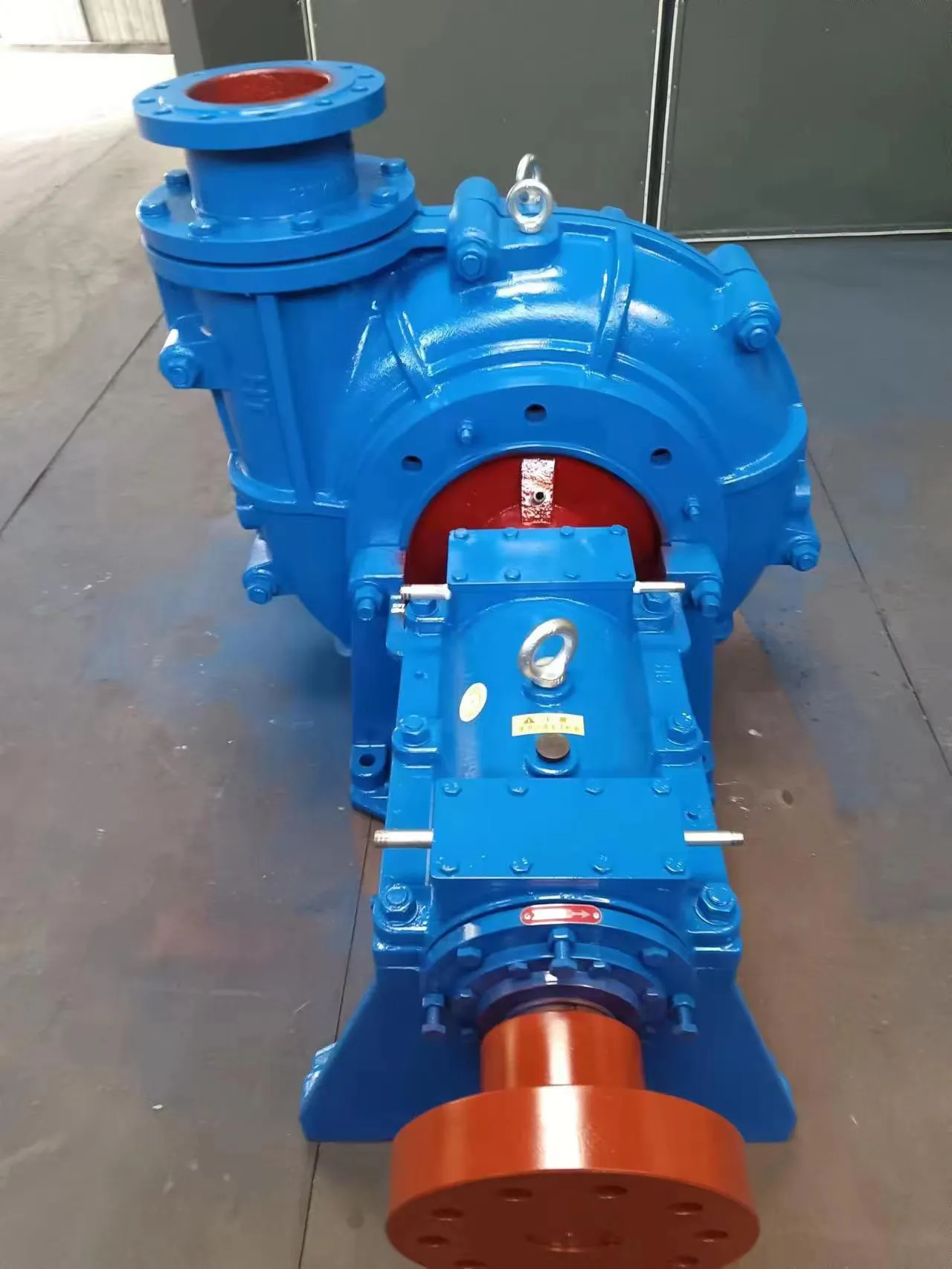
The slurry pump volute liner is a critical wear component within centrifugal slurry pumps, specifically designed to protect the pump casing from the abrasive and erosive effects of transported slurries. Positioned within the pump volute, it forms the fluid passage and significantly influences pump efficiency and longevity. This guide provides a comprehensive technical overview of slurry pump volute liners, encompassing material science, manufacturing processes, performance characteristics, failure modes, and relevant industry standards. Slurry pump liners are fundamentally essential in industries dealing with abrasive media – mining, dredging, wastewater treatment, chemical processing, and power generation – where continuous operation and minimized downtime are paramount. Core performance is defined by abrasion resistance, erosion resistance, impact resistance, and chemical compatibility with the slurry being processed. The selection of the appropriate liner material and design directly impacts the Total Cost of Ownership (TCO) of the slurry pump system.
Material Science & Manufacturing
Volute liners are manufactured from a variety of materials, each offering different performance characteristics. High-chromium cast iron (typically 13-28% Cr) is the most common due to its excellent abrasion resistance and cost-effectiveness. However, for highly abrasive or corrosive slurries, alternative materials are utilized. These include: Ceramics (alumina, zirconia) offering superior hardness and chemical inertness but are brittle and susceptible to impact damage; Polymer composites (rubber, polyurethane, epoxy) providing good impact resistance and noise reduction, suitable for low-to-medium abrasion applications; White cast iron with a high carbide content for extreme abrasion resistance but with lower impact toughness; Nickel-hard alloys offering a balance of abrasion, corrosion, and impact resistance for demanding applications. Manufacturing processes vary depending on the material. Cast iron liners are produced via sand casting, utilizing patterns created using CAD/CAM technology. Ceramic liners are often formed via pressing and sintering. Polymer liners can be molded, cast, or applied as coatings. Key parameters in manufacturing include controlling the microstructure of the cast iron (carbide distribution and morphology), ensuring proper sintering density for ceramics, and controlling polymer crosslinking for composite liners. Heat treatment is critical for cast iron liners to achieve optimal hardness and toughness. Dimensional accuracy is paramount to ensure a tight fit within the pump volute, minimizing recirculation and maximizing efficiency.
Performance & Engineering
The performance of a slurry pump volute liner is heavily influenced by fluid dynamics and the interaction between the slurry and the liner surface. Key engineering considerations include: Wear Rate Analysis - Predicting liner wear based on slurry characteristics (particle size, concentration, hardness), flow velocity, and impact angle. Wear rate is not linear and is often described by Archard’s wear equation. Erosion Prediction - Evaluating the erosive wear caused by high-velocity slurry particles, particularly at the volute inlet and discharge. Finite Element Analysis (FEA) is often employed to model stress distributions and predict erosion patterns. Impact Resistance - Ensuring the liner can withstand impact from larger particles within the slurry. This is particularly important for liners made from brittle materials like ceramics. Cavitation Resistance - Minimizing the risk of cavitation damage, which can occur at low NPSHa (Net Positive Suction Head available). Proper volute design and liner geometry contribute to cavitation prevention. Corrosion Resistance – Matching the liner material to the chemical composition of the slurry to prevent corrosion-induced degradation. Hydrodynamic Design - Optimizing the liner’s internal shape to minimize head loss and maximize pump efficiency. Liner geometry directly impacts pump head-capacity curve. Compliance with hydraulic institute standards is critical for ensuring pump performance.
Technical Specifications
| Material | Hardness (Brinell) | Tensile Strength (MPa) | Impact Toughness (J) | Maximum Operating Temperature (°C) | Typical Service Life (Hours) |
|---|---|---|---|---|---|
| High-Chromium Cast Iron (18% Cr) | 550-650 | 400-600 | 20-30 | 250 | 2000-8000 |
| Alumina Ceramic (99.5% Al2O3) | 1800-2000 | 300-400 | 5-10 | 1300 | 5000-15000 |
| Polyurethane Rubber | 60-80 (Shore D) | 30-50 | 100-200 | 80 | 1000-3000 |
| White Cast Iron (High Carbide) | 600-700 | 500-700 | 15-25 | 300 | 3000-10000 |
| Nickel-Hard Alloy (Ni-Hard 1) | 500-600 | 600-800 | 30-40 | 400 | 4000-12000 |
| Epoxy Composite | 70-90 (Shore D) | 40-60 | 80-150 | 100 | 1500-4000 |
Failure Mode & Maintenance
Slurry pump volute liners are subject to several failure modes, primarily related to wear, erosion, corrosion, and impact. Abrasion is the most common, resulting in gradual material loss due to the rubbing action of slurry particles. Erosion occurs due to high-velocity impact, creating localized pits and grooves. Corrosion weakens the liner material, accelerating wear and potentially leading to catastrophic failure. Impact Fractures can occur, especially with brittle materials, due to sudden impacts from large particles or foreign objects. Fatigue Cracking can develop from cyclical loading and stress concentrations. Regular inspection is crucial to identify potential failure mechanisms. Inspection techniques include visual examination, ultrasonic testing, and dye penetrant testing. Preventive maintenance involves rotating liners at scheduled intervals based on wear rate analysis. Proper installation is critical to ensure a tight fit and prevent recirculation. Liner replacement should be performed by qualified personnel following the pump manufacturer’s recommendations. In some cases, hardfacing techniques can be used to repair minor wear damage and extend liner life. Proper slurry conditioning (e.g., particle size control) can also significantly reduce wear rates.
Industry FAQ
Q: What is the primary factor influencing the selection of a liner material?
A: The slurry composition is the primary factor. Consider the slurry’s particle size distribution, concentration, hardness, and chemical properties. High-abrasive slurries require materials with high hardness, while corrosive slurries necessitate chemically resistant materials. Impact forces from large particles also play a significant role.
Q: How often should volute liners be inspected?
A: Inspection frequency depends on the severity of the slurry application. A baseline inspection should occur after the first 500 hours of operation. Subsequently, inspections should be conducted every 3-6 months, or more frequently for highly abrasive slurries. Visual inspection for wear patterns and ultrasonic thickness testing are recommended.
Q: What are the consequences of using the wrong liner material?
A: Using an inappropriate liner material leads to premature failure, increased downtime, reduced pump efficiency, and potentially catastrophic pump damage. The cost of frequent liner replacements and pump repairs far outweighs the initial savings from using a less expensive, but unsuitable, material.
Q: Can liner geometry be optimized to improve performance?
A: Yes, liner geometry significantly impacts pump performance. Streamlined designs minimize head loss and improve hydraulic efficiency. Features like rounded corners and smooth transitions reduce turbulence and erosion. Computational Fluid Dynamics (CFD) modeling can be used to optimize liner geometry for specific slurry characteristics.
Q: What role does installation play in liner longevity?
A: Proper installation is critical. Liners must fit snugly against the pump casing to prevent slurry recirculation and minimize wear. Using the correct gasket materials and following the manufacturer’s torque specifications are essential. Improper installation can lead to premature failure and reduced pump efficiency.
Conclusion
The slurry pump volute liner is an indispensable component for reliable slurry handling, directly impacting pump longevity and operational efficiency. Careful material selection, based on a thorough understanding of the slurry characteristics and operating conditions, is paramount. Proper manufacturing processes, diligent inspection, and preventive maintenance programs are essential to maximize liner life and minimize downtime.
Advancements in materials science continue to yield improved liner materials with enhanced abrasion, erosion, and corrosion resistance. Future trends include the development of self-healing polymers and ceramic composites, along with the integration of sensor technology for real-time wear monitoring. A holistic approach, considering the entire slurry system, including pump selection, liner material, and operating parameters, is crucial for achieving optimal performance and reducing the Total Cost of Ownership.
-
Precision at the Pump: How Better Machining Protects Flow and Uptime
News2026-11-20
-
Why Pump Reliability Begins Before the First Drop of Fluid
News2026-11-20
-
Beyond the Pump: Designing Safer Access Around Critical Water Infrastructure
News2026-11-20
-
Why Pumping Stations Depend on the Infrastructure Beneath the Pumps
News2026-11-20
-
Beyond the Pump Room: How Smarter Loading Protects Industrial Equipment
News2026-11-19
-
When Pumps Stop: Designing More Resilient Power for Critical Pumping Systems
News2026-11-19
-
The Hidden Role of Dust and Gas Monitoring in Reliable Pump Operations
News2026-11-19
-
The Hidden Role of Mineral Compounds in Extending Industrial Pump Lifespan
News2026-10-12
-
Why Pump System Reliability Depends on Precision Hose Assembly Methods
News2026-09-15
-
How Advanced Imaging Films Are Transforming Pump Component Quality Control
News2026-08-25
-
How Advanced Filtration Protects Pump Systems from Premature Wear and Costly Downtime
News2026-08-25
-
How Steel Material Selection Drives Pump Reliability in Heavy-Duty Systems
News2026-08-25
-
Ensuring Pump System Efficiency: The Role of High-Quality Pipe Fittings and Tubing
News2026-08-24
-
Optimizing Fluid Dynamics and Material Consistency in Industrial Processing
News2026-08-18
-
Innovations and Challenges in Hydraulic Systems for Heavy Machinery
News2026-08-13




