English
- Afrikaans
- Albanian
- Amharic
- Arabic
- Armenian
- Azerbaijani
- Basque
- Belarusian
- Bengali
- Bosnian
- Bulgarian
- Catalan
- Cebuano
- Corsican
- Croatian
- Czech
- Danish
- Dutch
- English
- Esperanto
- Estonian
- Finnish
- French
- Frisian
- Galician
- Georgian
- German
- Greek
- Gujarati
- Haitian Creole
- hausa
- hawaiian
- Hebrew
- Hindi
- Miao
- Hungarian
- Icelandic
- igbo
- Indonesian
- irish
- Italian
- Japanese
- Javanese
- Kannada
- kazakh
- Khmer
- Rwandese
- Korean
- Kurdish
- Kyrgyz
- Lao
- Latin
- Latvian
- Lithuanian
- Luxembourgish
- Macedonian
- Malgashi
- Malay
- Malayalam
- Maltese
- Maori
- Marathi
- Mongolian
- Myanmar
- Nepali
- Norwegian
- Norwegian
- Occitan
- Pashto
- Persian
- Polish
- Portuguese
- Punjabi
- Romanian
- Russian
- Samoan
- Scottish Gaelic
- Serbian
- Sesotho
- Shona
- Sindhi
- Sinhala
- Slovak
- Slovenian
- Somali
- Spanish
- Sundanese
- Swahili
- Swedish
- Tagalog
- Tajik
- Tamil
- Tatar
- Telugu
- Thai
- Turkish
- Turkmen
- Ukrainian
- Urdu
- Uighur
- Uzbek
- Vietnamese
- Welsh
- Bantu
- Yiddish
- Yoruba
- Zulu

Telephone: +86 13120555503
Email: frank@cypump.com


Apr . 01, 2024 17:55 Back to list
Slurry Pump Uses Manufacturing Specifications and Performance Analysis
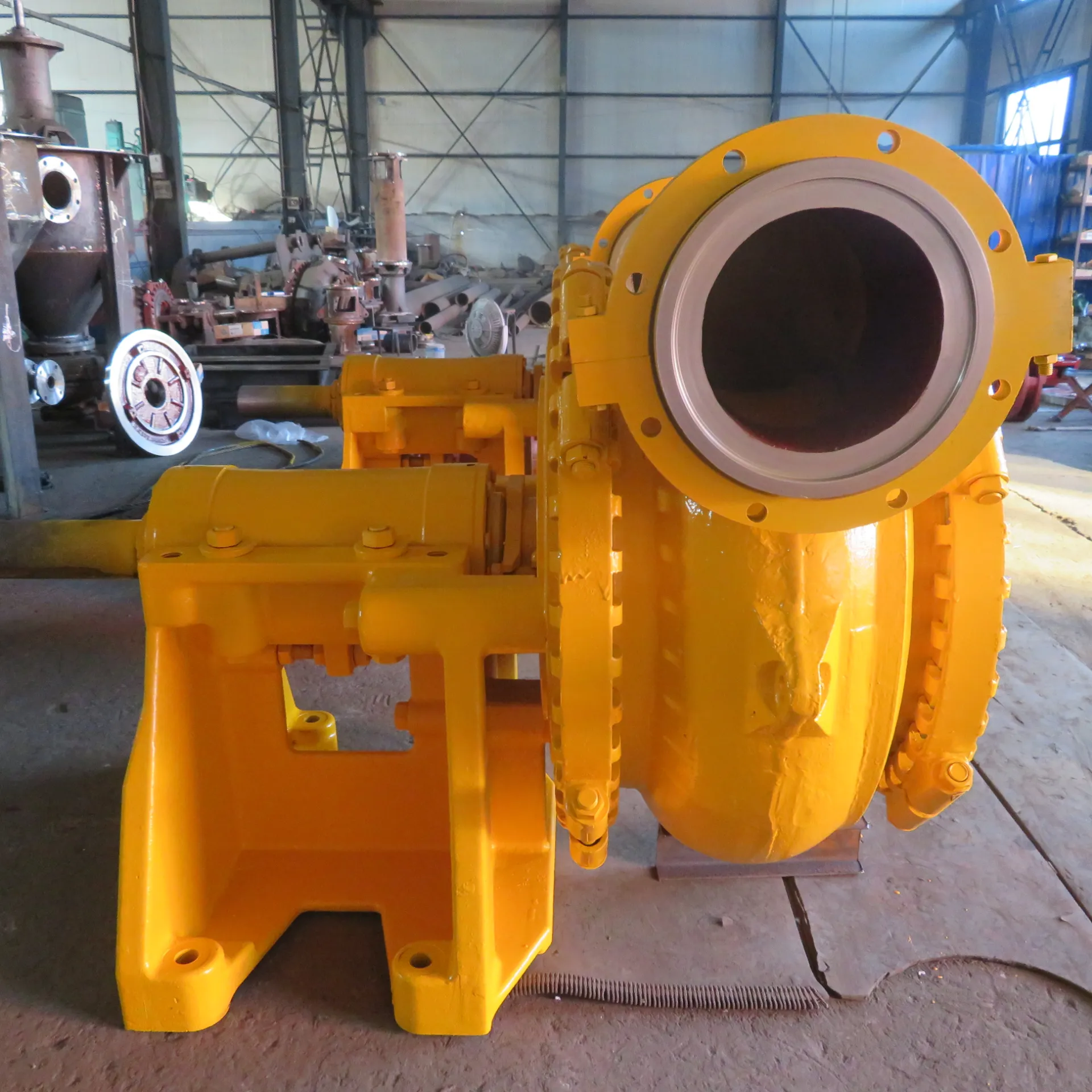
Slurry Pump Manufacturing Specifications and Performance Analysis
Slurry pumps are specialized centrifugal machinery engineered to transport fluids containing high concentrations of suspended solid particles, ranging from fine silts to coarse, abrasive minerals. Positioned as a critical nexus in the industrial processing chain, these pumps are indispensable in mining, dredging, chemical processing, and wastewater treatment. Unlike standard water pumps, slurry pumps must manage non-Newtonian fluid dynamics, high specific gravity, and extreme erosive wear. The core performance of a slurry pump is defined by its ability to maintain a critical carrying velocity—the minimum flow rate required to keep solids suspended—while minimizing the kinetic energy impact on internal components. Engineering these systems requires a precise balance between hydraulic efficiency and structural longevity to prevent premature catastrophic failure in high-shear environments.
Material Science & Manufacturing
The manufacturing of slurry pumps centers on the mitigation of abrasive wear and corrosive attack. Material selection is governed by the Mohs hardness of the transported solids and the pH value of the carrier fluid. High-chrome white irons (ASTM A532) are frequently employed for impellers and liners due to their martensitic matrix and embedded chromium carbides, providing superior resistance to scouring. For highly acidic or alkaline slurries, duplex stainless steels or high-nickel alloys are utilized to prevent pitting and stress corrosion cracking. In extreme abrasion scenarios, thermoplastic liners or natural rubber (ASTM D2000) are integrated; these materials absorb the kinetic energy of particle impact through elastic deformation rather than surface material loss.
The manufacturing process involves precision casting followed by rigorous heat treatment to ensure uniform hardness across complex geometries. CNC machining is applied to the wear plates and impeller vanes to maintain strict tolerances, reducing turbulence that could lead to localized erosion. A critical manufacturing parameter is the balance of the impeller; even minor imbalances at high rotational speeds can lead to shaft deflection, accelerated bearing wear, and mechanical seal failure. Furthermore, the integration of hardened shaft sleeves—often coated with tungsten carbide via High-Velocity Oxy-Fuel (HVOF) spraying—ensures that the rotating assembly can withstand the abrasive slurry that inevitably migrates toward the sealing interface.
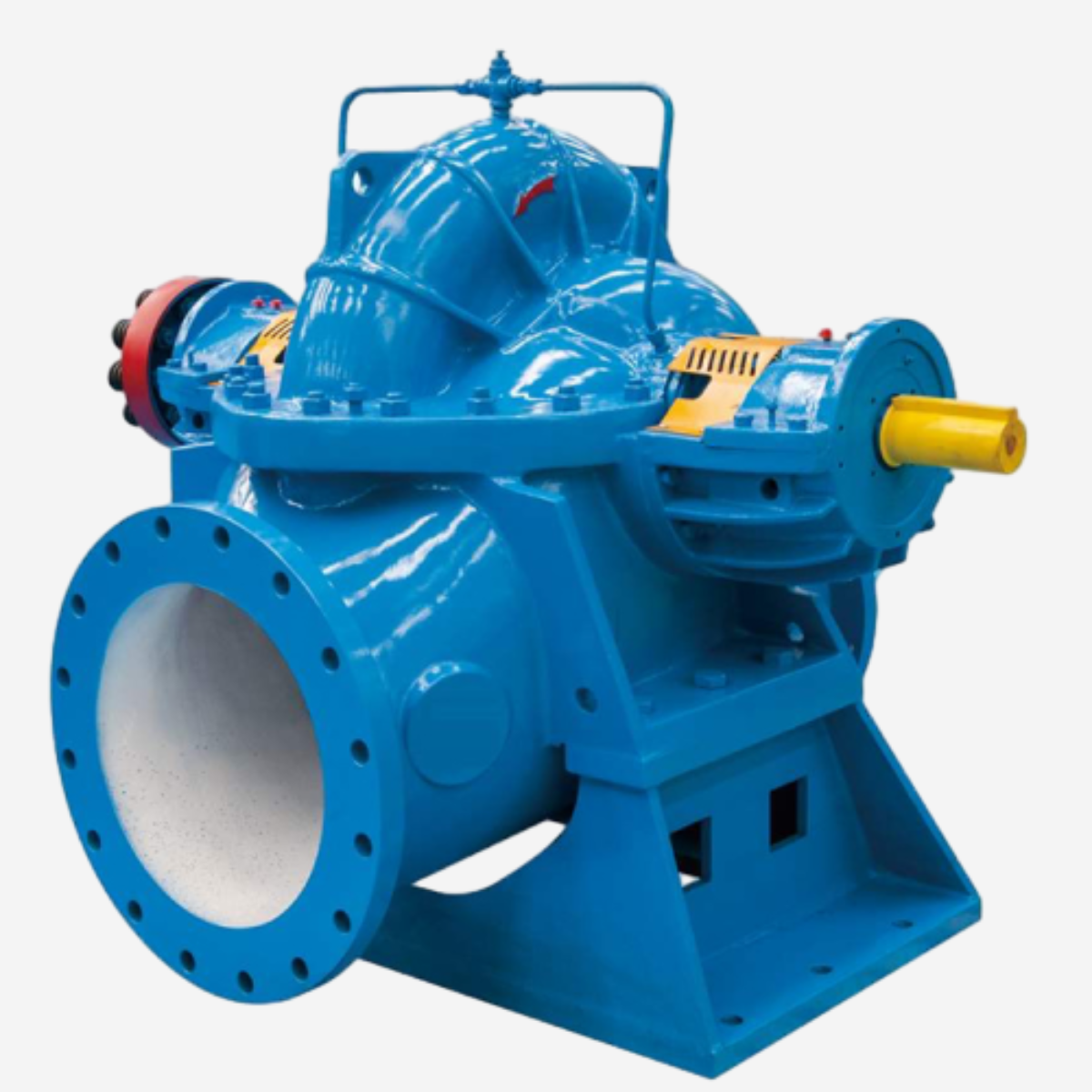
Performance & Engineering
Engineering a slurry pump system requires a comprehensive force analysis of the fluid-structure interaction. The primary challenge is the management of the "critical velocity." If the flow velocity drops below this threshold, particles settle, leading to "sanding" or pipe blockage. Conversely, exceeding the recommended velocity exponentially increases the wear rate, as erosion is typically proportional to the cube of the velocity. Engineers must calculate the Total Dynamic Head (TDH) by accounting for the increased density of the slurry, which significantly raises the friction loss compared to clear water.
Functional implementation involves the optimization of the Net Positive Suction Head available (NPSHa) to prevent cavitation. In slurry applications, cavitation is exacerbated by the presence of solids, which can act as nucleation sites for vapor bubbles. When these bubbles collapse, the resulting micro-jets create localized high-pressure zones that strip away the protective oxide layers of the metal, accelerating corrosion-erosion cycles. To combat this, engineering designs often incorporate oversized suction nozzles and variable frequency drives (VFDs) to fine-tune the pump speed based on the real-time concentration of the solids, ensuring the pump operates near its Best Efficiency Point (BEP) while maintaining solids transport.
Technical Specifications
| Material Grade | Hardness (Rockwell C) | Max Particle Size (mm) | Max Slurry Density (kg/m³) |
|---|---|---|---|
| High-Chrome Alloy (27% Cr) | 60 - 65 HRC | 12 - 25 mm | 1800 - 2200 |
| Duplex Stainless Steel | 25 - 35 HRC | 5 - 10 mm | 1300 - 1600 |
| Natural Rubber Liner | 60 - 70 Shore A | 2 - 8 mm | 1200 - 1500 |
| Hardened Cast Iron | 45 - 55 HRC | 10 - 20 mm | 1400 - 1700 |
| Tungsten Carbide Coating | 70 - 80 HRC | 1 - 5 mm | 1600 - 2000 |
| Ceramic Alumina | 90+ HRC | 0.1 - 2 mm | 1100 - 1400 |
Failure Mode & Maintenance
Failure analysis of slurry pumps typically identifies four primary modes: abrasive wear, corrosive degradation, fatigue cracking, and seal failure. Abrasive wear manifests as "wash-out" in the impeller vanes and volute casing, where the high-velocity impingement of solids removes material. This leads to a drop in hydraulic efficiency and an increase in internal recirculation. Corrosive degradation often occurs in tandem with abrasion, where the abrasive particles strip the passive layer from the metal, exposing fresh surface area to chemical attack—a synergistic effect known as erosion-corrosion.
Fatigue cracking is frequently observed in the pump shaft or impeller hub due to the cyclical loading caused by the passage of large solids or system vibrations. Mechanical seal failure is the most common cause of unplanned downtime; slurry particles that penetrate the seal faces act as grinding agents, rapidly wearing down the silicon carbide or tungsten carbide rings. Professional maintenance requires a predictive approach: utilizing vibration analysis to detect bearing wear and ultrasonic thickness gauging to monitor liner wear. Maintenance schedules must include the timely replacement of sacrificial wear parts and the realignment of the pump-motor assembly to eliminate parasitic loads on the shaft.
Industry FAQ
Q: How do we determine the optimal impeller material for a high-silica slurry?
A: For high-silica applications, the Mohs hardness of silica (7) requires a material with higher hardness. We recommend High-Chrome White Iron (ASTM A532) with a minimum hardness of 60 HRC. If the slurry is also acidic, a duplex stainless steel with a specialized coating or a rubber-lined casing may be necessary to balance hardness with chemical resistance.
Q: What is the impact of increasing the solids concentration on the pump's NPSHr?
A: Increasing solids concentration increases the viscosity and density of the fluid, which generally raises the Net Positive Suction Head required (NPSHr). If the NPSHa does not increase proportionally, the pump is at high risk of cavitation, which will accelerate the erosion of the impeller eye and reduce overall volumetric efficiency.
Q: Why is the pump experiencing premature seal failure despite using tungsten carbide faces?
A: This is often due to inadequate seal flushing. In slurry service, a "clean" flush (external water injection) is critical to prevent particles from migrating between the seal faces. If the flush pressure is lower than the internal stuffing box pressure, slurry will enter the seal, causing rapid abrasive wear regardless of the face material hardness.
Q: How can we distinguish between purely abrasive wear and erosion-corrosion in a volute?
A: Pure abrasive wear typically leaves a smooth, "polished" surface in the direction of flow. Erosion-corrosion presents as a more jagged, pitted texture often accompanied by discoloration (oxidation). Metallographic analysis can confirm if the base metal is being chemically attacked after the surface layer is mechanically removed.
Q: When should we choose a rubber liner over a high-chrome liner?
A: Rubber liners are superior for slurries containing fine, sharp particles at high velocities where the material can "bounce" off the surface. High-chrome liners are preferred for coarse, large-diameter particles and high-pressure applications where the rubber would either be torn or deformed, compromising the hydraulic profile.
Conclusion
The operational efficiency of slurry pumps is fundamentally dependent on the synergy between material science and hydraulic engineering. By meticulously aligning the hardness of the pump internals with the abrasive characteristics of the slurry and maintaining the critical carrying velocity, industrial operators can significantly extend the mean time between failures (MTBF). The transition from reactive to predictive maintenance, supported by thickness gauging and vibration analysis, ensures that the system maintains peak performance without risking catastrophic structural collapse.
Looking forward, the integration of smart sensors and AI-driven flow optimization will likely redefine slurry transport. The implementation of real-time slurry density monitoring coupled with VFD control will allow for the dynamic adjustment of pump parameters, further reducing energy consumption and wear. For the modern industrial plant, the focus must remain on the rigorous application of international standards and the selection of advanced alloys to meet the demands of increasingly aggressive mineral processing requirements.
-
sewage submersible pumps Material Science Manufacturing
News2026-05-16
-
sewage pump for basement toilet Performance Engineering
News2026-05-16
-
Sewage Ejector Pump Systems Performance Analysis
News2026-05-16
-
sewage effluent pump Material Science and Manufacturing
News2026-05-16
-
effluent pumps for septic tanks Material Science Manufacturing
News2026-05-16
-
Sewer Line Pump Material Science and Manufacturing
News2026-05-15
-
best sewage pump Performance Analysis
News2026-05-15
-
sewage pump for basement bathroom Performance and Engineering
News2026-05-15
-
submersible sewer pump Material Science and Manufacturing
News2026-05-15
-
septic tank sump pump Performance Analysis
News2026-05-15
-
effluent pump Performance and Engineering
News2026-05-14
-
basement waste pump Performance Analysis
News2026-05-14
-
sewage water pump Material Science and Manufacturing
News2026-05-14
-
Sewage Transfer Pump Performance Analysis
News2026-05-14
-
sewage submersible pump Performance Analysis
News2026-05-14




