English
- Afrikaans
- Albanian
- Amharic
- Arabic
- Armenian
- Azerbaijani
- Basque
- Belarusian
- Bengali
- Bosnian
- Bulgarian
- Catalan
- Cebuano
- Corsican
- Croatian
- Czech
- Danish
- Dutch
- English
- Esperanto
- Estonian
- Finnish
- French
- Frisian
- Galician
- Georgian
- German
- Greek
- Gujarati
- Haitian Creole
- hausa
- hawaiian
- Hebrew
- Hindi
- Miao
- Hungarian
- Icelandic
- igbo
- Indonesian
- irish
- Italian
- Japanese
- Javanese
- Kannada
- kazakh
- Khmer
- Rwandese
- Korean
- Kurdish
- Kyrgyz
- Lao
- Latin
- Latvian
- Lithuanian
- Luxembourgish
- Macedonian
- Malgashi
- Malay
- Malayalam
- Maltese
- Maori
- Marathi
- Mongolian
- Myanmar
- Nepali
- Norwegian
- Norwegian
- Occitan
- Pashto
- Persian
- Polish
- Portuguese
- Punjabi
- Romanian
- Russian
- Samoan
- Scottish Gaelic
- Serbian
- Sesotho
- Shona
- Sindhi
- Sinhala
- Slovak
- Slovenian
- Somali
- Spanish
- Sundanese
- Swahili
- Swedish
- Tagalog
- Tajik
- Tamil
- Tatar
- Telugu
- Thai
- Turkish
- Turkmen
- Ukrainian
- Urdu
- Uighur
- Uzbek
- Vietnamese
- Welsh
- Bantu
- Yiddish
- Yoruba
- Zulu

Telephone: +86 13120555503
Email: frank@cypump.com


Apr . 01, 2024 17:55 Back to list
Slurry Pump Supplier Performance Analysis

Introduction
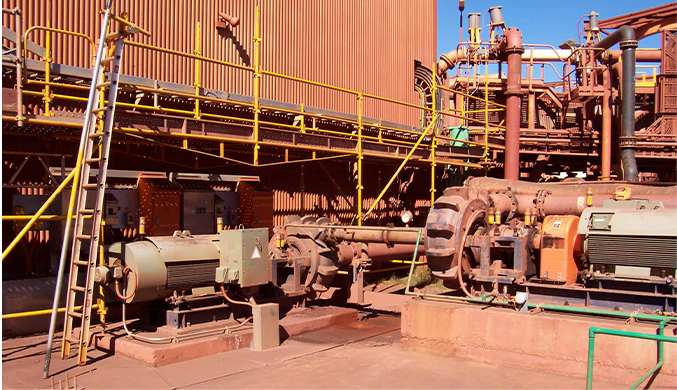
Slurry pumps are engineered to transport abrasive, erosive, and corrosive mixtures of liquids and solids – collectively termed “slurries.” These pumps are critical components in numerous industries, including mining, mineral processing, wastewater treatment, chemical processing, and oil & gas. Their technical position within the broader fluid handling industry is specialized; while centrifugal pumps handle relatively clean fluids, slurry pumps address the significantly greater challenges posed by particulate-laden flows. Core performance characteristics are defined by flow rate (typically measured in gallons per minute or cubic meters per hour), head (pressure generated, measured in feet or meters), and solids handling capability (maximum particle size and concentration by weight or volume). The selection of appropriate slurry pump materials and design is paramount to ensure longevity, efficiency, and minimize downtime in often harsh operating environments. The primary pain point for end-users revolves around balancing operational costs (energy consumption, maintenance) with pump reliability and resistance to wear. Choosing a supplier adept at material selection, hydraulic design optimization, and comprehensive wear protection is therefore a critical procurement decision.
Material Science & Manufacturing
The construction of slurry pumps demands careful consideration of material science principles. Commonly employed materials include high-chrome cast iron, stainless steel (various grades including 304, 316, and duplex stainless steels), rubber linings (natural rubber, synthetic rubbers like EPDM and chloroprene), and ceramic materials. High-chrome cast iron offers excellent abrasion resistance due to the formation of hard chromium carbides within the iron matrix. However, its corrosion resistance is limited. Stainless steels provide superior corrosion resistance, particularly in acidic or chloride-rich environments, but are generally less abrasion resistant than high-chrome iron. Rubber linings provide excellent protection against corrosion and impact, and dampen noise, but are susceptible to degradation by certain solvents and elevated temperatures. Ceramic materials offer outstanding wear and corrosion resistance but are brittle and expensive. Manufacturing processes vary depending on pump component and material. Casings are typically manufactured using sand casting, investment casting, or centrifugal casting, with post-casting heat treatment to optimize mechanical properties. Impellers are often manufactured using similar casting techniques, with particular attention paid to achieving accurate blade geometry and surface finish. Shafts are typically forged from alloy steel and subjected to heat treatment and machining. Welding is a crucial process for joining components, and qualified welders utilizing appropriate welding procedures (SMAW, GTAW, FCAW) are essential to ensure weld integrity and prevent corrosion or cracking. Key parameter control includes chemical composition verification of raw materials, dimensional inspection of castings, non-destructive testing (NDT) of welds – including radiographic inspection (RT) and ultrasonic testing (UT) – and balancing of rotating components to minimize vibration.
Performance & Engineering
Slurry pump performance is fundamentally governed by hydraulic principles and fluid mechanics. Force analysis focuses on the stresses imparted by the slurry flow on the impeller, casing, and shaft. Centrifugal forces, pressure gradients, and impact forces from solid particles contribute to wear and fatigue. Engineering considerations encompass pump selection based on system head requirements, flow rate, slurry characteristics (particle size distribution, solids concentration, specific gravity), and operating conditions (temperature, pressure). Cavitation, a destructive phenomenon caused by vapor bubble formation and collapse, is a major concern. Proper Net Positive Suction Head Available (NPSHA) calculation is crucial to prevent cavitation. Pump efficiency is also a critical parameter, as it directly impacts energy consumption and operating costs. Environmental resistance is essential, particularly in outdoor installations. Considerations include protection against corrosion from atmospheric exposure, temperature extremes, and potential for freezing. Compliance requirements vary by region and industry. For example, pumps used in the food and beverage industry must comply with sanitary standards (3-A Sanitary Standards), while pumps used in hazardous environments must meet explosion-proof requirements (ATEX, IECEx). Functional implementation involves proper pump alignment, coupling selection, piping design (minimizing bends and restrictions), and installation of appropriate wear protection components (liner plates, sacrificial impellers).
Technical Specifications
| Pump Type | Maximum Flow Rate (GPM) | Maximum Head (ft) | Maximum Solids Size (in) |
|---|---|---|---|
| Centrifugal, Heavy Duty | 1500 | 250 | 3 |
| Centrifugal, Standard Duty | 800 | 180 | 1.5 |
| Positive Displacement (Diaphragm) | 200 | 100 | 2 |
| Vertical Turbine | 2000 | 400 | 0.75 |
| Submersible | 1200 | 200 | 1 |
| Slurry Pump with Agitator | 600 | 150 | 2.5 |
Failure Mode & Maintenance
Slurry pump failures are commonly attributed to wear, corrosion, erosion, and mechanical fatigue. Fatigue cracking can occur in the shaft, impeller, or casing due to cyclic stresses induced by the slurry flow and pump operation. Delamination of rubber linings or ceramic coatings can expose underlying metal to corrosive attack. Erosion, particularly at the impeller inlet and discharge, leads to material loss and reduced pump performance. Oxidation of metal components, especially at elevated temperatures, can weaken the material and accelerate corrosion. Abrasive wear caused by solid particles impacting pump components is arguably the most prevalent failure mode. Regular maintenance is crucial to mitigate these failures. This includes visual inspection for wear and corrosion, lubrication of bearings, tightening of bolts, and monitoring of pump performance parameters (flow rate, pressure, vibration). Wear part replacement (impellers, liners, volute casings) is an inevitable aspect of slurry pump maintenance. Preventive maintenance programs based on operating hours or pump performance indicators can significantly extend pump life and reduce unscheduled downtime. Vibration analysis can identify early signs of bearing wear or impeller imbalance. Regular monitoring of slurry composition and flow rate can help optimize pump operation and minimize wear. Proper cleaning of the pump and surrounding area is also important to prevent corrosion and buildup of solid deposits.
Industry FAQ
Q: What are the key differences between a centrifugal slurry pump and a positive displacement slurry pump?
A: Centrifugal slurry pumps are best suited for high-flow, low-to-medium head applications, and can handle solids up to a certain size. They are relatively simple in design and less expensive. Positive displacement pumps, such as diaphragm pumps, excel at handling highly viscous slurries and maintaining consistent flow rates regardless of discharge pressure. They are more complex and generally used for lower flow rates but higher pressures and abrasive slurries. Centrifugal pumps are also more susceptible to damage from large, hard solids.
Q: How do you select the appropriate material for a slurry pump casing based on the slurry composition?
A: The slurry composition is the primary driver for casing material selection. For abrasive slurries with minimal corrosion, high-chrome cast iron is often the best choice. If corrosion is a significant concern, stainless steel (316 or duplex) or rubber linings are preferred. The pH of the slurry, chloride content, and presence of oxidizing agents all influence the corrosion rate. A detailed chemical compatibility analysis is crucial.
Q: What is NPSH and why is it important for slurry pump operation?
A: NPSH (Net Positive Suction Head) is the absolute pressure at the pump suction, minus the vapor pressure of the liquid. It’s a critical parameter to prevent cavitation. If the NPSHA (Available) is less than the NPSHR (Required), cavitation will occur, causing noise, vibration, and ultimately, pump damage.
Q: How does impeller design impact the performance and wear life of a slurry pump?
A: Impeller design is paramount. Open impellers are less prone to clogging but generally less efficient. Closed impellers offer higher efficiency but are more susceptible to blockage. The impeller blade angle, width, and number of vanes all influence pump performance and wear characteristics. Hardened impeller materials and coatings further enhance wear resistance. A well-designed impeller minimizes turbulence and reduces the impact force of solids.
Q: What are some common wear protection strategies for slurry pump components?
A: Common strategies include the use of wear-resistant materials (high-chrome iron, stainless steel, ceramics), rubber linings, hardfacing (applying a wear-resistant alloy to the surface of the component), and sacrificial liners (replacing worn liners instead of the entire component). Selecting the right wear protection strategy depends on the specific slurry characteristics and operating conditions.
Conclusion
Slurry pump selection and operation require a deep understanding of material science, hydraulic principles, and failure modes. Choosing a supplier who prioritizes these technical aspects, and offers comprehensive support – including pump sizing, material selection guidance, and preventative maintenance programs – is essential for minimizing downtime and maximizing return on investment. Optimizing pump performance demands careful consideration of slurry characteristics, system head requirements, and operating conditions.
The ongoing development of new materials and pump designs continues to improve slurry pump efficiency, reliability, and lifespan. Future trends include the increased adoption of advanced coatings, the utilization of computational fluid dynamics (CFD) for impeller design optimization, and the integration of condition monitoring systems for predictive maintenance. A proactive approach to maintenance, coupled with informed procurement decisions, will remain crucial for success in slurry handling applications.
-
Precision at the Pump: How Better Machining Protects Flow and Uptime
News2026-11-20
-
Why Pump Reliability Begins Before the First Drop of Fluid
News2026-11-20
-
Beyond the Pump: Designing Safer Access Around Critical Water Infrastructure
News2026-11-20
-
Why Pumping Stations Depend on the Infrastructure Beneath the Pumps
News2026-11-20
-
Beyond the Pump Room: How Smarter Loading Protects Industrial Equipment
News2026-11-19
-
When Pumps Stop: Designing More Resilient Power for Critical Pumping Systems
News2026-11-19
-
The Hidden Role of Dust and Gas Monitoring in Reliable Pump Operations
News2026-11-19
-
The Hidden Role of Mineral Compounds in Extending Industrial Pump Lifespan
News2026-10-12
-
Why Pump System Reliability Depends on Precision Hose Assembly Methods
News2026-09-15
-
How Advanced Imaging Films Are Transforming Pump Component Quality Control
News2026-08-25
-
How Advanced Filtration Protects Pump Systems from Premature Wear and Costly Downtime
News2026-08-25
-
How Steel Material Selection Drives Pump Reliability in Heavy-Duty Systems
News2026-08-25
-
Ensuring Pump System Efficiency: The Role of High-Quality Pipe Fittings and Tubing
News2026-08-24
-
Optimizing Fluid Dynamics and Material Consistency in Industrial Processing
News2026-08-18
-
Innovations and Challenges in Hydraulic Systems for Heavy Machinery
News2026-08-13




