English
- Afrikaans
- Albanian
- Amharic
- Arabic
- Armenian
- Azerbaijani
- Basque
- Belarusian
- Bengali
- Bosnian
- Bulgarian
- Catalan
- Cebuano
- Corsican
- Croatian
- Czech
- Danish
- Dutch
- English
- Esperanto
- Estonian
- Finnish
- French
- Frisian
- Galician
- Georgian
- German
- Greek
- Gujarati
- Haitian Creole
- hausa
- hawaiian
- Hebrew
- Hindi
- Miao
- Hungarian
- Icelandic
- igbo
- Indonesian
- irish
- Italian
- Japanese
- Javanese
- Kannada
- kazakh
- Khmer
- Rwandese
- Korean
- Kurdish
- Kyrgyz
- Lao
- Latin
- Latvian
- Lithuanian
- Luxembourgish
- Macedonian
- Malgashi
- Malay
- Malayalam
- Maltese
- Maori
- Marathi
- Mongolian
- Myanmar
- Nepali
- Norwegian
- Norwegian
- Occitan
- Pashto
- Persian
- Polish
- Portuguese
- Punjabi
- Romanian
- Russian
- Samoan
- Scottish Gaelic
- Serbian
- Sesotho
- Shona
- Sindhi
- Sinhala
- Slovak
- Slovenian
- Somali
- Spanish
- Sundanese
- Swahili
- Swedish
- Tagalog
- Tajik
- Tamil
- Tatar
- Telugu
- Thai
- Turkish
- Turkmen
- Ukrainian
- Urdu
- Uighur
- Uzbek
- Vietnamese
- Welsh
- Bantu
- Yiddish
- Yoruba
- Zulu

Telephone: +86 13120555503
Email: frank@cypump.com


Apr . 01, 2024 17:55 Back to list
Slurry Pump Suction Piping Performance Analysis
Introduction
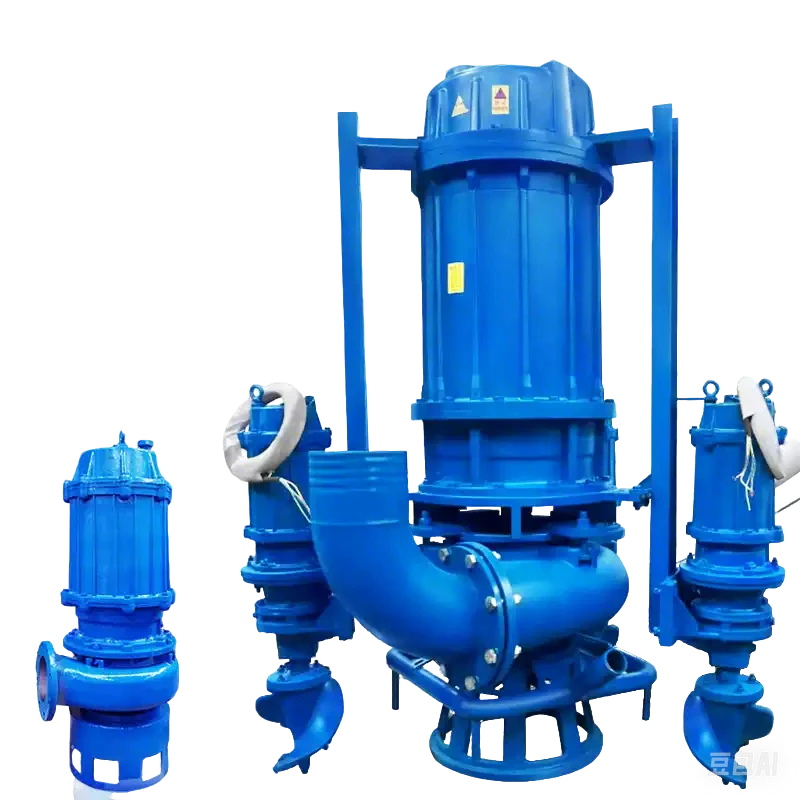
Slurry pump suction piping represents a critical component in industrial processes involving the transport of abrasive and corrosive fluids. This piping system, responsible for drawing slurry into the pump, differs significantly from standard fluid conveyance systems due to the demanding service conditions. Its performance directly impacts pump efficiency, longevity, and overall system reliability. The selection and implementation of suitable suction piping materials, dimensions, and installation practices are paramount to prevent cavitation, erosion, and premature failure. This guide provides a comprehensive technical overview of slurry pump suction piping, encompassing material science, manufacturing considerations, performance engineering, failure analysis, and relevant industry standards. Core industry pain points include premature pipe wall thinning due to erosion-corrosion, inadequate NPSH available leading to pump cavitation, and frequent maintenance shutdowns due to piping failures. Addressing these challenges requires a detailed understanding of slurry characteristics and the limitations of various piping materials.
Material Science & Manufacturing
The selection of materials for slurry pump suction piping is dictated by the slurry’s composition (particle size, concentration, and chemical properties) and the operating conditions (pressure, temperature, and flow velocity). Common materials include carbon steel (ASTM A53 Grade B), stainless steel (304, 316L), high-chrome cast iron, and engineered polymers (HDPE, UHMWPE). Carbon steel offers cost-effectiveness but is susceptible to corrosion and erosion, necessitating protective coatings (epoxy, rubber linings). Stainless steels provide enhanced corrosion resistance, particularly 316L due to its molybdenum content, but are more expensive. High-chrome cast iron combines excellent abrasion resistance with good corrosion resistance, making it suitable for highly abrasive slurries. Engineered polymers exhibit exceptional chemical resistance but have limitations in temperature and pressure applications. Manufacturing processes include welding (SMAW, GTAW, FCAW) for steel piping, injection molding or extrusion for polymer piping, and casting for high-chrome iron piping. Key parameter control during welding involves maintaining appropriate heat input, shielding gas composition, and interpass temperature to prevent weld defects and ensure metallurgical integrity. Polymer piping manufacturing necessitates precise temperature and pressure control during extrusion or injection molding to achieve desired wall thickness and dimensional accuracy. Surface roughness, particularly on the inner diameter, is a critical manufacturing parameter, as smoother surfaces minimize friction losses and reduce slurry deposition. Post-manufacturing, Non-Destructive Testing (NDT) methods like radiographic testing (RT) and ultrasonic testing (UT) are employed to verify weld quality and detect internal flaws.
Performance & Engineering
The performance of slurry pump suction piping is heavily influenced by hydraulic considerations, including flow velocity, pressure drop, and Net Positive Suction Head (NPSH) available. Excessive flow velocity can lead to accelerated erosion and increased pressure drop, reducing pump efficiency. Pressure drop calculations, utilizing the Darcy-Weisbach equation and accounting for pipe roughness, are essential for optimizing pipe diameter. NPSH available, the absolute pressure at the pump suction inlet, must exceed the NPSH required by the pump to prevent cavitation. Cavitation occurs when the liquid pressure falls below its vapor pressure, forming vapor bubbles that collapse violently, causing pitting and erosion of the impeller and suction piping. Engineering design must include sufficient straight pipe length upstream of the pump to allow for flow development and minimize turbulence. Elbows and bends should be long-radius to reduce head loss and avoid localized erosion. Pipe support systems must be designed to withstand the weight of the piping, slurry, and any external loads, preventing sagging and excessive stress. Finite Element Analysis (FEA) can be used to assess stress distribution and optimize pipe support locations. Compliance requirements, such as those outlined by ASME B31.3 (Process Piping) and API 610 (Centrifugal Pumps), dictate material selection, design criteria, and inspection procedures. The impact of slurry density and viscosity on pump performance and piping pressure drop should be carefully considered. Consideration must be given to thermal expansion and contraction of the piping system, especially in extreme temperature environments.
Technical Specifications
| Parameter | Carbon Steel (A53 Grade B) | Stainless Steel (316L) | High-Chrome Cast Iron | HDPE (High-Density Polyethylene) |
|---|---|---|---|---|
| Tensile Strength (MPa) | 485 | 517 | >400 | 20-35 |
| Yield Strength (MPa) | 310 | 276 | >300 | 10-20 |
| Hardness (Brinell) | 180-210 | 200-250 | 500-700 | 30-60 |
| Corrosion Rate (mm/year in seawater) | 0.05-0.1 | <0.01 | <0.01 | 0.001 |
| Erosion Rate (mm/year in abrasive slurry) | 0.2-0.5 | 0.1-0.3 | 0.05-0.1 | 0.01-0.05 |
| Maximum Operating Temperature (°C) | 260 | 300 | 300 | 60 |
Failure Mode & Maintenance
Slurry pump suction piping is susceptible to several failure modes. Erosion-corrosion, a combined effect of abrasive particle impact and corrosive fluid attack, is a primary cause of wall thinning and leaks. Cavitation, as previously discussed, leads to pitting and erosion of the pipe’s internal surface. Fatigue cracking can occur due to cyclic loading and stress concentrations, particularly at weld joints. Delamination can occur in lined pipes if the lining becomes detached from the base metal. Oxidation, particularly in carbon steel piping exposed to high temperatures, can weaken the material and promote corrosion. Regular inspections, utilizing visual inspection, ultrasonic thickness testing (UTT), and radiographic testing (RT), are crucial for detecting early signs of damage. Maintenance procedures include periodic cleaning to remove slurry deposits, repair of minor corrosion or erosion damage through welding or patching, and replacement of severely damaged sections. Protective coatings (rubber linings, epoxy coatings) should be regularly inspected for damage and reapplied as needed. Proper pipe support maintenance, ensuring supports are secure and adequately loaded, prevents stress on the piping. Implementing a preventative maintenance schedule, based on operating conditions and slurry characteristics, minimizes the risk of unplanned shutdowns and extends piping life. Regular monitoring of NPSH available is vital to avoid cavitation damage. Consideration should be given to the implementation of corrosion monitoring systems, such as electrochemical noise (ECN) measurements, to assess corrosion rates in real-time.
Industry FAQ
Q: What is the most effective method for mitigating cavitation in slurry pump suction piping?
A: The most effective method involves ensuring adequate NPSH available. This can be achieved by increasing the suction tank height, reducing suction pipe length and diameter, minimizing flow restrictions in the suction line, and maintaining a consistent slurry supply. Regular monitoring of NPSH available is also crucial. Consideration should be given to utilizing an inducer if NPSH available remains insufficient.
Q: How do I select the appropriate lining material for carbon steel suction piping handling a highly abrasive slurry?
A: Selection depends on slurry characteristics. Rubber linings (natural rubber, synthetic rubber) are generally effective for abrasive slurries but may have limited chemical resistance. Epoxy coatings offer good chemical resistance but are less abrasion-resistant. Ceramic linings provide excellent abrasion and corrosion resistance but are more expensive and require specialized installation. A thorough assessment of the slurry's particle size, shape, and chemical composition is necessary.
Q: What is the recommended weld procedure specification (WPS) for joining high-chrome cast iron suction piping?
A: Welding high-chrome cast iron is challenging due to its high carbon content and susceptibility to cracking. Preheat to 200-300°C is essential. Use a nickel-based filler metal specifically designed for high-chrome cast iron. Slow cooling rates are crucial to minimize residual stress. Post-weld heat treatment (PWHT) may be required to relieve stress and improve ductility. A qualified welding procedure specification (WPS) and welder performance qualification (PQR) are mandatory.
Q: What are the key considerations when designing pipe supports for slurry pump suction piping?
A: Pipe supports must adequately support the weight of the piping, slurry, and any external loads. They should be designed to minimize stress concentrations and prevent excessive pipe deflection. Consideration must be given to thermal expansion and contraction of the piping system. Supports should be accessible for inspection and maintenance. Variable spring supports are often used to accommodate thermal movement.
Q: How often should ultrasonic thickness testing (UTT) be performed on slurry pump suction piping?
A: The frequency of UTT depends on the severity of the service conditions and the material of construction. For carbon steel piping handling highly abrasive slurries, annual UTT is recommended. For stainless steel or high-chrome cast iron piping, inspections may be performed less frequently (e.g., every 2-3 years). UTT should also be performed after any major repairs or modifications to the piping system.
Conclusion
Slurry pump suction piping is a critical, yet often overlooked, component in many industrial processes. Proper material selection, informed by a thorough understanding of slurry characteristics and operating conditions, is fundamental to ensuring long-term reliability and minimizing downtime. Engineering design must prioritize hydraulic performance, NPSH availability, and stress management to prevent cavitation, erosion, and fatigue failure. A robust inspection and maintenance program, incorporating regular UTT and visual inspections, is essential for detecting and addressing potential issues before they escalate into costly repairs or system failures.
Future advancements in materials science, such as the development of new abrasion-resistant alloys and coatings, will continue to improve the performance and longevity of slurry pump suction piping systems. The increasing use of predictive maintenance techniques, leveraging sensor data and machine learning algorithms, will enable more proactive and efficient maintenance strategies. A holistic approach, integrating design, materials, installation, and maintenance, is vital for optimizing the overall performance and lifespan of slurry pump suction piping.
-
Precision at the Pump: How Better Machining Protects Flow and Uptime
News2026-11-20
-
Why Pump Reliability Begins Before the First Drop of Fluid
News2026-11-20
-
Beyond the Pump: Designing Safer Access Around Critical Water Infrastructure
News2026-11-20
-
Why Pumping Stations Depend on the Infrastructure Beneath the Pumps
News2026-11-20
-
Beyond the Pump Room: How Smarter Loading Protects Industrial Equipment
News2026-11-19
-
When Pumps Stop: Designing More Resilient Power for Critical Pumping Systems
News2026-11-19
-
The Hidden Role of Dust and Gas Monitoring in Reliable Pump Operations
News2026-11-19
-
The Hidden Role of Mineral Compounds in Extending Industrial Pump Lifespan
News2026-10-12
-
Why Pump System Reliability Depends on Precision Hose Assembly Methods
News2026-09-15
-
How Advanced Imaging Films Are Transforming Pump Component Quality Control
News2026-08-25
-
How Advanced Filtration Protects Pump Systems from Premature Wear and Costly Downtime
News2026-08-25
-
How Steel Material Selection Drives Pump Reliability in Heavy-Duty Systems
News2026-08-25
-
Ensuring Pump System Efficiency: The Role of High-Quality Pipe Fittings and Tubing
News2026-08-24
-
Optimizing Fluid Dynamics and Material Consistency in Industrial Processing
News2026-08-18
-
Innovations and Challenges in Hydraulic Systems for Heavy Machinery
News2026-08-13




