English
- Afrikaans
- Albanian
- Amharic
- Arabic
- Armenian
- Azerbaijani
- Basque
- Belarusian
- Bengali
- Bosnian
- Bulgarian
- Catalan
- Cebuano
- Corsican
- Croatian
- Czech
- Danish
- Dutch
- English
- Esperanto
- Estonian
- Finnish
- French
- Frisian
- Galician
- Georgian
- German
- Greek
- Gujarati
- Haitian Creole
- hausa
- hawaiian
- Hebrew
- Hindi
- Miao
- Hungarian
- Icelandic
- igbo
- Indonesian
- irish
- Italian
- Japanese
- Javanese
- Kannada
- kazakh
- Khmer
- Rwandese
- Korean
- Kurdish
- Kyrgyz
- Lao
- Latin
- Latvian
- Lithuanian
- Luxembourgish
- Macedonian
- Malgashi
- Malay
- Malayalam
- Maltese
- Maori
- Marathi
- Mongolian
- Myanmar
- Nepali
- Norwegian
- Norwegian
- Occitan
- Pashto
- Persian
- Polish
- Portuguese
- Punjabi
- Romanian
- Russian
- Samoan
- Scottish Gaelic
- Serbian
- Sesotho
- Shona
- Sindhi
- Sinhala
- Slovak
- Slovenian
- Somali
- Spanish
- Sundanese
- Swahili
- Swedish
- Tagalog
- Tajik
- Tamil
- Tatar
- Telugu
- Thai
- Turkish
- Turkmen
- Ukrainian
- Urdu
- Uighur
- Uzbek
- Vietnamese
- Welsh
- Bantu
- Yiddish
- Yoruba
- Zulu

Telephone: +86 13120555503
Email: frank@cypump.com


Apr . 01, 2024 17:55 Back to list
slurry pump spares Material Science
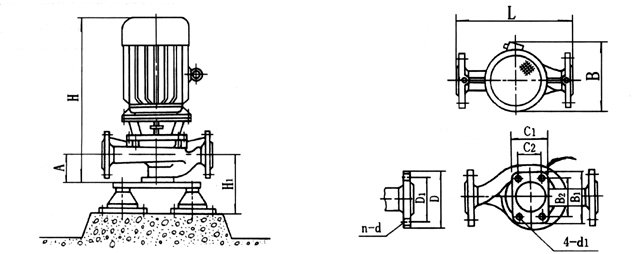
Introduction
Slurry pump spares represent critical components utilized in the maintenance, repair, and overhaul of slurry pumps. These pumps are specifically engineered to transport abrasive, erosive, and corrosive mixtures—commonly referred to as slurries—across a wide range of industrial applications including mining, wastewater treatment, dredging, chemical processing, and power generation. The spares encompass a diverse array of parts, from wear-resistant liners and impellers to mechanical seals, bearings, and shaft sleeves. Maintaining a robust inventory of high-quality slurry pump spares is paramount for minimizing downtime, reducing operational costs, and ensuring the long-term reliability of slurry pumping systems. This guide provides an in-depth technical overview of slurry pump spares, covering material science, manufacturing processes, performance characteristics, failure modes, and relevant industry standards. The selection of appropriate spares directly impacts the pump's efficiency, lifespan, and ability to withstand the challenges presented by aggressive slurry compositions.
Material Science & Manufacturing
Slurry pump spares are subjected to extreme operating conditions, necessitating the use of specialized materials and precise manufacturing techniques. Impellers and liners are frequently manufactured from high-chromium cast irons (typically 19-27% Cr) due to their excellent abrasion resistance. The chromium carbides formed within the iron matrix provide hardness and resistance to wear from solid particle impact. Alternatively, white cast irons, with their high cementite content, are used in applications with lower impact velocities but still require substantial abrasion resistance. For highly corrosive environments, duplex stainless steels (e.g., 2205, 2507) and super austenitic stainless steels (e.g., Alloy 2904) are employed for components like pump casings, volutes, and shafts. These materials offer superior resistance to pitting, crevice corrosion, and stress corrosion cracking. Rubber liners, often manufactured from natural rubber or synthetic elastomers like EPDM or chloroprene, provide excellent erosion resistance and noise dampening, particularly for low-velocity slurries. Shafts are typically forged from carbon steel alloys (e.g., 4140, 4340) and hardened to achieve high tensile strength and torsional rigidity. Manufacturing processes include sand casting, investment casting (lost-wax casting) for complex impeller geometries, and precision machining for components requiring tight tolerances. Welding processes, such as shielded metal arc welding (SMAW) and gas tungsten arc welding (GTAW), are used for repairing worn components or fabricating pump casings. Parameter control is crucial: proper heat treatment after casting and welding is essential to achieve desired material properties and prevent cracking. Surface hardening techniques like induction hardening or thermal spraying (e.g., HVOF) can further enhance wear resistance of critical surfaces.
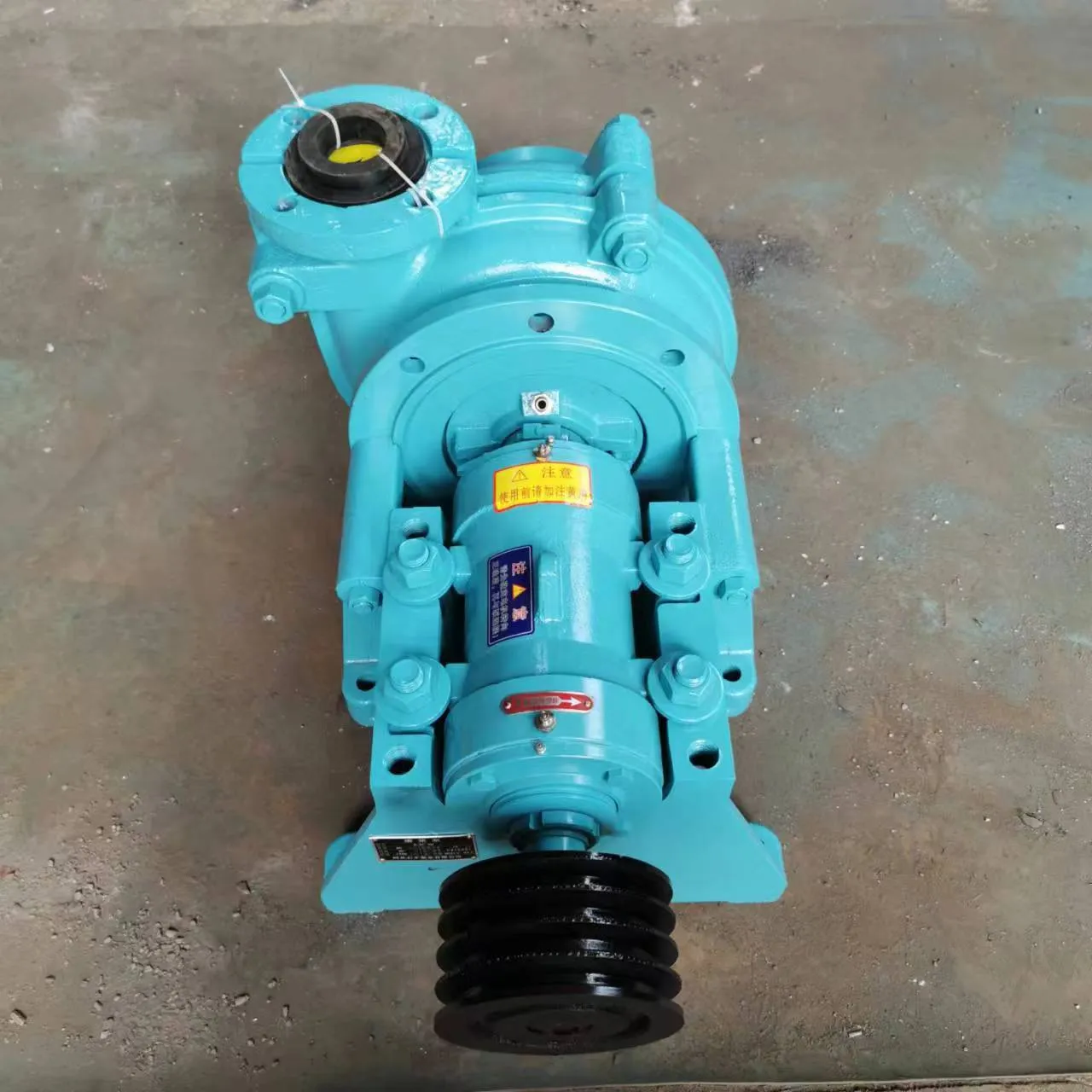
Performance & Engineering
The performance of slurry pump spares is intricately linked to fluid dynamics and mechanical engineering principles. Impeller design, including blade angle, width, and number of vanes, significantly impacts the pump's head, flow rate, and efficiency. Computational Fluid Dynamics (CFD) modeling is widely used to optimize impeller geometry for specific slurry characteristics. Shaft design must account for bending moments and torsional stresses induced by the impeller and fluid forces. Bearing selection (e.g., ball bearings, roller bearings, hydrostatic bearings) is critical for minimizing friction, supporting radial and axial loads, and ensuring long-term reliability. Mechanical seals are vital for preventing leakage of slurry and maintaining pump efficiency. Seal materials and designs must be compatible with the slurry composition and operating pressure. The pump’s Net Positive Suction Head Required (NPSHr) is a critical parameter, and the selection of spares (particularly the impeller inlet geometry) must ensure sufficient NPSHa (Net Positive Suction Head Available) to prevent cavitation. Cavitation causes localized erosion and dramatically reduces the lifespan of pump components. Furthermore, the wear rate of spares is directly correlated with slurry characteristics such as particle size, hardness, concentration, and flow velocity. Environmental resistance considerations include corrosion rates in specific chemical environments and the effects of temperature on material properties. Compliance requirements, particularly regarding material traceability and non-destructive testing (NDT), are often mandated by industry regulations and customer specifications.
Technical Specifications
| Component | Material Grade | Hardness (BHN) | Typical Operating Temperature (°C) |
|---|---|---|---|
| Impeller | High-Chromium Cast Iron (27% Cr) | 550-650 | -30 to 150 |
| Liner | Natural Rubber | 60 Shore A | -40 to 80 |
| Shaft | Forged Carbon Steel (4140) | 250-300 | -20 to 200 |
| Casing | Duplex Stainless Steel (2205) | 280-320 | -50 to 180 |
| Mechanical Seal Face | Silicon Carbide (SiC) | 900-1000 | -30 to 200 |
| Bearing (Roller) | Chrome Steel (52100) | 58-62 HRC | -40 to 120 |
Failure Mode & Maintenance
Slurry pump spares are susceptible to a variety of failure modes, primarily driven by the abrasive, erosive, and corrosive nature of the transported slurries. Impeller and liner wear is the most common failure mode, manifesting as gradual material loss due to solid particle impact and erosion. Cavitation erosion, caused by the collapse of vapor bubbles, leads to pitting and localized damage, particularly on impeller blades. Corrosion, especially in acidic or alkaline slurries, can result in material degradation and component failure. Shaft failure can occur due to fatigue cracking, bending fatigue, or torsional shear. Mechanical seal failure is often caused by abrasive particles, dry running, or incompatibility with the slurry composition. Bearing failure can result from fatigue, lubrication failure, or contamination. Preventative maintenance is critical for mitigating these failures. Regular inspections should be conducted to identify wear patterns, cracks, and corrosion. Component replacement should be scheduled based on wear rate analysis and operating hours. Proper lubrication of bearings is essential. Seal flushing systems should be implemented to remove abrasive particles from the seal faces. Regular monitoring of pump performance parameters (e.g., head, flow rate, power consumption) can provide early warning signs of potential failures. Non-destructive testing (NDT) methods, such as ultrasonic testing and radiographic inspection, can detect internal flaws and cracks before they lead to catastrophic failure. Maintaining accurate records of spare parts usage, maintenance activities, and failure analysis is vital for optimizing maintenance strategies and reducing downtime.
Industry FAQ
Q: What is the optimal replacement interval for slurry pump liners?
A: The optimal replacement interval for liners depends heavily on the slurry’s abrasiveness, flow velocity, and operating hours. A general guideline is to inspect liners every 3-6 months, measuring wear depth. Replacement is typically recommended when the liner thickness is reduced by 10-20% of its original dimension. Implementing a wear rate tracking system based on historical data is crucial for accurately predicting liner lifespan.
Q: How do I select the appropriate material for a pump casing when handling a highly corrosive slurry?
A: For highly corrosive slurries, duplex stainless steels (2205, 2507) and super austenitic stainless steels are generally preferred. The selection should be based on the specific chemical composition of the slurry and the anticipated corrosion rates. Conducting corrosion testing, such as immersion tests or electrochemical measurements, is recommended to verify material compatibility.
Q: What are the key indicators of mechanical seal failure?
A: Key indicators of mechanical seal failure include visible leakage, increased noise, elevated operating temperature around the seal, and a sudden drop in pump performance. Regular monitoring of seal flushing fluid for abrasive particles can also provide early warning signs.
Q: What role does NPSH play in the longevity of slurry pump spares?
A: Insufficient Net Positive Suction Head Available (NPSHa) relative to the pump’s Net Positive Suction Head Required (NPSHr) leads to cavitation, which causes severe erosion damage to the impeller and liners, significantly reducing their lifespan. Ensuring adequate NPSHa is paramount for preventing premature failure.
Q: Can I repair a worn impeller, or is replacement always necessary?
A: Minor wear on impellers can sometimes be repaired using welding or thermal spraying techniques. However, significant wear or damage, particularly if it affects the impeller’s hydraulic profile, typically necessitates replacement. Repairing an impeller requires careful consideration of material properties and the potential for introducing residual stresses.
Conclusion
The effective management of slurry pump spares is a cornerstone of reliable and cost-effective slurry pumping operations. Selecting appropriate materials, employing robust manufacturing processes, and implementing proactive maintenance strategies are all crucial for maximizing component lifespan and minimizing downtime. Understanding the complex interplay between slurry characteristics, pump design, and material science is essential for optimizing spare parts selection and extending the operational life of slurry pump systems.
Future advancements in materials science, such as the development of novel wear-resistant alloys and coatings, promise to further enhance the performance and durability of slurry pump spares. The integration of predictive maintenance technologies, leveraging sensor data and machine learning algorithms, will enable more accurate forecasting of component failures and optimized maintenance scheduling, ultimately driving down operational costs and improving overall system reliability.
-
Precision at the Pump: How Better Machining Protects Flow and Uptime
News2026-11-20
-
Why Pump Reliability Begins Before the First Drop of Fluid
News2026-11-20
-
Beyond the Pump: Designing Safer Access Around Critical Water Infrastructure
News2026-11-20
-
Why Pumping Stations Depend on the Infrastructure Beneath the Pumps
News2026-11-20
-
Beyond the Pump Room: How Smarter Loading Protects Industrial Equipment
News2026-11-19
-
When Pumps Stop: Designing More Resilient Power for Critical Pumping Systems
News2026-11-19
-
The Hidden Role of Dust and Gas Monitoring in Reliable Pump Operations
News2026-11-19
-
The Hidden Role of Mineral Compounds in Extending Industrial Pump Lifespan
News2026-10-12
-
Why Pump System Reliability Depends on Precision Hose Assembly Methods
News2026-09-15
-
How Advanced Imaging Films Are Transforming Pump Component Quality Control
News2026-08-25
-
How Advanced Filtration Protects Pump Systems from Premature Wear and Costly Downtime
News2026-08-25
-
How Steel Material Selection Drives Pump Reliability in Heavy-Duty Systems
News2026-08-25
-
Ensuring Pump System Efficiency: The Role of High-Quality Pipe Fittings and Tubing
News2026-08-24
-
Optimizing Fluid Dynamics and Material Consistency in Industrial Processing
News2026-08-18
-
Innovations and Challenges in Hydraulic Systems for Heavy Machinery
News2026-08-13




