English
- Afrikaans
- Albanian
- Amharic
- Arabic
- Armenian
- Azerbaijani
- Basque
- Belarusian
- Bengali
- Bosnian
- Bulgarian
- Catalan
- Cebuano
- Corsican
- Croatian
- Czech
- Danish
- Dutch
- English
- Esperanto
- Estonian
- Finnish
- French
- Frisian
- Galician
- Georgian
- German
- Greek
- Gujarati
- Haitian Creole
- hausa
- hawaiian
- Hebrew
- Hindi
- Miao
- Hungarian
- Icelandic
- igbo
- Indonesian
- irish
- Italian
- Japanese
- Javanese
- Kannada
- kazakh
- Khmer
- Rwandese
- Korean
- Kurdish
- Kyrgyz
- Lao
- Latin
- Latvian
- Lithuanian
- Luxembourgish
- Macedonian
- Malgashi
- Malay
- Malayalam
- Maltese
- Maori
- Marathi
- Mongolian
- Myanmar
- Nepali
- Norwegian
- Norwegian
- Occitan
- Pashto
- Persian
- Polish
- Portuguese
- Punjabi
- Romanian
- Russian
- Samoan
- Scottish Gaelic
- Serbian
- Sesotho
- Shona
- Sindhi
- Sinhala
- Slovak
- Slovenian
- Somali
- Spanish
- Sundanese
- Swahili
- Swedish
- Tagalog
- Tajik
- Tamil
- Tatar
- Telugu
- Thai
- Turkish
- Turkmen
- Ukrainian
- Urdu
- Uighur
- Uzbek
- Vietnamese
- Welsh
- Bantu
- Yiddish
- Yoruba
- Zulu

Telephone: +86 13120555503
Email: frank@cypump.com


Apr . 01, 2024 17:55 Back to list
slurry pump spare parts volute liner Material Analysis
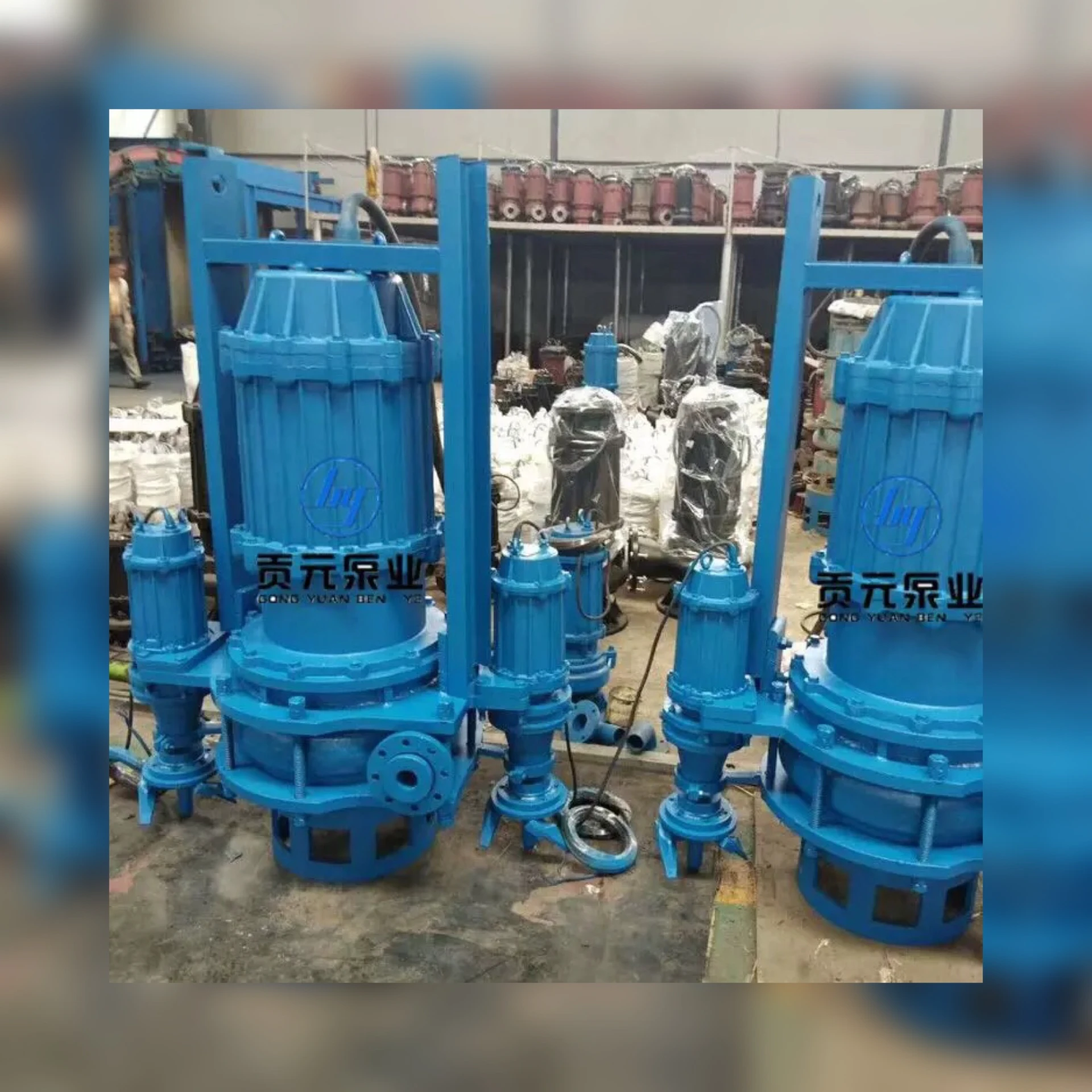
Introduction
The volute liner is a critical wear component within slurry pumps, serving as the interface between the impeller and the pump casing. Its primary function is to convert kinetic energy from the impeller into static pressure, efficiently guiding the slurry flow towards the discharge outlet. Volute liners are particularly essential in abrasive slurry applications, protecting the more expensive pump casing from erosion and maximizing pump efficiency. This guide provides a detailed analysis of volute liner material science, manufacturing processes, performance considerations, failure modes, and industry standards pertaining to slurry pump spare parts. The increasing demand for reliable and cost-effective slurry handling solutions across mining, dredging, and industrial wastewater treatment drives the ongoing need for optimized volute liner design and material selection. Proper selection extends pump life, reduces downtime, and minimizes total cost of ownership.
Material Science & Manufacturing
Volute liners are commonly manufactured from high-chromium cast iron alloys (typically 27% Cr), offering excellent abrasion resistance. Other materials include high-hardness white iron alloys, ceramic materials (alumina, silicon carbide), and rubber linings, each selected based on specific slurry characteristics and operating conditions. The selection is based on the slurry’s pH, particle size distribution, impact angle, and concentration. Chromium carbide precipitates within the iron matrix provide the primary wear resistance mechanism. Manufacturing typically involves sand casting, with subsequent heat treatment to refine the microstructure and enhance hardness. Shell molding or investment casting are employed for complex geometries or tighter tolerances. Key manufacturing parameters include melt composition, pouring temperature, cooling rate, and heat treatment cycle. Insufficient chromium content or improper heat treatment can lead to reduced abrasion resistance and premature failure. For ceramic liners, sintering or slip casting processes are used, demanding precise control of particle size, sintering temperature, and atmosphere to achieve desired density and strength. Rubber liners are often produced via vulcanization of natural or synthetic rubber compounds, ensuring adequate bonding to the metal substrate. The bonding process is critical to prevent delamination, and surface preparation, including grit blasting, is essential.
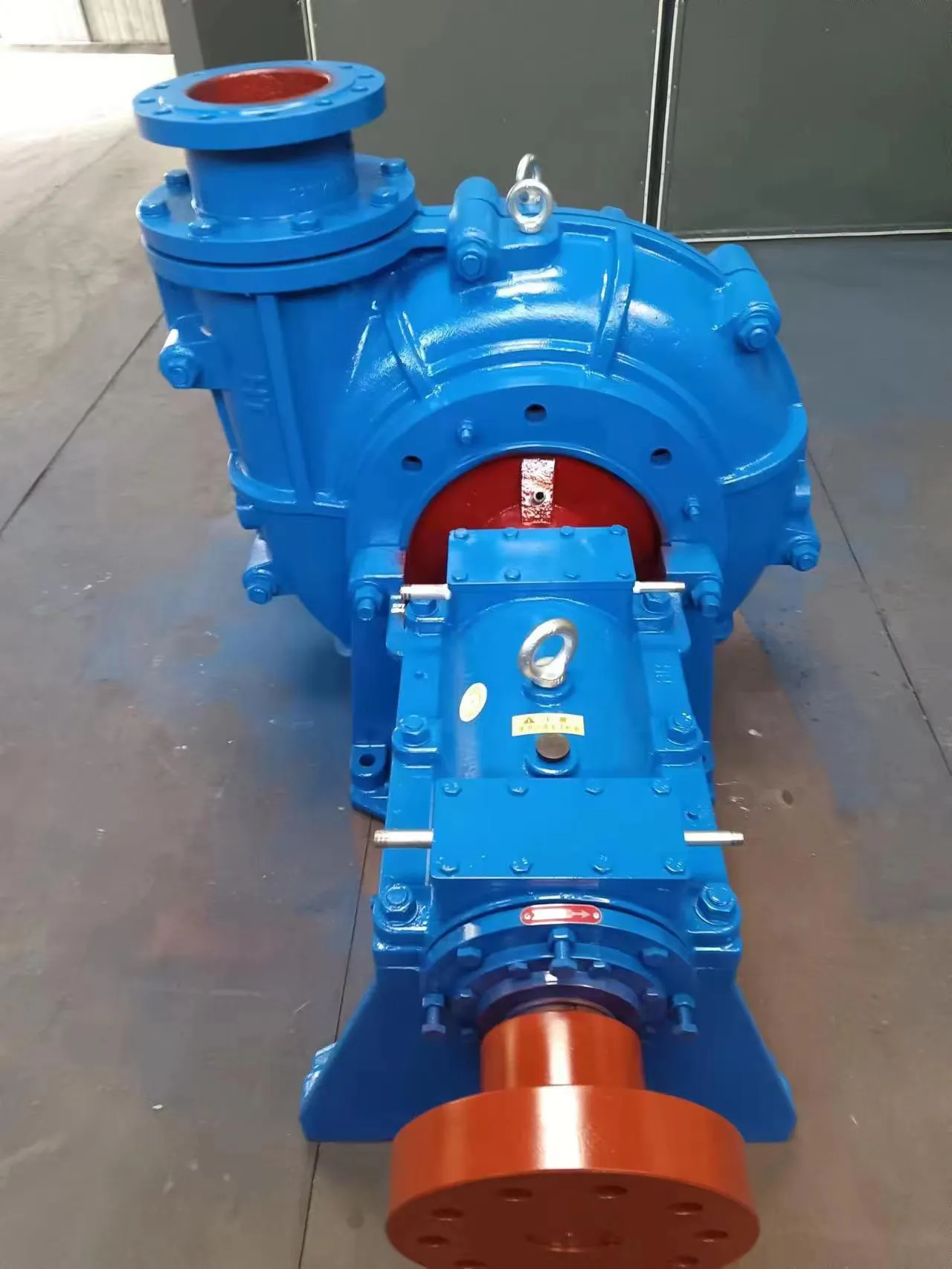
Performance & Engineering
Volute liner performance is directly linked to its hydraulic efficiency and resistance to wear. Hydraulic design focuses on minimizing turbulence and energy losses within the volute, optimizing flow velocity profiles and pressure distribution. Finite Element Analysis (FEA) is frequently used to model stress distribution under varying operating conditions, predicting wear patterns and optimizing liner geometry. Factors such as impeller diameter, impeller speed, flow rate, and slurry density significantly influence the forces acting on the liner. The angle of impact between the slurry particles and the liner surface is critical; a lower impact angle generally results in less localized wear. Corrosion resistance is also a crucial performance parameter, particularly in acidic or alkaline slurries. The liner material’s electrochemical potential must be compatible with the slurry composition to prevent galvanic corrosion. Engineering calculations involve determining the required liner thickness to withstand predicted wear rates over the desired service life. Liner geometry must also accommodate thermal expansion and contraction to avoid stress concentrations and potential cracking. Compliance requirements often dictate specific material certifications and non-destructive testing procedures (e.g., liquid penetrant inspection, ultrasonic testing) to ensure structural integrity.
Technical Specifications
| Material | Hardness (BHN) | Tensile Strength (MPa) | Impact Strength (J) |
|---|---|---|---|
| High-Chromium Cast Iron (27% Cr) | 550-650 | 400-600 | 20-30 |
| White Iron Alloy | 600-700 | 500-700 | 10-20 |
| Alumina Ceramic | 900-1200 (Vickers) | 300-500 | 5-10 |
| Natural Rubber | 40-60 (Shore A) | 10-20 | 50-100 |
| Silicon Carbide Ceramic | 2500-3000 (Vickers) | 400-600 | 2-5 |
| Polyurethane Rubber | 70-90 (Shore A) | 20-30 | 80-150 |
Failure Mode & Maintenance
Common failure modes of volute liners include abrasive wear, erosion, corrosion, and fatigue cracking. Abrasive wear, caused by the impact of solid particles, is the most prevalent failure mechanism. Erosion occurs due to the high-velocity flow of the slurry, particularly at the inlet and discharge areas. Corrosion can result from chemical reactions between the liner material and the slurry components. Fatigue cracking can occur due to cyclic loading and stress concentrations. Failure analysis often involves microscopic examination of the fracture surface to determine the dominant failure mode. Regular inspection is crucial for identifying early signs of wear, such as decreased pump efficiency or increased vibration levels. Preventive maintenance includes periodic replacement of the liner based on operating hours or wear measurements. Surface coating techniques, such as hardfacing or ceramic coatings, can extend liner life by enhancing wear resistance. Proper impeller alignment and pump operation are essential to minimize stress on the liner. In cases of severe corrosion, selecting a more corrosion-resistant material or implementing corrosion inhibitors can mitigate the issue. When replacing liners, careful attention must be paid to proper seating and sealing to prevent leakage.
Industry FAQ
Q: What is the optimal material selection for a highly abrasive slurry containing sharp, angular particles?
A: For highly abrasive slurries with sharp, angular particles, high-chromium cast iron (27% Cr) is generally the preferred material. Its high hardness and abrasion resistance provide excellent protection against erosion. While ceramic materials offer superior hardness, they are more brittle and susceptible to impact damage from large, angular particles. Consider hardfacing techniques to further enhance wear resistance in critical areas.
Q: How does slurry velocity impact the wear rate of a volute liner?
A: Slurry velocity has a significant impact on the wear rate. Higher velocities increase the kinetic energy of the particles, resulting in more severe erosion. Optimizing pump speed and flow rate to minimize unnecessary velocity is crucial. Liner geometry can also be designed to reduce turbulence and velocity gradients, mitigating erosion.
Q: What non-destructive testing methods are commonly used to assess the condition of a volute liner?
A: Common non-destructive testing methods include visual inspection for cracks and wear patterns, liquid penetrant inspection to detect surface cracks, ultrasonic testing to measure liner thickness and detect subsurface defects, and radiographic testing for comprehensive internal inspection. Regular NDT helps identify potential failures before they occur.
Q: How can I determine the appropriate replacement interval for a volute liner?
A: The replacement interval depends on the slurry characteristics, operating conditions, and liner material. Monitoring pump performance (flow rate, head, efficiency) and tracking wear measurements over time can establish a trend. Implementing a planned maintenance schedule based on operating hours or wear limits is recommended. Consider performing periodic inspections to assess the liner’s condition.
Q: What are the consequences of operating a slurry pump with a severely worn volute liner?
A: Operating a slurry pump with a severely worn volute liner can lead to several consequences, including reduced pump efficiency, increased energy consumption, decreased flow rate, increased vibration, potential impeller damage, and ultimately, pump failure. It also compromises the pump's ability to maintain the desired system pressure and can lead to unscheduled downtime and costly repairs.
Conclusion
The volute liner is an indispensable component of slurry pumps, playing a vital role in protecting the pump casing and maintaining hydraulic efficiency. Selecting the appropriate liner material based on slurry characteristics and operating conditions is paramount. Understanding the common failure modes and implementing a robust maintenance program are crucial for maximizing liner life and minimizing downtime. Careful consideration of material science, manufacturing processes, and performance engineering principles allows for optimal volute liner design and application.
Future advancements in volute liner technology will likely focus on developing new materials with enhanced wear resistance, corrosion resistance, and impact strength. The implementation of advanced monitoring systems and predictive maintenance algorithms will enable more precise wear prediction and optimized replacement scheduling. Continued research into hydrodynamic design and surface modification techniques will further improve liner performance and extend service life, leading to more efficient and reliable slurry handling solutions.
-
Precision at the Pump: How Better Machining Protects Flow and Uptime
News2026-11-20
-
Why Pump Reliability Begins Before the First Drop of Fluid
News2026-11-20
-
Beyond the Pump: Designing Safer Access Around Critical Water Infrastructure
News2026-11-20
-
Why Pumping Stations Depend on the Infrastructure Beneath the Pumps
News2026-11-20
-
Beyond the Pump Room: How Smarter Loading Protects Industrial Equipment
News2026-11-19
-
When Pumps Stop: Designing More Resilient Power for Critical Pumping Systems
News2026-11-19
-
The Hidden Role of Dust and Gas Monitoring in Reliable Pump Operations
News2026-11-19
-
The Hidden Role of Mineral Compounds in Extending Industrial Pump Lifespan
News2026-10-12
-
Why Pump System Reliability Depends on Precision Hose Assembly Methods
News2026-09-15
-
How Advanced Imaging Films Are Transforming Pump Component Quality Control
News2026-08-25
-
How Advanced Filtration Protects Pump Systems from Premature Wear and Costly Downtime
News2026-08-25
-
How Steel Material Selection Drives Pump Reliability in Heavy-Duty Systems
News2026-08-25
-
Ensuring Pump System Efficiency: The Role of High-Quality Pipe Fittings and Tubing
News2026-08-24
-
Optimizing Fluid Dynamics and Material Consistency in Industrial Processing
News2026-08-18
-
Innovations and Challenges in Hydraulic Systems for Heavy Machinery
News2026-08-13




