English
- Afrikaans
- Albanian
- Amharic
- Arabic
- Armenian
- Azerbaijani
- Basque
- Belarusian
- Bengali
- Bosnian
- Bulgarian
- Catalan
- Cebuano
- Corsican
- Croatian
- Czech
- Danish
- Dutch
- English
- Esperanto
- Estonian
- Finnish
- French
- Frisian
- Galician
- Georgian
- German
- Greek
- Gujarati
- Haitian Creole
- hausa
- hawaiian
- Hebrew
- Hindi
- Miao
- Hungarian
- Icelandic
- igbo
- Indonesian
- irish
- Italian
- Japanese
- Javanese
- Kannada
- kazakh
- Khmer
- Rwandese
- Korean
- Kurdish
- Kyrgyz
- Lao
- Latin
- Latvian
- Lithuanian
- Luxembourgish
- Macedonian
- Malgashi
- Malay
- Malayalam
- Maltese
- Maori
- Marathi
- Mongolian
- Myanmar
- Nepali
- Norwegian
- Norwegian
- Occitan
- Pashto
- Persian
- Polish
- Portuguese
- Punjabi
- Romanian
- Russian
- Samoan
- Scottish Gaelic
- Serbian
- Sesotho
- Shona
- Sindhi
- Sinhala
- Slovak
- Slovenian
- Somali
- Spanish
- Sundanese
- Swahili
- Swedish
- Tagalog
- Tajik
- Tamil
- Tatar
- Telugu
- Thai
- Turkish
- Turkmen
- Ukrainian
- Urdu
- Uighur
- Uzbek
- Vietnamese
- Welsh
- Bantu
- Yiddish
- Yoruba
- Zulu

Telephone: +86 13120555503
Email: frank@cypump.com


Apr . 01, 2024 17:55 Back to list
slurry pump spare parts factory Material Performance Analysis
Introduction
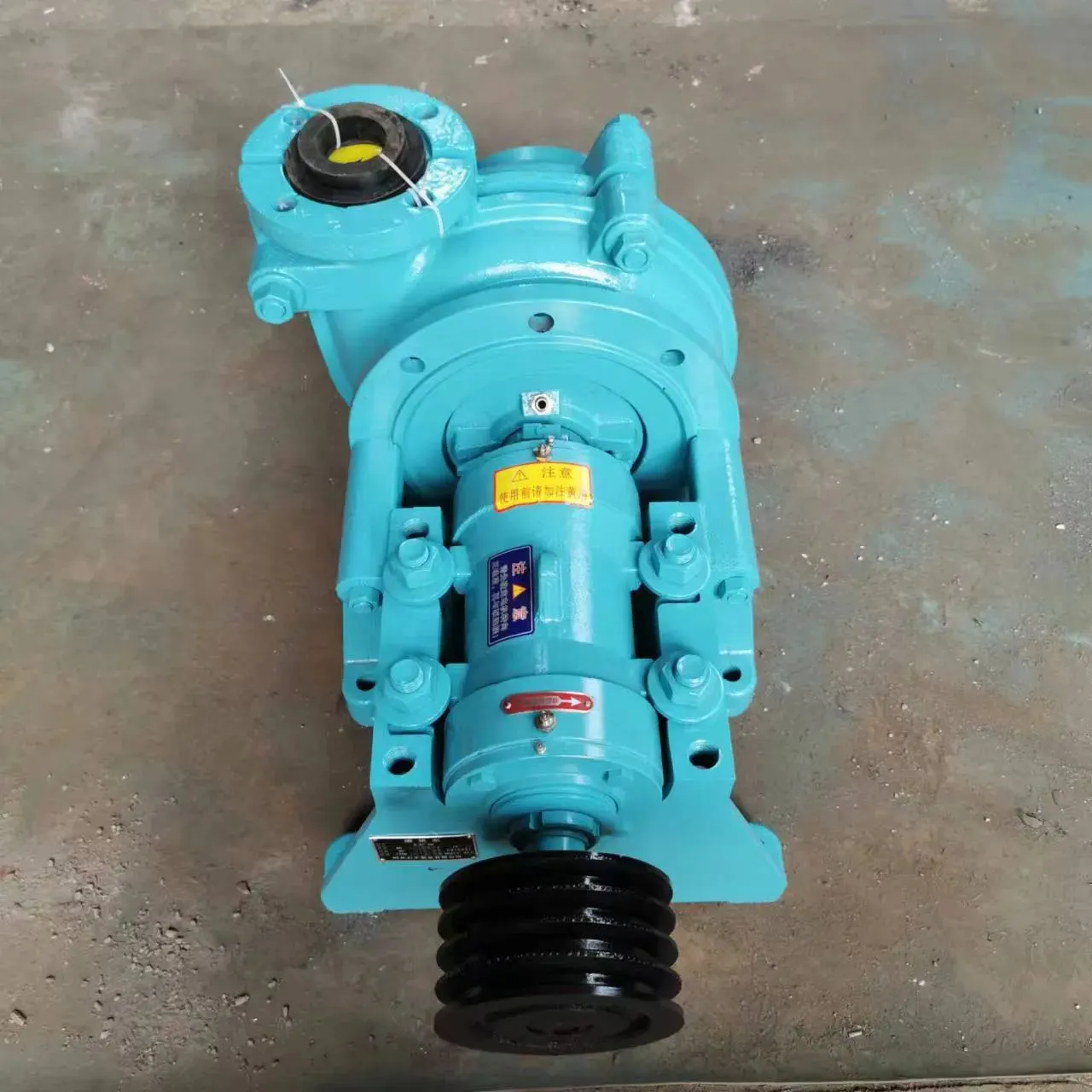
Slurry pump spare parts represent a critical component in the continuous operation of industries handling abrasive and corrosive fluids. These parts, encompassing impellers, liners, casings, seals, and shafts, are engineered to withstand the demanding conditions inherent in slurry transport. This guide provides an in-depth analysis of slurry pump spare parts, covering material science, manufacturing processes, performance characteristics, failure modes, maintenance protocols, and relevant industry standards. The increasing complexities of slurry composition, coupled with demands for enhanced efficiency and reduced downtime, necessitate a comprehensive understanding of these components. The core pain point in this industry lies in balancing material cost with operational lifespan; selecting the correct material and manufacturing process is paramount to minimizing total cost of ownership. This technical guide aims to address these challenges, providing actionable insights for procurement managers, engineers, and maintenance personnel.
Material Science & Manufacturing
The performance of slurry pump spare parts is intrinsically linked to the material selection and manufacturing processes employed. Common materials include high-chromium cast irons (typically 13-28% Cr), duplex stainless steels (e.g., 2205, 2507), ceramic materials (alumina, silicon carbide), and polymer linings (urethane, rubber). High-chromium cast irons offer excellent abrasion resistance due to the formation of hard chromium carbides, but are susceptible to corrosion. Duplex stainless steels provide a balance of strength, corrosion resistance, and abrasion resistance. Ceramics exhibit exceptional hardness and chemical inertness but are brittle and prone to impact damage. Polymer linings excel in dampening noise and providing corrosion protection but have lower abrasion resistance. Manufacturing processes vary depending on the part and material. Impellers and casings are often produced using sand casting, investment casting, or centrifugal casting. Liners can be produced by rubber molding or ceramic tiling. Shafts are typically forged and machined. Key parameter control during manufacturing includes precise alloy composition, controlled cooling rates to optimize microstructure, and dimensional accuracy to ensure proper fit and alignment. Heat treatment processes, such as hardening and tempering, are crucial for achieving desired mechanical properties. Welding processes, when required, must adhere to strict standards (AWS D1.1, for example) to prevent weld defects and maintain material integrity. The presence of porosity, inclusions, or improper heat treatment can significantly reduce component life.
Performance & Engineering
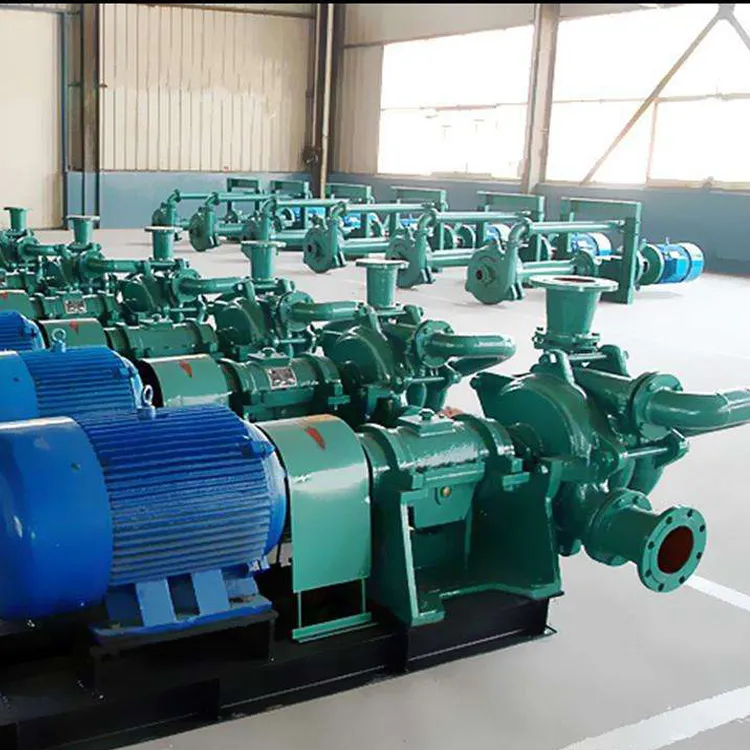
The engineering design of slurry pump spare parts focuses on mitigating the effects of erosion, corrosion, and impact. Impeller design is particularly critical, optimizing vane angles and thicknesses to maximize hydraulic efficiency and minimize wear. Computational Fluid Dynamics (CFD) modeling is frequently employed to predict flow patterns and identify areas prone to erosion. Casing design addresses hydraulic losses and provides structural support. Shaft design must account for torsional stress, bending moments, and fatigue loading. Proper selection of shaft diameter and material is crucial to prevent failure. Seal design is paramount for preventing leakage and contamination, with mechanical seals being the most common type. Seal materials must be compatible with the slurry composition and operating temperature. Environmental resistance is a significant concern, particularly in aggressive environments. Corrosion rates increase with temperature and salinity. Material selection must consider the pH of the slurry and the presence of corrosive agents such as chlorides and sulfates. Compliance requirements vary depending on the application and location, with standards such as API 610 (Centrifugal Pumps) and ISO 13709 (Petroleum and Natural Gas Industries – Pumps) often being applicable. Force analysis, including stress concentration calculations, is vital during the design phase to ensure structural integrity. Finite Element Analysis (FEA) is used to simulate stress distributions under various loading conditions.
Technical Specifications
| Component | Material Grade | Hardness (BHN) | Typical Operating pH | Maximum Slurry Solids Concentration (%) | Expected Service Life (Hours) |
|---|---|---|---|---|---|
| Impeller | High-Chromium Cast Iron (27% Cr) | 550-650 | 6-10 | 60 | 2000-5000 |
| Casing Liner | Duplex Stainless Steel (2205) | 250-350 | 1-14 | 70 | 4000-8000 |
| Shaft | 4140 Alloy Steel (Quenched & Tempered) | 280-350 | 5-9 | 50 | 6000-10000 |
| Mechanical Seal – Face Material | Silicon Carbide | 900-1100 | 2-12 | 80 | 1000-3000 |
| Volute Casing | Cast Iron (ASTM A48 Class 30) | 180-250 | 5-11 | 40 | 3000-6000 |
| Wear Plate | High-Chromium White Iron | 600-700 | 4-10 | 65 | 1500-4000 |
Failure Mode & Maintenance
Slurry pump spare parts are susceptible to various failure modes, including abrasive wear, corrosion, erosion, fatigue cracking, and impact damage. Abrasive wear is the most common failure mechanism, caused by the impact of solid particles on the component surface. Corrosion occurs when the material reacts with the slurry, leading to material loss. Erosion is a combination of abrasive wear and corrosion, accelerated by high flow velocities. Fatigue cracking can occur in shafts and impellers due to cyclic loading. Impact damage can occur when large, hard particles collide with the component. Failure analysis techniques, such as metallography, scanning electron microscopy (SEM), and X-ray diffraction (XRD), are employed to determine the root cause of failure. Preventive maintenance is crucial to minimize downtime and extend component life. Regular inspections should be conducted to identify signs of wear or corrosion. Lubrication of bearings and seals is essential to reduce friction and prevent premature failure. Proper alignment of the pump and motor is critical to prevent shaft misalignment and bearing damage. Component replacement should be based on condition monitoring data, rather than solely on time-based intervals. Vibration analysis, oil analysis, and visual inspections can provide valuable insights into component condition. When replacing parts, ensure compatibility with the existing system and adhere to manufacturer recommendations. Implementing a robust maintenance management system (CMMS) can streamline maintenance activities and improve record-keeping.
Industry FAQ
Q: What is the primary difference between high-chromium cast iron and duplex stainless steel for impeller applications?
A: While both offer abrasion resistance, high-chromium cast iron is more cost-effective but less corrosion resistant. Duplex stainless steel provides a significantly higher level of corrosion resistance, particularly in chloride-containing environments, and possesses better tensile strength, but at a higher material cost. The selection depends on the slurry’s chemical composition and the severity of the corrosive environment.
Q: How does slurry solids concentration affect the lifespan of pump liners?
A: Increasing slurry solids concentration dramatically reduces liner lifespan. Higher concentrations lead to increased abrasive wear rates and a greater risk of impact damage. Liner material selection and thickness must be adjusted accordingly. Monitoring solids concentration and implementing wear-resistant liner materials are crucial.
Q: What maintenance procedures are critical for mechanical seals to prevent premature failure?
A: Regular inspection of seal faces for wear or damage is essential. Maintaining proper lubrication and ensuring clean flushing fluid are crucial. Correct seal alignment and proper installation techniques are paramount. Monitoring seal leakage and promptly addressing any issues can prevent catastrophic failure.
Q: What role does material hardness play in the performance of slurry pump spare parts?
A: Higher hardness generally equates to improved abrasion resistance. However, excessive hardness can also lead to brittleness and increased susceptibility to impact damage. The optimal hardness level depends on the specific slurry characteristics and operating conditions. A balance between hardness and toughness is crucial.
Q: What are the key considerations when selecting a shaft material?
A: Shaft material selection must consider torsional strength, bending fatigue resistance, and corrosion resistance. Alloy steel is common, but the specific grade and heat treatment must be chosen based on the pump's operating parameters and the slurry's characteristics. Factors such as shaft diameter, operating speed, and load conditions influence the selection process.
Conclusion
The longevity and efficient operation of slurry pumps are heavily reliant on the quality and appropriate selection of spare parts. Understanding the material science, manufacturing processes, and potential failure modes is critical for minimizing downtime and maximizing return on investment. The choice between different materials – from high-chromium cast irons to duplex stainless steels and ceramics – depends on a careful evaluation of the slurry’s composition, operating conditions, and budgetary constraints.
Investing in robust maintenance programs, incorporating condition monitoring techniques, and adhering to industry standards are vital for extending component life and preventing catastrophic failures. As slurry compositions become increasingly complex and environmental regulations tighten, the demand for advanced materials and innovative pump designs will continue to grow. Prioritizing proactive maintenance and informed material selection will remain essential for ensuring reliable and cost-effective slurry transport.
-
Precision at the Pump: How Better Machining Protects Flow and Uptime
News2026-11-20
-
Why Pump Reliability Begins Before the First Drop of Fluid
News2026-11-20
-
Beyond the Pump: Designing Safer Access Around Critical Water Infrastructure
News2026-11-20
-
Why Pumping Stations Depend on the Infrastructure Beneath the Pumps
News2026-11-20
-
Beyond the Pump Room: How Smarter Loading Protects Industrial Equipment
News2026-11-19
-
When Pumps Stop: Designing More Resilient Power for Critical Pumping Systems
News2026-11-19
-
The Hidden Role of Dust and Gas Monitoring in Reliable Pump Operations
News2026-11-19
-
The Hidden Role of Mineral Compounds in Extending Industrial Pump Lifespan
News2026-10-12
-
Why Pump System Reliability Depends on Precision Hose Assembly Methods
News2026-09-15
-
How Advanced Imaging Films Are Transforming Pump Component Quality Control
News2026-08-25
-
How Advanced Filtration Protects Pump Systems from Premature Wear and Costly Downtime
News2026-08-25
-
How Steel Material Selection Drives Pump Reliability in Heavy-Duty Systems
News2026-08-25
-
Ensuring Pump System Efficiency: The Role of High-Quality Pipe Fittings and Tubing
News2026-08-24
-
Optimizing Fluid Dynamics and Material Consistency in Industrial Processing
News2026-08-18
-
Innovations and Challenges in Hydraulic Systems for Heavy Machinery
News2026-08-13




