English
- Afrikaans
- Albanian
- Amharic
- Arabic
- Armenian
- Azerbaijani
- Basque
- Belarusian
- Bengali
- Bosnian
- Bulgarian
- Catalan
- Cebuano
- Corsican
- Croatian
- Czech
- Danish
- Dutch
- English
- Esperanto
- Estonian
- Finnish
- French
- Frisian
- Galician
- Georgian
- German
- Greek
- Gujarati
- Haitian Creole
- hausa
- hawaiian
- Hebrew
- Hindi
- Miao
- Hungarian
- Icelandic
- igbo
- Indonesian
- irish
- Italian
- Japanese
- Javanese
- Kannada
- kazakh
- Khmer
- Rwandese
- Korean
- Kurdish
- Kyrgyz
- Lao
- Latin
- Latvian
- Lithuanian
- Luxembourgish
- Macedonian
- Malgashi
- Malay
- Malayalam
- Maltese
- Maori
- Marathi
- Mongolian
- Myanmar
- Nepali
- Norwegian
- Norwegian
- Occitan
- Pashto
- Persian
- Polish
- Portuguese
- Punjabi
- Romanian
- Russian
- Samoan
- Scottish Gaelic
- Serbian
- Sesotho
- Shona
- Sindhi
- Sinhala
- Slovak
- Slovenian
- Somali
- Spanish
- Sundanese
- Swahili
- Swedish
- Tagalog
- Tajik
- Tamil
- Tatar
- Telugu
- Thai
- Turkish
- Turkmen
- Ukrainian
- Urdu
- Uighur
- Uzbek
- Vietnamese
- Welsh
- Bantu
- Yiddish
- Yoruba
- Zulu

Telephone: +86 13120555503
Email: frank@cypump.com


Apr . 01, 2024 17:55 Back to list
slurry pump spare parts factories Performance Analysis
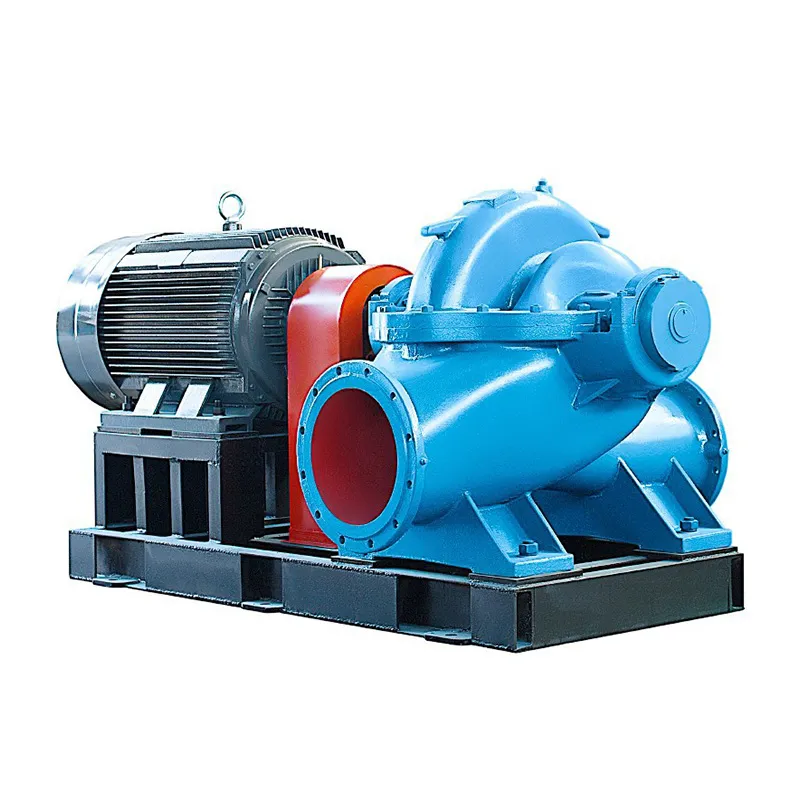
Introduction
Slurry pump spare parts represent a critical component in the continuous operation of industries reliant on the transport of abrasive or corrosive materials. These industries encompass mining, dredging, wastewater treatment, chemical processing, and oil & gas, amongst others. The performance and longevity of slurry pumps are directly tied to the quality and material composition of their constituent parts – impellers, liners, volute casings, seals, and shaft sleeves. This guide provides an in-depth technical overview of slurry pump spare parts, covering material science, manufacturing processes, performance characteristics, failure modes, and relevant industry standards. The increasing demands for improved efficiency, reduced downtime, and adherence to strict environmental regulations drive the constant evolution in the design and material selection for these components. A key industry pain point lies in accurately predicting component wear life, optimizing maintenance schedules, and mitigating the risk of catastrophic pump failure, leading to significant production losses. Understanding the interplay between slurry characteristics (particle size, concentration, and abrasiveness), pump operating conditions, and material properties is paramount for effective spare parts management and overall system reliability.
Material Science & Manufacturing
The selection of materials for slurry pump spare parts is dictated by the specific slurry composition and operating environment. Common materials include high-chrome cast iron (typically 15-30% chromium), white iron alloys (high hardness but lower toughness), stainless steels (various grades, including duplex stainless steel for superior corrosion resistance), rubber linings (for impact resistance and noise reduction), and ceramic materials (for extreme abrasion resistance). High-chrome cast iron offers a balance of hardness and toughness, making it suitable for handling moderately abrasive slurries. White iron alloys, while incredibly hard, are brittle and susceptible to cracking under impact. Stainless steels are chosen for corrosive environments, but their abrasion resistance is generally lower than chrome iron. Rubber linings are frequently used in pump casings and impellers to protect against impact damage from larger particles. Ceramic materials, like alumina and silicon carbide, are increasingly used in demanding applications where extreme abrasion resistance is required.
Manufacturing processes vary depending on the part and material. Impellers and volute casings are commonly produced via sand casting, utilizing patterns meticulously crafted for dimensional accuracy. Centrifugal casting is employed for producing bi-metallic liners – a steel shell with a wear-resistant alloy (often high-chrome) on the inner surface. Welding processes, such as shielded metal arc welding (SMAW) and flux-cored arc welding (FCAW), are critical for repairing damaged components and applying wear-resistant overlays. Rubber linings are applied using vulcanization, a process involving heat and pressure to chemically crosslink the rubber to the metal substrate. Key parameter control during manufacturing includes chemical composition verification, hardness testing (Brinell, Rockwell), dimensional inspection using coordinate measuring machines (CMM), and non-destructive testing (NDT) techniques like ultrasonic testing (UT) and radiographic testing (RT) to detect internal flaws. Heat treatment processes, such as quenching and tempering, are crucial for optimizing the mechanical properties of cast iron and steel components. Careful control of cooling rates during heat treatment is vital to prevent cracking and ensure desired microstructure.
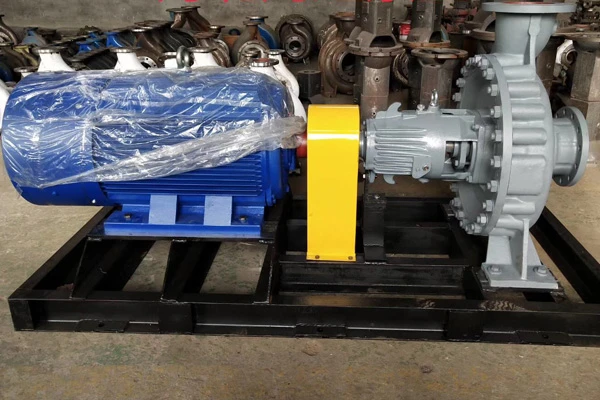
Performance & Engineering
The performance of slurry pump spare parts is fundamentally linked to their ability to withstand erosive wear, corrosive attack, and mechanical stress. Erosive wear is particularly significant, driven by the impact of solid particles within the slurry. The rate of erosion is influenced by particle size, shape, velocity, and concentration. Engineering considerations focus on optimizing component geometry to minimize turbulence and impact angles, thereby reducing erosion rates. For example, impeller vane angles are carefully designed to balance hydraulic efficiency with wear resistance. Corrosion resistance is addressed through material selection, ensuring compatibility with the chemical composition of the slurry. Galvanic corrosion, occurring when dissimilar metals are in contact within a corrosive environment, must be mitigated through careful material pairing and the use of insulating coatings.
Force analysis is critical in designing pump components to withstand hydraulic forces and mechanical loads. Finite element analysis (FEA) is commonly used to simulate stress distribution within impellers, casings, and shafts, identifying potential areas of weakness. Compliance requirements, dictated by industry-specific standards (see section 7), govern material traceability, welding procedures, and non-destructive testing protocols. Proper pump alignment is essential to minimize bearing loads and shaft deflection, extending component life. Seal performance is crucial for preventing leakage and maintaining pump efficiency; mechanical seals are often employed, requiring careful selection of seal face materials and spring pressures to match the slurry characteristics and operating conditions. The hydraulic efficiency of the impeller directly impacts energy consumption and overall pump performance. Regular monitoring of pump performance parameters, such as flow rate, pressure, and power consumption, can provide early warning signs of component degradation.
Technical Specifications
| Component | Material Grade | Hardness (BHN) | Typical Service Life (Hours) |
|---|---|---|---|
| Impeller | High-Chrome Cast Iron (27% Cr) | 550-650 | 500-2000 (depending on slurry abrasiveness) |
| Volute Liner | High-Chrome Cast Iron (27% Cr) | 580-700 | 800-3000 (depending on slurry abrasiveness) |
| Casing | Cast Steel (A532 Grade 1) | 150-200 | 5000+ (typically limited by corrosion) |
| Shaft Sleeve | Duplex Stainless Steel (UNS S31803) | 280-320 | 2000-5000 (depending on slurry corrosiveness) |
| Mechanical Seal – Face Material | Silicon Carbide (SiC) | 900-1100 | 500-1500 (depending on slurry abrasiveness & pressure) |
| Rubber Liner | Natural Rubber with Fabric Reinforcement | 60-70 Shore A | 300-1000 (depending on impact energy) |
Failure Mode & Maintenance
Common failure modes in slurry pump spare parts include erosive wear, corrosion, fatigue cracking, and cavitation. Erosive wear manifests as gradual material loss due to particle impact. Corrosion results from chemical attack by the slurry, leading to material degradation. Fatigue cracking occurs under cyclic loading, often initiated at stress concentrations. Cavitation, caused by vapor bubble collapse, can erode pump components rapidly. Failure analysis, utilizing techniques like microscopy and fracture surface analysis, is crucial for identifying root causes and preventing recurrence.
Preventive maintenance is paramount. Regular inspection of pump components for wear, corrosion, and damage is essential. Vibration analysis can detect bearing wear and misalignment. Oil analysis can identify contaminants and wear debris in the lubricating oil. Component replacement should be based on wear monitoring data and manufacturer recommendations. Proper storage of spare parts is crucial to prevent corrosion and degradation. Liners should be replaced as a set to maintain balanced performance. Shaft sleeves should be inspected for wear and replaced before excessive clearance develops. Mechanical seals should be inspected for leakage and replaced as needed. Implementing a computerized maintenance management system (CMMS) can streamline maintenance scheduling and track component replacement history. Regular training of maintenance personnel on proper inspection techniques and repair procedures is also essential for maximizing component life and minimizing downtime.
Industry FAQ
Q: What is the primary difference between high-chrome cast iron and white iron alloys for slurry pump applications?
A: High-chrome cast iron offers a good balance of hardness and toughness, providing resistance to erosion and moderate impact. White iron alloys are significantly harder but are extremely brittle and prone to cracking under impact. White iron is best suited for applications with low impact and high abrasive wear, while high-chrome is more versatile for a wider range of slurry conditions.
Q: How does slurry velocity impact the wear rate of pump components?
A: The wear rate of pump components increases exponentially with slurry velocity. Higher velocities result in greater kinetic energy of the particles, leading to more severe erosion. Optimizing pump speed and impeller design to minimize slurry velocity is a key strategy for extending component life.
Q: What are the best practices for preventing corrosion in stainless steel slurry pump components?
A: Selecting the appropriate grade of stainless steel for the specific slurry composition is crucial. Duplex stainless steel offers superior corrosion resistance compared to austenitic grades. Avoiding galvanic corrosion by using compatible metals and applying protective coatings can also help. Regular inspection for signs of pitting or crevice corrosion is essential.
Q: What is the role of non-destructive testing (NDT) in ensuring the quality of slurry pump spare parts?
A: NDT techniques like ultrasonic testing (UT) and radiographic testing (RT) are used to detect internal flaws, such as cracks, porosity, and inclusions, in cast components. These tests ensure that the parts meet quality standards and are safe for operation. Liquid penetrant testing (PT) can detect surface cracks.
Q: How does temperature affect the performance and lifespan of rubber liners?
A: Elevated temperatures can accelerate the degradation of rubber liners, reducing their elasticity and increasing their susceptibility to wear. Exposure to UV radiation can also degrade rubber. Operating within the recommended temperature range specified by the manufacturer is crucial for maximizing liner life.
Conclusion
The selection, manufacturing, and maintenance of slurry pump spare parts are critical to ensuring the reliable and efficient operation of slurry pumping systems. A thorough understanding of material science, erosion mechanisms, corrosion prevention, and applicable industry standards is essential for optimizing component life and minimizing downtime. The industry trend towards utilizing more advanced materials, such as ceramic composites and duplex stainless steels, reflects the growing demand for improved performance and durability in challenging applications.
Proactive maintenance strategies, including regular inspection, wear monitoring, and timely component replacement, are fundamental to preventing catastrophic pump failures and reducing overall operating costs. Investing in comprehensive failure analysis and adopting a data-driven approach to spare parts management will continue to be key differentiators for companies operating in slurry-intensive industries. Future developments will likely focus on incorporating predictive maintenance technologies and leveraging data analytics to optimize maintenance schedules and extend component lifecycles.
-
Precision at the Pump: How Better Machining Protects Flow and Uptime
News2026-11-20
-
Why Pump Reliability Begins Before the First Drop of Fluid
News2026-11-20
-
Beyond the Pump: Designing Safer Access Around Critical Water Infrastructure
News2026-11-20
-
Why Pumping Stations Depend on the Infrastructure Beneath the Pumps
News2026-11-20
-
Beyond the Pump Room: How Smarter Loading Protects Industrial Equipment
News2026-11-19
-
When Pumps Stop: Designing More Resilient Power for Critical Pumping Systems
News2026-11-19
-
The Hidden Role of Dust and Gas Monitoring in Reliable Pump Operations
News2026-11-19
-
The Hidden Role of Mineral Compounds in Extending Industrial Pump Lifespan
News2026-10-12
-
Why Pump System Reliability Depends on Precision Hose Assembly Methods
News2026-09-15
-
How Advanced Imaging Films Are Transforming Pump Component Quality Control
News2026-08-25
-
How Advanced Filtration Protects Pump Systems from Premature Wear and Costly Downtime
News2026-08-25
-
How Steel Material Selection Drives Pump Reliability in Heavy-Duty Systems
News2026-08-25
-
Ensuring Pump System Efficiency: The Role of High-Quality Pipe Fittings and Tubing
News2026-08-24
-
Optimizing Fluid Dynamics and Material Consistency in Industrial Processing
News2026-08-18
-
Innovations and Challenges in Hydraulic Systems for Heavy Machinery
News2026-08-13




