English
- Afrikaans
- Albanian
- Amharic
- Arabic
- Armenian
- Azerbaijani
- Basque
- Belarusian
- Bengali
- Bosnian
- Bulgarian
- Catalan
- Cebuano
- Corsican
- Croatian
- Czech
- Danish
- Dutch
- English
- Esperanto
- Estonian
- Finnish
- French
- Frisian
- Galician
- Georgian
- German
- Greek
- Gujarati
- Haitian Creole
- hausa
- hawaiian
- Hebrew
- Hindi
- Miao
- Hungarian
- Icelandic
- igbo
- Indonesian
- irish
- Italian
- Japanese
- Javanese
- Kannada
- kazakh
- Khmer
- Rwandese
- Korean
- Kurdish
- Kyrgyz
- Lao
- Latin
- Latvian
- Lithuanian
- Luxembourgish
- Macedonian
- Malgashi
- Malay
- Malayalam
- Maltese
- Maori
- Marathi
- Mongolian
- Myanmar
- Nepali
- Norwegian
- Norwegian
- Occitan
- Pashto
- Persian
- Polish
- Portuguese
- Punjabi
- Romanian
- Russian
- Samoan
- Scottish Gaelic
- Serbian
- Sesotho
- Shona
- Sindhi
- Sinhala
- Slovak
- Slovenian
- Somali
- Spanish
- Sundanese
- Swahili
- Swedish
- Tagalog
- Tajik
- Tamil
- Tatar
- Telugu
- Thai
- Turkish
- Turkmen
- Ukrainian
- Urdu
- Uighur
- Uzbek
- Vietnamese
- Welsh
- Bantu
- Yiddish
- Yoruba
- Zulu

Telephone: +86 13120555503
Email: frank@cypump.com


Apr . 01, 2024 17:55 Back to list
slurry pump seals Manufacturing Specification and Performance Analysis
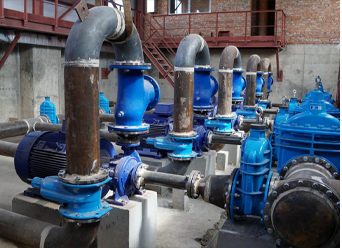
Slurry Pump Seals Manufacturing Specification and Performance Analysis
Introduction
Slurry pump seals represent a critical engineering interface in the transport of abrasive, non-homogeneous fluids across mining, mineral processing, and chemical industries. Unlike standard centrifugal pump seals, slurry pump seals must operate under extreme conditions characterized by high solids concentration, particulate impingement, and corrosive chemical environments. These sealing systems serve as the primary barrier preventing the leakage of hazardous processed minerals and protecting the internal bearing housings from contaminated slurry ingress. The technical positioning of these seals is central to the Mean Time Between Failure (MTBF) of the entire pumping system; a failure in the sealing arrangement typically leads to catastrophic bearing failure and shaft misalignment. High-performance slurry seals integrate advanced material science—specifically hard-facing metallurgy and high-modulus elastomers—with sophisticated flushing plans (such as API Plan 32 or 54) to maintain a stable lubricating film and prevent particulate infiltration into the seal faces.
Material Science & Manufacturing
The efficacy of a slurry pump seal is fundamentally determined by the tribological properties of its mating surfaces and the chemical resilience of its secondary seals. In the context of severe abrasive slurries, the selection of face materials focuses on maximizing hardness and minimizing the coefficient of friction. Silicon Carbide (SiC) is the industry benchmark due to its exceptional hardness (approx. 2500 HV) and high thermal conductivity, which prevents localized heat spotting during dry-run transients. For environments involving high acid concentrations, Tungsten Carbide (WC) with a cobalt or nickel binder is employed, providing superior fracture toughness and resistance to erosive wear.
The manufacturing process involves precision grinding and lapping of the seal faces to a flatness deviation of less than 0.8 microns. This extreme precision is necessary to ensure a uniform fluid film. The secondary sealing elements—O-rings and V-rings—are typically manufactured from Fluoroelastomers (FKM) or Perfluoroelastomers (FFKM). These materials are selected for their low compression set and resistance to chemical degradation (hydrolysis and oxidation) at elevated temperatures. Furthermore, the manufacturing of the seal housing involves high-grade stainless steels (such as AISI 316L or Duplex 2205) subjected to stringent CNC machining and surface passivation to prevent galvanic corrosion at the interface between the seal and the pump casing. The assembly process integrates a spring-loaded mechanism to maintain constant closing force, compensating for thermal expansion and shaft vibration during high-torque operations.
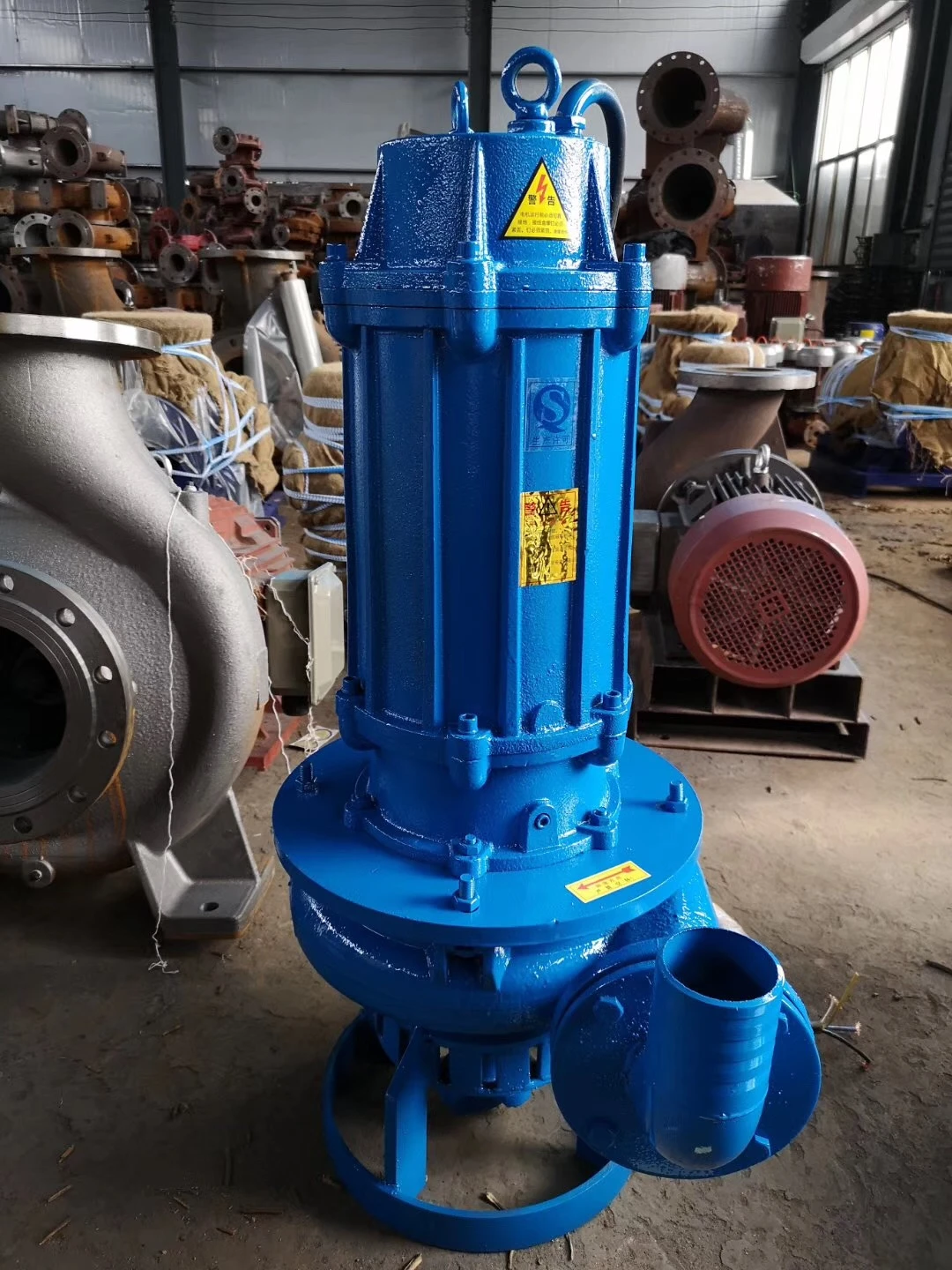
Performance & Engineering
Engineering a slurry pump seal requires a comprehensive force analysis focusing on the balance between the closing force (spring load) and the opening force (hydraulic pressure). In slurry applications, the primary engineering challenge is "particle wedging," where abrasive solids penetrate the seal gap, causing rapid abrasive wear of the mating faces. To mitigate this, engineers implement "External Flush" systems. By introducing a clean, pressurized liquid (gland seal water) into the seal chamber, a positive pressure differential is created, ensuring that the fluid flow is always from the clean side to the slurry side, effectively purging solids from the sealing interface.
Thermal management is another critical performance metric. The friction generated at the seal faces converts mechanical energy into heat. If the heat dissipation rate is lower than the generation rate, the fluid film flashes into vapor, leading to "dry running" and immediate thermal cracking of the SiC faces. Engineering solutions include the use of heat-dissipating quench water and the optimization of the face geometry to promote turbulent flow and enhance convective cooling. Additionally, the seal must be engineered to withstand transient pressure spikes (water hammer) and axial shaft displacement caused by the heavy impeller load typical in slurry pumps. Compliance with API 682 standards ensures that the seal arrangement can withstand these dynamic loads while maintaining a leakage rate within specified allowable limits.
Technical Specifications
| Parameter Dimension | Silicon Carbide (SiC) | Tungsten Carbide (WC) | Alumina Ceramic | Carbon Graphite |
|---|---|---|---|---|
| Vickers Hardness (HV) | 2500 - 2800 | 1200 - 1600 | 1800 - 2200 | 50 - 100 |
| Thermal Conductivity (W/m·K) | 120 | 110 | 30 | 100 - 150 |
| Max Operating Temp (°C) | > 400 | > 500 | > 1000 | 250 |
| Corrosion Resistance | Excellent (Acid/Base) | Good (Binder Dependent) | Superior | Moderate |
| Abrasive Wear Rate | Very Low | Low | Low | High |
| Fracture Toughness | Moderate | High | Low | Moderate |
Failure Mode & Maintenance
Failure analysis of slurry pump seals typically reveals four primary failure modes. The first is Abrasive Erosion, characterized by concentric grooves on the seal face. This occurs when the flush water pressure drops, allowing slurry particles to enter the seal gap and act as grinding media. The second is Thermal Shock (Heat Checking), which manifests as a network of fine radial cracks. This is caused by rapid temperature fluctuations or dry-running, leading to localized thermal expansion and subsequent brittle fracture of the ceramic faces.
The third mode is Chemical Degradation of the elastomers. In highly acidic or alkaline slurries, the O-rings may undergo swelling or hardening (embrittlement), leading to a loss of sealing elasticity and subsequent leakage. Finally, Fatigue Failure occurs due to excessive shaft vibration or misalignment, causing the seal faces to "chatter" and eventually chip. Maintenance protocols must prioritize the verification of the flush system; ensuring the gland water supply is unobstructed and maintained at 1-2 bar above the pump stuffing box pressure. Periodic ultrasonic testing of the shaft sleeve and the replacement of elastomers every 12 months—regardless of apparent condition—are recommended to prevent unplanned downtime.
Industry FAQ
Q: Why is Silicon Carbide preferred over Tungsten Carbide for highly abrasive silica slurries?
A: Silicon Carbide possesses a higher absolute hardness (HV) compared to Tungsten Carbide. In applications involving silica-based abrasives, SiC provides superior resistance to micro-ploughing and scratching, whereas the cobalt binder in Tungsten Carbide can be preferentially eroded by certain chemicals, leading to the "plucking" of hard particles from the matrix.
Q: How does the API Flush Plan 32 improve seal longevity in slurry pumps?
A: API Plan 32 introduces an external clean fluid source into the seal chamber. By maintaining a higher pressure in the seal area than in the pump casing, it creates a hydraulic barrier that prevents abrasive slurry from ever reaching the seal faces, effectively shifting the wear burden from the seal to the flush water system.
Q: What is the primary indicator that a slurry seal is approaching end-of-life?
A: The primary indicator is an increase in the leakage rate at the atmospheric side of the seal or the appearance of "slurry weeping." Additionally, a sudden increase in the temperature of the seal housing (measured via infrared thermography) indicates a loss of lubrication and imminent thermal failure.
Q: Can FFKM O-rings completely eliminate chemical degradation in aggressive slurries?
A: While FFKM (Perfluoroelastomer) offers the widest chemical compatibility range, it is not a universal solvent. It provides nearly total resistance to acids and bases, but its performance must be verified against specific organic solvents or high-pressure steam conditions. However, for the vast majority of mining slurries, it is the most robust choice.
Q: How does shaft misalignment affect the wear pattern of the seal faces?
A: Misalignment causes uneven loading across the seal face, leading to "conical wear" or asymmetrical grooves. This disrupts the hydrodynamic fluid film, increasing friction on one side of the seal and accelerating thermal degradation and mechanical chipping of the ceramic edges.
Conclusion
The operational integrity of slurry pump seals is contingent upon the synergy between material hardness and hydraulic management. By leveraging high-modulus ceramics like Silicon Carbide and implementing stringent external flush protocols, industry operators can significantly mitigate the effects of abrasive wear and thermal instability. The transition from passive sealing to active fluid management is the cornerstone of increasing MTBF in harsh industrial environments.
Looking forward, the integration of smart sensors for real-time monitoring of seal chamber pressure and temperature will likely replace scheduled maintenance with predictive maintenance. Ensuring strict adherence to international manufacturing standards and precise material selection remains the most effective strategy for optimizing the lifecycle of slurry transport systems and reducing the total cost of ownership.
-
Comprehensive Guide to Waterproof ORings for Optimal Sealing Solutions
News2026-06-09
-
heavy duty submersible pump Performance Analysis
News2026-06-25
-
best submersible pump for septic tank Performance Analysis
News2026-06-25
-
basement sewer ejector pump Performance Analysis
News2026-06-25
-
basement pumps ejector pumps Performance Analysis
News2026-06-25
-
basement lift pump Performance and Engineering
News2026-06-25
-
basement bathroom pump systems Performance Analysis
News2026-06-24
-
basement bathroom ejector pump system Performance Engineering
News2026-06-24
-
2 hp sewage pump Performance Engineering
News2026-06-24
-
1 hp septic pump Performance Engineering
News2026-06-24
-
submersible effluent pump Performance Analysis
News2026-06-24
-
submergable pump Material Science
News2026-06-23
-
sewer injection pump Performance Engineering
News2026-06-23
-
Sewer Ejector Pump System Performance Analysis
News2026-06-23
-
septic tank pump for sale Performance Engineering
News2026-06-23




