English
- Afrikaans
- Albanian
- Amharic
- Arabic
- Armenian
- Azerbaijani
- Basque
- Belarusian
- Bengali
- Bosnian
- Bulgarian
- Catalan
- Cebuano
- Corsican
- Croatian
- Czech
- Danish
- Dutch
- English
- Esperanto
- Estonian
- Finnish
- French
- Frisian
- Galician
- Georgian
- German
- Greek
- Gujarati
- Haitian Creole
- hausa
- hawaiian
- Hebrew
- Hindi
- Miao
- Hungarian
- Icelandic
- igbo
- Indonesian
- irish
- Italian
- Japanese
- Javanese
- Kannada
- kazakh
- Khmer
- Rwandese
- Korean
- Kurdish
- Kyrgyz
- Lao
- Latin
- Latvian
- Lithuanian
- Luxembourgish
- Macedonian
- Malgashi
- Malay
- Malayalam
- Maltese
- Maori
- Marathi
- Mongolian
- Myanmar
- Nepali
- Norwegian
- Norwegian
- Occitan
- Pashto
- Persian
- Polish
- Portuguese
- Punjabi
- Romanian
- Russian
- Samoan
- Scottish Gaelic
- Serbian
- Sesotho
- Shona
- Sindhi
- Sinhala
- Slovak
- Slovenian
- Somali
- Spanish
- Sundanese
- Swahili
- Swedish
- Tagalog
- Tajik
- Tamil
- Tatar
- Telugu
- Thai
- Turkish
- Turkmen
- Ukrainian
- Urdu
- Uighur
- Uzbek
- Vietnamese
- Welsh
- Bantu
- Yiddish
- Yoruba
- Zulu

Telephone: +86 13120555503
Email: frank@cypump.com


Apr . 01, 2024 17:55 Back to list
slurry pump seal Performance Analysis and Manufacturing Specifications
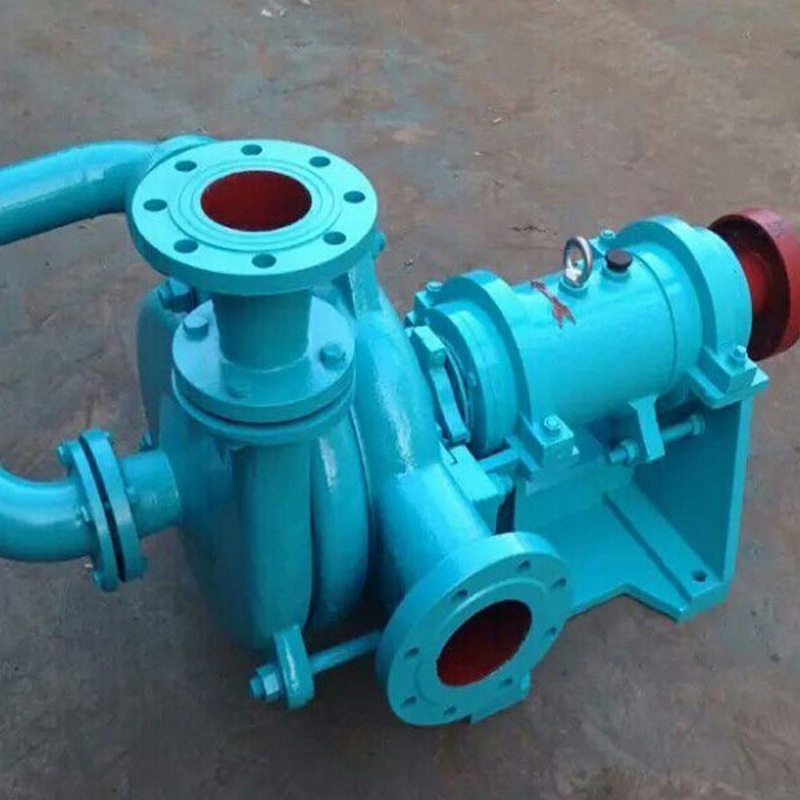
Slurry Pump Seal: Performance Analysis and Manufacturing Specifications
A slurry pump seal is a critical engineered component designed to prevent the leakage of abrasive, high-density fluids—composed of solid particulates suspended in a liquid carrier—from the pump casing into the external environment. Positioned at the interface of the rotating shaft and the stationary pump housing, these seals operate in some of the most aggressive industrial environments, including mining, dredging, chemical processing, and wastewater treatment. Unlike standard centrifugal pump seals, slurry seals must contend with extreme erosive wear, particle impingement, and the potential for "plugging" where solids accumulate at the seal face. The technical positioning of the slurry pump seal is that of a primary barrier system; its failure directly leads to catastrophic shaft wear, bearing contamination, and unplanned systemic downtime. High-performance slurry seals typically employ a combination of mechanical seal faces and specialized flushing systems (such as API Plan 32 or 53) to maintain a clean environment at the sealing interface and ensure the longevity of the hardware under severe hydrostatic and dynamic loads.
Material Science & Manufacturing
The efficacy of a slurry pump seal is fundamentally rooted in the material science of its mating surfaces and elastomer components. Due to the high concentration of abrasive solids (such as silica, alumina, or iron ore), the seal faces must possess extreme hardness and a low coefficient of friction. The industry standard has shifted toward sintered silicon carbide (SiC) and tungsten carbide (WC). Sintered SiC is preferred for its superior hardness and chemical inertness, whereas tungsten carbide, often cobalt-bound, provides higher fracture toughness to resist mechanical shocks caused by large particulates. To further enhance wear resistance, diamond-like carbon (DLC) coatings are often applied via Physical Vapor Deposition (PVD) to reduce the heat generated by friction.
From a manufacturing perspective, the production of these seals requires precision grinding and lapping processes. The flatness of the seal faces must be maintained within a tolerance of 0.8 microns to ensure a leak-proof liquid film. The manufacturing flow involves: 1. Raw powder metallurgy for the carbide blanks; 2. Precision CNC turning to achieve dimensional accuracy; 3. Diamond lapping on a rotating plate to achieve the requisite surface finish (Ra < 0.1μm); and 4. Dynamic balancing of the rotating elements to prevent vibration-induced premature failure. Furthermore, the secondary sealing elements (O-rings) are manufactured from peroxide-cured Fluoroelastomers (FKM) or Perfluoroelastomers (FFKM) to ensure chemical compatibility with aggressive slurries and resistance to thermal degradation at operating temperatures exceeding 200°C.
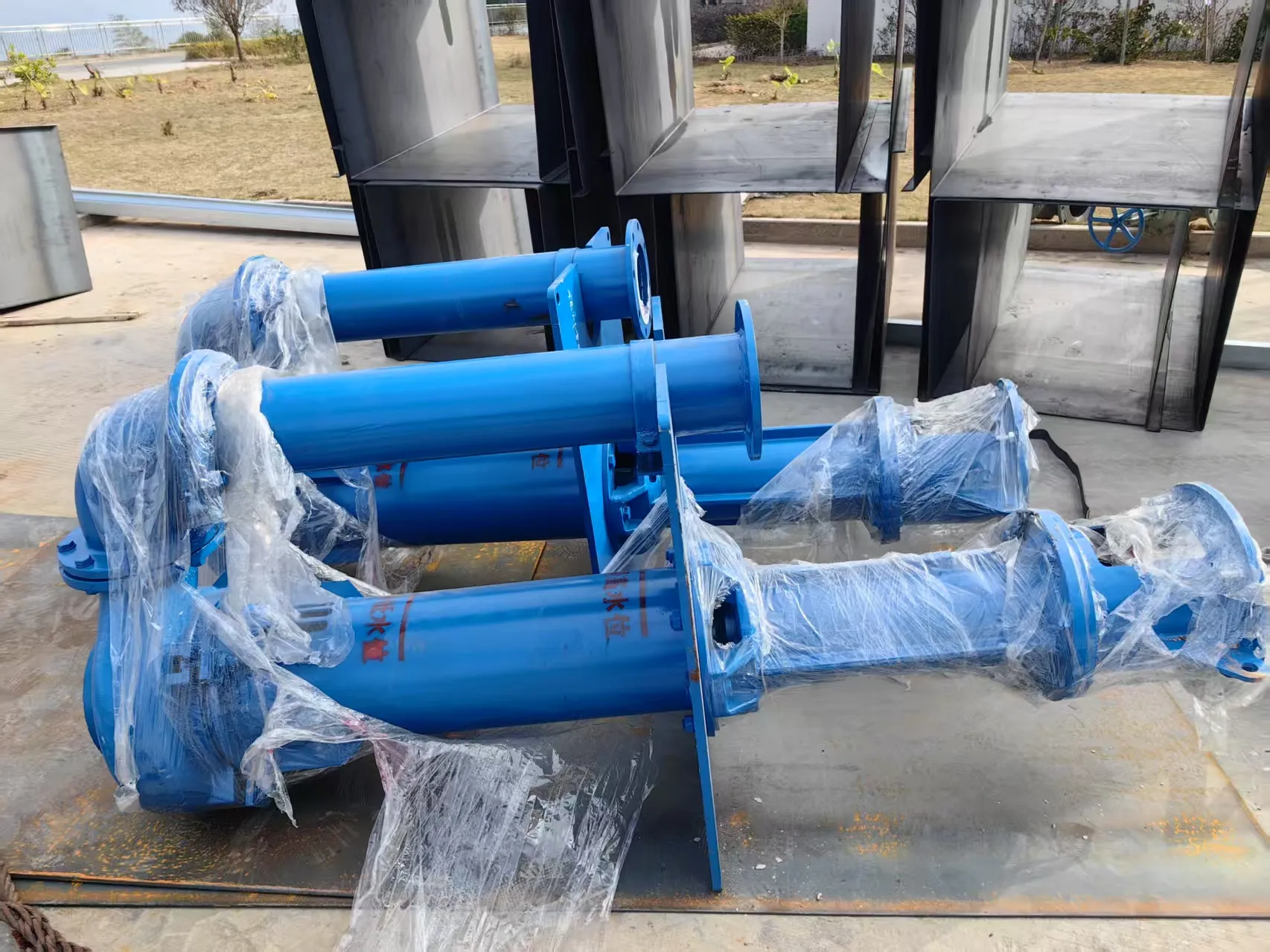
Performance & Engineering
Engineering a slurry pump seal requires a rigorous force analysis and fluid dynamic approach. The core challenge is the management of the "seal gap"—the microscopic space between the rotating and stationary faces. If the gap is too wide, leakage increases; if too narrow, the friction generates excessive heat, leading to thermal distortion or "heat checking" (micro-cracking) of the faces. To mitigate this, engineers implement specialized flushing arrangements. A pressurized external flush (Clean Fluid Injection) is used to create a positive pressure barrier, preventing abrasive particles from entering the seal chamber. This is often coupled with a "quench" system to cool the seal and prevent the crystallization of the slurry on the atmospheric side of the seal.
Environmental resistance is another critical engineering metric. The seal must maintain integrity despite fluctuating pressures and the presence of corrosive agents such as sulfuric acid or high-saline brine. Engineering calculations focus on the closing force provided by the bellows or springs, which must be sufficient to maintain face contact during pump startup and shutdown, yet flexible enough to accommodate shaft deflection and thermal expansion. Compliance with API 682 (American Petroleum Institute) standards ensures that the seal design can handle specific pressure ratings and temperature cycles, providing a standardized framework for reliability in heavy industrial applications.
Technical Specifications
| Material Combination | Max Operating Pressure | Max Surface Speed | Temperature Range |
|---|---|---|---|
| SiC vs. SiC (Sintered) | 25 bar | 12 m/s | -20°C to 220°C |
| WC vs. SiC | 40 bar | 15 m/s | -30°C to 200°C |
| Tungsten Carbide vs. Tungsten Carbide | 60 bar | 18 m/s | -40°C to 180°C |
| DLC Coated SiC vs. SiC | 30 bar | 20 m/s | -20°C to 250°C |
| Ceramic vs. Carbon (Standard) | 10 bar | 8 m/s | -10°C to 120°C |
| Custom Alloy vs. Diamond | 100 bar | 25 m/s | -50°C to 300°C |
Failure Mode & Maintenance
Failure analysis of slurry pump seals typically reveals three dominant modes: abrasive erosion, thermal cracking, and chemical degradation. Abrasive erosion occurs when particulates penetrate the seal face, acting as a grinding medium that rapidly wears down the lapped surface, resulting in a catastrophic increase in leakage. Thermal cracking, or "heat checking," is characterized by a network of fine cracks on the face, caused by localized overheating when the lubricating film breaks down (dry running). Chemical degradation typically affects the elastomer O-rings, where incompatible slurry chemistry leads to swelling, hardening, or embrittlement, compromising the static seal.
Professional maintenance protocols necessitate a predictive approach. Vibration monitoring is used to detect shaft misalignment before it causes face chipping. To extend seal life, the "Flush-and-Purge" cycle must be strictly maintained; any drop in flush pressure should trigger an immediate inspection. When replacing seals, the shaft sleeve must be inspected for scoring; if the sleeve is damaged, a new seal will fail prematurely due to improper seating. The use of a precision alignment tool during installation is mandatory to ensure the seal is perfectly perpendicular to the shaft axis, eliminating uneven load distribution across the faces.
Industry FAQ
Q: Why is silicon carbide preferred over tungsten carbide for highly corrosive slurries?
A: Sintered silicon carbide is chemically inert and does not contain a metallic binder (like the cobalt used in tungsten carbide). In corrosive environments, the binder in tungsten carbide can be leached out, leading to a loss of structural integrity and "pitting" of the seal face.
Q: How do I determine the correct flush plan for a high-solids application?
A: For high-solids applications, API Plan 32 (External Flush) is generally recommended. This ensures that clean liquid is injected into the seal chamber at a pressure higher than the pump stuffing box pressure, physically pushing the solids away from the seal faces.
Q: What causes the sudden failure of seals during pump startup?
A: Sudden failure is often caused by "dry running" or "slugging." If the pump is started without adequate lubrication or if a concentrated slug of solids hits the seal faces before the flush system is fully pressurized, the resulting friction and impact can crack the brittle ceramic faces.
Q: Can FFKM O-rings be used in all slurry applications to ensure longevity?
A: While FFKM offers the highest chemical resistance, it has different elasticity and temperature properties than FKM. The selection must be based on the specific chemical composition of the slurry and the operating temperature to prevent compression set failures.
Q: How can we distinguish between abrasive wear and corrosive wear on a failed seal face?
A: Abrasive wear typically manifests as concentric scratches or a "frosted" appearance on the face. Corrosive wear presents as irregular pitting, discoloration, or a chemical etching effect that degrades the surface smoothness regardless of the sliding motion.
Conclusion
The integrity of a slurry pump seal is the primary determinant of operational reliability in abrasive fluid transport. By integrating advanced material science—specifically the use of sintered silicon carbide and PVD coatings—with precision manufacturing and rigorous engineering of flush systems, the industry can significantly mitigate the risks of erosive wear and thermal failure. The technical synergy between face hardness and lubrication management is what allows these components to withstand the extreme mechanical stresses of mining and industrial processing.
Looking forward, the integration of smart sensors for real-time leakage monitoring and the development of nanocomposite seal faces promise to further extend the Mean Time Between Failures (MTBF). For procurement and engineering managers, the focus must remain on selecting material combinations that align strictly with the chemical and particulate profile of the medium, ensuring that the seal is not merely a consumable part but a precision-engineered barrier designed for extreme durability.
-
Comprehensive Guide to Waterproof ORings for Optimal Sealing Solutions
News2026-06-09
-
heavy duty submersible pump Performance Analysis
News2026-06-25
-
best submersible pump for septic tank Performance Analysis
News2026-06-25
-
basement sewer ejector pump Performance Analysis
News2026-06-25
-
basement pumps ejector pumps Performance Analysis
News2026-06-25
-
basement lift pump Performance and Engineering
News2026-06-25
-
basement bathroom pump systems Performance Analysis
News2026-06-24
-
basement bathroom ejector pump system Performance Engineering
News2026-06-24
-
2 hp sewage pump Performance Engineering
News2026-06-24
-
1 hp septic pump Performance Engineering
News2026-06-24
-
submersible effluent pump Performance Analysis
News2026-06-24
-
submergable pump Material Science
News2026-06-23
-
sewer injection pump Performance Engineering
News2026-06-23
-
Sewer Ejector Pump System Performance Analysis
News2026-06-23
-
septic tank pump for sale Performance Engineering
News2026-06-23




