English
- Afrikaans
- Albanian
- Amharic
- Arabic
- Armenian
- Azerbaijani
- Basque
- Belarusian
- Bengali
- Bosnian
- Bulgarian
- Catalan
- Cebuano
- Corsican
- Croatian
- Czech
- Danish
- Dutch
- English
- Esperanto
- Estonian
- Finnish
- French
- Frisian
- Galician
- Georgian
- German
- Greek
- Gujarati
- Haitian Creole
- hausa
- hawaiian
- Hebrew
- Hindi
- Miao
- Hungarian
- Icelandic
- igbo
- Indonesian
- irish
- Italian
- Japanese
- Javanese
- Kannada
- kazakh
- Khmer
- Rwandese
- Korean
- Kurdish
- Kyrgyz
- Lao
- Latin
- Latvian
- Lithuanian
- Luxembourgish
- Macedonian
- Malgashi
- Malay
- Malayalam
- Maltese
- Maori
- Marathi
- Mongolian
- Myanmar
- Nepali
- Norwegian
- Norwegian
- Occitan
- Pashto
- Persian
- Polish
- Portuguese
- Punjabi
- Romanian
- Russian
- Samoan
- Scottish Gaelic
- Serbian
- Sesotho
- Shona
- Sindhi
- Sinhala
- Slovak
- Slovenian
- Somali
- Spanish
- Sundanese
- Swahili
- Swedish
- Tagalog
- Tajik
- Tamil
- Tatar
- Telugu
- Thai
- Turkish
- Turkmen
- Ukrainian
- Urdu
- Uighur
- Uzbek
- Vietnamese
- Welsh
- Bantu
- Yiddish
- Yoruba
- Zulu

Telephone: +86 13120555503
Email: frank@cypump.com


Apr . 01, 2024 17:55 Back to list
slurry pump rubber parts Performance Analysis
Introduction
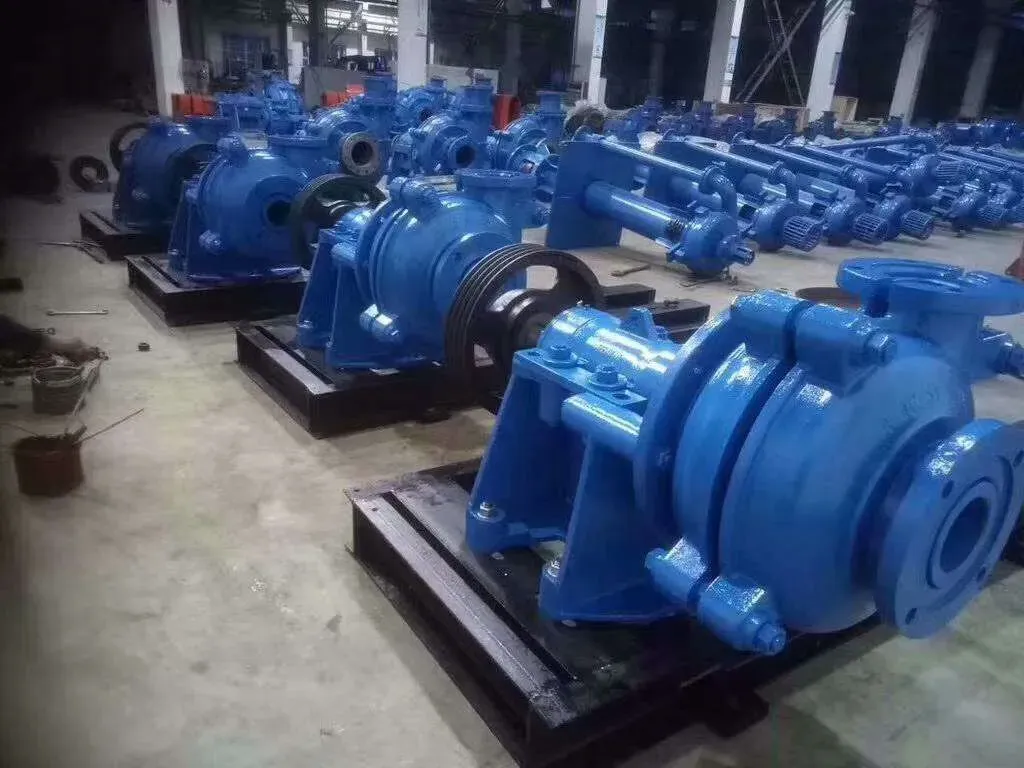
Slurry pump rubber parts represent a critical component within the broader fluid handling industry, specifically tailored for the demanding applications of transporting abrasive and corrosive slurries. These parts, commonly including impellers, liners, volute casings, and seals, are engineered to withstand the erosive and chemically aggressive nature of materials found in mining, wastewater treatment, chemical processing, and dredging operations. Their technical position within the industry chain is directly downstream of rubber compound formulation and molding, serving as the interface between pump mechanics and the conveyed slurry. Core performance characteristics revolve around abrasion resistance, chemical compatibility, tensile strength, elongation, and hardness – all directly influencing pump efficiency, operational lifespan, and maintenance intervals. The selection of appropriate rubber compounds and precise manufacturing processes are paramount to mitigating common failures related to wear, chemical attack, and structural degradation, and are a key factor in reducing total cost of ownership for slurry pumping systems.
Material Science & Manufacturing
The foundation of slurry pump rubber parts lies in the careful selection of elastomer materials. Natural Rubber (NR) offers high tensile strength and resilience but limited chemical resistance. Synthetic rubbers like Chloroprene (CR), commonly known as Neoprene, provide improved resistance to oils, weathering, and moderate chemical attack. Ethylene Propylene Diene Monomer (EPDM) excels in resistance to water, steam, and a wide range of chemicals, making it suitable for various aqueous slurries. However, the most critical material for severe slurry applications is typically Nitrile Rubber (NBR) or Hydrogenated Nitrile Butadiene Rubber (HNBR), which offers excellent abrasion resistance and good oil resistance. For exceptionally corrosive environments, specialized materials like fluoroelastomers (FKM/Viton) are employed, despite their higher cost.
Manufacturing processes largely center on rubber molding techniques. Compression molding is commonly used for larger parts like liners, providing good dimensional control. Injection molding is suitable for complex geometries like impellers, enabling high production rates. Vulcanization, the curing process, is crucial for developing the desired mechanical properties. Parameters like temperature, pressure, and curing time must be precisely controlled to ensure complete cross-linking of the rubber polymer chains, optimizing hardness, tensile strength, and resilience. Further, surface treatments like pinning (creating a textured surface) can enhance abrasion resistance by providing mechanical interlocking with the slurry. Rubber-to-metal bonding, using adhesives or mechanical interlocks, is also a key manufacturing step for components requiring structural support from metal housings.
Performance & Engineering
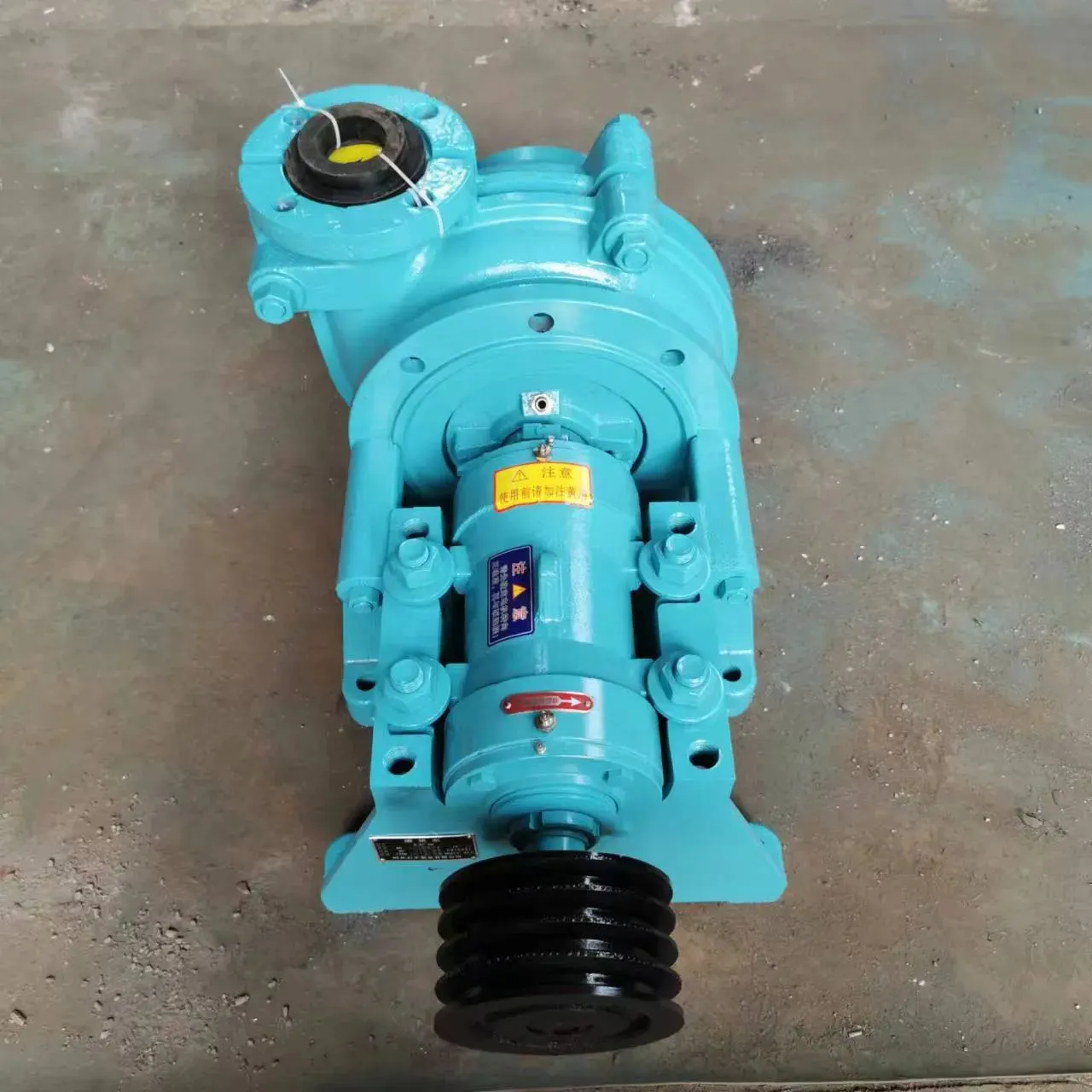
The performance of slurry pump rubber parts is intimately linked to the hydrodynamic forces exerted by the slurry and the abrasive wear characteristics of the transported solids. Impellers, for example, undergo significant centrifugal stress, requiring careful consideration of tensile strength and fatigue resistance. Finite Element Analysis (FEA) is frequently used to model stress distribution within impeller blades, optimizing geometry to minimize stress concentrations and predict lifespan. Liner materials must resist both erosive wear from particle impact and corrosive attack from the slurry chemistry. The angle of impact between slurry particles and the liner surface is a critical factor – a smaller impact angle generally leads to less erosive wear.
Environmental resistance is paramount. Temperature fluctuations cause expansion and contraction, potentially leading to stress cracking or delamination if materials are not appropriately selected. Chemical compatibility dictates the rate of degradation; exposure to strong acids, bases, or solvents can cause swelling, softening, or complete dissolution of the rubber. Compliance requirements, such as those related to food-grade materials (FDA) or potable water safety (NSF), must be met depending on the application. Pump efficiency is also impacted. Rough surfaces caused by wear increase friction losses, reducing pump output and increasing energy consumption. Accurate selection of rubber hardness is also critical; a softer rubber may conform better to surface irregularities but will wear faster than a harder rubber.
Technical Specifications
| Rubber Compound | Hardness (Shore A) | Tensile Strength (MPa) | Elongation at Break (%) |
|---|---|---|---|
| Natural Rubber (NR) | 60-70 | 15-25 | 500-800 |
| Chloroprene (CR/Neoprene) | 60-80 | 12-20 | 300-500 |
| EPDM | 60-75 | 10-18 | 400-600 |
| Nitrile Rubber (NBR) | 60-90 | 18-30 | 250-400 |
| Hydrogenated Nitrile Butadiene Rubber (HNBR) | 65-95 | 25-40 | 300-500 |
| Fluoroelastomer (FKM/Viton) | 70-90 | 20-35 | 200-400 |
Failure Mode & Maintenance
Slurry pump rubber parts are susceptible to several failure modes. Erosive wear, caused by the abrasive action of solid particles, is the most common. This manifests as material loss from surfaces in contact with the slurry, progressively reducing pump efficiency and requiring replacement. Fatigue cracking can occur in components subjected to cyclic stress, such as impellers, leading to complete failure. Chemical attack results in swelling, softening, or dissolution of the rubber, compromising its mechanical properties. Oxidation, particularly in rubbers exposed to air and elevated temperatures, causes hardening and cracking. Delamination, the separation of rubber layers, can occur due to poor bonding during manufacturing or thermal stresses.
Preventative maintenance is crucial. Regular inspection for wear, cracks, and chemical degradation is essential. Scheduled replacement of liners, impellers, and seals based on operational hours or slurry characteristics can prevent catastrophic failures. Proper storage of spare parts, protected from UV light and ozone, is important to maintain material integrity. In case of failure, a thorough failure analysis should be conducted to identify the root cause (e.g., improper material selection, inadequate maintenance, excessive slurry abrasiveness) and implement corrective actions. Consideration should be given to upgrading to more abrasion-resistant rubber compounds or implementing slurry pre-treatment to reduce particle size and aggressiveness.
Industry FAQ
Q: What is the primary factor determining the lifespan of a slurry pump liner?
A: The primary factor is the combination of slurry abrasiveness (particle size, shape, and hardness) and the liner material’s abrasion resistance. While hardness plays a role, the rubber compound's inherent resistance to wear from particle impact is the most significant determinant. Operating velocity also affects wear rate; higher velocities increase erosive forces.
Q: How does temperature affect the performance of NBR rubber components?
A: Elevated temperatures can degrade NBR, reducing its tensile strength and increasing its susceptibility to swelling in the presence of oils or solvents. Continuous operation above 120°C is generally not recommended. High temperatures also accelerate oxidation, leading to hardening and cracking.
Q: What is the advantage of using HNBR over standard NBR in slurry applications?
A: HNBR offers significantly improved heat resistance, ozone resistance, and abrasion resistance compared to NBR. This translates to a longer lifespan in demanding applications, particularly those involving high temperatures or exposure to harsh chemicals. It also exhibits better mechanical properties over a wider temperature range.
Q: What role does rubber hardness play in slurry pump performance?
A: Hardness impacts both wear resistance and sealing effectiveness. Softer rubbers conform better to surface irregularities, providing a good seal, but wear more quickly. Harder rubbers offer better abrasion resistance but may be less effective at sealing. The optimal hardness depends on the specific slurry characteristics and pump operating conditions.
Q: How do you ensure adequate bonding between rubber and metal components?
A: Adequate bonding is critical to prevent delamination. Surface preparation of the metal substrate is crucial, involving cleaning and roughening to enhance adhesion. High-quality adhesives specifically formulated for rubber-to-metal bonding are essential. Proper curing procedures, including temperature and pressure control, are necessary to develop a strong and durable bond.
Conclusion
The selection and application of slurry pump rubber parts are integral to the reliable and efficient operation of slurry pumping systems. Understanding the interplay between material science, manufacturing processes, and operational parameters is paramount to maximizing component lifespan and minimizing total cost of ownership. Careful consideration of slurry characteristics – including particle size, hardness, and chemical composition – dictates the optimal rubber compound. Regular inspection, preventative maintenance, and thorough failure analysis are essential practices for maintaining pump performance and preventing costly downtime.
Looking ahead, advancements in rubber compound technology, such as the development of self-healing elastomers and nanocomposite materials, promise to further enhance the durability and performance of slurry pump components. Furthermore, ongoing research into innovative molding techniques and surface treatments will contribute to improved wear resistance and chemical compatibility. By embracing these advancements and adhering to best practices in material selection and maintenance, the slurry pumping industry can continue to overcome the challenges posed by abrasive and corrosive slurries.
-
Precision at the Pump: How Better Machining Protects Flow and Uptime
News2026-11-20
-
Why Pump Reliability Begins Before the First Drop of Fluid
News2026-11-20
-
Beyond the Pump: Designing Safer Access Around Critical Water Infrastructure
News2026-11-20
-
Why Pumping Stations Depend on the Infrastructure Beneath the Pumps
News2026-11-20
-
Beyond the Pump Room: How Smarter Loading Protects Industrial Equipment
News2026-11-19
-
When Pumps Stop: Designing More Resilient Power for Critical Pumping Systems
News2026-11-19
-
The Hidden Role of Dust and Gas Monitoring in Reliable Pump Operations
News2026-11-19
-
The Hidden Role of Mineral Compounds in Extending Industrial Pump Lifespan
News2026-10-12
-
Why Pump System Reliability Depends on Precision Hose Assembly Methods
News2026-09-15
-
How Advanced Imaging Films Are Transforming Pump Component Quality Control
News2026-08-25
-
How Advanced Filtration Protects Pump Systems from Premature Wear and Costly Downtime
News2026-08-25
-
How Steel Material Selection Drives Pump Reliability in Heavy-Duty Systems
News2026-08-25
-
Ensuring Pump System Efficiency: The Role of High-Quality Pipe Fittings and Tubing
News2026-08-24
-
Optimizing Fluid Dynamics and Material Consistency in Industrial Processing
News2026-08-18
-
Innovations and Challenges in Hydraulic Systems for Heavy Machinery
News2026-08-13




