English
- Afrikaans
- Albanian
- Amharic
- Arabic
- Armenian
- Azerbaijani
- Basque
- Belarusian
- Bengali
- Bosnian
- Bulgarian
- Catalan
- Cebuano
- Corsican
- Croatian
- Czech
- Danish
- Dutch
- English
- Esperanto
- Estonian
- Finnish
- French
- Frisian
- Galician
- Georgian
- German
- Greek
- Gujarati
- Haitian Creole
- hausa
- hawaiian
- Hebrew
- Hindi
- Miao
- Hungarian
- Icelandic
- igbo
- Indonesian
- irish
- Italian
- Japanese
- Javanese
- Kannada
- kazakh
- Khmer
- Rwandese
- Korean
- Kurdish
- Kyrgyz
- Lao
- Latin
- Latvian
- Lithuanian
- Luxembourgish
- Macedonian
- Malgashi
- Malay
- Malayalam
- Maltese
- Maori
- Marathi
- Mongolian
- Myanmar
- Nepali
- Norwegian
- Norwegian
- Occitan
- Pashto
- Persian
- Polish
- Portuguese
- Punjabi
- Romanian
- Russian
- Samoan
- Scottish Gaelic
- Serbian
- Sesotho
- Shona
- Sindhi
- Sinhala
- Slovak
- Slovenian
- Somali
- Spanish
- Sundanese
- Swahili
- Swedish
- Tagalog
- Tajik
- Tamil
- Tatar
- Telugu
- Thai
- Turkish
- Turkmen
- Ukrainian
- Urdu
- Uighur
- Uzbek
- Vietnamese
- Welsh
- Bantu
- Yiddish
- Yoruba
- Zulu

Telephone: +86 13120555503
Email: frank@cypump.com


Apr . 01, 2024 17:55 Back to list
Slurry Pump Repair Engineering Analysis and Manufacturing Specifications
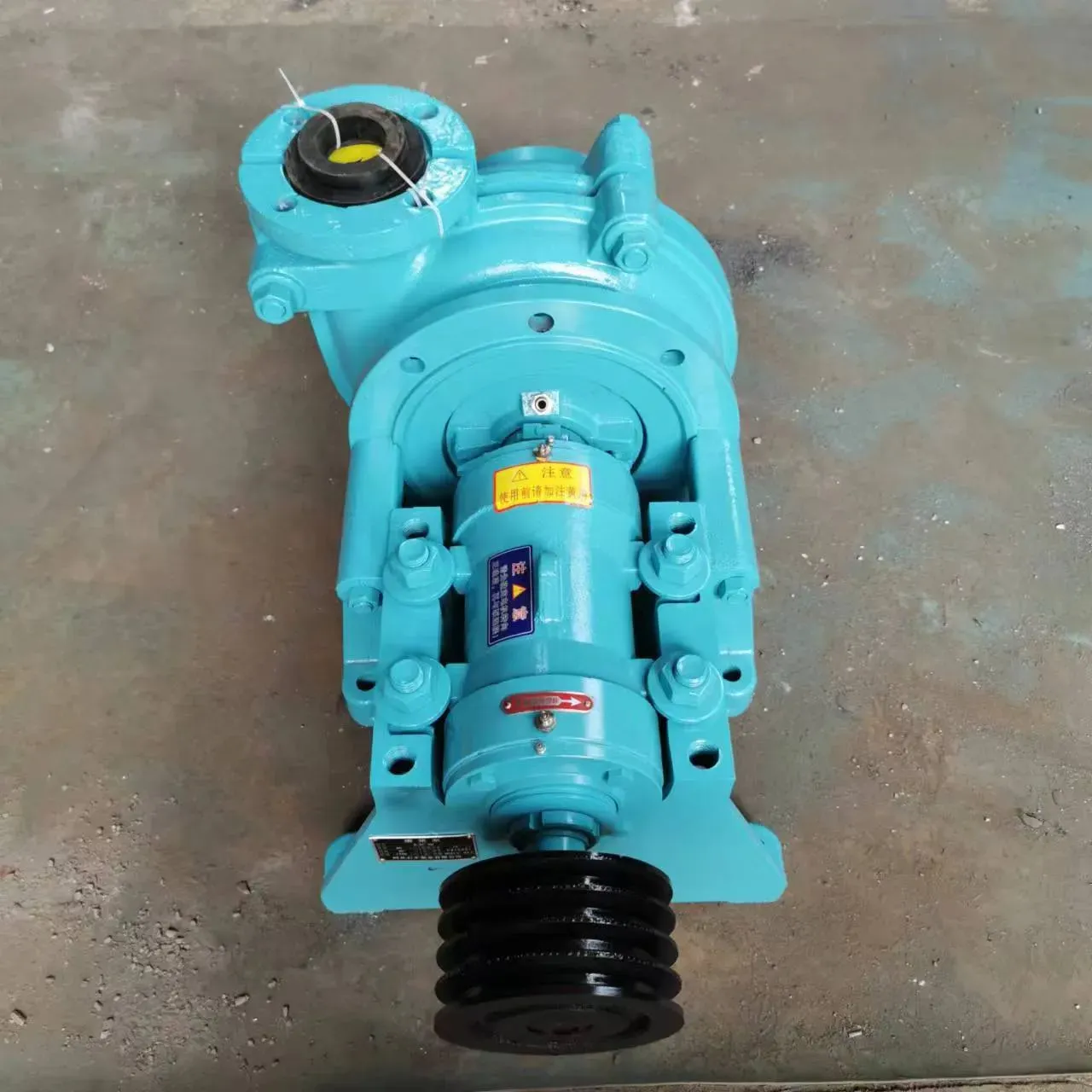
Slurry Pump Repair: Engineering Analysis and Manufacturing Specifications
Slurry pumps are critical assets in the mining, mineral processing, and dredging industries, designed specifically to transport fluids containing high concentrations of abrasive solids. Due to the extreme nature of these applications, the pump components—specifically the impeller and liner—are subjected to continuous erosive wear and corrosive chemical attacks. Slurry pump repair is not merely a process of component replacement but a sophisticated engineering discipline involving material science, precise dimensional restoration, and hydrodynamic optimization. The technical objective of a professional repair cycle is to restore the pump's original Total Dynamic Head (TDH) and flow efficiency while extending the Mean Time Between Failures (MTBF) through the application of advanced metallurgy and precision machining. This guide provides a comprehensive technical breakdown of the restoration protocols required to maintain industrial operational continuity.
Material Science & Manufacturing
The efficacy of slurry pump repair is fundamentally dependent on the selection of materials capable of resisting hydrothermal erosion and impingement. Most high-performance slurry pumps utilize High-Chrome White Irons (ASTM A532) or specialized elastomers. During the repair process, the selection of the replacement alloy is governed by the slurry's chemical composition and particle hardness.
1. Metallurgical Selection: For high-impact, high-abrasion environments, High-Chrome Alloys (containing 25% to 28% Cr) are employed. These materials form a hard M7C3 carbide network within a martensitic matrix, providing a hardness typically exceeding 60 HRC. In cases where the slurry is highly acidic or alkaline, Duplex Stainless Steels or Nickel-based alloys are integrated into the repair to prevent pitting and galvanic corrosion.
2. Manufacturing and Restoration Processes: The repair process involves several critical metallurgical stages:
— Hardfacing and Cladding: To restore worn surfaces without replacing the entire casting, Laser Cladding or Plasma Transferred Arc (PTA) welding is used. This ensures a low heat-affected zone (HAZ), preventing the distortion of the pump casing.
— Precision Casting: When components exceed wear limits, new parts are cast using investment casting to ensure tight tolerances.
— Dynamic Balancing: Post-repair impellers must undergo ISO 1940-1 G2.5 balancing. Even a minor eccentricity in a high-speed slurry pump can lead to catastrophic bearing failure due to the high density of the transported medium.
Performance & Engineering
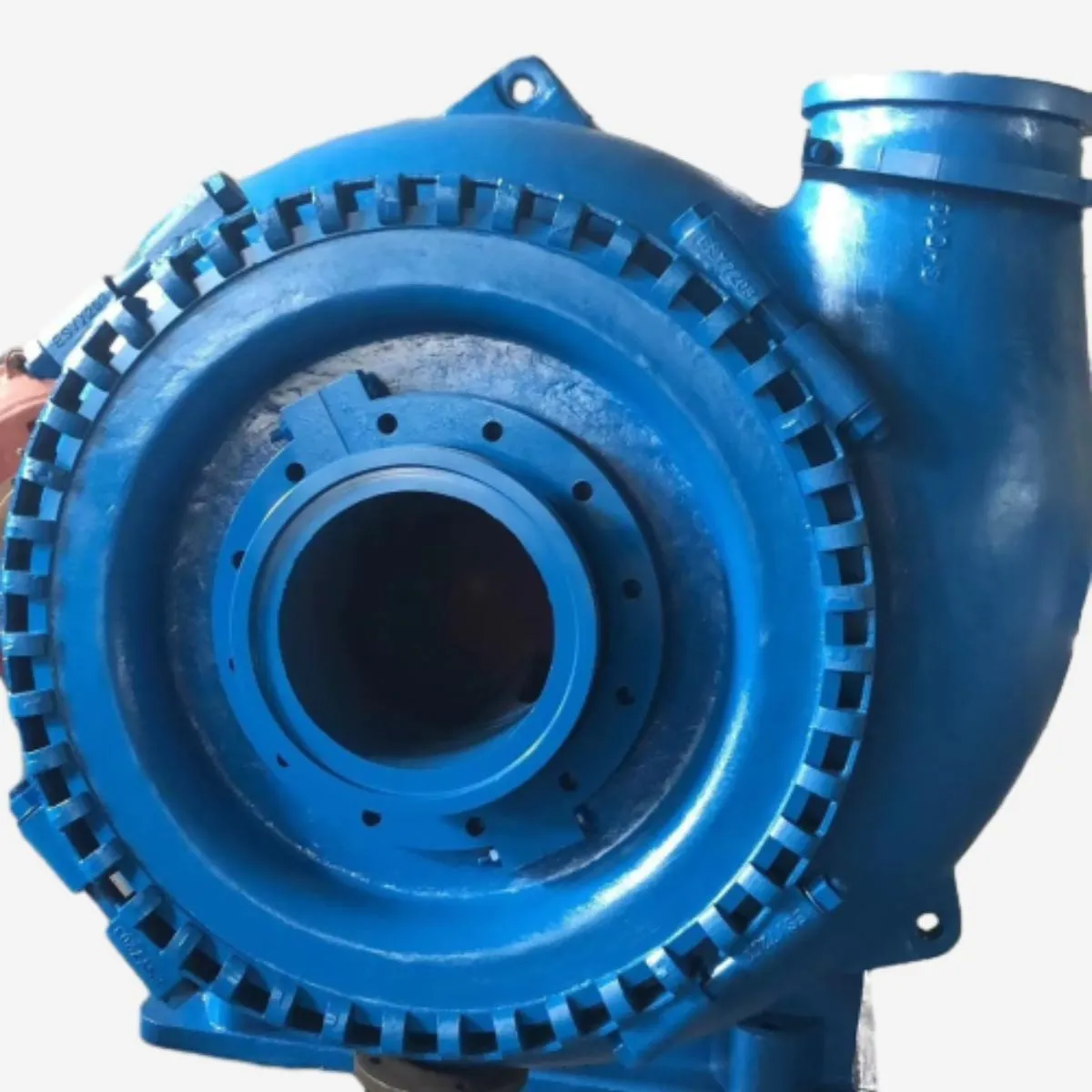
Engineering a slurry pump repair requires a deep analysis of fluid dynamics and mechanical stress. The primary engineering challenge is the management of the "clearance gap" between the impeller and the volute liner. As these components wear, the gap increases, leading to internal recirculation and a significant drop in volumetric efficiency.
1. Hydrodynamic Restoration: During repair, the impeller vanes are profiled to restore the original blade angle. Any deviation in the vane geometry alters the velocity vector of the slurry, potentially causing localized turbulence and accelerated "edge wear." Precision grinding is utilized to ensure that the flow paths remain laminar where possible, reducing energy loss.
2. Sealing and Mechanical Integrity: The sealing system (expeller or mechanical seal) is the most frequent point of failure. Engineering repairs involve the installation of high-pressure gland packing or tungsten carbide mechanical seals. We analyze the "stuffing box" tolerances to ensure that the leakage rate remains within the permissible limits defined by the pump's operational manual, preventing the slurry from contaminating the bearing housing.
3. Force Analysis: Radial thrust is a critical factor in slurry pump engineering. When a pump operates away from its Best Efficiency Point (BEP), unbalanced radial forces exert stress on the shaft. Repair protocols include the inspection of the shaft for fatigue cracking using Non-Destructive Testing (NDT) methods such as Dye Penetrant Inspection (DPI) and Ultrasonic Testing (UT) to ensure structural integrity.
Technical Specifications
| Component Parameter | Standard Material | Hardness Specification | Tolerance Range | Inspection Method |
|---|---|---|---|---|
| Impeller Vane | High-Chrome Alloy (27% Cr) | 60-65 HRC | ± 0.2 mm | CMM Measurement |
| Volute Liner | Natural Rubber / Alloy | 70-80 Shore A / 55 HRC | ± 0.5 mm | Ultrasonic Thickness |
| Pump Shaft | 42CrMo Alloy Steel | 28-32 HRC | G2.5 Balance | Magnetic Particle |
| Bearing Housing | Cast Steel / Ductile Iron | 180-220 HB | H7/g6 Fit | Bore Gauge |
| Mechanical Seal | Tungsten Carbide / SiC | > 1500 HV | ± 0.01 mm | Optical Comparator |
| Casing Flanges | ASTM A216 Grade WCB | 150-180 HB | ± 0.1 mm (Flatness) | Dial Indicator |
Failure Mode & Maintenance
A systematic failure analysis is essential to prevent recurrent breakdowns. Slurry pumps typically fail due to a combination of mechanical stress and material degradation.
1. Abrasive Wear (Erosion): This is the primary failure mode. High-velocity particles strike the surfaces, removing material via micro-ploughing. Maintenance Solution: Implement a scheduled liner rotation program and upgrade to ceramic-reinforced polymers in high-velocity zones.
2. Cavitation Damage: Occurs when the Net Positive Suction Head available (NPSHa) falls below the required (NPSHr), creating vapor bubbles that implode and pit the metal. Maintenance Solution: Review suction piping geometry, reduce intake losses, and verify that the pump is not operating too far to the right of its performance curve.
3. Fatigue Cracking: Cyclic loading on the shaft or impeller hub can lead to stress fractures. Maintenance Solution: Perform quarterly NDT inspections and ensure that the motor-pump alignment is within 0.05 mm to eliminate parasitic vibration.
4. Chemical Oxidation: In corrosive slurries, the protective oxide layer of the alloy is stripped away, accelerating wear. Maintenance Solution: Transition to Duplex stainless steels or apply specialized epoxy-phenolic coatings to the non-wearing surfaces of the casing.
Industry FAQ
Q: How do we determine if an impeller should be repaired via cladding or completely replaced?
A: The decision is based on the "Wear Limit Threshold." If the material loss exceeds 20% of the vane thickness or if the hydrodynamic profile is severely distorted, replacement is mandatory. If the wear is localized and the structural core is intact, PTA laser cladding is a cost-effective and technically viable solution.
Q: What is the impact of improper impeller clearance on pump energy consumption?
A: Increased clearance leads to volumetric leakage (internal recirculation). For every 1mm increase beyond the design tolerance, pump efficiency can drop by 3-5%, significantly increasing the kWh per ton of slurry transported and increasing the load on the motor.
Q: Why is dynamic balancing critical for slurry pumps compared to clean water pumps?
A: Slurry pumps handle high-density fluids. Any imbalance creates centrifugal forces that are amplified by the mass of the slurry. This leads to accelerated bearing wear and can induce resonance in the piping system, potentially causing joint failure.
Q: How does the "Critical Speed" of the shaft influence the repair process?
A: During shaft repair, any change in diameter or material density alters the shaft's stiffness and natural frequency. We ensure that the repaired shaft's first critical speed remains at least 20% above the operational RPM to avoid synchronous vibration.
Q: Which international standard governs the testing of these pumps after repair?
A: Post-repair testing is typically governed by ISO 9906 or HI (Hydraulic Institute) standards, focusing on the measurement of flow rate, head, and power consumption to verify that the pump has returned to its original performance curve.
Conclusion
Slurry pump repair is a precise intersection of metallurgical science and mechanical engineering. The restoration of these assets requires a rigorous adherence to material specifications, particularly the use of high-chrome alloys and precision balancing to withstand the relentless nature of abrasive transport. By focusing on the reduction of internal clearances and the mitigation of failure modes such as cavitation and fatigue, operators can significantly lower the Total Cost of Ownership (TCO) and improve plant availability.
Looking forward, the integration of predictive maintenance—using vibration analysis and ultrasonic wear monitoring—will shift slurry pump repair from a reactive to a proactive model. The industry must continue to evolve toward the use of composite materials and additive manufacturing to create geometrically optimized components that further resist erosion, ensuring that industrial pumping systems meet the increasing demands of global mineral production.
-
Comprehensive Guide to Waterproof ORings for Optimal Sealing Solutions
News2026-06-09
-
heavy duty submersible pump Performance Analysis
News2026-06-25
-
best submersible pump for septic tank Performance Analysis
News2026-06-25
-
basement sewer ejector pump Performance Analysis
News2026-06-25
-
basement pumps ejector pumps Performance Analysis
News2026-06-25
-
basement lift pump Performance and Engineering
News2026-06-25
-
basement bathroom pump systems Performance Analysis
News2026-06-24
-
basement bathroom ejector pump system Performance Engineering
News2026-06-24
-
2 hp sewage pump Performance Engineering
News2026-06-24
-
1 hp septic pump Performance Engineering
News2026-06-24
-
submersible effluent pump Performance Analysis
News2026-06-24
-
submergable pump Material Science
News2026-06-23
-
sewer injection pump Performance Engineering
News2026-06-23
-
Sewer Ejector Pump System Performance Analysis
News2026-06-23
-
septic tank pump for sale Performance Engineering
News2026-06-23




