English
- Afrikaans
- Albanian
- Amharic
- Arabic
- Armenian
- Azerbaijani
- Basque
- Belarusian
- Bengali
- Bosnian
- Bulgarian
- Catalan
- Cebuano
- Corsican
- Croatian
- Czech
- Danish
- Dutch
- English
- Esperanto
- Estonian
- Finnish
- French
- Frisian
- Galician
- Georgian
- German
- Greek
- Gujarati
- Haitian Creole
- hausa
- hawaiian
- Hebrew
- Hindi
- Miao
- Hungarian
- Icelandic
- igbo
- Indonesian
- irish
- Italian
- Japanese
- Javanese
- Kannada
- kazakh
- Khmer
- Rwandese
- Korean
- Kurdish
- Kyrgyz
- Lao
- Latin
- Latvian
- Lithuanian
- Luxembourgish
- Macedonian
- Malgashi
- Malay
- Malayalam
- Maltese
- Maori
- Marathi
- Mongolian
- Myanmar
- Nepali
- Norwegian
- Norwegian
- Occitan
- Pashto
- Persian
- Polish
- Portuguese
- Punjabi
- Romanian
- Russian
- Samoan
- Scottish Gaelic
- Serbian
- Sesotho
- Shona
- Sindhi
- Sinhala
- Slovak
- Slovenian
- Somali
- Spanish
- Sundanese
- Swahili
- Swedish
- Tagalog
- Tajik
- Tamil
- Tatar
- Telugu
- Thai
- Turkish
- Turkmen
- Ukrainian
- Urdu
- Uighur
- Uzbek
- Vietnamese
- Welsh
- Bantu
- Yiddish
- Yoruba
- Zulu

Telephone: +86 13120555503
Email: frank@cypump.com


Apr . 01, 2024 17:55 Back to list
slurry pump rentals Performance Analysis
Introduction
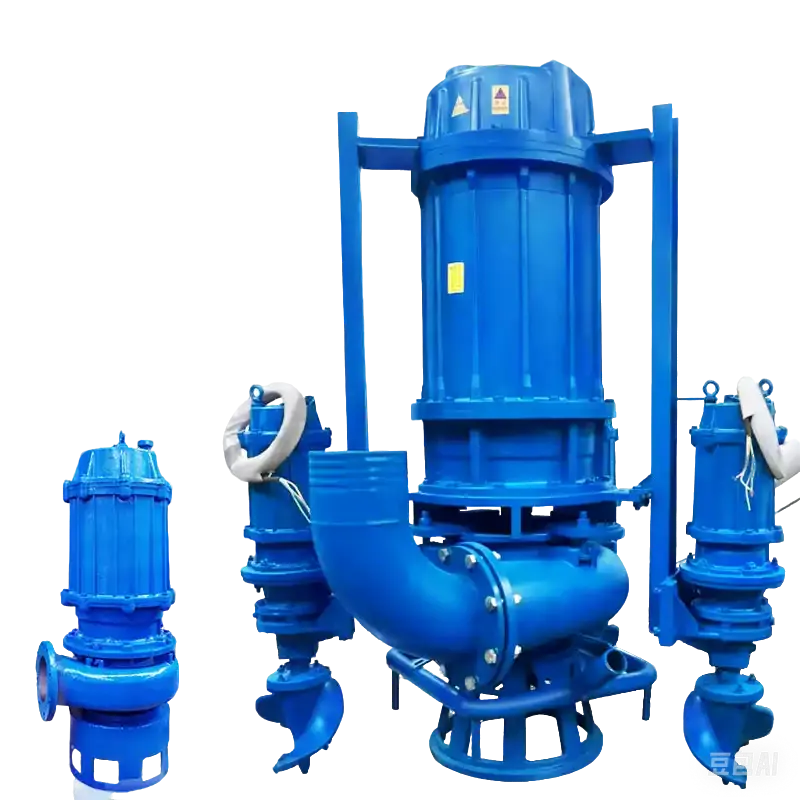
Slurry pump rentals provide a cost-effective and flexible solution for managing abrasive and erosive fluids across diverse industrial applications. Unlike capital expenditure associated with pump purchase, rental services offer immediate access to specialized equipment without long-term ownership commitments. This is particularly critical in industries like mining, wastewater treatment, dredging, and chemical processing where temporary or fluctuating pumping demands are common. Slurry pumps are distinct from clear-liquid pumps due to their robust construction and design features necessary to handle high solids content and abrasive particles. This guide provides a comprehensive technical overview of slurry pump rentals, covering material science, manufacturing processes, performance characteristics, potential failure modes, and relevant industry standards. The core performance of a slurry pump is defined by its ability to maintain flow rate and pressure head against increasing slurry density and particle size, minimizing wear and ensuring operational reliability. A key pain point for industries is selecting the correct pump type and configuration to maximize efficiency and minimize downtime caused by pump failure or inadequate performance.
Material Science & Manufacturing
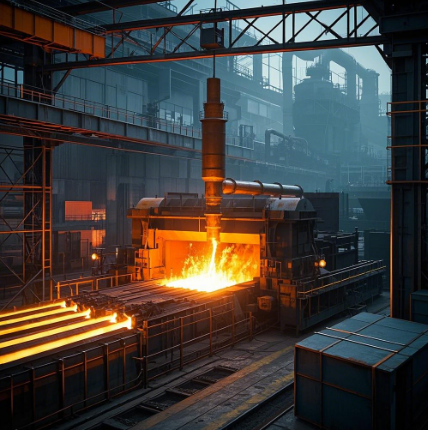
Slurry pumps are constructed from materials specifically chosen for their resistance to abrasion, corrosion, and erosion. Common materials include high-chromium cast irons (typically 13-27% chromium) offering excellent abrasive resistance, various grades of stainless steel (304, 316, duplex stainless steels) providing enhanced corrosion resistance, and specialized polymers like polyurethane and rubber for lining pump casings and impellers. The manufacturing process begins with raw material sourcing and quality control. Casting is a predominant method for producing pump housings and impellers, followed by heat treatment to achieve desired hardness and toughness. Impellers are often manufactured using investment casting or sand casting depending on the complexity of the design and required precision. Pump shafts are typically forged from alloy steel and machined to tight tolerances. Key parameter control during manufacturing includes ensuring proper alloy composition, achieving consistent heat treatment cycles (critical for chromium cast irons), and maintaining dimensional accuracy of impeller vanes and pump casing internal surfaces. Welding processes, such as shielded metal arc welding (SMAW) or gas tungsten arc welding (GTAW), are used for fabrication of pump components and require qualified welders and stringent quality control to prevent weld defects. Surface coatings, like hardfacing with tungsten carbide, are frequently applied to wear-prone areas (impeller leading edges, volute casing) to further enhance abrasion resistance.
Performance & Engineering
Slurry pump performance is heavily dictated by fluid mechanics principles related to particle transport and erosion. Force analysis focuses on understanding the impact forces exerted by slurry particles on pump components, leading to wear. Impeller design is paramount, with considerations for vane angle, width, and number to optimize hydraulic efficiency and minimize particle impingement. Pump curves (head vs. flow rate) are essential for selecting the appropriate pump for a given application, accounting for slurry density, particle size distribution, and pipeline characteristics. Environmental resistance is critical; pumps operating in harsh environments (e.g., offshore, corrosive atmospheres) require specialized materials and protective coatings. Compliance requirements vary by region and application. For example, in the mining industry, pumps may need to meet MSHA standards for explosion-proof operation. In wastewater treatment, pumps must comply with EPA regulations regarding discharge limits. Functional implementation involves proper pump alignment, installation of appropriate piping systems (minimizing bends and restrictions), and integration with control systems for automated operation and monitoring. Cavitation, a significant concern, is mitigated by ensuring adequate net positive suction head available (NPSHa) exceeds net positive suction head required (NPSHr). The selection of appropriate impeller materials and design plays a role in minimizing the effects of erosion and corrosion.
Technical Specifications
| Parameter | Unit | Typical Range (Rental Units) | Notes |
|---|---|---|---|
| Flow Rate | GPM (Gallons per Minute) | 50 - 1000 | Dependent on pump size and motor horsepower |
| Discharge Head | ft (Feet) | 20 - 200 | Influenced by slurry density and pipeline friction |
| Maximum Solids Size | in (Inches) | 0.5 - 4 | Determines pump impeller type and passage size |
| Slurry Density | lb/ft³ (Pounds per Cubic Foot) | 40 - 80 | Affects pump power requirements and wear rate |
| Motor Power | HP (Horsepower) | 5 - 100 | Selected based on flow rate, head, and slurry characteristics |
| Casing Material | - | High-Chrome Iron, Stainless Steel | Determined by slurry corrosiveness |
Failure Mode & Maintenance
Slurry pump failure modes are primarily driven by wear and erosion. Fatigue cracking can occur in pump shafts and impellers due to cyclical loading and stress concentration. Delamination of pump casing liners (rubber or polyurethane) can lead to reduced pump efficiency and increased corrosion. Degradation of elastomers due to chemical attack or UV exposure reduces their protective properties. Oxidation of metallic components, especially in corrosive environments, weakens the material and accelerates failure. Preventive maintenance is crucial. This includes regular visual inspections for wear, monitoring pump vibration levels, lubricating bearings, and checking for leaks. Impeller wear can be assessed by measuring vane thickness and comparing to original dimensions. Casing liner wear can be detected through ultrasonic thickness testing. Routine maintenance should also involve checking pump alignment and ensuring proper seal performance. For critical applications, consider implementing predictive maintenance programs based on vibration analysis and oil analysis. Replacement of worn components should be performed according to manufacturer recommendations, using materials compatible with the slurry composition. Promptly addressing minor issues prevents catastrophic failures and extends pump life. Proper training for operators and maintenance personnel is essential to ensure correct operation and maintenance procedures.
Industry FAQ
Q: What is the impact of particle size distribution on pump selection and wear rate?
A: Particle size distribution is a critical factor. A higher concentration of larger particles leads to increased abrasive wear, demanding pumps constructed from more wear-resistant materials like high-chrome iron or tungsten carbide coatings. Pumps with larger impeller passages are necessary to prevent clogging. Pump selection must consider the D50 and D80 particle sizes to ensure efficient solids handling.
Q: How do I determine the appropriate pump material for a specific slurry composition?
A: Material selection depends on the slurry’s chemical composition, pH, and solids content. For highly corrosive slurries, stainless steel alloys (316, duplex stainless) are preferred. For abrasive slurries with low corrosivity, high-chrome cast irons are typically sufficient. A detailed slurry analysis, including chemical testing and particle size distribution, is essential to make an informed decision.
Q: What are the common causes of pump cavitation and how can it be prevented?
A: Cavitation occurs when the absolute pressure at the pump suction drops below the vapor pressure of the liquid, forming vapor bubbles that collapse and damage the impeller. Causes include insufficient NPSHa, high suction lift, and excessive flow velocity. Prevention involves ensuring adequate NPSHa, minimizing suction lift, and optimizing pump speed.
Q: How does slurry density affect pump power consumption and efficiency?
A: Increased slurry density directly increases the power required to pump the slurry. Higher density slurries also reduce pump efficiency due to increased hydraulic losses. Pump selection must account for the slurry density to ensure the motor is adequately sized and the pump operates within its efficient range.
Q: What are the benefits of utilizing a rental service versus purchasing a slurry pump?
A: Rental services offer flexibility, reduced capital expenditure, and access to specialized equipment without long-term ownership costs. They eliminate maintenance responsibilities and provide access to technical support. This is particularly advantageous for temporary projects or applications with fluctuating demands. Purchasing is appropriate when consistent, long-term pumping requirements are anticipated.
Conclusion
Slurry pump rentals represent a pragmatic solution for industries grappling with abrasive fluid handling challenges. The success of a slurry pump application fundamentally relies on a thorough understanding of the slurry characteristics – density, particle size, and chemical composition – coupled with precise pump selection based on performance curves and material compatibility. Proactive maintenance, including regular inspections and timely component replacement, is paramount to preventing premature failure and maximizing equipment uptime.
As industrial processes evolve and environmental regulations become more stringent, the demand for efficient and reliable slurry pumping solutions will continue to grow. Investing in proper training for operators and maintenance personnel, and leveraging predictive maintenance technologies, will be key to optimizing performance and minimizing lifecycle costs. Careful consideration of international standards and adherence to best practices will ensure safe and environmentally responsible operation.
-
Precision at the Pump: How Better Machining Protects Flow and Uptime
News2026-11-20
-
Why Pump Reliability Begins Before the First Drop of Fluid
News2026-11-20
-
Beyond the Pump: Designing Safer Access Around Critical Water Infrastructure
News2026-11-20
-
Why Pumping Stations Depend on the Infrastructure Beneath the Pumps
News2026-11-20
-
Beyond the Pump Room: How Smarter Loading Protects Industrial Equipment
News2026-11-19
-
When Pumps Stop: Designing More Resilient Power for Critical Pumping Systems
News2026-11-19
-
The Hidden Role of Dust and Gas Monitoring in Reliable Pump Operations
News2026-11-19
-
The Hidden Role of Mineral Compounds in Extending Industrial Pump Lifespan
News2026-10-12
-
Why Pump System Reliability Depends on Precision Hose Assembly Methods
News2026-09-15
-
How Advanced Imaging Films Are Transforming Pump Component Quality Control
News2026-08-25
-
How Advanced Filtration Protects Pump Systems from Premature Wear and Costly Downtime
News2026-08-25
-
How Steel Material Selection Drives Pump Reliability in Heavy-Duty Systems
News2026-08-25
-
Ensuring Pump System Efficiency: The Role of High-Quality Pipe Fittings and Tubing
News2026-08-24
-
Optimizing Fluid Dynamics and Material Consistency in Industrial Processing
News2026-08-18
-
Innovations and Challenges in Hydraulic Systems for Heavy Machinery
News2026-08-13




