English
- Afrikaans
- Albanian
- Amharic
- Arabic
- Armenian
- Azerbaijani
- Basque
- Belarusian
- Bengali
- Bosnian
- Bulgarian
- Catalan
- Cebuano
- Corsican
- Croatian
- Czech
- Danish
- Dutch
- English
- Esperanto
- Estonian
- Finnish
- French
- Frisian
- Galician
- Georgian
- German
- Greek
- Gujarati
- Haitian Creole
- hausa
- hawaiian
- Hebrew
- Hindi
- Miao
- Hungarian
- Icelandic
- igbo
- Indonesian
- irish
- Italian
- Japanese
- Javanese
- Kannada
- kazakh
- Khmer
- Rwandese
- Korean
- Kurdish
- Kyrgyz
- Lao
- Latin
- Latvian
- Lithuanian
- Luxembourgish
- Macedonian
- Malgashi
- Malay
- Malayalam
- Maltese
- Maori
- Marathi
- Mongolian
- Myanmar
- Nepali
- Norwegian
- Norwegian
- Occitan
- Pashto
- Persian
- Polish
- Portuguese
- Punjabi
- Romanian
- Russian
- Samoan
- Scottish Gaelic
- Serbian
- Sesotho
- Shona
- Sindhi
- Sinhala
- Slovak
- Slovenian
- Somali
- Spanish
- Sundanese
- Swahili
- Swedish
- Tagalog
- Tajik
- Tamil
- Tatar
- Telugu
- Thai
- Turkish
- Turkmen
- Ukrainian
- Urdu
- Uighur
- Uzbek
- Vietnamese
- Welsh
- Bantu
- Yiddish
- Yoruba
- Zulu

Telephone: +86 13120555503
Email: frank@cypump.com


Apr . 01, 2024 17:55 Back to list
slurry pump rental Performance Analysis
Introduction
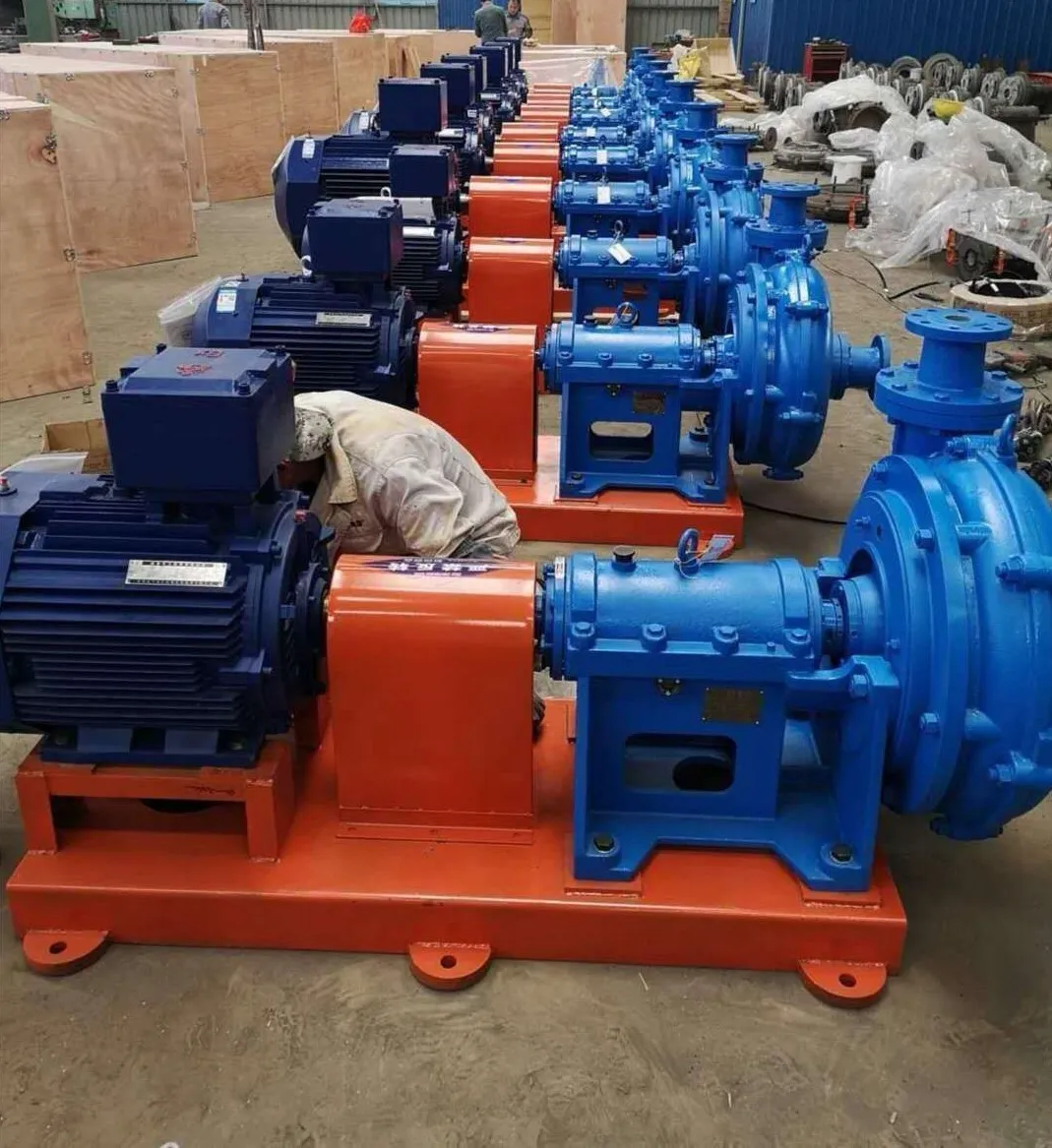
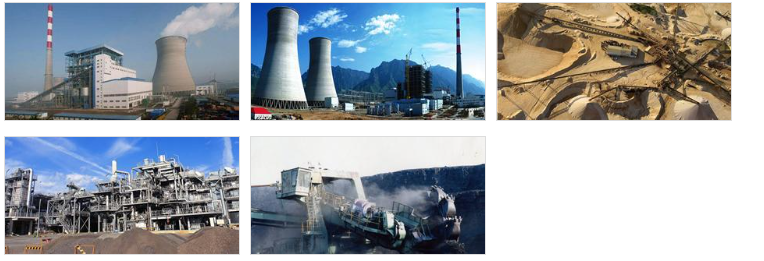
Slurry pump rental provides a cost-effective and flexible solution for handling abrasive and corrosive fluids across various industries, including mining, dredging, wastewater treatment, and chemical processing. Unlike capital expenditure associated with pump ownership, rental offers short-term access to specialized equipment tailored to specific application needs. This guide provides an in-depth technical overview of slurry pump rental, encompassing material science, manufacturing considerations, performance characteristics, failure modes, and relevant industry standards. A key pain point addressed is the unpredictability of slurry composition and volume, necessitating adaptable pumping solutions. Rental services mitigate the risk of investing in a pump ill-suited to fluctuating operational demands, providing scalability and reducing downtime through rapid equipment replacement. The selection criteria for rental pumps center on flow rate, head pressure, solids concentration, slurry density, and abrasive particle size, all critical parameters impacting pump longevity and operational efficiency.
Material Science & Manufacturing
Slurry pump construction necessitates materials resistant to erosion, corrosion, and abrasion. Commonly employed materials include high-chromium cast iron (typically 13-28% Cr), which offers excellent abrasion resistance due to the formation of hard chromium carbides within the iron matrix. However, this material is susceptible to corrosion in acidic environments. For highly corrosive slurries, stainless steels (304, 316, duplex stainless steels) and specialized alloys like Hastelloy are used. Pump casings are frequently manufactured using ductile iron due to its high tensile strength and impact resistance. Impellers, the most wear-prone component, are often constructed from high-chromium cast iron, but ceramic or polyurethane linings are increasingly used to extend service life in extremely abrasive applications. Manufacturing processes include sand casting for larger components, investment casting for complex impeller geometries, and centrifugal casting for wear rings. Critical parameter control during manufacturing focuses on achieving proper hardness levels in wear-resistant alloys (verified via Rockwell hardness testing), ensuring precise impeller balancing to minimize vibration, and maintaining tight tolerances on internal clearances to prevent leakage and optimize hydraulic efficiency. Welding processes used in pump construction require specialized procedures (SMAW, GTAW) to prevent weld defects and maintain material integrity. Non-destructive testing (NDT), including radiographic inspection and ultrasonic testing, is crucial for verifying weld quality.
Performance & Engineering
Slurry pump performance is governed by fundamental hydraulic principles. The pump’s head (pressure) and flow rate are inversely related, defined by the pump curve. Engineering calculations must account for the slurry’s specific gravity, viscosity, and solids loading. Force analysis considers the impact force of abrasive particles on the impeller and casing, influencing wear rates. Cavitation, a major concern, occurs when the absolute pressure at the impeller inlet drops below the vapor pressure of the slurry, forming vapor bubbles that collapse and damage the impeller. Net Positive Suction Head Required (NPSHr) is a critical parameter to prevent cavitation; it must be less than the Net Positive Suction Head Available (NPSHa) in the system. Environmental resistance is paramount, particularly in outdoor applications. Pumps must be protected from extreme temperatures, humidity, and corrosive atmospheres. Compliance requirements vary by region, focusing on safety standards (electrical safety, mechanical guarding) and environmental regulations (leak prevention, noise emission limits). Functional implementation involves selecting the correct pump type (centrifugal, positive displacement) and impeller design (open, semi-open, closed) based on the slurry characteristics. Variable Frequency Drives (VFDs) are frequently used to control pump speed and optimize energy consumption based on changing flow demands.
Technical Specifications
| Pump Type | Maximum Flow Rate (GPM) | Maximum Head (ft) | Maximum Solids Size (in) | Slurry Specific Gravity | Casing Material |
|---|---|---|---|---|---|
| Centrifugal (Horizonal) | 500 | 150 | 2 | 1.6 | Ductile Iron |
| Centrifugal (Submersible) | 300 | 200 | 1.5 | 1.8 | High-Chrome Cast Iron |
| Positive Displacement (Progressive Cavity) | 100 | 250 | 0.5 | 2.0 | Stainless Steel 316 |
| Diaphragm Pump | 75 | 100 | 1 | 1.5 | Polypropylene |
| Slurry Pump (Rubber Lined) | 400 | 120 | 2.5 | 1.7 | Cast Iron with Rubber Lining |
| Centrifugal (Vertical Sump) | 600 | 180 | 2 | 1.9 | High-Chrome Cast Iron |
Failure Mode & Maintenance
Slurry pump failures are primarily attributed to abrasive wear, corrosion, and cavitation. Abrasive wear occurs due to the impact of solid particles on pump components, leading to material loss and reduced pump efficiency. Fatigue cracking can develop in impellers and casings due to cyclic loading. Corrosion, particularly in acidic or saline slurries, weakens pump materials and accelerates failure. Cavitation causes pitting and erosion of impeller vanes. Delamination of protective linings (rubber, ceramic) can expose underlying metal to corrosive attack. Oxidation of metal components contributes to degradation over time. Maintenance solutions include regular inspection of wear parts (impellers, liners, seals), replacement of worn components based on established wear rate data, proper lubrication of bearings, and monitoring of pump performance parameters (flow rate, pressure, vibration). Preventive maintenance programs, including scheduled shutdown for inspection and overhaul, are crucial for extending pump life and minimizing downtime. Implementing a robust slurry analysis program to understand slurry characteristics and optimize pump selection is also key. Seal failures are a common issue; proper seal selection and installation are critical. Utilizing wear-resistant coatings and alloys can significantly extend component lifespan.
Industry FAQ
Q: What are the key considerations when selecting a slurry pump for rental, specifically regarding solids content?
A: Solids content is arguably the most critical factor. Higher solids concentrations demand pumps with larger internal clearances to prevent clogging and increased wear resistance. Positive displacement pumps (e.g., progressive cavity) are often preferred for highly concentrated slurries, as they can handle viscous fluids and maintain consistent flow rates. Centrifugal pumps are suitable for lower solids concentrations but require careful impeller selection (open or semi-open designs) to minimize wear and prevent blockage.
Q: How does slurry abrasiveness impact the rental duration and associated costs?
A: Higher slurry abrasiveness directly correlates to faster wear rates and shorter pump life. Rental companies typically factor this into the pricing structure, often charging a premium for pumps used in highly abrasive applications. Monitoring wear part condition and implementing frequent inspections are vital to accurately assess consumption and avoid unexpected replacement costs. Rental contracts may include clauses addressing excessive wear due to unforeseen slurry characteristics.
Q: What are the common causes of pump failure during a rental period and how are they addressed in rental agreements?
A: Common failures include impeller wear, seal failures, and bearing damage. Rental agreements should clearly outline the responsibilities for repair or replacement in such cases. Typically, the rental company is responsible for inherent pump defects, while the renter is responsible for damage caused by misuse or improper operation (e.g., running the pump dry). Insurance coverage for pump failures should also be specified.
Q: What pre-rental slurry analysis is recommended to ensure proper pump selection?
A: A comprehensive slurry analysis should include particle size distribution, specific gravity, solids concentration (by weight or volume), pH, and a chemical composition analysis to identify corrosive components. Viscosity measurements are also important for high-solids content slurries. This data allows the rental company to recommend the most appropriate pump type and materials of construction.
Q: What safety protocols should be followed when installing and operating a rented slurry pump?
A: Safety protocols include ensuring proper electrical grounding, installing appropriate strainers to prevent large debris from entering the pump, adhering to lock-out/tag-out procedures during maintenance, providing adequate ventilation in enclosed spaces, and wearing appropriate personal protective equipment (PPE). Rental companies should provide detailed operating manuals and safety guidelines.
Conclusion
Slurry pump rental offers a pragmatic solution for managing variable fluid handling needs across a broad spectrum of industrial applications. Effective pump selection hinges on a detailed understanding of slurry characteristics, encompassing abrasiveness, corrosivity, solids content, and flow requirements. Prioritizing appropriate material selection, meticulous manufacturing processes, and proactive maintenance strategies are crucial for maximizing pump lifespan and minimizing operational disruptions.
Looking forward, advancements in pump design, such as the development of more wear-resistant alloys and innovative impeller geometries, will further enhance the performance and reliability of slurry pumping systems. The integration of real-time monitoring and predictive maintenance technologies will enable proactive identification of potential failures, optimizing maintenance schedules and reducing downtime. Ultimately, a collaborative approach between rental providers and end-users, emphasizing thorough slurry analysis and adherence to best practices, is essential for achieving long-term success in slurry handling operations.
-
Comprehensive Guide to Waterproof ORings for Optimal Sealing Solutions
News2026-06-09
-
Septic Pump System Performance Analysis
News2026-06-08
-
pump for septic Material Science
News2026-06-08
-
basement sewer pump Performance Analysis
News2026-06-08
-
submerged pump Performance Engineering
News2026-06-08
-
Septic System Pumps Performance Analysis
News2026-06-08
-
septic system pump Material Science and Manufacturing
News2026-06-07
-
pump for septic tank Material Science Manufacturing
News2026-06-07
-
submersible sewage pump Material Science
News2026-06-07
-
Sewage Ejector Material Science and Manufacturing
News2026-06-07
-
Ejection Pump Material Science
News2026-06-07
-
pump submersible Performance Analysis
News2026-06-06
-
ejector pumps Performance Engineering
News2026-06-06
-
basement ejector pump Material Science Manufacturing
News2026-06-06
-
Septic Tanks Pumping Performance Analysis
News2026-06-06




