English
- Afrikaans
- Albanian
- Amharic
- Arabic
- Armenian
- Azerbaijani
- Basque
- Belarusian
- Bengali
- Bosnian
- Bulgarian
- Catalan
- Cebuano
- Corsican
- Croatian
- Czech
- Danish
- Dutch
- English
- Esperanto
- Estonian
- Finnish
- French
- Frisian
- Galician
- Georgian
- German
- Greek
- Gujarati
- Haitian Creole
- hausa
- hawaiian
- Hebrew
- Hindi
- Miao
- Hungarian
- Icelandic
- igbo
- Indonesian
- irish
- Italian
- Japanese
- Javanese
- Kannada
- kazakh
- Khmer
- Rwandese
- Korean
- Kurdish
- Kyrgyz
- Lao
- Latin
- Latvian
- Lithuanian
- Luxembourgish
- Macedonian
- Malgashi
- Malay
- Malayalam
- Maltese
- Maori
- Marathi
- Mongolian
- Myanmar
- Nepali
- Norwegian
- Norwegian
- Occitan
- Pashto
- Persian
- Polish
- Portuguese
- Punjabi
- Romanian
- Russian
- Samoan
- Scottish Gaelic
- Serbian
- Sesotho
- Shona
- Sindhi
- Sinhala
- Slovak
- Slovenian
- Somali
- Spanish
- Sundanese
- Swahili
- Swedish
- Tagalog
- Tajik
- Tamil
- Tatar
- Telugu
- Thai
- Turkish
- Turkmen
- Ukrainian
- Urdu
- Uighur
- Uzbek
- Vietnamese
- Welsh
- Bantu
- Yiddish
- Yoruba
- Zulu

Telephone: +86 13120555503
Email: frank@cypump.com


Apr . 01, 2024 17:55 Back to list
slurry pump price in kerala Performance Analysis
Introduction
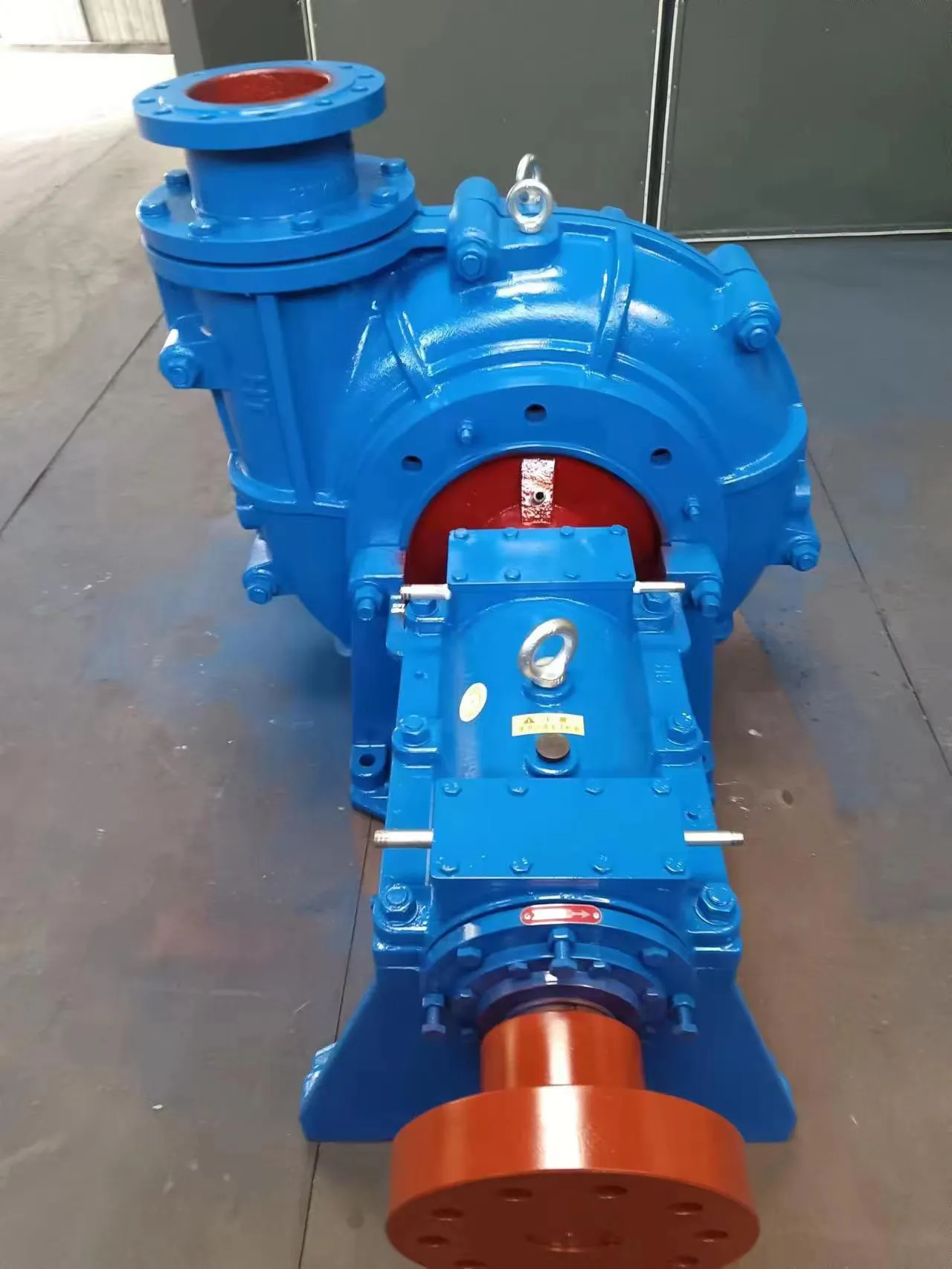
Slurry pumps are critical components in numerous industrial processes, particularly those involving the transport of abrasive or corrosive materials. The “slurry pump price in kerala” market is driven by the region's substantial mineral processing, construction, and wastewater treatment industries. These pumps are designed to handle mixtures of liquids and solid particles, distinguishing them from standard centrifugal pumps. Their robust construction and specialized impeller designs are crucial for maintaining efficiency and longevity in challenging applications. This guide provides a comprehensive technical overview of slurry pumps, covering material science, manufacturing processes, performance characteristics, failure modes, maintenance protocols, and relevant industry standards. Understanding these aspects is paramount for informed procurement and optimal operational performance, directly impacting the total cost of ownership (TCO) in Kerala’s specific industrial landscape. The price of these pumps in Kerala is significantly impacted by factors such as pump capacity, materials of construction, motor specifications, and the supplier's logistical capabilities.
Material Science & Manufacturing
The performance and lifespan of a slurry pump are intrinsically linked to the materials used in its construction. Common materials include high-chromium cast iron (typically 26-30% Cr) for the impeller and casing, offering excellent abrasion resistance. For highly corrosive slurries, duplex stainless steels (e.g., 2205, 2507) or super austenitic stainless steels are employed, providing superior resistance to pitting and crevice corrosion. Elastomer linings, such as natural rubber or synthetic polymers (e.g., polyurethane), are often applied to the casing to further enhance corrosion resistance and reduce noise. Manufacturing processes vary based on component complexity. Casings are typically produced through sand casting, employing precise pattern making and controlled cooling rates to minimize residual stresses. Impellers are often investment cast to achieve intricate geometries and tight tolerances. Shafts are forged from alloy steels and subjected to heat treatment to maximize tensile strength and fatigue resistance. Welding processes, particularly shielded metal arc welding (SMAW) and submerged arc welding (SAW), are utilized for joining critical components. Critical parameters during manufacturing include chemical composition control, hardness testing (Brinell, Rockwell), non-destructive testing (NDT) – including radiographic inspection and ultrasonic testing – to detect flaws, and dimensional accuracy verification using coordinate measuring machines (CMMs). The Kerala market often demands pumps fabricated with materials suitable for handling monazite sand slurries, requiring specific attention to corrosion and abrasion resistance.
Performance & Engineering
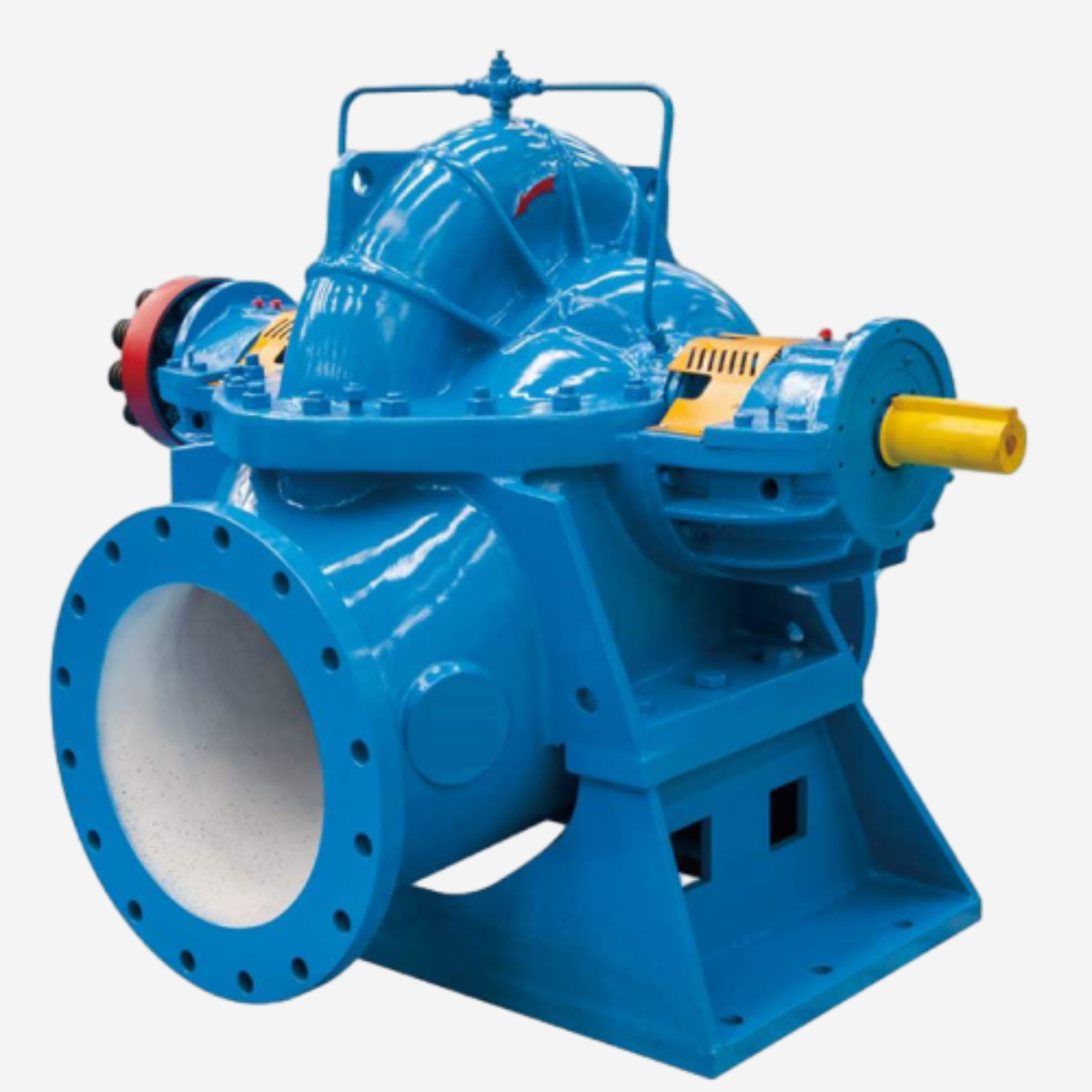
Slurry pump performance is governed by several key engineering principles. Pump curves, depicting head (H) versus flow rate (Q) at a specific impeller diameter and speed, are essential for selecting the appropriate pump for a given application. Net Positive Suction Head Required (NPSHr) is a critical parameter to prevent cavitation, which can severely damage the impeller. Cavitation occurs when the absolute pressure at the pump inlet falls below the vapor pressure of the liquid, forming vapor bubbles that collapse violently. Force analysis involves evaluating radial and axial forces exerted on the impeller by the slurry. These forces are influenced by slurry density, particle size distribution, and flow velocity. Hydraulic design focuses on optimizing impeller geometry to maximize efficiency and minimize wear. Volute casing design plays a crucial role in converting velocity energy into pressure energy. Environmental resistance is a key consideration, particularly in coastal regions of Kerala where salt spray can accelerate corrosion. Compliance requirements, such as adherence to ISO 9001 quality management systems and ATEX directives for pumps operating in potentially explosive atmospheres, are paramount. The pump’s mechanical seal design is critical for preventing leakage and ensuring reliable operation. Single mechanical seals are suitable for less demanding applications, while double mechanical seals with a barrier fluid are used for highly abrasive or toxic slurries. Proper alignment between the pump and motor is essential to minimize vibration and extend bearing life.
Technical Specifications
| Pump Type | Capacity (m³/hr) | Head (m) | Maximum Solids Size (mm) | Material of Construction (Casing) | Material of Construction (Impeller) |
|---|---|---|---|---|---|
| Centrifugal | 5 - 500 | 5 - 80 | Up to 150 | High-Chromium Cast Iron | High-Chromium Cast Iron |
| Positive Displacement (Diaphragm) | 0.1 - 50 | Up to 100 | Up to 75 | Polypropylene | Elastomer |
| Vertical Turbine | 10 - 1000 | 10 - 150 | Up to 100 | Stainless Steel (316) | Stainless Steel (316) |
| Slurry Sump Pump | 20 - 800 | 8 - 60 | Up to 200 | Rubber-Lined Steel | High-Chromium Cast Iron |
| Submersible Slurry Pump | 10 - 300 | 15 - 70 | Up to 80 | Cast Iron | High-Chromium Cast Iron |
| Peristaltic Pump | 0.01 - 20 | Up to 50 | Up to 25 | Rubber | Rubber |
Failure Mode & Maintenance
Slurry pump failures are often attributed to abrasive wear, corrosion, erosion, and cavitation. Abrasive wear occurs when solid particles impinge on pump components, gradually removing material. Corrosion is caused by chemical reactions between the slurry and pump materials. Erosion is a combined effect of abrasion and corrosion, exacerbated by high flow velocities. Cavitation, as previously mentioned, can cause significant impeller damage. Fatigue cracking can occur in shafts and impellers due to cyclic loading. Delamination of elastomer linings can reduce corrosion resistance. Oxidation of metallic components can lead to material degradation. Predictive maintenance techniques, such as vibration analysis, oil analysis, and thermal imaging, are crucial for detecting early signs of failure. Regular inspections of mechanical seals, bearings, and impeller wear are essential. Maintenance procedures include impeller replacement, casing relining, bearing lubrication, and seal replacement. Proper slurry handling practices, such as controlling particle size distribution and minimizing slurry velocity, can significantly extend pump lifespan. In the Kerala context, the high humidity and coastal environment necessitate frequent inspection for corrosion, particularly in pumps handling seawater or brackish water.
Industry FAQ
Q: What is the typical lead time for a custom-configured slurry pump in Kerala?
A: Lead times vary depending on the pump's complexity and material availability. Typically, a standard pump can be delivered within 4-6 weeks, while a fully customized pump, particularly one requiring specialized materials or unique impeller designs, can take 8-12 weeks or longer. Import duties and logistical considerations in Kerala can also extend the lead time.
Q: How does the pump's material selection affect the total cost of ownership (TCO)?
A: While high-chromium cast iron offers good abrasion resistance at a lower initial cost, pumps handling highly corrosive slurries require more expensive materials like duplex stainless steel or super austenitic alloys. Though the upfront investment is higher, these materials significantly extend pump life and reduce maintenance frequency, resulting in lower TCO over the pump's operational lifespan.
Q: What are the key considerations when selecting a mechanical seal for a specific slurry application?
A: The slurry's abrasiveness, corrosiveness, and temperature are crucial factors. For abrasive slurries, hardened seal faces are recommended. For corrosive slurries, materials like silicon carbide or tungsten carbide are preferred. Double mechanical seals with a barrier fluid are often necessary for handling toxic or flammable slurries.
Q: How can vibration analysis be used to diagnose slurry pump problems?
A: Increased vibration levels can indicate several issues, including impeller imbalance, bearing failure, misalignment, or cavitation. Analyzing the frequency spectrum of the vibration signal can help pinpoint the root cause of the problem. For example, a frequency corresponding to the impeller's rotational speed suggests imbalance, while a higher frequency may indicate bearing defects.
Q: What are the common causes of pump cavitation and how can it be prevented?
A: Cavitation occurs when the NPSHa (Net Positive Suction Head Available) is less than the NPSHr (Net Positive Suction Head Required). This can be caused by high suction lift, low inlet pressure, or excessive flow velocity. Prevention strategies include reducing suction lift, increasing inlet pressure, decreasing flow velocity, and ensuring adequate pipe diameter.
Conclusion
The selection and maintenance of slurry pumps are complex processes requiring a thorough understanding of material science, hydraulic engineering, and operational considerations. The “slurry pump price in kerala” is not solely defined by the initial purchase cost but also by long-term factors like reliability, efficiency, and maintenance requirements. Choosing the right pump, fabricated from appropriate materials, and implementing a robust predictive maintenance program are essential for minimizing downtime, reducing operational costs, and maximizing the return on investment.
Future advancements in slurry pump technology are likely to focus on developing more wear-resistant materials, improving hydraulic designs to enhance efficiency, and incorporating smart sensors for real-time performance monitoring and predictive maintenance. The Kerala industrial sector’s continued growth will necessitate a demand for increasingly sophisticated and reliable slurry pumping solutions.
-
Precision at the Pump: How Better Machining Protects Flow and Uptime
News2026-11-20
-
Why Pump Reliability Begins Before the First Drop of Fluid
News2026-11-20
-
Beyond the Pump: Designing Safer Access Around Critical Water Infrastructure
News2026-11-20
-
Why Pumping Stations Depend on the Infrastructure Beneath the Pumps
News2026-11-20
-
Beyond the Pump Room: How Smarter Loading Protects Industrial Equipment
News2026-11-19
-
When Pumps Stop: Designing More Resilient Power for Critical Pumping Systems
News2026-11-19
-
The Hidden Role of Dust and Gas Monitoring in Reliable Pump Operations
News2026-11-19
-
The Hidden Role of Mineral Compounds in Extending Industrial Pump Lifespan
News2026-10-12
-
Why Pump System Reliability Depends on Precision Hose Assembly Methods
News2026-09-15
-
How Advanced Imaging Films Are Transforming Pump Component Quality Control
News2026-08-25
-
How Advanced Filtration Protects Pump Systems from Premature Wear and Costly Downtime
News2026-08-25
-
How Steel Material Selection Drives Pump Reliability in Heavy-Duty Systems
News2026-08-25
-
Ensuring Pump System Efficiency: The Role of High-Quality Pipe Fittings and Tubing
News2026-08-24
-
Optimizing Fluid Dynamics and Material Consistency in Industrial Processing
News2026-08-18
-
Innovations and Challenges in Hydraulic Systems for Heavy Machinery
News2026-08-13




