English
- Afrikaans
- Albanian
- Amharic
- Arabic
- Armenian
- Azerbaijani
- Basque
- Belarusian
- Bengali
- Bosnian
- Bulgarian
- Catalan
- Cebuano
- Corsican
- Croatian
- Czech
- Danish
- Dutch
- English
- Esperanto
- Estonian
- Finnish
- French
- Frisian
- Galician
- Georgian
- German
- Greek
- Gujarati
- Haitian Creole
- hausa
- hawaiian
- Hebrew
- Hindi
- Miao
- Hungarian
- Icelandic
- igbo
- Indonesian
- irish
- Italian
- Japanese
- Javanese
- Kannada
- kazakh
- Khmer
- Rwandese
- Korean
- Kurdish
- Kyrgyz
- Lao
- Latin
- Latvian
- Lithuanian
- Luxembourgish
- Macedonian
- Malgashi
- Malay
- Malayalam
- Maltese
- Maori
- Marathi
- Mongolian
- Myanmar
- Nepali
- Norwegian
- Norwegian
- Occitan
- Pashto
- Persian
- Polish
- Portuguese
- Punjabi
- Romanian
- Russian
- Samoan
- Scottish Gaelic
- Serbian
- Sesotho
- Shona
- Sindhi
- Sinhala
- Slovak
- Slovenian
- Somali
- Spanish
- Sundanese
- Swahili
- Swedish
- Tagalog
- Tajik
- Tamil
- Tatar
- Telugu
- Thai
- Turkish
- Turkmen
- Ukrainian
- Urdu
- Uighur
- Uzbek
- Vietnamese
- Welsh
- Bantu
- Yiddish
- Yoruba
- Zulu

Telephone: +86 13120555503
Email: frank@cypump.com


Apr . 01, 2024 17:55 Back to list
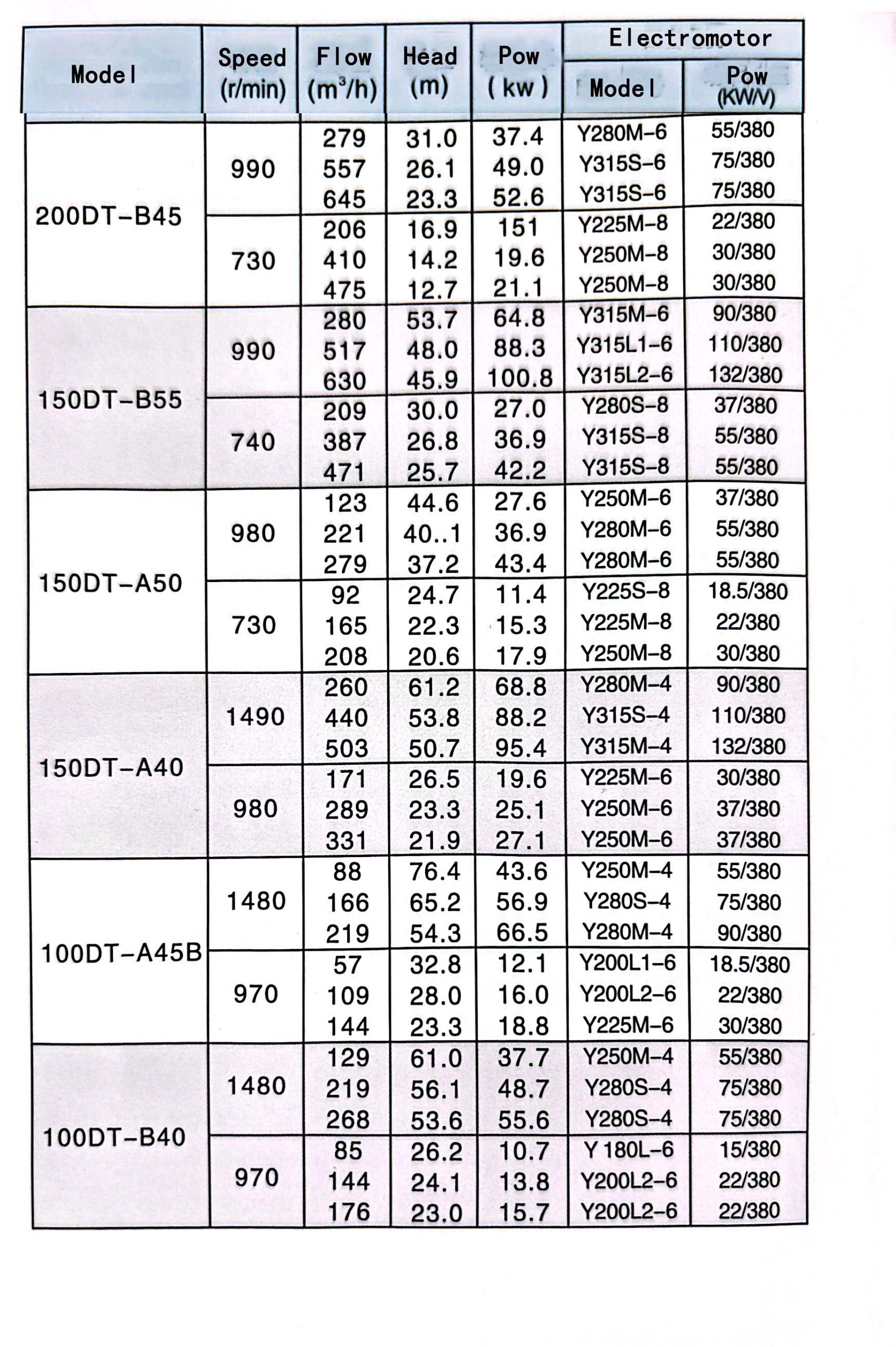
slurry pump Performance Analysis
Introduction
Slurry pumps are heavy-duty pumps specifically engineered to transport abrasive, erosive, and corrosive slurries. Their technical position within the industrial chain resides primarily within the mineral processing, wastewater treatment, dredging, and chemical industries, acting as a critical component in material handling systems. Unlike centrifugal pumps designed for clean fluids, slurry pumps incorporate design features to mitigate wear and maintain efficiency when handling solid-liquid mixtures. Core performance characteristics are defined by flow rate (typically measured in gallons per minute or cubic meters per hour), head (pressure generated, measured in feet or meters), solids handling capability (maximum particle size and concentration by weight or volume), and materials of construction selected to resist the specific slurry composition. A key pain point in the industry is balancing pump longevity with operational cost; incorrect material selection or improper pump sizing leads to premature failure and significant downtime, impacting overall process efficiency and profitability.
Material Science & Manufacturing
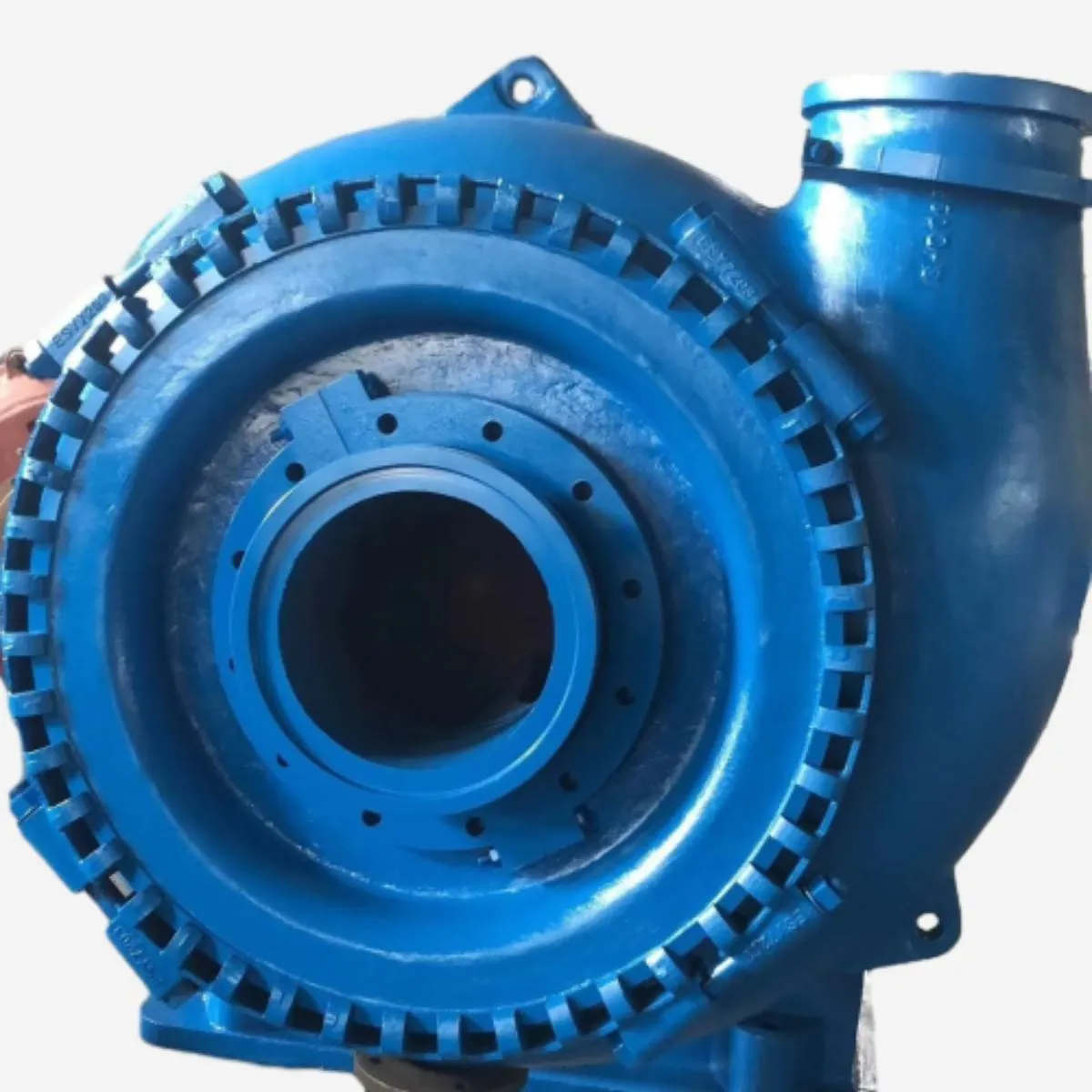
Slurry pump construction relies heavily on specialized material science. Common materials include high-chrome cast iron (offering excellent abrasion resistance), stainless steels (for corrosion resistance, particularly in acidic or alkaline slurries – 304, 316, duplex stainless steels are frequently used), rubber linings (providing cushioning and erosion protection), and various polymer coatings (e.g., polyurethane, epoxy) for enhanced chemical resistance. The selection is dictated by the slurry's pH, abrasive particle size and composition (e.g., silica, alumina, gravel), and operating temperature. Manufacturing processes vary depending on component. Pump casings are often manufactured via sand casting, utilizing patterns created with 3D printing or traditional methods. Impellers, the rotational heart of the pump, are typically investment cast for complex geometries and tight tolerances. Shafts are forged from alloy steels and subsequently machined and heat-treated for optimal strength and fatigue resistance. Critical parameters during manufacturing include consistent alloy composition verification through spectroscopic analysis, proper heat treatment cycles to achieve desired hardness and tensile strength, and precise dimensional control verified by Coordinate Measuring Machines (CMM). Welding procedures, when used, must adhere to stringent standards (e.g., AWS D1.1) to ensure weld integrity and prevent corrosion initiation points. Rubber lining application requires careful surface preparation and vulcanization processes to achieve a strong, durable bond.
Performance & Engineering
Slurry pump performance is heavily influenced by fluid mechanics and the characteristics of the slurry itself. Force analysis considers hydrostatic pressure, dynamic pressure from impeller rotation, and the impact forces exerted by solid particles. Cavitation, a major concern, occurs when the liquid pressure drops below its vapor pressure, forming vapor bubbles that collapse and erode the impeller. Engineers mitigate cavitation through proper pump selection (Net Positive Suction Head Required - NPSHr must be less than Net Positive Suction Head Available - NPSHa), impeller design optimization, and operating speed control. Environmental resistance is critical; pumps operating outdoors require robust coatings to prevent corrosion from atmospheric exposure. Compliance requirements vary by region and application. For example, pumps used in the food and beverage industry must meet 3-A Sanitary Standards. Wastewater treatment applications often necessitate compliance with EPA regulations regarding pump efficiency and seal leakage. Functional implementation involves careful system design, including pipe sizing to minimize frictional losses, strainer selection to prevent oversized particles from entering the pump, and the incorporation of relief valves to protect against overpressure. Pump curves, generated through hydraulic testing, are essential for selecting the appropriate pump for a given application, ensuring optimal performance and minimizing energy consumption. The use of computational fluid dynamics (CFD) modelling is increasingly common to predict pump performance and identify potential design flaws before prototyping.
Technical Specifications
| Parameter | Unit | Typical Range (Small Pump) | Typical Range (Large Pump) |
|---|---|---|---|
| Flow Rate | GPM (US) | 50 - 250 | 500 - 5000 |
| Head | ft | 20 - 100 | 100 - 300 |
| Solids Handling Size | in | Up to 0.5 | Up to 4 |
| Slurry Concentration (Weight %) | % | Up to 20 | Up to 70 |
| Pump Material (Casing) | - | High-Chrome Cast Iron | Stainless Steel (316, Duplex) |
| Pump Material (Impeller) | - | High-Chrome Cast Iron | High-Chrome Cast Iron, Rubber Lined |
Failure Mode & Maintenance
Slurry pump failures are often attributed to wear, corrosion, and erosion. Fatigue cracking can occur in the pump shaft or casing due to cyclical loading and stress concentration, particularly in welds. Delamination of rubber linings is common if the bonding process is inadequate or if the slurry contains aggressive chemicals. Degradation of polymer coatings can result from prolonged exposure to UV radiation or harsh chemicals. Oxidation of metallic components, especially in the presence of chlorides, accelerates corrosion. Regular maintenance is crucial. This includes visual inspections for wear, checking bearing lubrication, monitoring seal leakage, and performing regular impeller and casing inspections. Vibration analysis can detect early signs of bearing failure or impeller imbalance. Preventive maintenance schedules should be tailored to the specific slurry composition and operating conditions. When replacing components, it's essential to use OEM-approved parts or equivalent materials to ensure compatibility and maintain performance. Non-destructive testing (NDT) methods, such as ultrasonic testing and radiographic inspection, can identify hidden cracks or defects before they lead to catastrophic failure. Proper pump alignment is also critical to minimize bearing loads and extend pump life. Implementing a robust data logging system to track pump performance and maintenance activities can facilitate predictive maintenance and optimize operational efficiency.
Industry FAQ
Q: What is the best material for a slurry pump handling a highly abrasive silica slurry with a pH of 2?
A: For a highly abrasive silica slurry at pH 2 (acidic), a duplex stainless steel (e.g., 2205) casing and a high-chrome cast iron impeller are recommended. The duplex stainless steel provides excellent corrosion resistance in the acidic environment, while the high-chrome cast iron offers superior abrasion resistance against the silica particles. A rubber lining on the impeller can further extend its lifespan by providing cushioning against impact.
Q: How do I determine the correct pump size for a given application?
A: Pump sizing requires careful consideration of the system's flow rate, head, and slurry characteristics. You need to calculate the total dynamic head (TDH) of the system, accounting for static lift, friction losses in the piping, and the pressure required at the discharge point. Then, select a pump whose performance curve intersects your required flow rate and TDH. Always factor in a safety margin to account for variations in slurry concentration and operating conditions.
Q: What are the common causes of impeller wear in slurry pumps?
A: Common causes include abrasion from solid particles, erosion from high-velocity slurry flow, and corrosion from aggressive chemical components. Cavitation also contributes significantly to impeller wear. Proper pump selection, impeller material selection, and operating within the pump's design parameters are crucial to minimize wear.
Q: How can I prevent cavitation in a slurry pump?
A: Preventing cavitation requires ensuring that the Net Positive Suction Head Available (NPSHa) is greater than the Net Positive Suction Head Required (NPSHr) by the pump. This involves minimizing suction lift, increasing suction pipe diameter, reducing fluid temperature, and ensuring adequate suction pressure. Regularly inspect the impeller for signs of cavitation damage.
Q: What are the benefits of using a variable frequency drive (VFD) with a slurry pump?
A: A VFD allows you to control the pump's speed, enabling you to adjust the flow rate to match process requirements. This can result in significant energy savings, reduced wear and tear on the pump, and improved process control. VFDs are particularly beneficial in applications with fluctuating flow demands.
Conclusion
Slurry pump technology represents a critical intersection of materials science, fluid mechanics, and robust engineering design. Selecting the correct pump for a specific slurry application is a complex process requiring a thorough understanding of slurry properties, operating conditions, and potential failure modes. Failure to adequately address these factors can lead to premature pump failure, increased maintenance costs, and process disruptions.
Looking forward, advancements in materials science, such as the development of new abrasion-resistant alloys and polymer coatings, will continue to improve slurry pump performance and longevity. The integration of sensor technology and data analytics will enable predictive maintenance strategies, minimizing downtime and optimizing operational efficiency. Furthermore, a greater emphasis on energy efficiency and sustainable design will drive the development of more environmentally friendly slurry pump solutions.
-
Comprehensive Guide to Waterproof ORings for Optimal Sealing Solutions
News2026-06-09
-
Septic Pump System Performance Analysis
News2026-06-08
-
pump for septic Material Science
News2026-06-08
-
basement sewer pump Performance Analysis
News2026-06-08
-
submerged pump Performance Engineering
News2026-06-08
-
Septic System Pumps Performance Analysis
News2026-06-08
-
septic system pump Material Science and Manufacturing
News2026-06-07
-
pump for septic tank Material Science Manufacturing
News2026-06-07
-
submersible sewage pump Material Science
News2026-06-07
-
Sewage Ejector Material Science and Manufacturing
News2026-06-07
-
Ejection Pump Material Science
News2026-06-07
-
pump submersible Performance Analysis
News2026-06-06
-
ejector pumps Performance Engineering
News2026-06-06
-
basement ejector pump Material Science Manufacturing
News2026-06-06
-
Septic Tanks Pumping Performance Analysis
News2026-06-06




