English
- Afrikaans
- Albanian
- Amharic
- Arabic
- Armenian
- Azerbaijani
- Basque
- Belarusian
- Bengali
- Bosnian
- Bulgarian
- Catalan
- Cebuano
- Corsican
- Croatian
- Czech
- Danish
- Dutch
- English
- Esperanto
- Estonian
- Finnish
- French
- Frisian
- Galician
- Georgian
- German
- Greek
- Gujarati
- Haitian Creole
- hausa
- hawaiian
- Hebrew
- Hindi
- Miao
- Hungarian
- Icelandic
- igbo
- Indonesian
- irish
- Italian
- Japanese
- Javanese
- Kannada
- kazakh
- Khmer
- Rwandese
- Korean
- Kurdish
- Kyrgyz
- Lao
- Latin
- Latvian
- Lithuanian
- Luxembourgish
- Macedonian
- Malgashi
- Malay
- Malayalam
- Maltese
- Maori
- Marathi
- Mongolian
- Myanmar
- Nepali
- Norwegian
- Norwegian
- Occitan
- Pashto
- Persian
- Polish
- Portuguese
- Punjabi
- Romanian
- Russian
- Samoan
- Scottish Gaelic
- Serbian
- Sesotho
- Shona
- Sindhi
- Sinhala
- Slovak
- Slovenian
- Somali
- Spanish
- Sundanese
- Swahili
- Swedish
- Tagalog
- Tajik
- Tamil
- Tatar
- Telugu
- Thai
- Turkish
- Turkmen
- Ukrainian
- Urdu
- Uighur
- Uzbek
- Vietnamese
- Welsh
- Bantu
- Yiddish
- Yoruba
- Zulu

Telephone: +86 13120555503
Email: frank@cypump.com


Apr . 01, 2024 17:55 Back to list
Slurry Pump PDF Performance Analysis
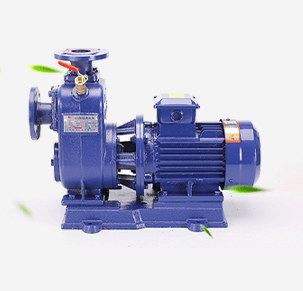
Introduction
Slurry pumps are heavy-duty centrifugal pumps specifically engineered to transport abrasive or erosive fluids – collectively termed ‘slurries’ – containing solid particles. These pumps are critical components in a vast array of industries including mining, wastewater treatment, dredging, chemical processing, and oil & gas, where the reliable and efficient transfer of these challenging materials is paramount. Unlike standard centrifugal pumps, slurry pumps are designed with specific features to mitigate wear and maintain performance in the face of abrasive particle impact, corrosion, and potential clogging. Their technical position within the industry chain lies between the initial processing of raw materials (e.g., mining ore) and subsequent processing or disposal stages. Core performance characteristics include flow rate (typically measured in gallons per minute or cubic meters per hour), head (expressed as feet or meters of liquid column), solids handling capability (diameter and concentration), and overall pump life expectancy under specific operating conditions. Understanding these parameters is crucial for optimal pump selection and system design. The increasing demand for resource extraction and environmental remediation drives continuous innovation in slurry pump technology, focusing on increased efficiency, reduced maintenance, and extended operational lifespan.
Material Science & Manufacturing
The construction of slurry pumps relies on a careful selection of materials to withstand the aggressive nature of the pumped media. Common materials include high-chromium cast irons (typically 13-28% chromium) offering exceptional abrasion resistance, specialized alloys like duplex stainless steels for corrosion resistance in acidic or saline environments, and rubber linings (natural or synthetic) for impact attenuation and corrosion protection. The impeller and volute casing, the core hydraulic components, are often manufactured from these wear-resistant materials. Manufacturing processes vary depending on the pump size and component complexity. Impellers are frequently produced via sand casting, utilizing patterns created with 3D printing for intricate designs. The casting process is followed by heat treatment to optimize the material’s hardness and toughness. Volute casings are often manufactured using investment casting or centrifugal casting for larger pumps, enabling precise dimensional control and minimizing porosity. Welding is a critical joining process, employing shielded metal arc welding (SMAW) or gas tungsten arc welding (GTAW) with specific filler metals selected for compatibility with the base materials and the slurry composition. Key parameter control during manufacturing focuses on ensuring proper material composition, minimizing defects like porosity and inclusions in castings, maintaining accurate dimensional tolerances to optimize hydraulic performance, and achieving consistent weld quality through careful control of welding parameters (current, voltage, travel speed) and post-weld heat treatment. The hardness of the materials, as measured by Rockwell hardness testing, directly impacts abrasion resistance and pump life. Surface treatments like hardfacing with tungsten carbide further enhance wear resistance in high-wear areas.
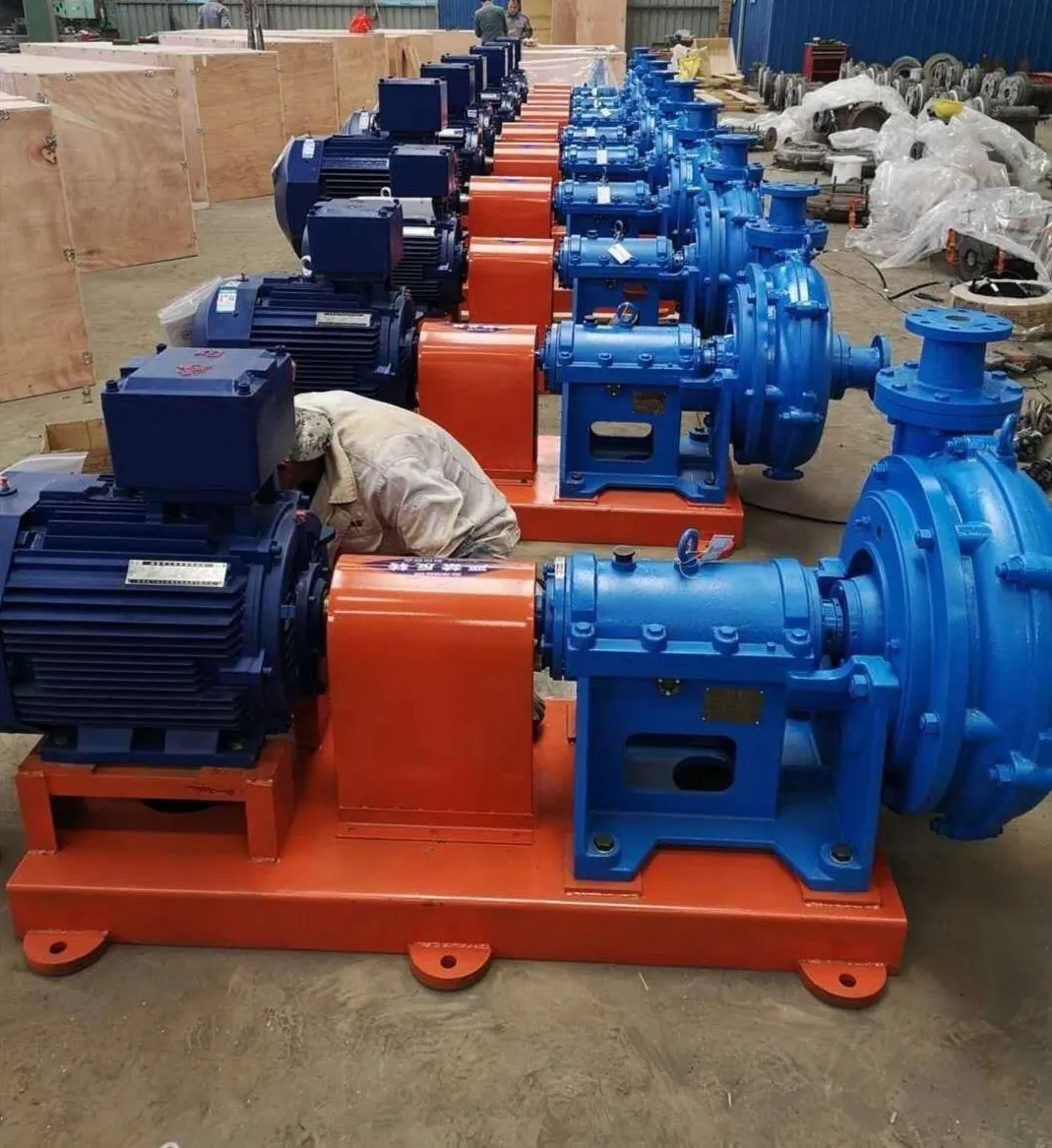
Performance & Engineering
Slurry pump performance is fundamentally governed by hydraulic principles, but significantly influenced by the slurry’s rheological properties. The flow of slurry isn't Newtonian, meaning its viscosity changes with shear rate and solids concentration. Force analysis considers not only the fluid forces but also the impact forces exerted by solid particles on the impeller and casing. Erosion is a significant concern, and its rate is dependent on particle size, shape, velocity, and impact angle. Pump design incorporates features to minimize erosion, such as the use of recessed impellers, which reduce the direct impact of solids. Environmental resistance is crucial, particularly in corrosive environments. The selection of appropriate materials and coatings is paramount to preventing corrosion-related failures. Compliance requirements vary by region and application, including adherence to safety standards (e.g., ATEX for potentially explosive atmospheres), environmental regulations (e.g., regarding discharge limits), and industry-specific standards (e.g., API 674 for reciprocating pumps, but relevant considerations extend to slurry pump design). Functional implementation considers factors like pump speed, impeller diameter, and casing geometry to achieve the desired flow rate and head. The Net Positive Suction Head Required (NPSHr) is a critical parameter, as insufficient suction head can lead to cavitation, damaging the impeller and reducing pump performance. Proper system design, including adequate suction piping and elevation, is essential to avoid cavitation.
Technical Specifications
| Parameter | Unit | Typical Range (Small Pump) | Typical Range (Large Pump) |
|---|---|---|---|
| Flow Rate | GPM (US) | 50 - 250 | 500 - 5000 |
| Head | ft | 20 - 80 | 100 - 300 |
| Solids Handling Size | in | 0.5 - 2 | 2 - 8 |
| Slurry Concentration (Weight %) | % | 10 - 30 | 30 - 70 |
| Pump Speed | RPM | 800 - 1800 | 600 – 1200 |
| Power | HP | 5 - 25 | 50 - 250 |
Failure Mode & Maintenance
Slurry pump failures are often attributed to abrasive wear, corrosion, erosion, and mechanical fatigue. Abrasive wear occurs due to the constant impact of solid particles, leading to material loss and dimensional changes in the impeller and casing. Corrosion, particularly in acidic or saline slurries, weakens the material structure and promotes pitting. Erosion, a combination of wear and corrosion, is accelerated by high slurry velocities. Fatigue cracking can occur in components subjected to cyclical stresses, such as the impeller and shaft. Delamination, the separation of layers in rubber linings, reduces their protective effectiveness. Oxidation can degrade metallic components over time. Failure analysis often involves metallographic examination to identify wear patterns, corrosion products, and crack initiation sites. Preventive maintenance is crucial and includes regular inspections for wear, lubrication of bearings, tightening of bolts, and replacement of worn components. Impeller and casing replacements are common maintenance tasks. Monitoring pump vibration levels can provide early warning signs of bearing failure or imbalance. Implementing a robust preventative maintenance schedule, coupled with regular performance monitoring and failure analysis, significantly extends pump life and minimizes downtime. The use of wear-resistant coatings and materials can further mitigate failure rates. Proper slurry preparation (e.g., screening to remove oversized particles) can also reduce wear and improve pump performance.
Industry FAQ
Q: What is the primary difference between a slurry pump and a centrifugal pump designed for clean liquids?
A: The primary difference lies in the design features incorporated to handle abrasive solids. Slurry pumps have larger clearances, recessed impellers (reducing direct solids impact), and are constructed from wear-resistant materials like high-chromium cast iron. Clean liquid centrifugal pumps typically have tighter tolerances and are made from materials less resistant to abrasion.
Q: How does slurry concentration affect pump performance and wear rates?
A: Increasing slurry concentration generally reduces pump efficiency due to increased viscosity and energy losses. It also significantly increases wear rates, as the frequency and force of particle impacts on pump components are higher. Proper pump selection must account for the anticipated slurry concentration.
Q: What is NPSHr, and why is it critical for slurry pumps?
A: NPSHr (Net Positive Suction Head Required) is the minimum pressure required at the pump suction to prevent cavitation. Slurries are more prone to cavitation due to their density and potential for gas entrapment. Insufficient NPSH can lead to impeller damage and reduced pump performance.
Q: What materials are best suited for handling highly corrosive slurries?
A: Duplex stainless steels, super duplex stainless steels, and specialized polymer linings are often used for highly corrosive slurries. The specific material selection depends on the slurry's chemical composition, concentration, and temperature. Rubber linings can also provide excellent corrosion resistance, depending on the chemical compatibility.
Q: What are the key indicators that a slurry pump requires maintenance?
A: Key indicators include increased vibration levels, reduced flow rate, increased power consumption, unusual noises (grinding or rattling), and visible signs of wear (e.g., erosion or corrosion). Regular inspections and performance monitoring are essential for early detection of maintenance needs.
Conclusion
Slurry pumps represent a specialized yet crucial technology for industries dealing with abrasive and erosive fluids. Their performance and longevity are inextricably linked to meticulous material selection, robust manufacturing processes, and diligent maintenance practices. Understanding the complex interplay between slurry characteristics, pump design, and operating conditions is paramount for optimizing performance and minimizing life-cycle costs.
Looking ahead, advancements in computational fluid dynamics (CFD) modeling will enable more precise pump design optimization for specific slurry applications. The development of new wear-resistant materials and coatings promises to further extend pump life and reduce maintenance requirements. Continued innovation in monitoring and diagnostic technologies will enable predictive maintenance strategies, maximizing pump uptime and operational efficiency.
-
Precision at the Pump: How Better Machining Protects Flow and Uptime
News2026-11-20
-
Why Pump Reliability Begins Before the First Drop of Fluid
News2026-11-20
-
Beyond the Pump: Designing Safer Access Around Critical Water Infrastructure
News2026-11-20
-
Why Pumping Stations Depend on the Infrastructure Beneath the Pumps
News2026-11-20
-
Beyond the Pump Room: How Smarter Loading Protects Industrial Equipment
News2026-11-19
-
When Pumps Stop: Designing More Resilient Power for Critical Pumping Systems
News2026-11-19
-
The Hidden Role of Dust and Gas Monitoring in Reliable Pump Operations
News2026-11-19
-
The Hidden Role of Mineral Compounds in Extending Industrial Pump Lifespan
News2026-10-12
-
Why Pump System Reliability Depends on Precision Hose Assembly Methods
News2026-09-15
-
How Advanced Imaging Films Are Transforming Pump Component Quality Control
News2026-08-25
-
How Advanced Filtration Protects Pump Systems from Premature Wear and Costly Downtime
News2026-08-25
-
How Steel Material Selection Drives Pump Reliability in Heavy-Duty Systems
News2026-08-25
-
Ensuring Pump System Efficiency: The Role of High-Quality Pipe Fittings and Tubing
News2026-08-24
-
Optimizing Fluid Dynamics and Material Consistency in Industrial Processing
News2026-08-18
-
Innovations and Challenges in Hydraulic Systems for Heavy Machinery
News2026-08-13




