English
- Afrikaans
- Albanian
- Amharic
- Arabic
- Armenian
- Azerbaijani
- Basque
- Belarusian
- Bengali
- Bosnian
- Bulgarian
- Catalan
- Cebuano
- Corsican
- Croatian
- Czech
- Danish
- Dutch
- English
- Esperanto
- Estonian
- Finnish
- French
- Frisian
- Galician
- Georgian
- German
- Greek
- Gujarati
- Haitian Creole
- hausa
- hawaiian
- Hebrew
- Hindi
- Miao
- Hungarian
- Icelandic
- igbo
- Indonesian
- irish
- Italian
- Japanese
- Javanese
- Kannada
- kazakh
- Khmer
- Rwandese
- Korean
- Kurdish
- Kyrgyz
- Lao
- Latin
- Latvian
- Lithuanian
- Luxembourgish
- Macedonian
- Malgashi
- Malay
- Malayalam
- Maltese
- Maori
- Marathi
- Mongolian
- Myanmar
- Nepali
- Norwegian
- Norwegian
- Occitan
- Pashto
- Persian
- Polish
- Portuguese
- Punjabi
- Romanian
- Russian
- Samoan
- Scottish Gaelic
- Serbian
- Sesotho
- Shona
- Sindhi
- Sinhala
- Slovak
- Slovenian
- Somali
- Spanish
- Sundanese
- Swahili
- Swedish
- Tagalog
- Tajik
- Tamil
- Tatar
- Telugu
- Thai
- Turkish
- Turkmen
- Ukrainian
- Urdu
- Uighur
- Uzbek
- Vietnamese
- Welsh
- Bantu
- Yiddish
- Yoruba
- Zulu

Telephone: +86 13120555503
Email: frank@cypump.com


Apr . 01, 2024 17:55 Back to list
Slurry Pump Parts Performance Analysis
Introduction
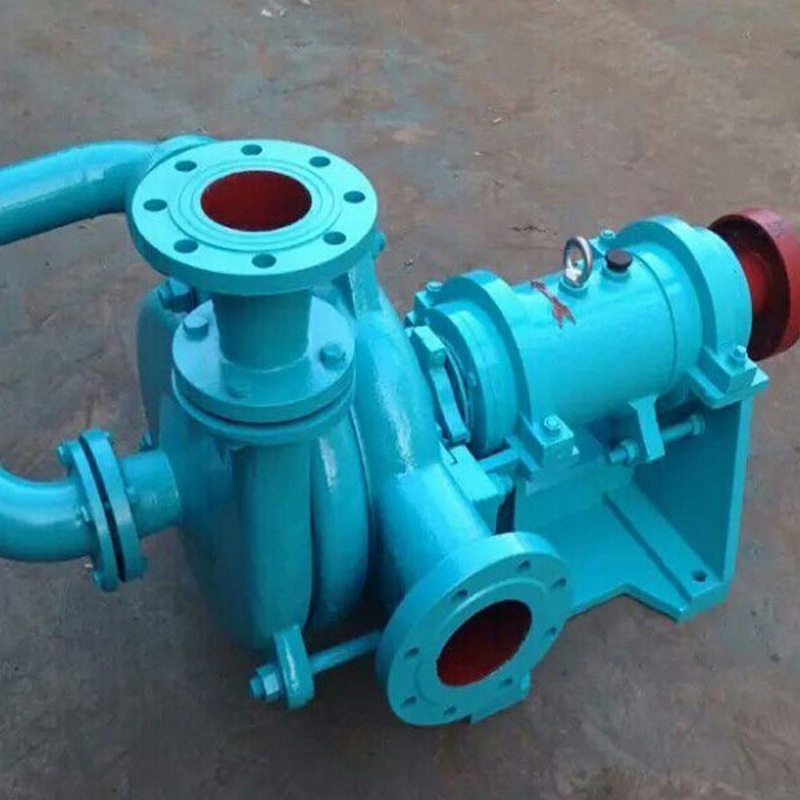
Slurry pump parts are critical components within systems designed for the transportation of abrasive and corrosive fluids, commonly encountered in industries such as mining, wastewater treatment, dredging, and chemical processing. These parts, including impellers, casings, liners, and seals, are engineered to withstand the severe service conditions inherent in slurry handling. Their performance directly impacts the overall efficiency, reliability, and operational cost of the pumping system. A primary industry pain point revolves around the high cost of downtime and replacement stemming from premature component failure due to abrasive wear, corrosion, and erosion. Selecting appropriate materials and understanding the specific slurry characteristics are paramount for maximizing service life and minimizing total cost of ownership. This guide provides an in-depth technical overview of slurry pump parts, covering material science, manufacturing, performance considerations, failure modes, and relevant industry standards.
Material Science & Manufacturing
The performance and longevity of slurry pump parts are heavily dependent on the materials used in their construction. Common materials include high-chrome cast iron, stainless steels (304, 316, duplex), ceramic materials (alumina, silicon carbide), and elastomer linings (natural rubber, synthetic rubber). High-chrome cast iron is frequently chosen for its excellent abrasion resistance, stemming from the formation of hard chromium carbides within the microstructure. However, it exhibits limited corrosion resistance. Stainless steels offer superior corrosion resistance but generally have lower abrasion resistance compared to high-chrome iron, though duplex stainless steels offer a compromise with increased strength and corrosion resistance. Ceramic materials provide exceptional hardness and chemical inertness, making them ideal for highly abrasive and corrosive applications, but they are brittle and susceptible to thermal shock. Elastomer linings are utilized to protect pump casings and impellers from corrosion and erosion, particularly in applications involving low to moderate abrasion.
Manufacturing processes vary depending on the component and material. Casings and impellers are commonly produced through sand casting, investment casting, or centrifugal casting. Sand casting is cost-effective for large components but may result in lower dimensional accuracy and surface finish. Investment casting provides higher precision and surface quality, suitable for complex geometries. Centrifugal casting is used to create hollow cylindrical components with dense, homogenous structures. Impeller vanes often undergo machining operations to achieve final dimensions and surface finish. Linings are typically applied through rubber bonding or ceramic coating techniques. Key parameter control during manufacturing includes chemical composition verification, heat treatment optimization (for cast irons and steels), dimensional inspection, and non-destructive testing (NDT) such as radiographic inspection and ultrasonic testing to detect internal flaws.
Performance & Engineering
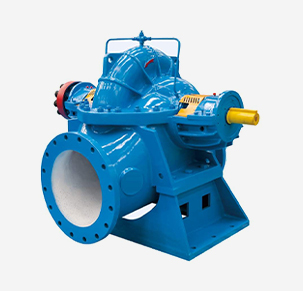
The hydraulic performance of slurry pump parts is dictated by several factors, including impeller geometry, casing design, and slurry characteristics (solids concentration, particle size distribution, and fluid viscosity). Impeller design significantly influences the pump’s head, flow rate, and efficiency. A key engineering challenge is mitigating the impact of solids on impeller performance and preventing clogging. Impellers are often designed with open or semi-open configurations to facilitate solids passage.
Force analysis is crucial in designing components to withstand the stresses imposed by the slurry. These stresses include hydrodynamic forces, abrasive impact forces, and centrifugal forces. Finite element analysis (FEA) is commonly employed to simulate stress distributions and optimize component geometry to minimize stress concentrations. Environmental resistance is another critical performance parameter. Components must be able to withstand the corrosive effects of the slurry and the operating temperature. Corrosion rates are influenced by the slurry’s pH, chemical composition, and temperature. Compliance requirements vary depending on the application and region. For example, pumps used in the food and beverage industry must comply with FDA regulations regarding materials of construction and hygienic design. Pumps used in hazardous environments may require ATEX certification. Wear resistance is often quantified using methods such as the Taber Abrasion test or the slurry erosion test, which simulates the abrasive action of slurry particles on the component surface. Understanding the slurry's particle size distribution (PSD) and hardness is critical to predict erosion rates.
Technical Specifications
| Component | Material | Hardness (BHN) | Tensile Strength (MPa) |
|---|---|---|---|
| Impeller | High-Chrome Cast Iron | 550-650 | 400-600 |
| Casing | Duplex Stainless Steel (2205) | 280-320 | 550-700 |
| Liner | Natural Rubber | 60-70 (Shore A) | 15-25 |
| Shaft | 4140 Alloy Steel | 250-300 | 600-800 |
| Seal | Silicon Carbide | 800-1000 (Vickers) | 300-500 |
| Wear Plate | Ceramic (Alumina) | 900-1200 (Vickers) | 350-450 |
Failure Mode & Maintenance
Slurry pump parts are susceptible to several failure modes, including abrasive wear, corrosion, erosion, fatigue cracking, and cavitation. Abrasive wear is the most common failure mode, occurring due to the impact of solid particles on the component surface. Erosion is a specific type of wear caused by the impingement of high-velocity slurry particles. Corrosion occurs due to chemical reactions between the slurry and the component material. Fatigue cracking can occur in components subjected to cyclic loading. Cavitation results from the formation and collapse of vapor bubbles in the slurry, leading to localized high stresses and material damage.
Failure analysis typically involves visual inspection, microscopic examination, and material testing to identify the root cause of the failure. Preventive maintenance is crucial for extending component life and minimizing downtime. Regular inspection should include visual checks for wear, corrosion, and cracks. Lubrication of bearings and seals is essential for smooth operation. Monitoring slurry characteristics, such as solids concentration and particle size distribution, can help identify potential problems before they lead to failure. Component replacement should be based on a combination of operating hours, inspection results, and performance data. Impeller trimming or re-profiling can sometimes restore performance without requiring complete replacement. Regularly checking shaft alignment is critical for preventing premature seal and bearing failure.
Industry FAQ
Q: What is the primary difference between high-chrome cast iron and duplex stainless steel for slurry pump applications?
A: High-chrome cast iron offers superior abrasion resistance due to its high chromium carbide content, making it ideal for highly abrasive slurries. However, it has limited corrosion resistance. Duplex stainless steel provides a good balance of strength, corrosion resistance, and abrasion resistance, making it suitable for corrosive and moderately abrasive environments. The choice depends on the specific slurry composition and operating conditions.
Q: How does impeller geometry affect pump performance with varying solids concentrations?
A: Impeller geometry plays a crucial role. Open or semi-open impellers are preferred for slurries with high solids concentrations to minimize clogging and facilitate solids passage. The vane angle and impeller diameter also influence the pump’s ability to handle solids without significant performance degradation.
Q: What are the key indicators that a slurry pump liner needs to be replaced?
A: Key indicators include a noticeable decrease in pump efficiency, increased power consumption, higher noise levels, and visible wear or erosion on the liner surface. Regular inspection using ultrasonic thickness testing can also help determine liner remaining life.
Q: What preventative maintenance should be performed on slurry pump seals?
A: Preventative maintenance includes regular inspection for leaks, proper lubrication, ensuring correct shaft alignment, and monitoring seal temperature. Maintaining a clean flushing system for mechanical seals is also crucial to prevent abrasive particle build-up and seal failure.
Q: How important is material certification for slurry pump components?
A: Material certification is critical to ensure that the components meet the specified material requirements and quality standards. Certification verifies the chemical composition, mechanical properties, and traceability of the materials used in construction, contributing to the overall reliability and safety of the pumping system.
Conclusion
Slurry pump parts represent a significant investment in any industrial process relying on fluid transfer of abrasive materials. Selecting the appropriate materials and understanding the nuanced interplay between pump design, slurry characteristics, and operational parameters are essential for achieving optimal performance and minimizing lifecycle costs. The trend towards more sophisticated materials like advanced ceramics and duplex stainless steels, coupled with advancements in computational fluid dynamics (CFD) modeling and FEA, is driving improvements in component durability and efficiency.
Continued innovation in wear-resistant coatings, coupled with predictive maintenance strategies utilizing sensor technology and data analytics, will further enhance the reliability and longevity of slurry pump systems. Prioritizing robust design, meticulous manufacturing, and diligent maintenance practices remains paramount for successfully tackling the challenges associated with slurry handling in demanding industrial applications.
-
Comprehensive Guide to Waterproof ORings for Optimal Sealing Solutions
News2026-06-09
-
Septic Pump System Performance Analysis
News2026-06-08
-
pump for septic Material Science
News2026-06-08
-
basement sewer pump Performance Analysis
News2026-06-08
-
submerged pump Performance Engineering
News2026-06-08
-
Septic System Pumps Performance Analysis
News2026-06-08
-
septic system pump Material Science and Manufacturing
News2026-06-07
-
pump for septic tank Material Science Manufacturing
News2026-06-07
-
submersible sewage pump Material Science
News2026-06-07
-
Sewage Ejector Material Science and Manufacturing
News2026-06-07
-
Ejection Pump Material Science
News2026-06-07
-
pump submersible Performance Analysis
News2026-06-06
-
ejector pumps Performance Engineering
News2026-06-06
-
basement ejector pump Material Science Manufacturing
News2026-06-06
-
Septic Tanks Pumping Performance Analysis
News2026-06-06




