English
- Afrikaans
- Albanian
- Amharic
- Arabic
- Armenian
- Azerbaijani
- Basque
- Belarusian
- Bengali
- Bosnian
- Bulgarian
- Catalan
- Cebuano
- Corsican
- Croatian
- Czech
- Danish
- Dutch
- English
- Esperanto
- Estonian
- Finnish
- French
- Frisian
- Galician
- Georgian
- German
- Greek
- Gujarati
- Haitian Creole
- hausa
- hawaiian
- Hebrew
- Hindi
- Miao
- Hungarian
- Icelandic
- igbo
- Indonesian
- irish
- Italian
- Japanese
- Javanese
- Kannada
- kazakh
- Khmer
- Rwandese
- Korean
- Kurdish
- Kyrgyz
- Lao
- Latin
- Latvian
- Lithuanian
- Luxembourgish
- Macedonian
- Malgashi
- Malay
- Malayalam
- Maltese
- Maori
- Marathi
- Mongolian
- Myanmar
- Nepali
- Norwegian
- Norwegian
- Occitan
- Pashto
- Persian
- Polish
- Portuguese
- Punjabi
- Romanian
- Russian
- Samoan
- Scottish Gaelic
- Serbian
- Sesotho
- Shona
- Sindhi
- Sinhala
- Slovak
- Slovenian
- Somali
- Spanish
- Sundanese
- Swahili
- Swedish
- Tagalog
- Tajik
- Tamil
- Tatar
- Telugu
- Thai
- Turkish
- Turkmen
- Ukrainian
- Urdu
- Uighur
- Uzbek
- Vietnamese
- Welsh
- Bantu
- Yiddish
- Yoruba
- Zulu

Telephone: +86 13120555503
Email: frank@cypump.com


Apr . 01, 2024 17:55 Back to list
Slurry Pump Parts Name Technical Nomenclature and Component Analysis
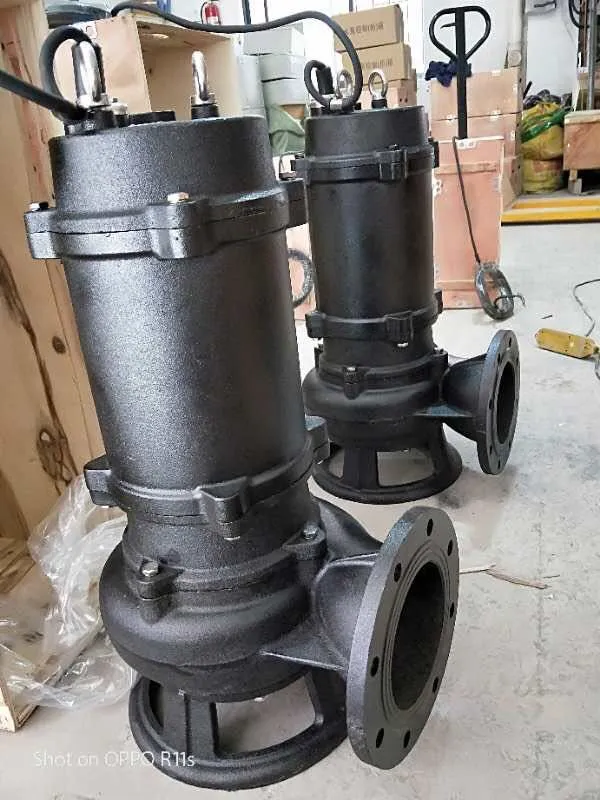
Slurry Pump Parts Name: Technical Nomenclature and Component Analysis
In the hierarchy of industrial fluid handling, slurry pumps occupy a specialized niche designed to transport abrasive, viscous, and often corrosive fluids. The precise identification of slurry pump parts name is not merely a matter of inventory management but is critical for engineering reliability and calculating Mean Time Between Failure (MTBF). A slurry pump is a complex assembly of high-wear components engineered to withstand extreme kinetic energy and chemical degradation. The technical position of these parts within the industry chain spans from metallurgical casting to precision machining, serving critical roles in mining, dredging, oil sands processing, and chemical manufacturing. Understanding the specific nomenclature—ranging from the impeller and volute to the throat bushing and expeller—is essential for optimizing hydraulic efficiency and ensuring the structural integrity of the pump under high-pressure, high-solids-concentration conditions.
Material Science & Manufacturing
The selection of materials for slurry pump parts is dictated by the competing requirements of hardness (to resist abrasion) and toughness (to prevent brittle fracture). The manufacturing process typically begins with the selection of high-chromium white irons (ASTM A532), natural rubber liners, or specialized duplex stainless steels.
1. High-Chromium Alloys: For components like the impeller and volute, alloys containing 25% to 28% chromium are utilized. The manufacturing process involves controlled cooling to promote the formation of hard M7C3 carbides within a martensitic matrix. This microstructure provides the necessary hardness (typically 60-65 HRC) to resist the scouring action of particulate matter.
2. Elastomeric Liners: In environments where the particles are smaller and the impact is less severe, natural rubber or polyurethane is employed. These are manufactured through vulcanization processes, creating a resilient barrier that absorbs the kinetic energy of the slurry, thereby protecting the outer pump casing.
3. Precision Casting and Machining: The production flow involves investment casting or sand casting, followed by rigorous heat treatment (quenching and tempering). Critical tolerances are achieved through CNC grinding, particularly for the shaft sleeves and impeller bores, where a deviation of a few microns can lead to premature seal failure or excessive vibration.
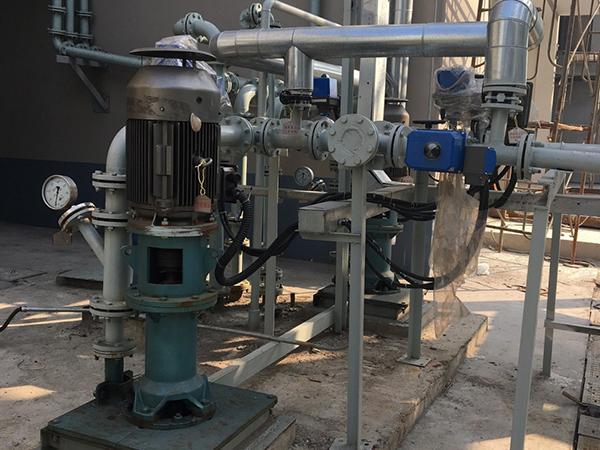
Performance & Engineering
The engineering of slurry pump parts focuses on managing the "abrasion-corrosion" synergy. When a slurry is pumped, the protective oxide layer on the metal surface is mechanically removed by abrasive particles, exposing fresh metal to chemical attack, which in turn accelerates the wear process.
Hydraulic Force Analysis: The impeller is the core of the energy transfer. Engineering focus is placed on the vane profile to minimize turbulence and cavitation. High-velocity zones at the impeller eye are the primary sites of wear; thus, the integration of replaceable throat bushings is a critical engineering requirement to maintain volumetric efficiency.
Environmental Resistance: Components must adhere to strict compliance requirements regarding pH levels and temperature fluctuations. For acidic slurries, the engineering shift moves toward High-Nickel alloys or specialized plastics. The use of an "expeller" (a secondary impeller) is often engineered into the design to create a partial vacuum at the stuffing box, preventing the abrasive slurry from penetrating the sealing mechanism.
Structural Compliance: The casing must be engineered to handle the static pressure of the fluid and the dynamic loads of the solids. This involves Finite Element Analysis (FEA) to ensure that wall thicknesses are sufficient to prevent deformation under peak operating pressures while minimizing the weight of the cast parts.
Technical Specifications
| Component Name | Primary Material | Hardness / Grade | Critical Tolerance |
|---|---|---|---|
| Impeller | High-Cr White Iron | 60-65 HRC | ± 0.05 mm |
| Volute Liner | Natural Rubber/High-Cr | Shore A 60 / 62 HRC | ± 0.2 mm |
| Shaft Sleeve | Duplex Stainless Steel | 250-300 HB | ± 0.01 mm |
| Throat Bushing | Ceramic/Tungsten Carbide | 1200-1500 HV | ± 0.02 mm |
| Bearing Housing | Cast Steel / Ductile Iron | 180-220 HB | ± 0.1 mm |
| Expeller | High-Cr White Iron | 58-62 HRC | ± 0.05 mm |
Failure Mode & Maintenance
Analyzing the failure modes of slurry pump parts is essential for implementing a predictive maintenance strategy. The most prevalent failure modes include:
1. Abrasive Wear (Erosion): This manifests as thinning of the volute walls or "pitting" on the impeller vanes. The root cause is typically high flow velocity or excessive solids concentration. Maintenance involves the installation of wear-resistant liners and periodic measurement of liner thickness using ultrasonic testing.
2. Cavitation Damage: Occurs when the Net Positive Suction Head available (NPSHa) is lower than the required (NPSHr). This creates vapor bubbles that collapse violently, causing localized "sponge-like" craters on the impeller. Solution: Adjusting the pump suction height or increasing the suction pipe diameter.
3. Fatigue Cracking: Often found in the impeller hub or shaft, resulting from cyclic loading or misalignment. This is prevented through precision laser alignment of the motor and pump shafts during installation.
4. Oxidation and Chemical Corrosion: In chemical slurries, the breakdown of the passive layer leads to rapid material loss. Maintenance requires transitioning to alloys with higher Molybdenum or Nickel content.
Maintenance Protocol: A professional maintenance schedule includes weekly vibration analysis, monthly leakage checks at the gland packing, and quarterly internal inspections of the wear plates to prevent catastrophic casing failure.
Industry FAQ
Q: How do we determine whether to use a rubber liner or a high-chrome liner for the volute?
A: The decision depends on the particle size and impact angle. Rubber liners are superior for fine particles and high-velocity flows where the material can be "absorbed." High-chrome liners are required for large, sharp particles (e.g., crushed rock) where the impact energy would tear through an elastomer.
Q: What is the primary cause of premature throat bushing failure?
A: Premature failure is usually caused by "slurry sanding" (where solids settle during shutdown) or operating the pump too far to the left of its Best Efficiency Point (BEP), causing recirculation and localized high-velocity erosion.
Q: Why is an expeller necessary in certain slurry pump designs?
A: The expeller rotates with the shaft and creates a centrifugal force that pushes the slurry away from the stuffing box/seal area. This reduces the pressure at the seal, preventing abrasive particles from entering the bearing housing.
Q: How does the "Hardness vs. Toughness" trade-off affect part selection?
A: Increasing hardness (e.g., adding more Chrome) improves abrasion resistance but increases brittleness. In high-impact applications, a slightly lower hardness is accepted to ensure the part does not crack under shock loads.
Q: What is the recommended method for verifying the wear state of internal parts without full disassembly?
A: Ultrasonic Thickness Gauging (UTG) is the industry standard. By measuring the wall thickness of the volute and casing from the exterior, engineers can estimate the remaining life of the liners and schedule replacements during planned downtime.
Conclusion
The technical integrity of a slurry pump is fundamentally dependent on the precise selection and manufacturing of its components. By meticulously defining each slurry pump parts name and aligning the material properties—such as the hardness of high-chromium alloys and the resilience of elastomers—with the specific characteristics of the handled media, operators can maximize hydraulic efficiency and significantly extend the operational lifecycle of the equipment.
Moving forward, the integration of smart monitoring, such as embedded wear sensors and real-time vibration analysis, will transform maintenance from a reactive to a predictive model. Ensuring strict adherence to international casting and machining standards remains the only viable path to mitigating the inherent risks of abrasion and corrosion in high-demand industrial environments.
-
Comprehensive Guide to Waterproof ORings for Optimal Sealing Solutions
News2026-06-09
-
heavy duty submersible pump Performance Analysis
News2026-06-25
-
best submersible pump for septic tank Performance Analysis
News2026-06-25
-
basement sewer ejector pump Performance Analysis
News2026-06-25
-
basement pumps ejector pumps Performance Analysis
News2026-06-25
-
basement lift pump Performance and Engineering
News2026-06-25
-
basement bathroom pump systems Performance Analysis
News2026-06-24
-
basement bathroom ejector pump system Performance Engineering
News2026-06-24
-
2 hp sewage pump Performance Engineering
News2026-06-24
-
1 hp septic pump Performance Engineering
News2026-06-24
-
submersible effluent pump Performance Analysis
News2026-06-24
-
submergable pump Material Science
News2026-06-23
-
sewer injection pump Performance Engineering
News2026-06-23
-
Sewer Ejector Pump System Performance Analysis
News2026-06-23
-
septic tank pump for sale Performance Engineering
News2026-06-23




