English
- Afrikaans
- Albanian
- Amharic
- Arabic
- Armenian
- Azerbaijani
- Basque
- Belarusian
- Bengali
- Bosnian
- Bulgarian
- Catalan
- Cebuano
- Corsican
- Croatian
- Czech
- Danish
- Dutch
- English
- Esperanto
- Estonian
- Finnish
- French
- Frisian
- Galician
- Georgian
- German
- Greek
- Gujarati
- Haitian Creole
- hausa
- hawaiian
- Hebrew
- Hindi
- Miao
- Hungarian
- Icelandic
- igbo
- Indonesian
- irish
- Italian
- Japanese
- Javanese
- Kannada
- kazakh
- Khmer
- Rwandese
- Korean
- Kurdish
- Kyrgyz
- Lao
- Latin
- Latvian
- Lithuanian
- Luxembourgish
- Macedonian
- Malgashi
- Malay
- Malayalam
- Maltese
- Maori
- Marathi
- Mongolian
- Myanmar
- Nepali
- Norwegian
- Norwegian
- Occitan
- Pashto
- Persian
- Polish
- Portuguese
- Punjabi
- Romanian
- Russian
- Samoan
- Scottish Gaelic
- Serbian
- Sesotho
- Shona
- Sindhi
- Sinhala
- Slovak
- Slovenian
- Somali
- Spanish
- Sundanese
- Swahili
- Swedish
- Tagalog
- Tajik
- Tamil
- Tatar
- Telugu
- Thai
- Turkish
- Turkmen
- Ukrainian
- Urdu
- Uighur
- Uzbek
- Vietnamese
- Welsh
- Bantu
- Yiddish
- Yoruba
- Zulu

Telephone: +86 13120555503
Email: frank@cypump.com


Apr . 01, 2024 17:55 Back to list
slurry pump metal lined parts Performance Analysis
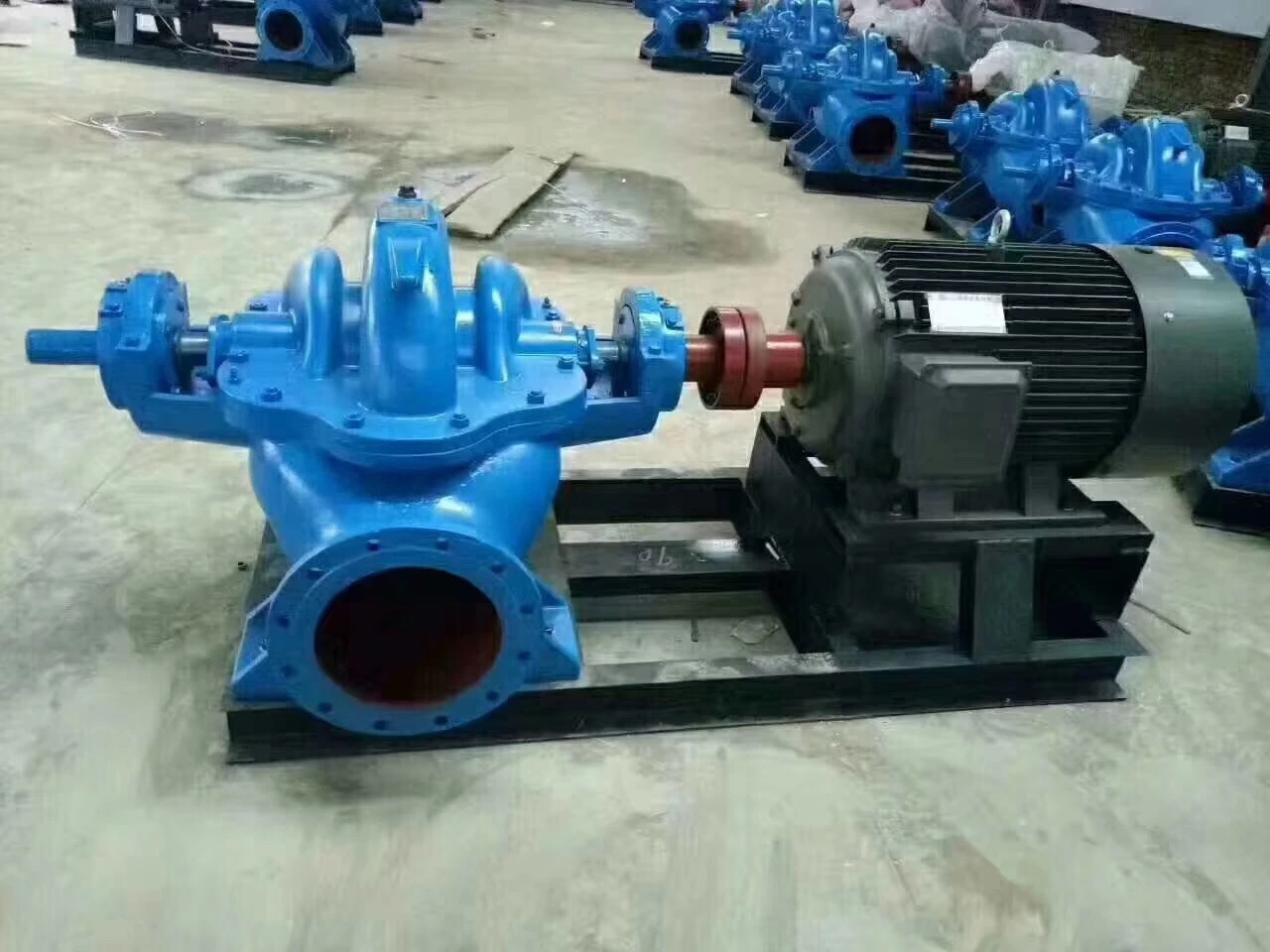
Introduction
Slurry pump metal lined parts represent a critical component in the handling of abrasive and corrosive fluids across numerous industrial applications, including mining, wastewater treatment, chemical processing, and dredging. These parts, typically consisting of a metallic shell (cast iron, steel) internally lined with a wear-resistant material, provide a protective barrier against the erosive and corrosive effects of the pumped slurry. Their technical position lies within the fluid handling equipment chain, directly impacting pump life, maintenance frequency, and overall operational efficiency. Core performance characteristics include abrasion resistance, corrosion resistance, impact strength, and the ability to maintain dimensional integrity under prolonged exposure to harsh environments. The selection of appropriate lining materials and manufacturing processes is paramount to ensuring optimal pump performance and minimizing total cost of ownership. A key industry pain point is balancing initial part cost with long-term operational expenses related to premature failure and downtime.
Material Science & Manufacturing
The metallic shell of slurry pump lined parts is commonly constructed from ASTM A48 Class 30 cast iron, offering a balance of strength and machinability. However, higher alloy steels such as ASTM A532 Grade 1 are utilized for more demanding applications requiring increased tensile strength and toughness. The lining materials are the defining factor in wear performance. High-chromium cast iron (typically 13% - 28% Cr) is prevalent due to its exceptional abrasion resistance, formed through the precipitation of hard chromium carbides within the iron matrix. Alternative linings include ceramics (alumina, zirconia), rubber (natural rubber, EPDM, chloroprene), and specialized alloys (Hastelloy, duplex stainless steel).
Manufacturing processes vary based on the component and lining material. Cast iron shells are produced via sand casting, employing patterns and cores to achieve desired geometries. Linings are applied using several methods: static casting, where the lining material is poured into the shell and allowed to solidify; centrifugal casting, which provides a denser, more homogeneous lining; and rubber lining, involving vulcanization of rubber compounds onto the shell surface. Critical parameter control includes maintaining precise chemical composition of alloys, regulating cooling rates during casting to prevent cracking, and ensuring proper bonding between the lining and the metallic shell. Pre-heating of the shell before lining application is crucial to eliminate moisture and promote adhesion. Post-lining heat treatment is often employed to relieve stresses and optimize the material properties of the lining. Quality control involves non-destructive testing methods like radiography and ultrasonic testing to identify defects such as porosity or delamination.
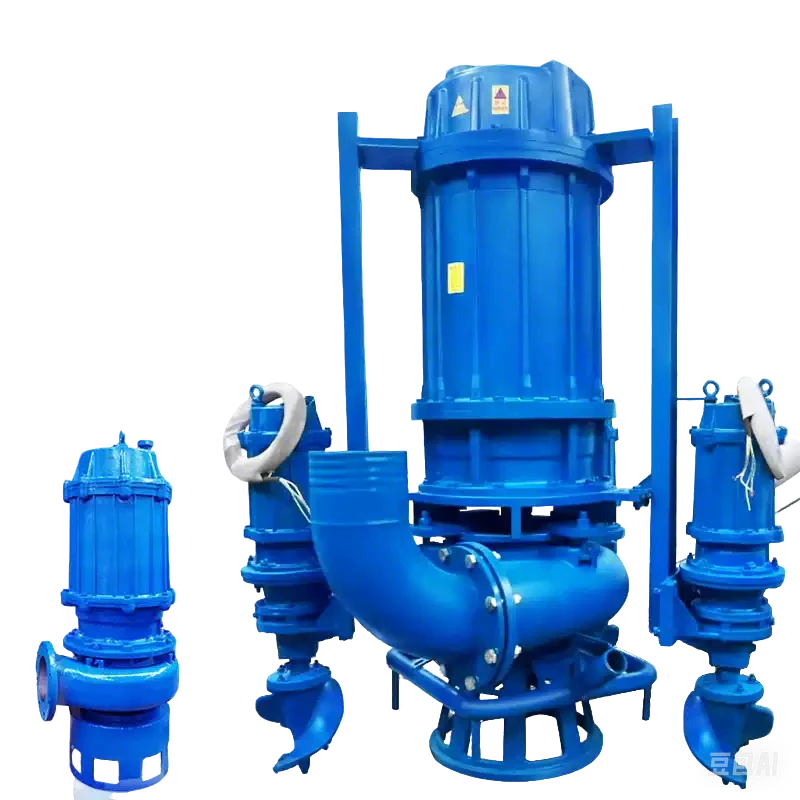
Performance & Engineering
The performance of slurry pump metal lined parts is heavily dictated by the fluid dynamics within the pump and the characteristics of the slurry. Force analysis considers hydrodynamic forces exerted by the slurry, particularly at impeller inlets and volute tongues, and the impact forces from solid particle impingement. These forces contribute to erosion and wear. Environmental resistance is crucial; the lining material must withstand corrosion from the slurry's chemical composition (pH, salt content, oxidizing agents). Corrosion mechanisms include galvanic corrosion (if dissimilar metals are in contact) and localized pitting corrosion. Compliance requirements are stringent, particularly in industries dealing with hazardous materials. Parts must meet pressure vessel standards (ASME Section VIII), and lining materials must be certified for food contact (FDA) or potable water applications (NSF/ANSI 61) where applicable. Functional implementation relies on precise dimensional tolerances to ensure proper pump assembly and sealing. The lining thickness is a critical parameter, providing the necessary wear allowance without significantly reducing internal flow area.
Technical Specifications
| Lining Material | Hardness (Brinell) | Corrosion Resistance (ASTM B117 Salt Spray, hours to failure) | Abrasion Resistance (Taber Abrasion Index, mg loss) |
|---|---|---|---|
| High-Chromium Cast Iron (15% Cr) | 550-650 | 200 | 50 |
| Alumina Ceramic | 9.0 (Mohs Scale) | >1000 | 10 |
| Natural Rubber | 40-60 Shore A | 100 | 100 |
| Hastelloy C-276 | >300 Brinell | >5000 | 80 |
| Duplex Stainless Steel (2205) | 280-320 Brinell | >2000 | 65 |
| EPDM Rubber | 50-70 Shore A | 150 | 120 |
Failure Mode & Maintenance
Slurry pump metal lined parts are susceptible to several failure modes. Erosion, driven by abrasive particle impact, is the most common. Fatigue cracking can occur due to cyclic loading and stress concentrations, particularly around impeller vanes. Corrosion leads to material degradation and loss of section thickness. Delamination, the separation of the lining from the metallic shell, results from poor bonding or thermal stresses. Oxidation, especially at elevated temperatures, can affect the protective properties of certain linings. Failure analysis involves visual inspection for cracks, pitting, and erosion patterns; metallographic examination to assess microstructure and corrosion products; and hardness testing to evaluate material properties. Preventative maintenance includes regular inspections for wear, monitoring slurry composition and flow rates, and implementing proper pump operating procedures. Replacement of worn linings is critical to avoid catastrophic pump failure. Surface preparation before relining is essential to ensure adequate adhesion. Regular lubrication of pump bearings and seals also contributes to extended component life.
Industry FAQ
Q: What is the primary advantage of using a metal-lined pump compared to an all-metallic pump for abrasive slurries?
A: The primary advantage is significantly enhanced wear resistance. The lining material, specifically high-chromium cast iron or ceramics, is much harder and more resistant to abrasion than most metallic alloys used for pump construction. This extends pump component life and reduces maintenance frequency, leading to lower total cost of ownership when handling abrasive slurries.
Q: How does slurry composition (particle size, concentration, pH) impact lining selection?
A: Slurry composition is a crucial factor. Larger particle sizes and higher concentrations increase abrasion rates, necessitating harder, more wear-resistant linings like ceramics. Highly acidic or alkaline slurries require linings with excellent corrosion resistance, such as Hastelloy or duplex stainless steel. The pH also impacts the type of corrosion that occurs (e.g., pitting, galvanic).
Q: What non-destructive testing (NDT) methods are commonly used to inspect metal-lined pump parts for defects?
A: Radiographic testing (X-ray) is used to detect porosity, cracks, and inclusions within the lining material. Ultrasonic testing can identify delamination between the lining and the metallic shell, as well as internal defects. Liquid penetrant testing reveals surface cracks and porosity. Visual inspection, often enhanced with magnification, is a fundamental NDT method.
Q: How can I mitigate the risk of galvanic corrosion in a metal-lined pump system?
A: Galvanic corrosion occurs when dissimilar metals are in contact in the presence of an electrolyte. To mitigate this, use compatible materials for all wetted parts. If dissimilar metals are unavoidable, use sacrificial anodes to protect the more active metal. Coatings can also be applied to electrically isolate the metals. Maintaining proper slurry pH and minimizing chloride content reduces the corrosivity of the electrolyte.
Q: What is the expected service life of a typical high-chromium cast iron lined pump impeller in a moderate abrasion slurry application?
A: The service life is highly application-specific, but a typical range for a high-chromium cast iron lined impeller in a moderate abrasion slurry (e.g., sand and water) is 2-5 years. Factors such as slurry velocity, particle size distribution, slurry concentration, and pump operating hours significantly impact impeller life. Regular monitoring of wear rates is recommended to predict replacement intervals.
Conclusion
Slurry pump metal lined parts are engineered components vital to the efficient and reliable operation of fluid handling systems in demanding industrial environments. The selection of appropriate lining materials and manufacturing processes, coupled with diligent maintenance practices, is critical to maximizing component life and minimizing operational costs. Understanding the interplay between slurry characteristics, pump operating parameters, and material properties is paramount to successful pump application.
Future advancements in materials science, such as the development of novel ceramic composites and surface engineering techniques, will likely lead to even more durable and corrosion-resistant lining materials. Furthermore, the integration of predictive maintenance technologies, utilizing sensor data and machine learning algorithms, will enable proactive identification of wear patterns and optimization of pump maintenance schedules. These advancements will further enhance the performance and longevity of slurry pump metal lined parts.
-
Precision at the Pump: How Better Machining Protects Flow and Uptime
News2026-11-20
-
Why Pump Reliability Begins Before the First Drop of Fluid
News2026-11-20
-
Beyond the Pump: Designing Safer Access Around Critical Water Infrastructure
News2026-11-20
-
Why Pumping Stations Depend on the Infrastructure Beneath the Pumps
News2026-11-20
-
Beyond the Pump Room: How Smarter Loading Protects Industrial Equipment
News2026-11-19
-
When Pumps Stop: Designing More Resilient Power for Critical Pumping Systems
News2026-11-19
-
The Hidden Role of Dust and Gas Monitoring in Reliable Pump Operations
News2026-11-19
-
The Hidden Role of Mineral Compounds in Extending Industrial Pump Lifespan
News2026-10-12
-
Why Pump System Reliability Depends on Precision Hose Assembly Methods
News2026-09-15
-
How Advanced Imaging Films Are Transforming Pump Component Quality Control
News2026-08-25
-
How Advanced Filtration Protects Pump Systems from Premature Wear and Costly Downtime
News2026-08-25
-
How Steel Material Selection Drives Pump Reliability in Heavy-Duty Systems
News2026-08-25
-
Ensuring Pump System Efficiency: The Role of High-Quality Pipe Fittings and Tubing
News2026-08-24
-
Optimizing Fluid Dynamics and Material Consistency in Industrial Processing
News2026-08-18
-
Innovations and Challenges in Hydraulic Systems for Heavy Machinery
News2026-08-13




