English
- Afrikaans
- Albanian
- Amharic
- Arabic
- Armenian
- Azerbaijani
- Basque
- Belarusian
- Bengali
- Bosnian
- Bulgarian
- Catalan
- Cebuano
- Corsican
- Croatian
- Czech
- Danish
- Dutch
- English
- Esperanto
- Estonian
- Finnish
- French
- Frisian
- Galician
- Georgian
- German
- Greek
- Gujarati
- Haitian Creole
- hausa
- hawaiian
- Hebrew
- Hindi
- Miao
- Hungarian
- Icelandic
- igbo
- Indonesian
- irish
- Italian
- Japanese
- Javanese
- Kannada
- kazakh
- Khmer
- Rwandese
- Korean
- Kurdish
- Kyrgyz
- Lao
- Latin
- Latvian
- Lithuanian
- Luxembourgish
- Macedonian
- Malgashi
- Malay
- Malayalam
- Maltese
- Maori
- Marathi
- Mongolian
- Myanmar
- Nepali
- Norwegian
- Norwegian
- Occitan
- Pashto
- Persian
- Polish
- Portuguese
- Punjabi
- Romanian
- Russian
- Samoan
- Scottish Gaelic
- Serbian
- Sesotho
- Shona
- Sindhi
- Sinhala
- Slovak
- Slovenian
- Somali
- Spanish
- Sundanese
- Swahili
- Swedish
- Tagalog
- Tajik
- Tamil
- Tatar
- Telugu
- Thai
- Turkish
- Turkmen
- Ukrainian
- Urdu
- Uighur
- Uzbek
- Vietnamese
- Welsh
- Bantu
- Yiddish
- Yoruba
- Zulu

Telephone: +86 13120555503
Email: frank@cypump.com


Apr . 01, 2024 17:55 Back to list
Slurry Pump Material Performance Analysis
Introduction
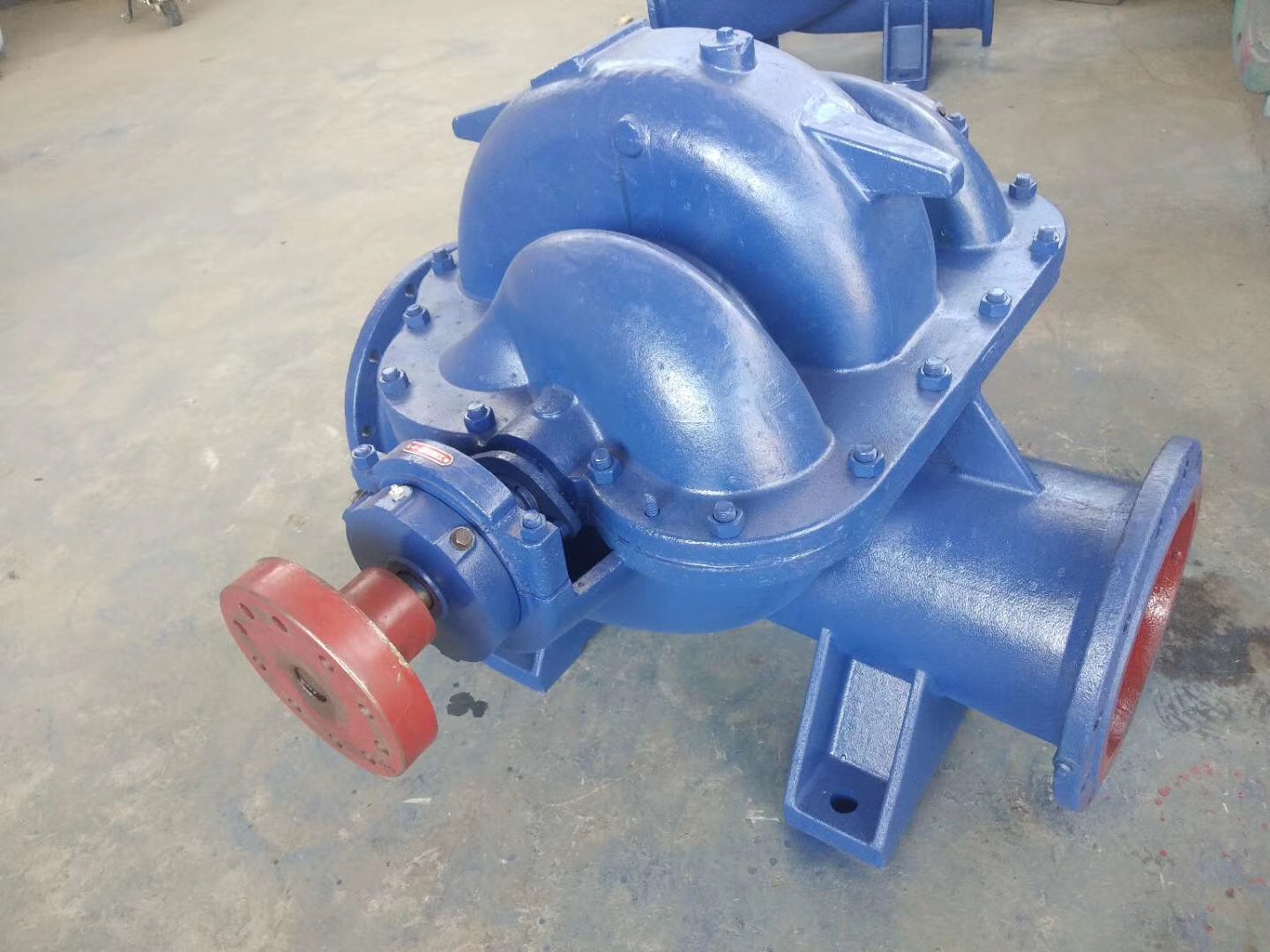
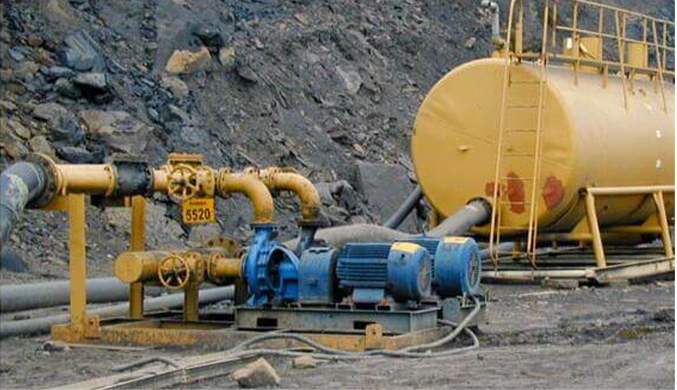
Slurry pump materials represent a critical engineering consideration in industries handling abrasive and corrosive fluids. These pumps, designed to move mixtures of liquids and solid particles, are subjected to extreme wear and chemical attack. Material selection dictates pump lifespan, maintenance frequency, and overall operational cost. Common applications span mining, wastewater treatment, chemical processing, and dredging. The primary materials employed are various alloys of cast iron, stainless steel, and specialized polymers, each offering distinct advantages and limitations depending on the slurry composition, particle size, flow velocity, and temperature. This guide provides a comprehensive analysis of slurry pump material science, manufacturing, performance, failure modes, and relevant industry standards, addressing the core concerns of procurement managers and engineers seeking to optimize pump performance and minimize total cost of ownership.
Material Science & Manufacturing
The foundation of a robust slurry pump lies in its material composition. The most frequently used material is high-chrome cast iron (typically containing 15-30% chromium), lauded for its exceptional abrasion resistance stemming from the formation of hard chromium carbides during the casting process. However, its corrosion resistance is limited, particularly in acidic or chloride-rich environments. Alternative cast irons, incorporating nickel and molybdenum, enhance corrosion resistance but at a cost to abrasion resistance. Stainless steels, particularly duplex stainless steels (containing both austenitic and ferritic microstructures), offer superior corrosion resistance and good abrasion resistance, though they are generally more expensive than high-chrome cast irons. Austenitic stainless steels (e.g., 316) are preferred for highly corrosive environments but exhibit lower abrasion resistance. Polymers, such as polyurethane and rubber, are used for liners and impellers in applications involving highly abrasive slurries with low solids concentrations. These materials offer excellent abrasion resistance but are limited in terms of temperature and pressure capabilities.
Manufacturing processes profoundly influence the final material properties. For cast iron components, sand casting is prevalent, with shell molding offering improved dimensional accuracy and surface finish. The cooling rate during casting is crucial; slower cooling promotes the formation of larger, harder chromium carbides. For stainless steel components, investment casting or centrifugal casting is often employed to achieve complex geometries and minimize porosity. Welding is frequently used for joining pump components, demanding careful selection of welding electrodes and procedures to maintain corrosion resistance and prevent weld decay. Polymer liners are typically applied using techniques like rotational molding or spray coating, ensuring uniform thickness and adhesion to the metal substrate. Key parameter control during manufacturing includes precise alloy composition control, controlled cooling rates, adequate heat treatment to relieve residual stresses, and thorough non-destructive testing (NDT) – radiographic inspection, ultrasonic testing, and liquid penetrant examination – to detect defects.
Performance & Engineering
The performance of slurry pump materials is inextricably linked to their mechanical properties, corrosion resistance, and erosive wear characteristics. Force analysis reveals that pump components are subjected to tensile, compressive, and shear stresses during operation, exacerbated by the impact of solid particles. Cavitation, the formation and collapse of vapor bubbles, is a significant concern, causing localized high-velocity impacts that erode the material surface. Environmental resistance is paramount, particularly in chemically aggressive environments. The rate of corrosion is influenced by the slurry’s pH, temperature, and the presence of oxidizing agents. Erosion, a mechanical wear process caused by the impact of solid particles, is the dominant failure mechanism in most slurry pump applications. The erosion rate is dependent on particle size, shape, hardness, velocity, and angle of impact.
Compliance requirements vary depending on the application. For example, pumps used in the food and beverage industry must comply with FDA regulations regarding material biocompatibility. Pumps handling hazardous materials must meet ATEX directives concerning explosion prevention. Hydraulic design optimization is crucial to minimize turbulence and reduce the erosive effects of the slurry. Impeller design, casing geometry, and volute shape are carefully engineered to maximize pump efficiency and minimize wear. Material thickness is a critical parameter, balancing the need for structural integrity with the cost of materials. Finite Element Analysis (FEA) is frequently employed to simulate stress distributions and predict component life under various operating conditions.
Technical Specifications
| Material | Hardness (BHN) | Tensile Strength (MPa) | Corrosion Resistance | Abrasion Resistance (Comparative) |
|---|---|---|---|---|
| High-Chrome Cast Iron (25% Cr) | 550-650 | 400-600 | Poor to Moderate | Excellent |
| Duplex Stainless Steel (2205) | 270-320 | 550-700 | Excellent | Good |
| Austenitic Stainless Steel (316) | 200-250 | 500-650 | Excellent | Moderate |
| Polyurethane Rubber | 60-80 (Shore D) | 20-40 | Good | Excellent |
| White Cast Iron (30% Cr) | 600-700 | 500-700 | Poor | Superior |
| Nickel-Hard Cast Iron (12% Ni, 30% Cr) | 500-600 | 450-650 | Good | Excellent |
Failure Mode & Maintenance
Slurry pump materials are susceptible to several failure modes. Fatigue cracking, induced by cyclic loading and stress concentrations, is a common occurrence, particularly in impeller vanes and pump casings. Erosion-corrosion, a synergistic effect of mechanical wear and chemical attack, accelerates material degradation. Galvanic corrosion can occur when dissimilar metals are in contact in the presence of an electrolyte. Delamination, the separation of layers in polymer liners, is often caused by inadequate adhesion or thermal stress. Oxidation can compromise the protective layers on stainless steel components, reducing their corrosion resistance.
Preventative maintenance is critical to extending pump lifespan. Regular inspections for wear, corrosion, and cracks are essential. Monitoring slurry properties (particle size distribution, solids concentration, pH) and adjusting pump operating parameters (flow rate, pressure) can minimize wear. Appropriate lubrication reduces friction and prevents bearing failure. Periodic replacement of worn components, such as impellers, liners, and seals, is necessary. Surface hardening techniques, like coating with tungsten carbide or ceramics, can enhance abrasion resistance. Cathodic protection can mitigate corrosion in certain applications. For polymer liners, proper surface preparation before application is crucial to ensure strong adhesion. A robust maintenance program, coupled with careful material selection, significantly reduces downtime and lowers the total cost of ownership.
Industry FAQ
Q: What material is best suited for handling a highly abrasive slurry containing silica sand at high velocity?
A: For a highly abrasive slurry containing silica sand at high velocity, a high-chrome cast iron with a minimum chromium content of 25% is typically the most cost-effective solution. The high hardness of the chromium carbides provides excellent resistance to erosion. However, if corrosion is also a concern, consider a duplex stainless steel with a sacrificial high-chrome cast iron liner. Regular inspection and replacement of the liner are crucial.
Q: How does the pH of the slurry impact material selection?
A: The pH significantly influences corrosion rates. Acidic slurries (pH < 7) promote the corrosion of most metals, requiring corrosion-resistant alloys like stainless steels or specialized polymer coatings. Alkaline slurries (pH > 7) can also be corrosive, particularly to aluminum and zinc. High-chrome cast irons are relatively resistant to alkaline corrosion but can suffer from pitting corrosion in highly acidic environments.
Q: What are the advantages and disadvantages of using rubber liners in a slurry pump?
A: Rubber liners offer excellent abrasion resistance, particularly for fine particle slurries. They also dampen noise and vibration. However, they have limited temperature and pressure capabilities and are susceptible to degradation from oil and solvents. Rubber liners are best suited for low-solids-concentration slurries where abrasion is the primary concern.
Q: Is welding a suitable repair method for cracks in a cast iron pump casing?
A: Welding cast iron is challenging due to its high carbon content and propensity for cracking. Preheating and post-weld heat treatment are essential to minimize residual stresses. Nickel-based welding electrodes are often used to improve weldability and toughness. However, welded repairs are generally considered temporary fixes and complete casing replacement is often recommended for critical applications.
Q: How does particle size distribution affect the choice of slurry pump materials?
A: Larger particle sizes generally cause more severe erosion, requiring materials with higher abrasion resistance, such as high-chrome cast iron. Finer particles, while individually less erosive, can accumulate and create abrasive wear patterns. The particle shape also plays a role; angular particles are more erosive than rounded particles. Understanding the particle size distribution is critical for selecting the appropriate material and optimizing pump operating parameters.
Conclusion
The selection of appropriate materials for slurry pumps is a complex process demanding a thorough understanding of slurry characteristics, operating conditions, and material properties. While high-chrome cast iron remains a mainstay due to its cost-effectiveness and abrasion resistance, stainless steels and polymers offer viable alternatives for corrosive or specialized applications. A holistic approach, considering not only the initial material cost but also lifecycle costs, including maintenance, repair, and downtime, is crucial for achieving optimal pump performance and minimizing total cost of ownership.
Future advancements in material science, such as the development of new alloys with enhanced corrosion and abrasion resistance, and the application of advanced coatings, promise to further improve the durability and efficiency of slurry pumps. Continued research into erosion-corrosion mechanisms and predictive modeling will enable engineers to optimize pump designs and material selection for specific applications, ultimately reducing environmental impact and improving operational sustainability.
-
Precision at the Pump: How Better Machining Protects Flow and Uptime
News2026-11-20
-
Why Pump Reliability Begins Before the First Drop of Fluid
News2026-11-20
-
Beyond the Pump: Designing Safer Access Around Critical Water Infrastructure
News2026-11-20
-
Why Pumping Stations Depend on the Infrastructure Beneath the Pumps
News2026-11-20
-
Beyond the Pump Room: How Smarter Loading Protects Industrial Equipment
News2026-11-19
-
When Pumps Stop: Designing More Resilient Power for Critical Pumping Systems
News2026-11-19
-
The Hidden Role of Dust and Gas Monitoring in Reliable Pump Operations
News2026-11-19
-
The Hidden Role of Mineral Compounds in Extending Industrial Pump Lifespan
News2026-10-12
-
Why Pump System Reliability Depends on Precision Hose Assembly Methods
News2026-09-15
-
How Advanced Imaging Films Are Transforming Pump Component Quality Control
News2026-08-25
-
How Advanced Filtration Protects Pump Systems from Premature Wear and Costly Downtime
News2026-08-25
-
How Steel Material Selection Drives Pump Reliability in Heavy-Duty Systems
News2026-08-25
-
Ensuring Pump System Efficiency: The Role of High-Quality Pipe Fittings and Tubing
News2026-08-24
-
Optimizing Fluid Dynamics and Material Consistency in Industrial Processing
News2026-08-18
-
Innovations and Challenges in Hydraulic Systems for Heavy Machinery
News2026-08-13




